Polish-Iraqi cooperation in the field of archaeology
12.12.2025
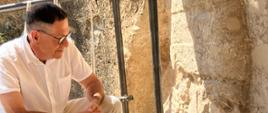
Another autumn season of work in the Iraqi Kurdistan Region ended with the mission of Professor Rafal Kolinski from the Adam Mickiewicz University in Poznan.

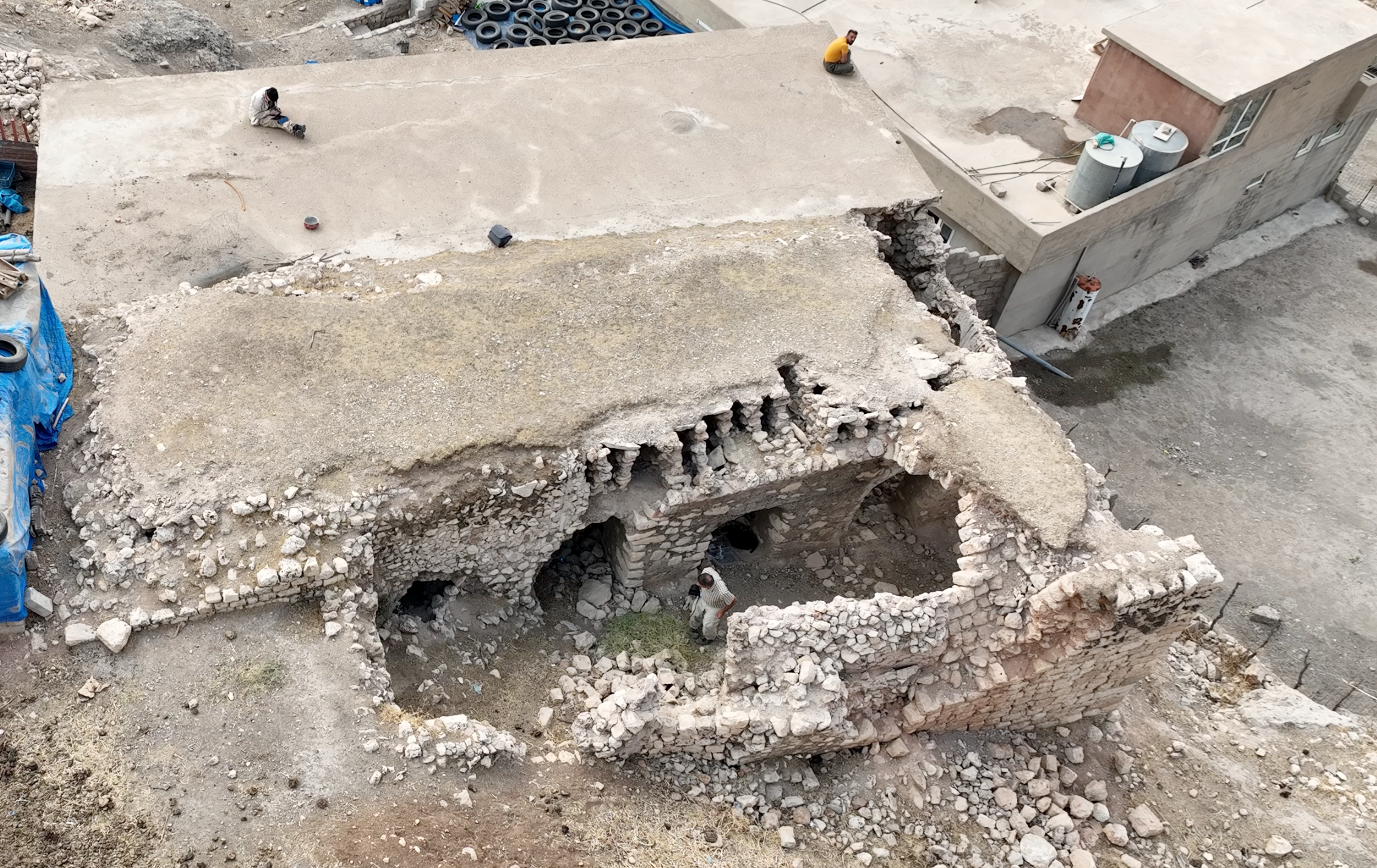
The Polish School of Mediterranean Archaeology has been actively researching the past of ancient Mesopotamia for over half a century. Professor Kolinski's mission has been conducting research in Iraq since 2012. It focuses on a new field of archaeology called "landscape archaeology." It involves systematically documenting archaeological sites, structures, caves, and places where human activity occurred, in order to determine the site's age based, among other things, on pottery fragments.
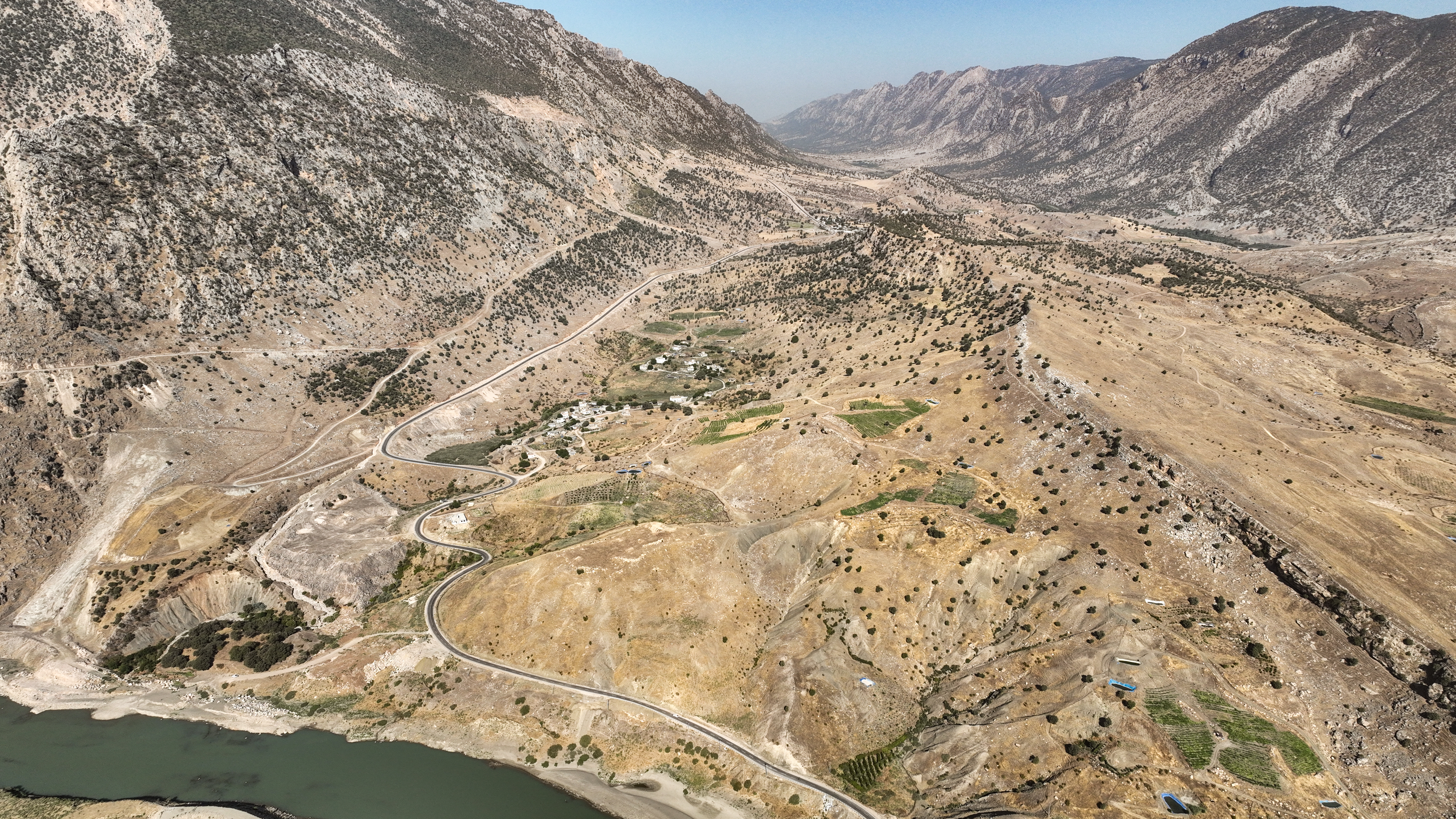
In its latest project, covering an area of approximately 4,000 square kilometers, the mission is examining the history of Christians who settled in the 4th century CE. Its most spectacular find is the discovery of traces of the migration of large groups of people from northern Syria to what is now Iraqi Kurdistan. Fleeing drought caused by climate change, they settled at the foot of the Kurdistan Mountains and created their own culture. They left behind an open-air sanctuary in a cave (now in the town of Gunduk). It contains the only known depiction of the creation of man from Mesopotamia (a relief depicting gods molding humans from clay, turning figurines on a potter's wheel). The relief itself was devastated by treasure hunters, but the mission recovered fragments and reconstructed them based on old photographs and drawings.
Professor R. Kolinski's research missions at Adam Mickiewicz University are supported by the National Science Centre. Three research grants awarded allowed, among other things, the publication of the research and its introduction into the international scientific community. The collaboration with Iraqi archaeologists and the local population is highly regarded. The missions are supported by the Kurdistan Minister of Tourism, Mr. Othman A. Habib; the Director of Kurdistan Antiquities, Mr. Kaifa M. Ali; and the Director of Duhok Province Antiquities, Dr. Bekas Hasan.
The Iraqi Kurdistan region is located in the center of the so-called Fertile Crescent – it was there that agriculture was born and people began to lead a sedentary lifestyle. This important site, however, remains poorly researched, a blank spot on the archaeological map of Mesopotamia. Thanks to Polish research, the history of this corner is becoming increasingly clear.
Edited by: R. and X. Koliński
Photo: X. Kolińska
Materials
The_region_where_Prof_Rafal_Kolinski_works_in_the_Middle_EastThe_region_where_Prof_Rafal_Kolinski_works_in_the_Middle_East_Image_by_J_Mardas_Description_by_X_Kolinska_(1).pdf 2.20MB