The National Institute of Telecommunications at the Smart Komunal Conference: Digitalisation for the Environment
19.01.2026
Environmental protection and digitalisation may seem distant from each other at first glance. Today, however, environmental protection means streams of data for rapid analysis and immediate decision-making-precisely the area of expertise of the National Institute of Telecommunications. Our experts work on many aspects of modern digitalisation which together form our service offering, including services dedicated to local governments.

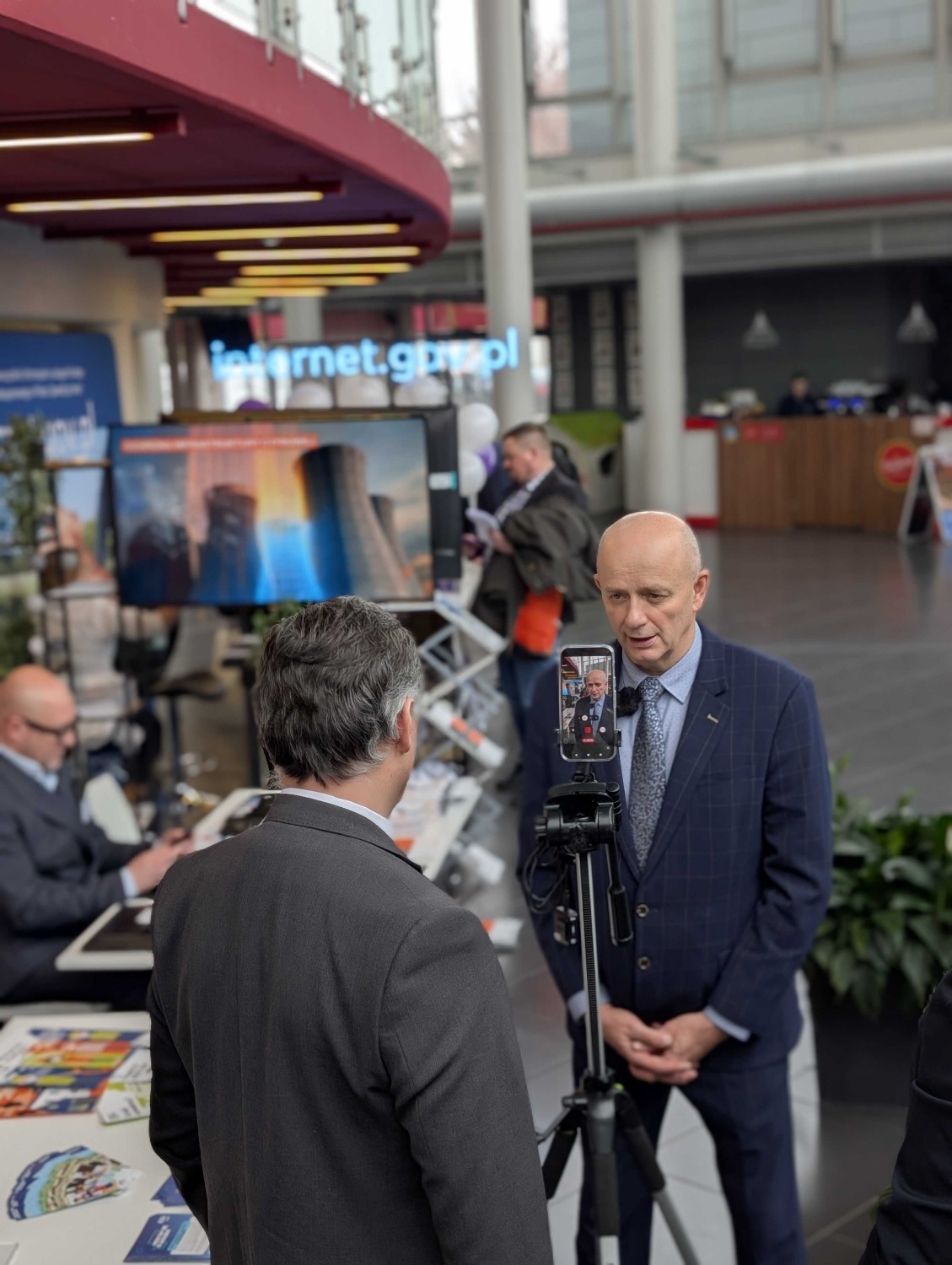
The Smart Komunal Conference: Digitalisation for the Environment took place on 16 January in Tychy, bringing together representatives of public administration, local governments, and the technology sector. Panel discussions focused on the key challenges facing Polish cities and regions in the era of digital transformation and climate change, while product presentations demonstrated how digitalisation can address environmental protection challenges.
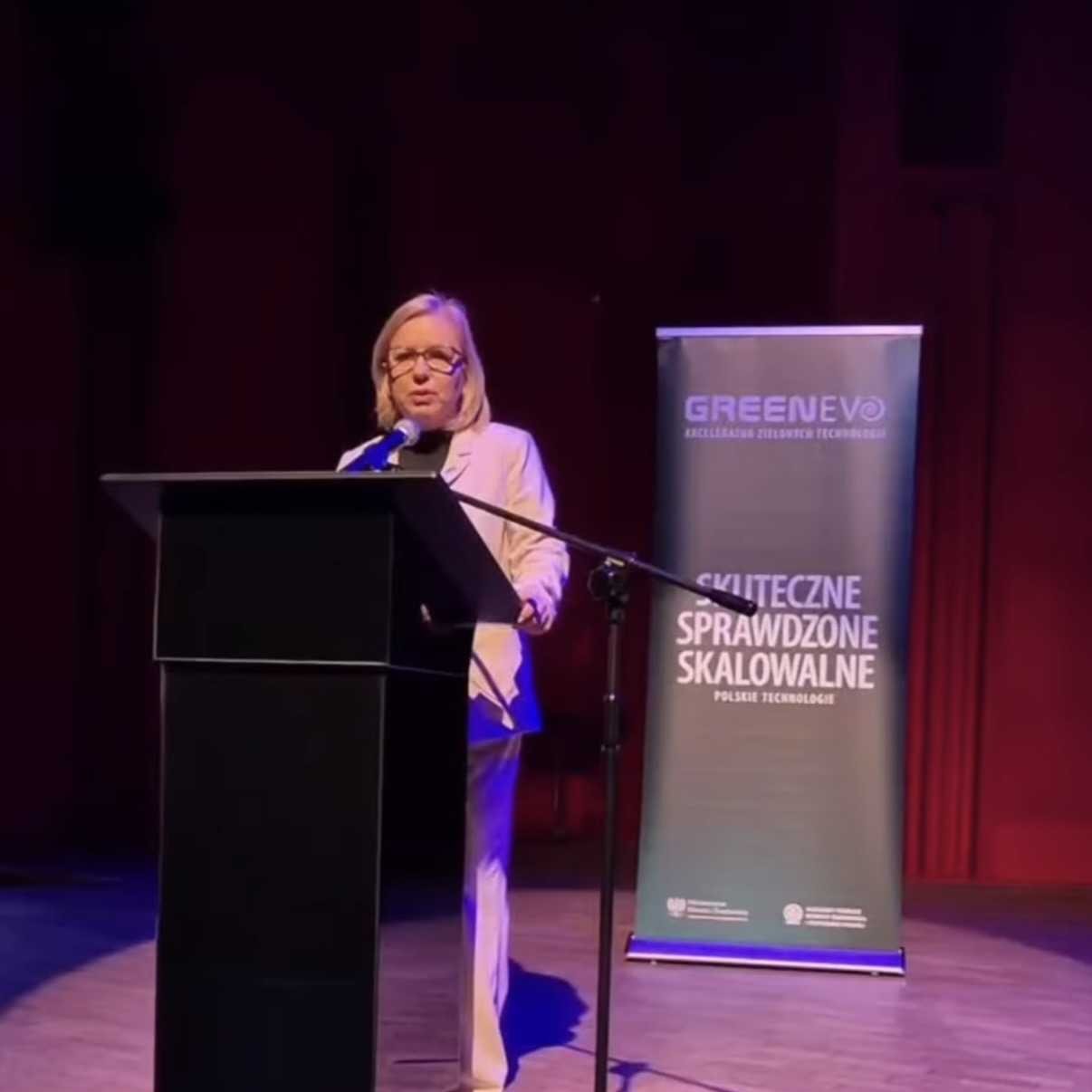
This high-profile event, opened by the Minister of Climate and Environment, Paulina Hennig-Kloska, and the Deputy Minister of Digital Affairs, Michał Gramatyka, was aimed at seeking synergies between technology, public policy, and responsible development management. In their opening remarks, the speakers emphasised that effective modernisation of local governments requires not only appropriate financial instruments but also access to knowledge, experience, and mature technological solutions.
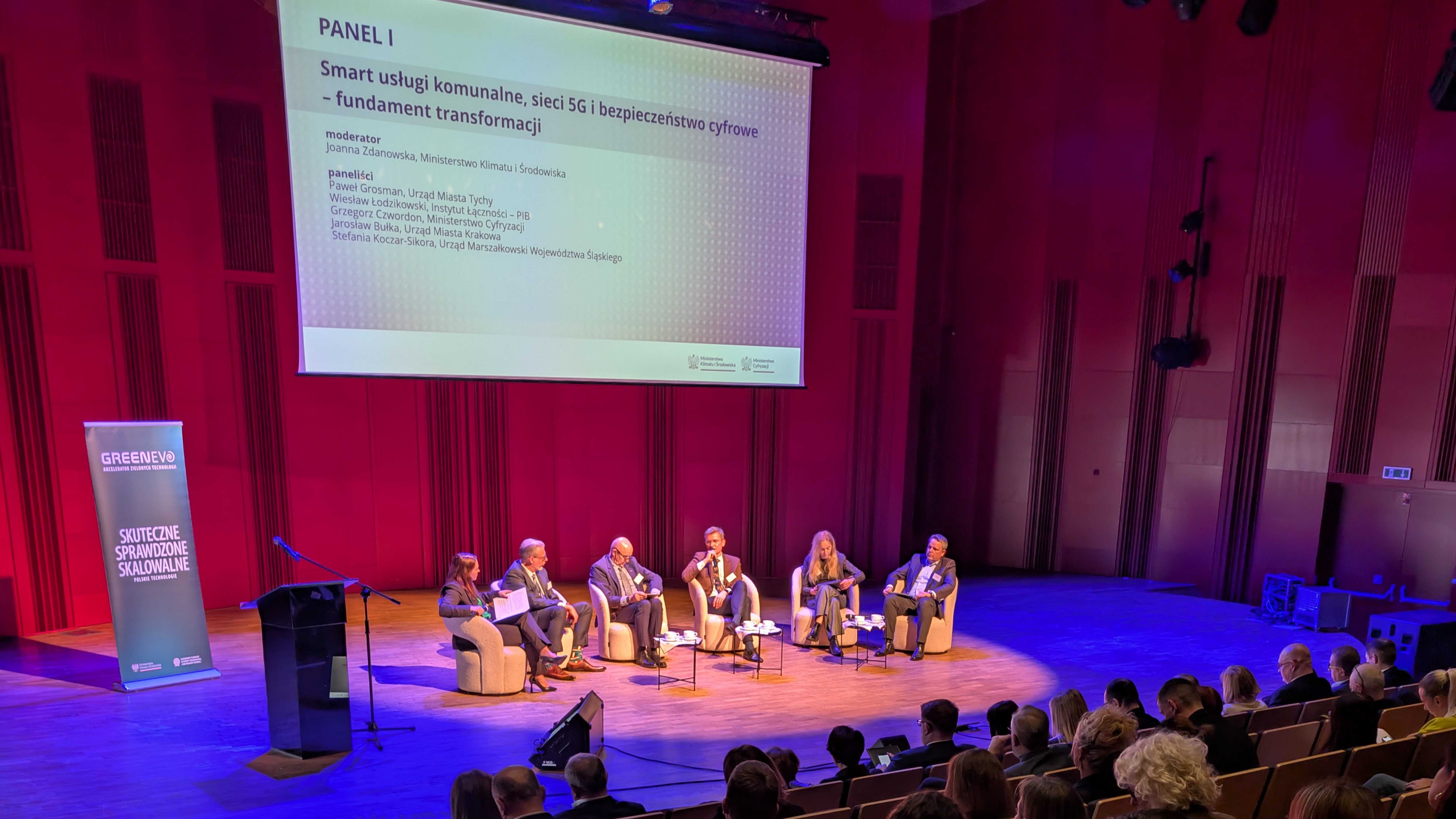
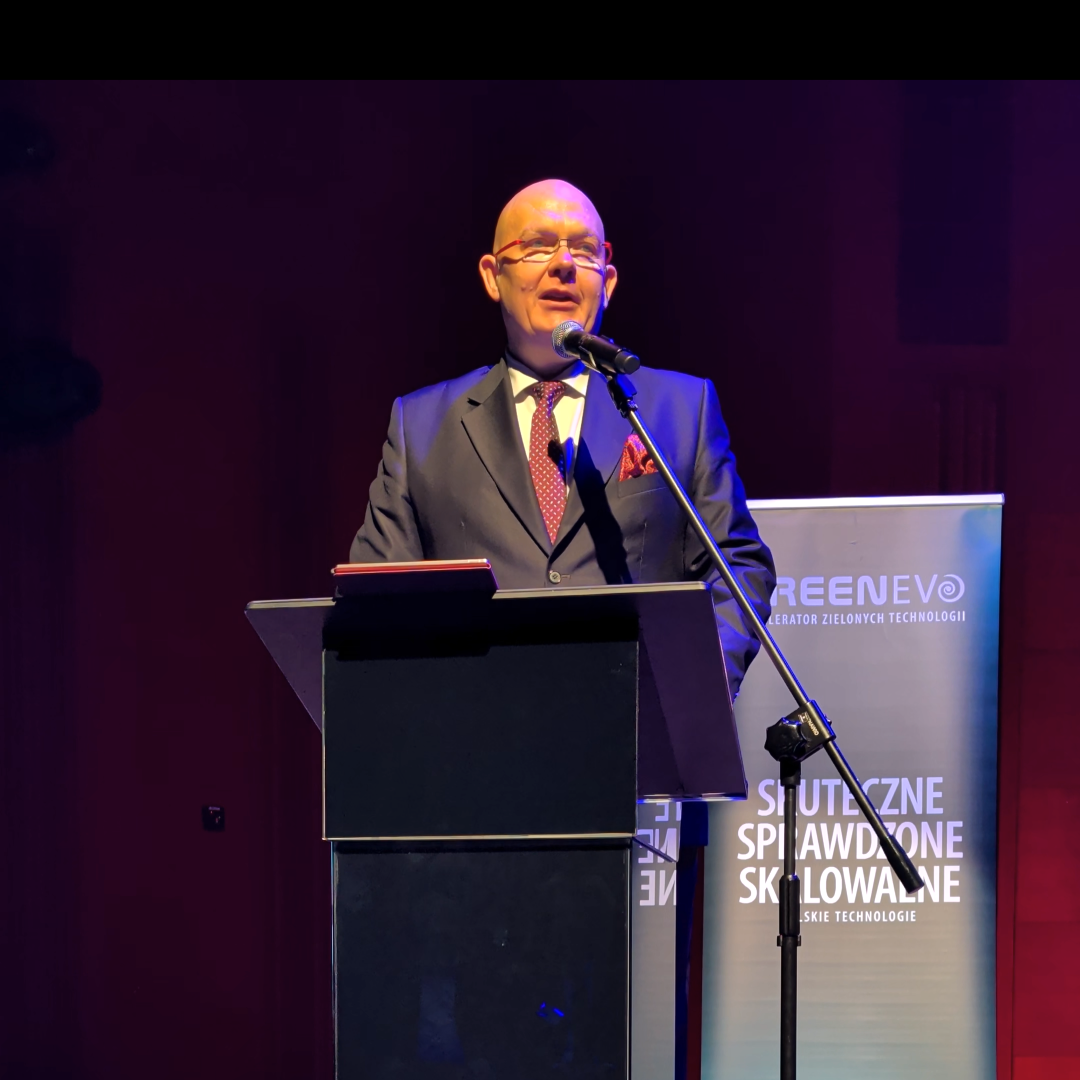
An important theme of the conference was the resilience of public service infrastructure and citizen safety. During the first panel, Wiesław Łodzikowski, Plenipotentiary of the Director for Strategic Projects at the National Institute of Telecommunications, highlighted the importance of the stable operation of digital systems supporting critical infrastructure. He also explained the fundamental role of precise time and space synchronisation solutions, including terrestrial positioning, in ensuring the efficient functioning of infrastructure and public services. Protection against interference is a key element of national resilience and security.
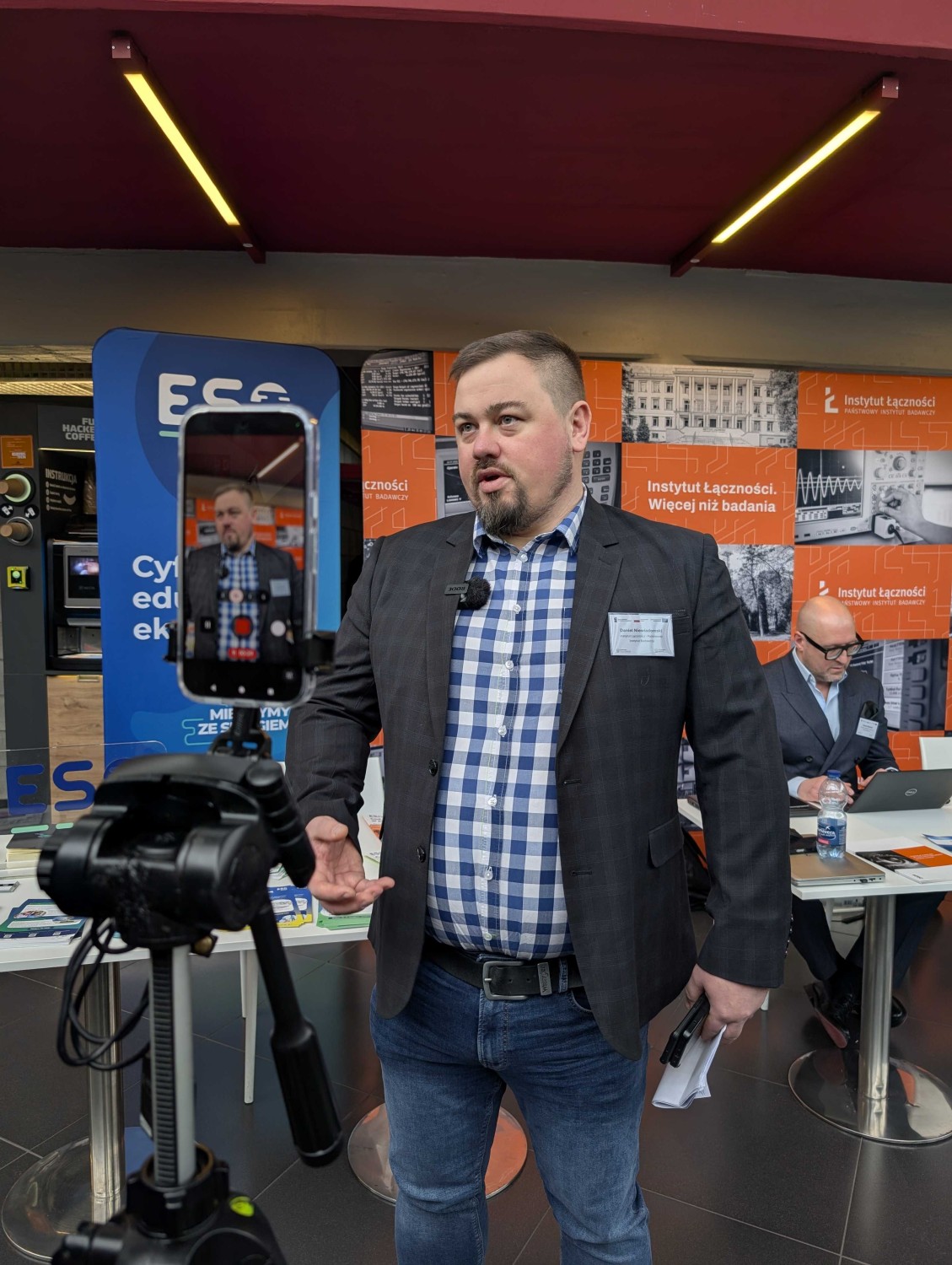
In the session devoted to technological innovation in local governments, Daniel Niewiadomski, Head of the Electromagnetic Compatibility Department at the National Institute of Telecommunications, presented the potential of private 5G networks as one of the pillars of modern and smart city development. Connectivity is no longer merely a technical backbone; it is becoming a strategic infrastructure enabling the integration of key urban systems—from transport and security, through municipal infrastructure and Internet of Things (IoT) solutions, to crisis management. The use of proprietary solutions makes public authorities independent of risks such as the overload of commercial networks in emergency situations.
Complementing the substantive debates was the presence of the National Institute of Telecommunications – NRI exhibition stand, which became a space for direct discussions between Institute experts and representatives of local governments on the practical applications of local 5G networks and further directions of the digital transformation of cities and regions.