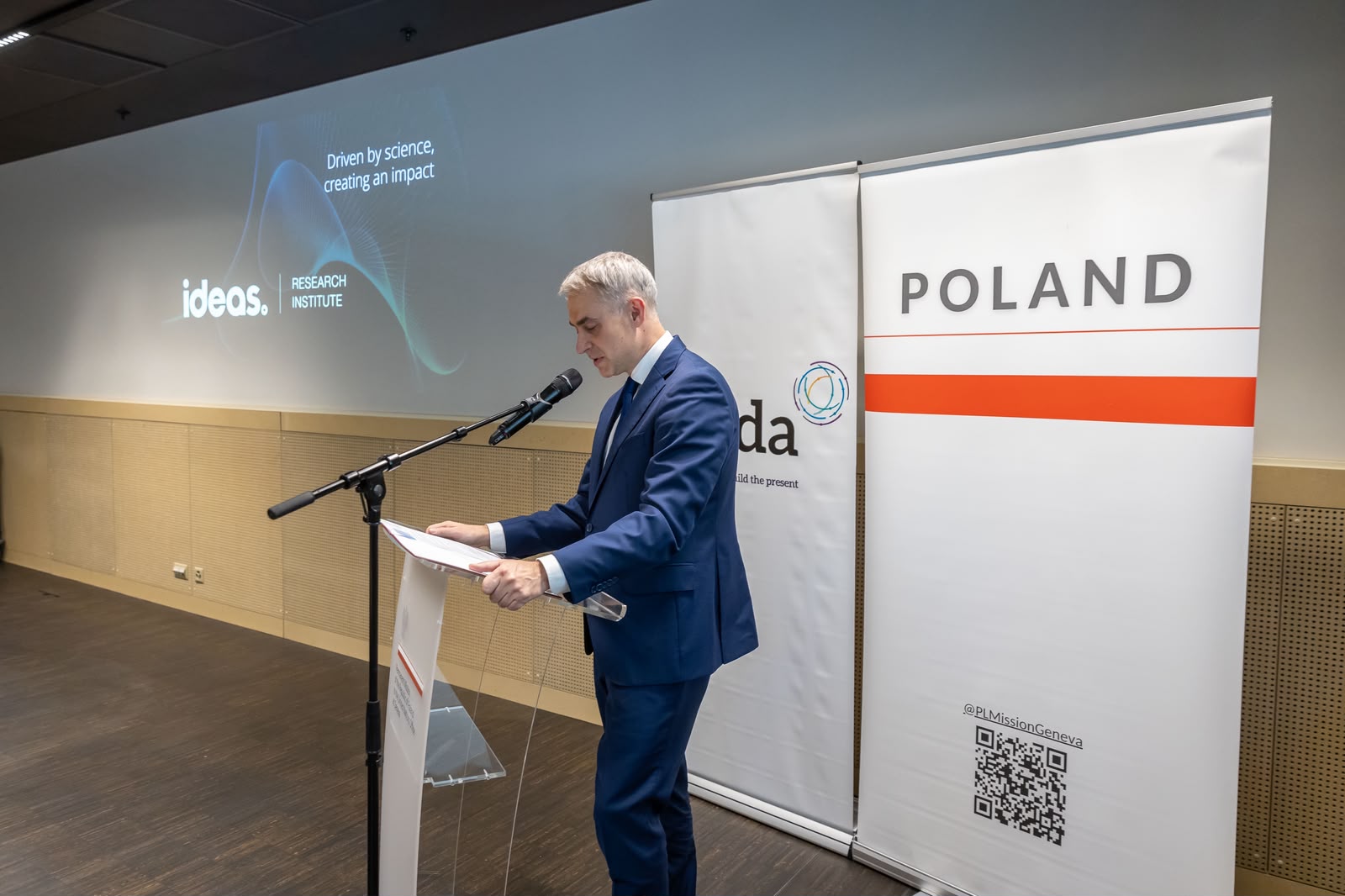
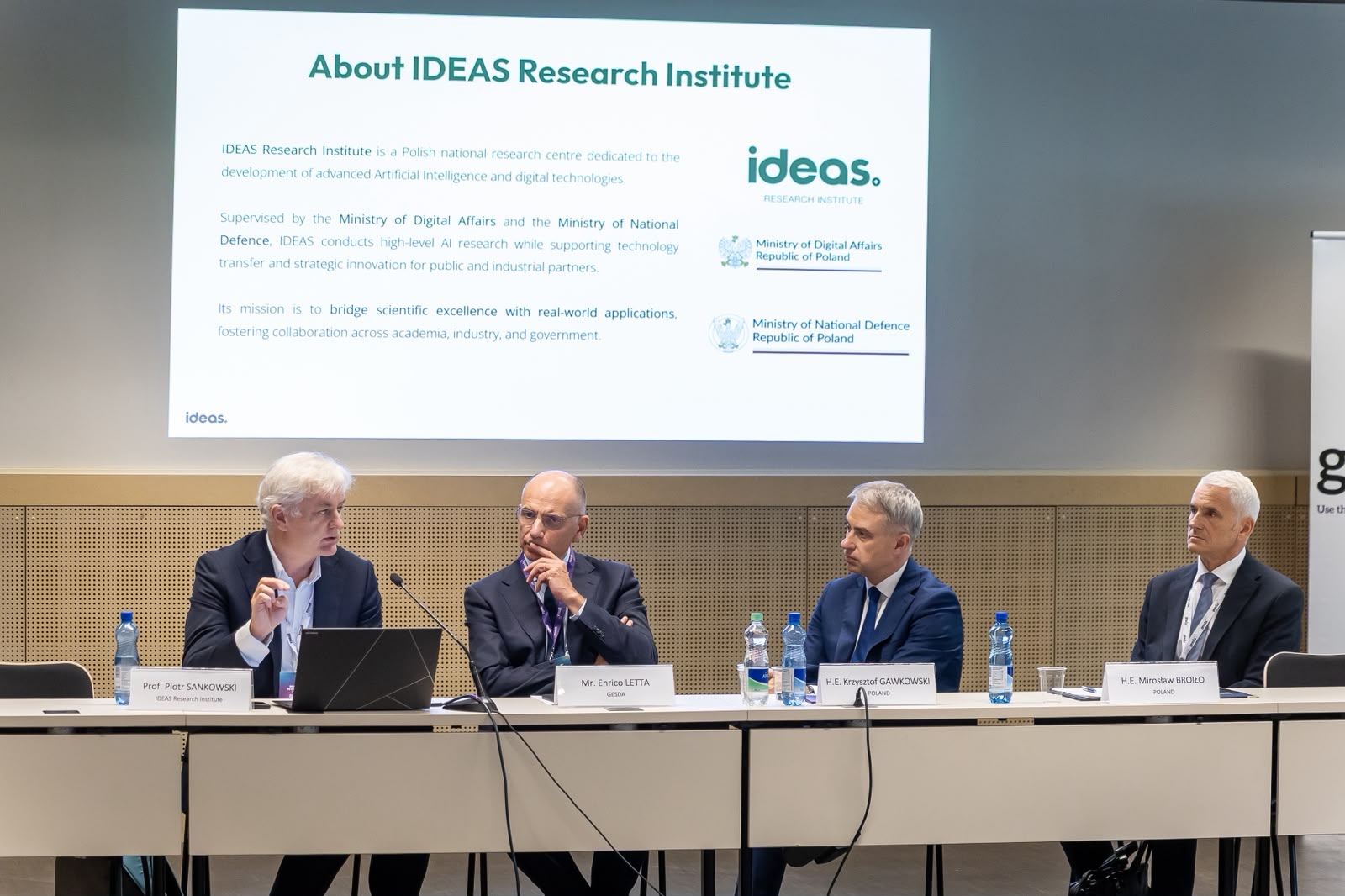
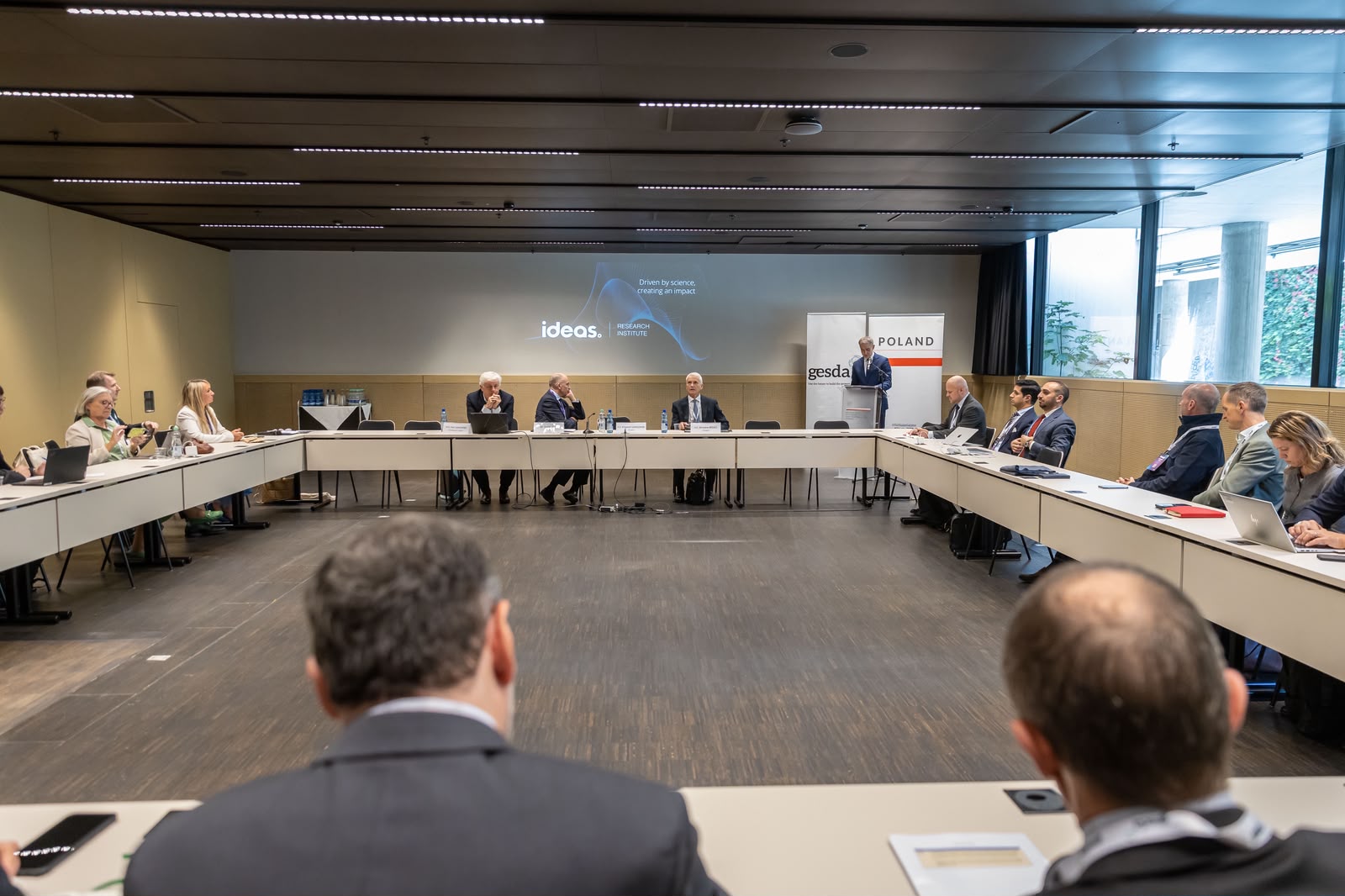
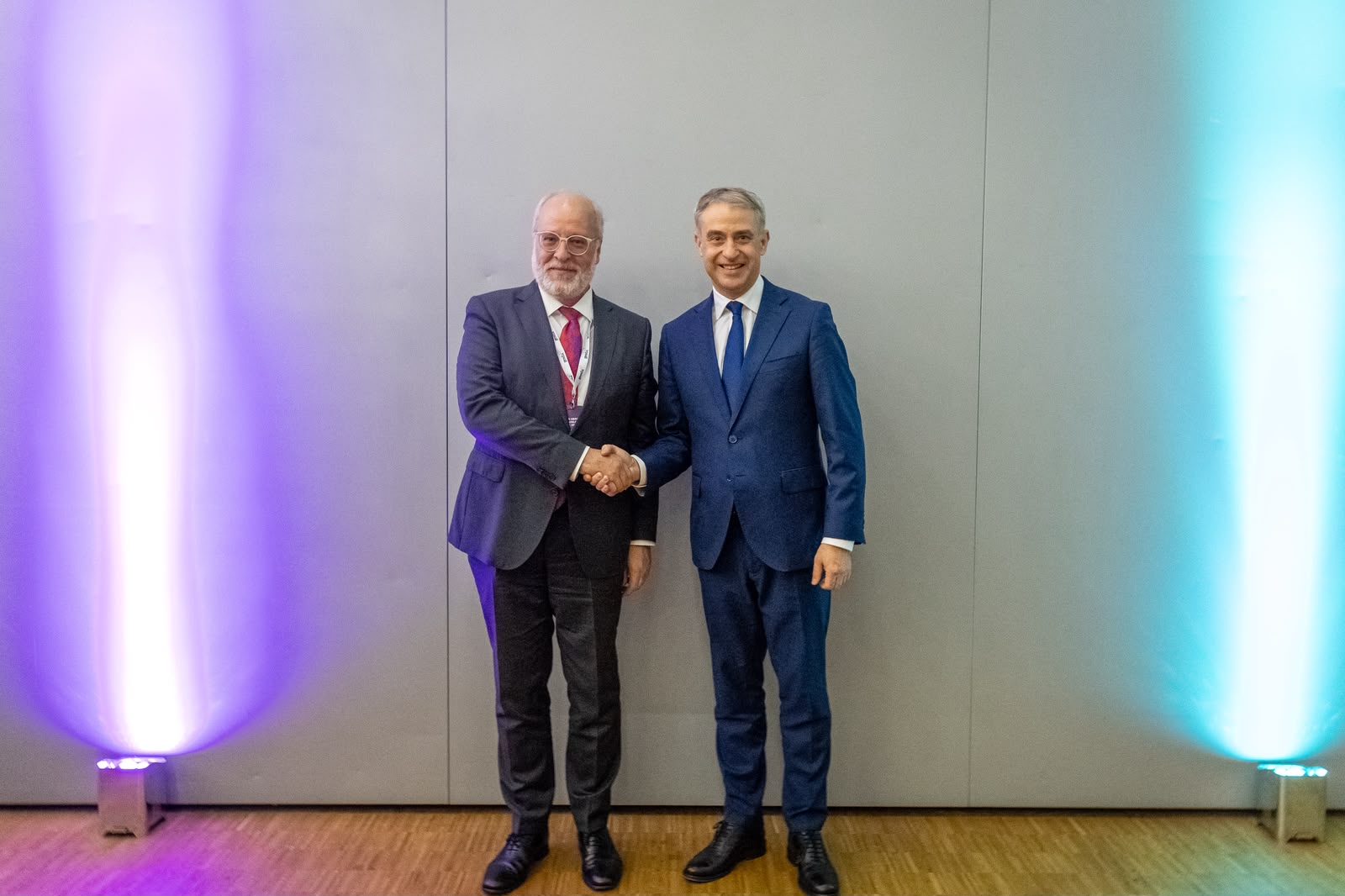
Deputy Prime Minister Krzysztof Gawkowski at the GESDA Anticipation Summit in Geneva
14.10.2026
On 14 October 2026, Deputy Prime Minister of the Republic of Poland, Minister of Digital Affairs Krzysztof Gawkowski took part in the GESDA Anticipation Summit, an international summit organized annually since 2021 dedicated to anticipating the consequences of the development of science and technology and translating scientific knowledge into political and international activities.

Opening the plenary session entitled "Geopolitics of Science", the Minister emphasized the role of Poland as one of Europe's digital leaders and presented Poland’s position on the relationship between geopolitics and the scientific sphere. He pointed to the need to intensify international research cooperation – "countries should remain open where they can, protect what they must, and build together what no one is able to build alone."
The Deputy Prime Minister emphasized the importance of the IDEAS Research Institute's initiative on the AI and Dual Use Innovation Network (DUAIN). DUAIN is envisaged as a decentralized network connecting academic research, business and public institutions working on AI both in the civilian and broadly understood security dimensions.
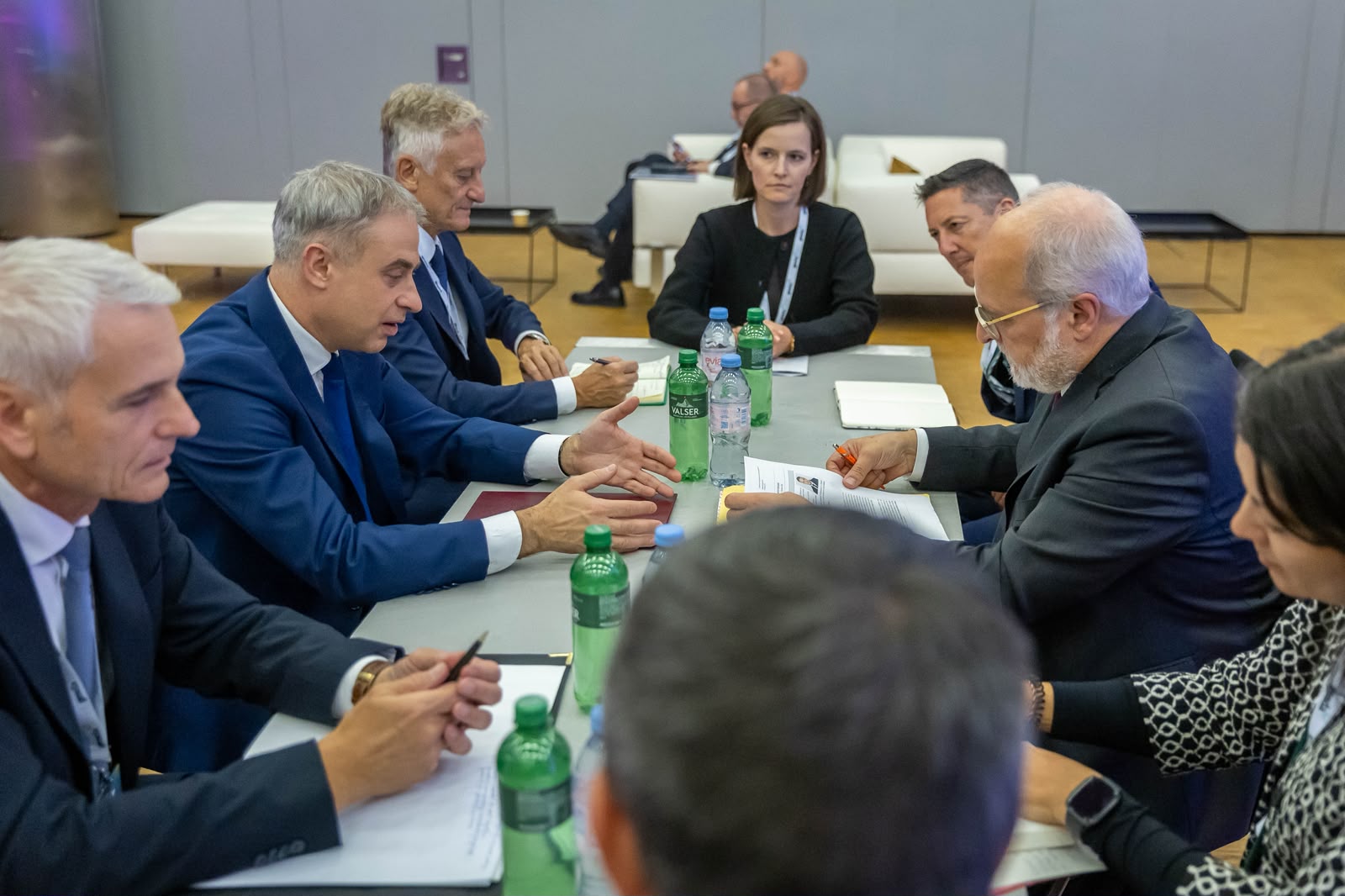
The identification of possible areas of closer cooperation between Poland and Switzerland in the field of artificial intelligence and digitization was the topic of the Deputy Prime Minister's conversation with Alexander Fasel, Secretary of State at the Swiss Ministry of Foreign Affairs. The conversation on the sidelines of the GESDA Anticipation Summit brought Polish achievements in the area of digitization of public services and cybersecurity closer to the Swiss partners.
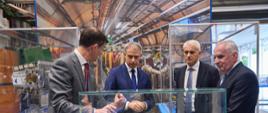
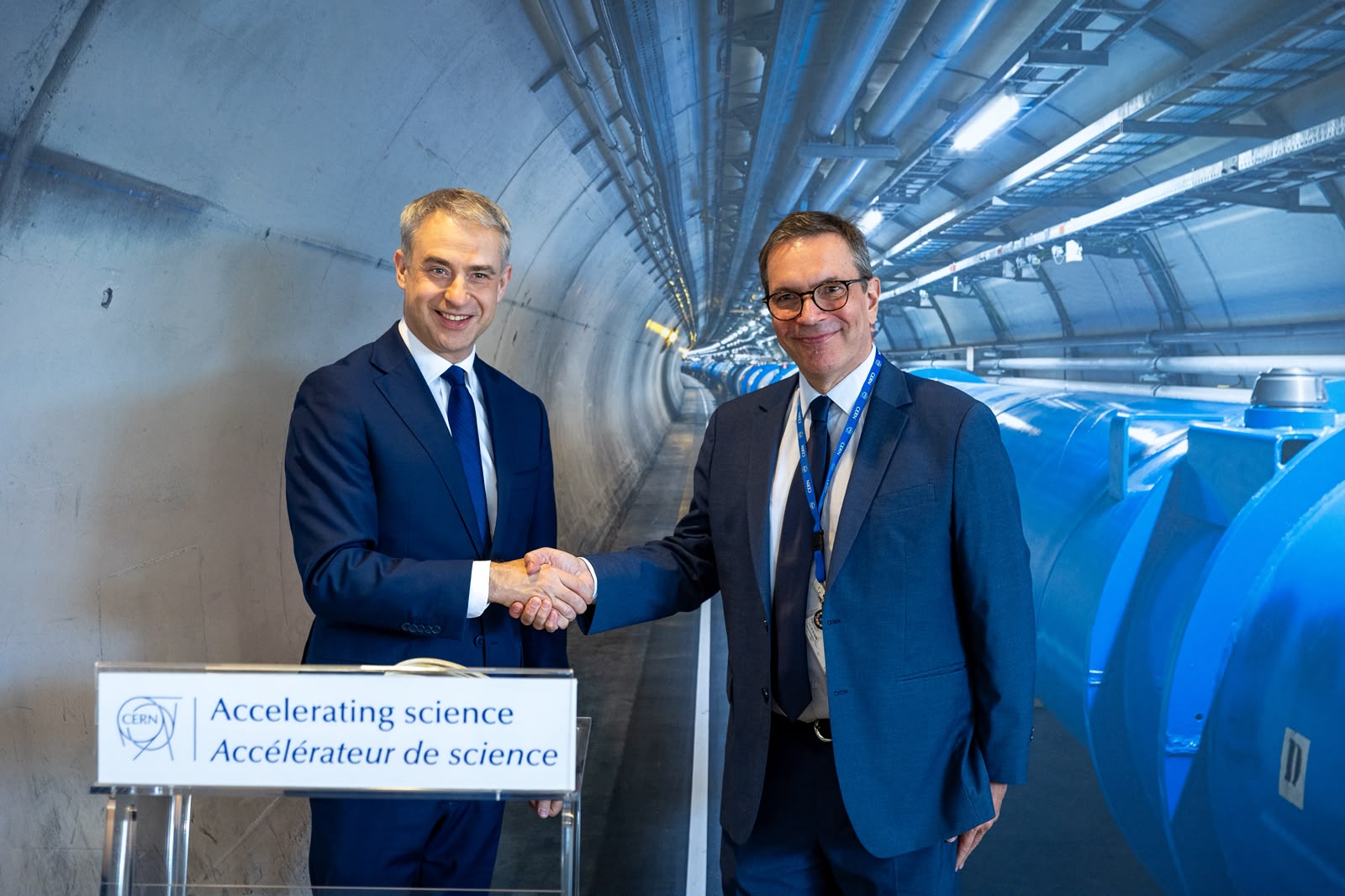
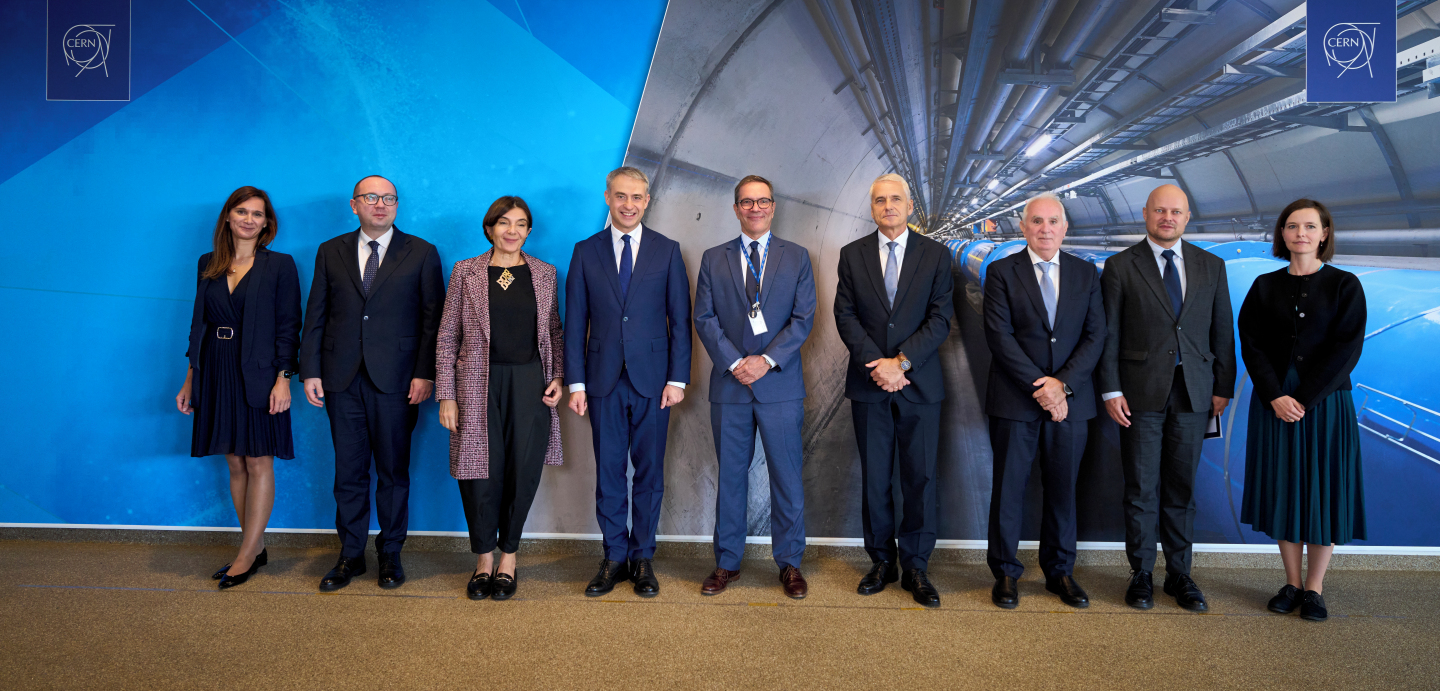
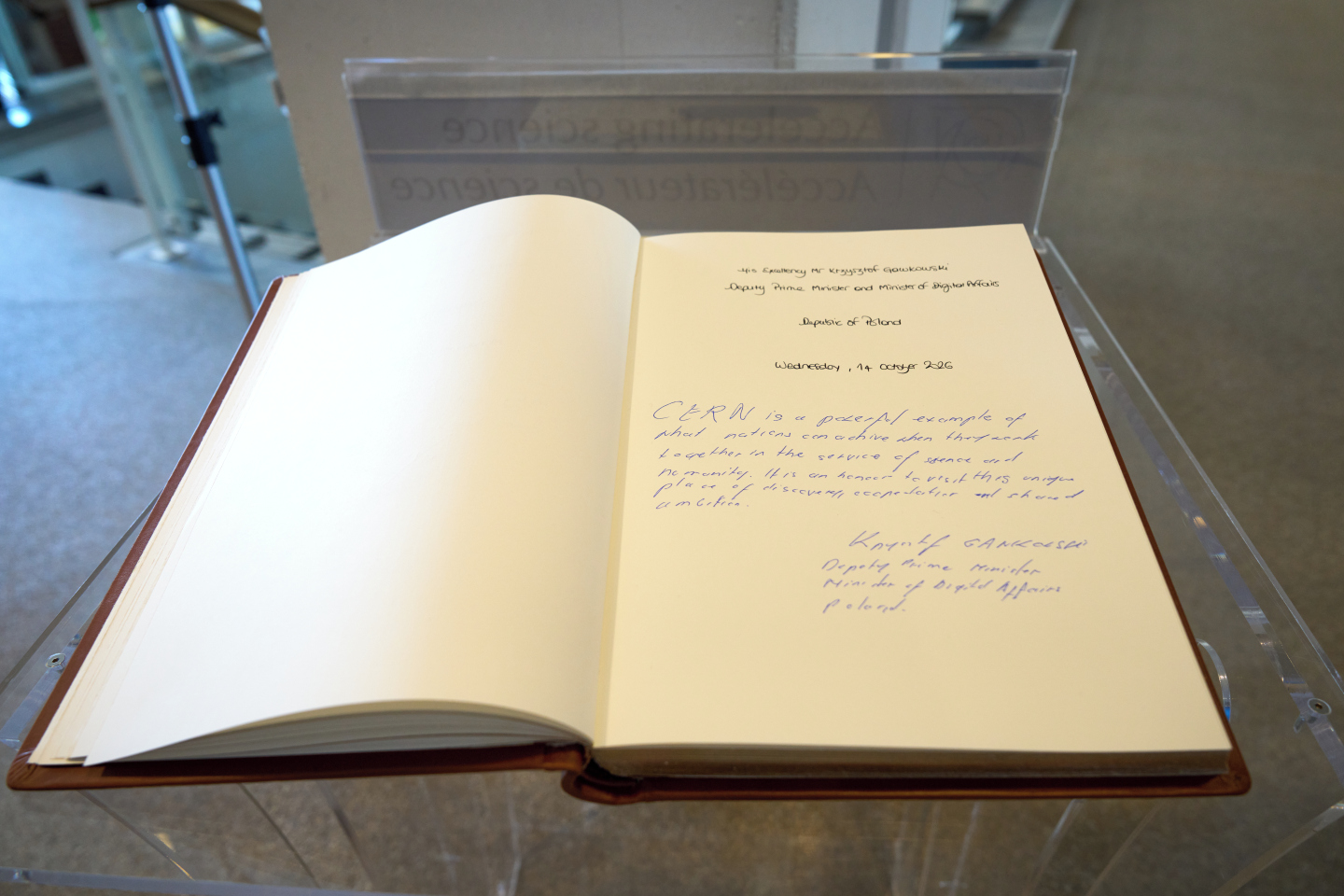
During a visit to the European Organization for Nuclear Research (CERN), the delegation met with representatives of the Organization's management, visited the LHCb detector at the Large Hadron Collider and met with representatives of the Polish scientific community at CERN.
GESDA (Geneva Science and Diplomacy Anticipator) is a Geneva-based initiative that aims to bring together science, diplomacy and public policy to prepare societies and policymakers for scientific and technological breakthroughs. GESDA analyses potential breakthroughs over a 5, 10 and 25-year horizon, m.in in the areas of artificial intelligence, quantum technologies, neurotechnology, synthetic biology, health and space research.
The European Organization for Nuclear Research - CERN (Organisation Européene pour la Recherche Nucléaire) is a research and scientific center located on the border of Switzerland and France. Currently, twenty-five countries belong to the organization. Poland gained the status of a full member in 1991.
Photos: courtesy of Ministry of Digital Affairs and CERN.