Visit of the Polish Lebanese Parliamentary Friendship Group to Beirut
05.06.2026
From 1st to the 4th of June 2026, a delegation of the Polish Lebanese Parliamentary Friendship Group paid a visit to Beirut. The programme included meetings with representatives of the Lebanese authorities, international and non governmental organisations, as well as inspections of projects implemented under the Polish Aid programme.

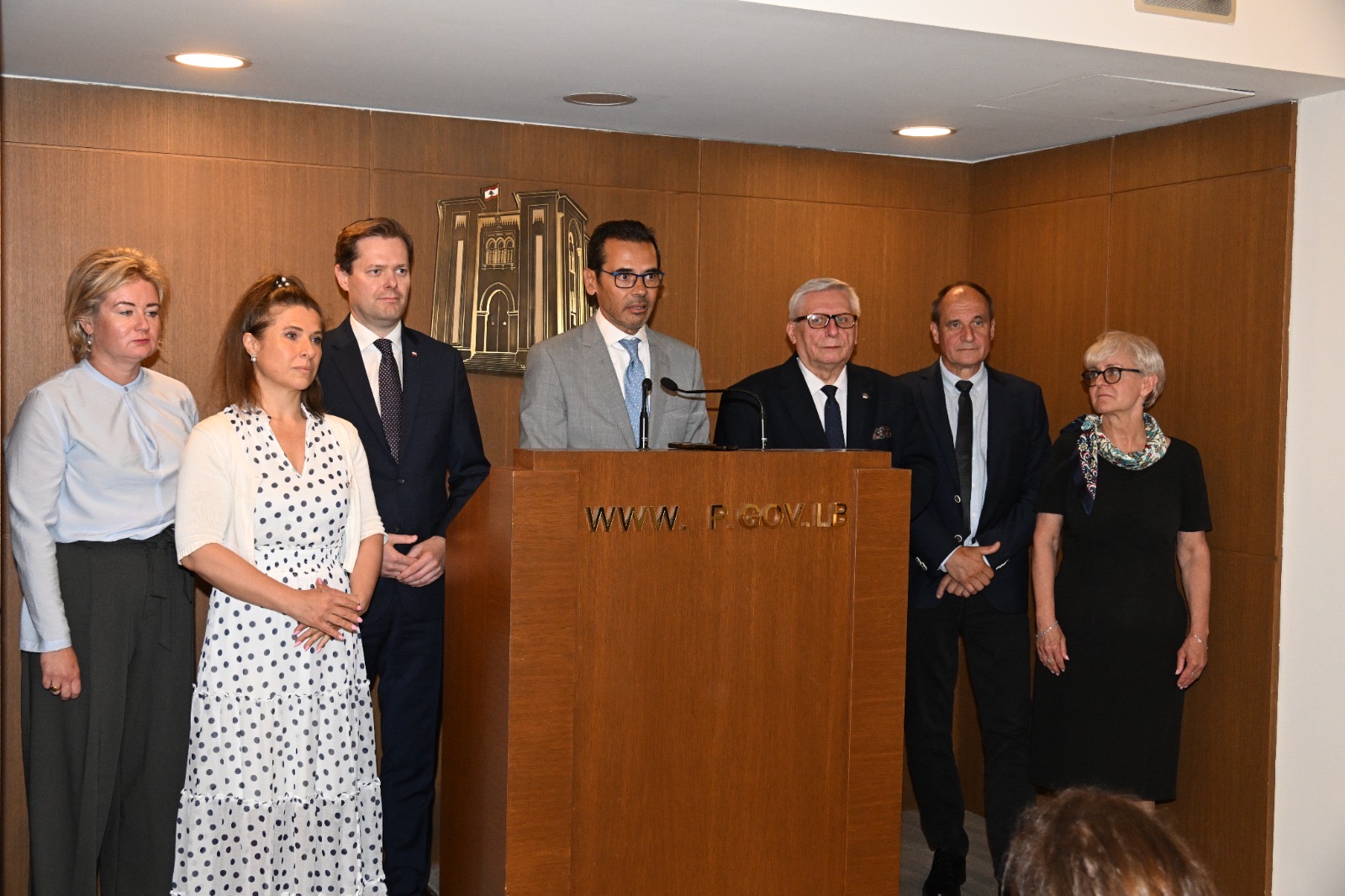
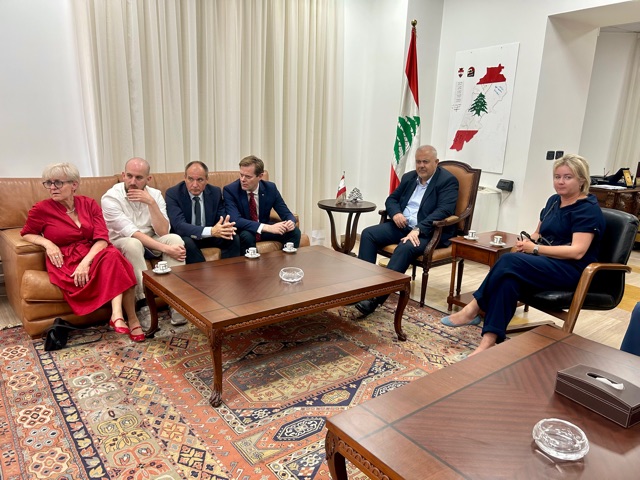
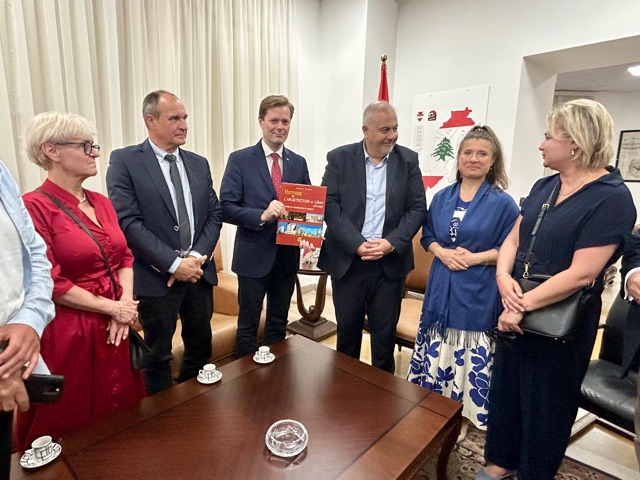
The delegation held talks with members of the Lebanese Parliament, including Dr Fadi Alame, Chairman of the Foreign Affairs Committee. The meetings focused on the current political and social situation in Lebanon, regional challenges, and prospects for developing Polish‑Lebanese cooperation. The delegation also met with the local authorities of Beirut, including the Governor of Beirut, Mr Marwan Abboud. Discussions covered the possibility of establishing city partnerships, support for Lebanese civil defence and firefighters, and the delivery of assistance to vulnerable and displaced persons through humanitarian foundations. Representatives of the Parliamentary Group also met with political actors, including the Christian Democratic Party.
A key element of the visit was highlighting the importance of the humanitarian aid delivered by the Government of the Republic of Poland to Lebanon by the Antonov aircraft on 27th – 29th May, as well as reviewing the results of projects supported by the Polish Aid programme. The delegation visited a camp for displaced persons in the town of Biel, where—together with the Wolne Miejsce Foundation—they distributed Children’s Day packages to local kids. During the meetings, participants emphasised the importance of humanitarian support for communities affected by crises and conflict.
As part of development activities, the delegation took part in handing over equipment to the Lebanese Civil Defence, including specialised firefighting suits for local rescue units. The support was provided under a project financed by Polish Aid as a small grant of the Embassy of the Republic of Poland. The parliamentarians also reviewed health‑sector projects in the Aley region, visiting the Popular Aid Clinic in Sawfar, where a modern ultrasound machine was delivered to improve access to primary healthcare.
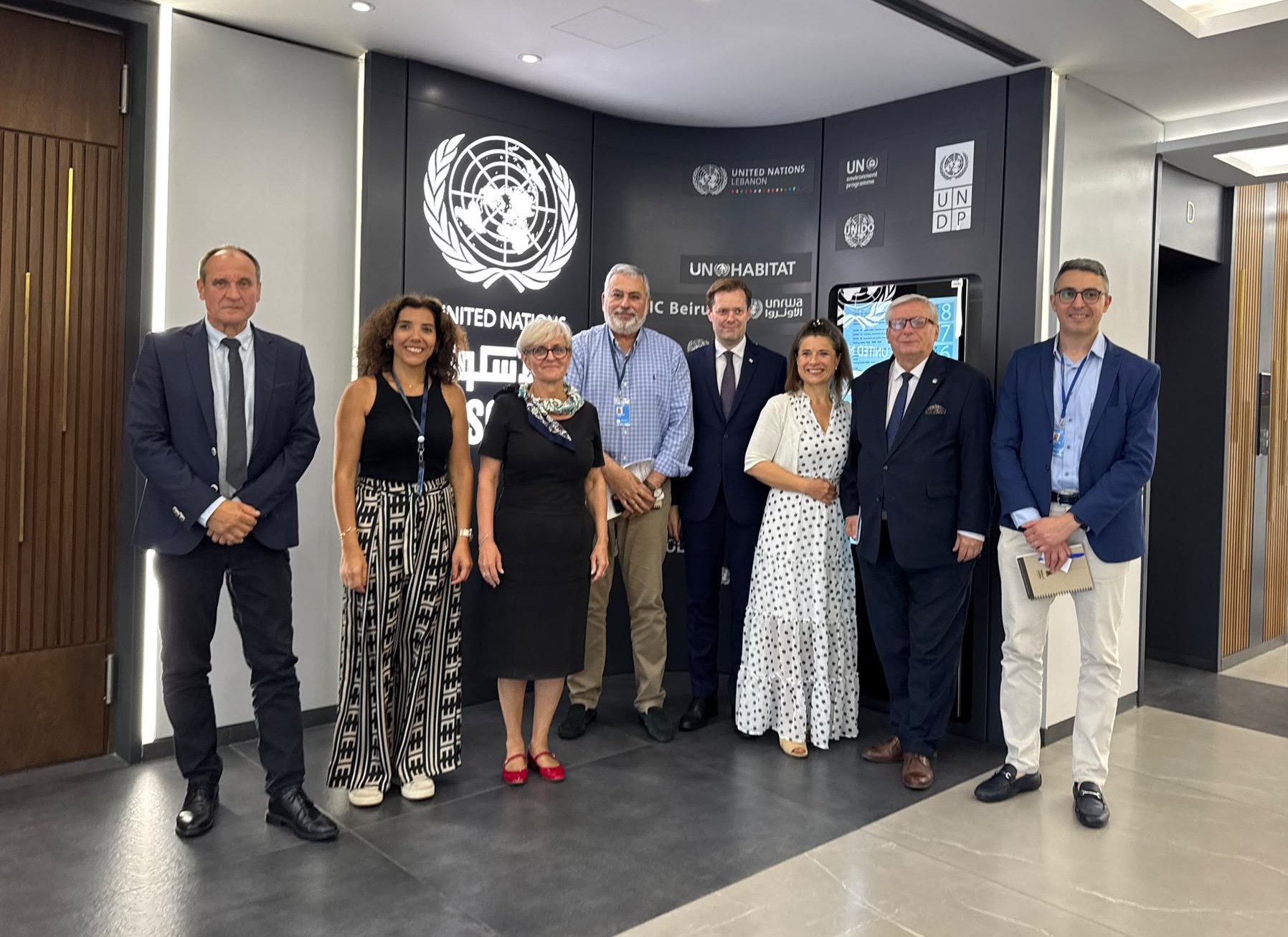
The visit also included meetings with representatives of the United Nations—specifically UN‑OCHA and UN‑Habitat—focused on the humanitarian situation, challenges related to assisting displaced persons, and the reconstruction of local communities. The delegation also visited the Port of Beirut to learn about its reconstruction process and the functioning of infrastructure of strategic importance to Lebanon’s economy.
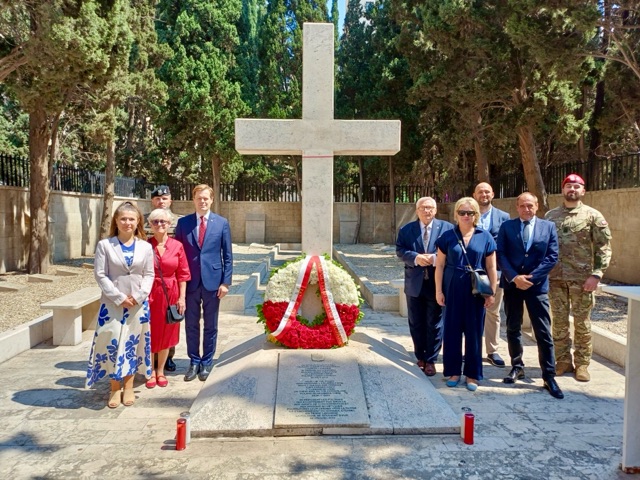
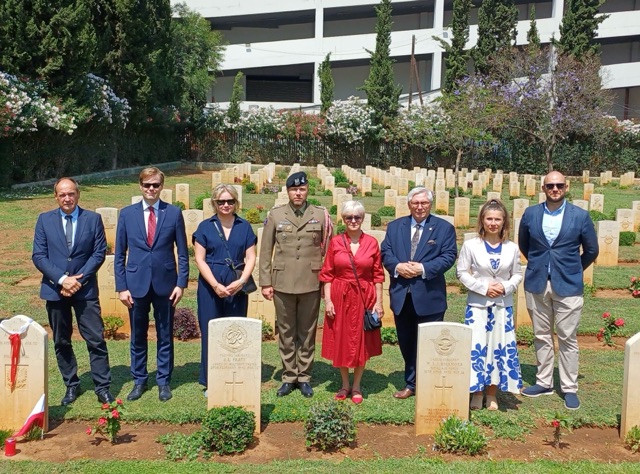
An important part of the programme was a visit to the Polish Military Cemetery in Beirut, providing an opportunity to honour Polish soldiers and commemorate their service. The delegation also held a videoconference with representatives of the Polish UNIFIL Military Contingent, during which they discussed the current tasks carried out by Polish soldiers and the security situation in the region.
The cultural component of the visit included a trip to Byblos, one of the oldest cities in the world. There, the delegation met with representatives of the Fenicja Foundation, discussing the protection of cultural heritage and the development of local social initiatives. At the end of the visit, the delegation participated in a humanitarian action carried out jointly with the Wolne Miejsce Foundation in the Byblos area. Delegates helped prepare meals for communities displaced from southern Lebanon, demonstrating solidarity and support for people affected by conflict and humanitarian crises. Throughout the visit, the importance of Poland’s continued engagement in development, humanitarian, and stabilisation efforts in Lebanon was emphasised.
During all meetings, issues related to Polish support for Lebanon were widely discussed. The Lebanese side repeatedly stressed the need to further strengthen cooperation in the field of civil protection and crisis response. Representatives of local authorities and social organisations also underlined the importance of developing municipal cooperation between Poland and Lebanon. They pointed to the need to build lasting relationships between partner cities, which could serve as a platform for cooperation in culture, education, urban management, and local development—potentially laying the groundwork for future economic relations.