Ambassador Karolina Ostrzyniewska's visit to Gotland
13.11.2026
Promoting Polish culture and innovation, discussing Baltic Sea security and civil defence, and visiting sites of remembrance of particular significance to Poland were among the highlights of the visit of Poland's Ambassador to Sweden, Karolina Ostrzyniewska, to Gotland on 5-6 November 2026.

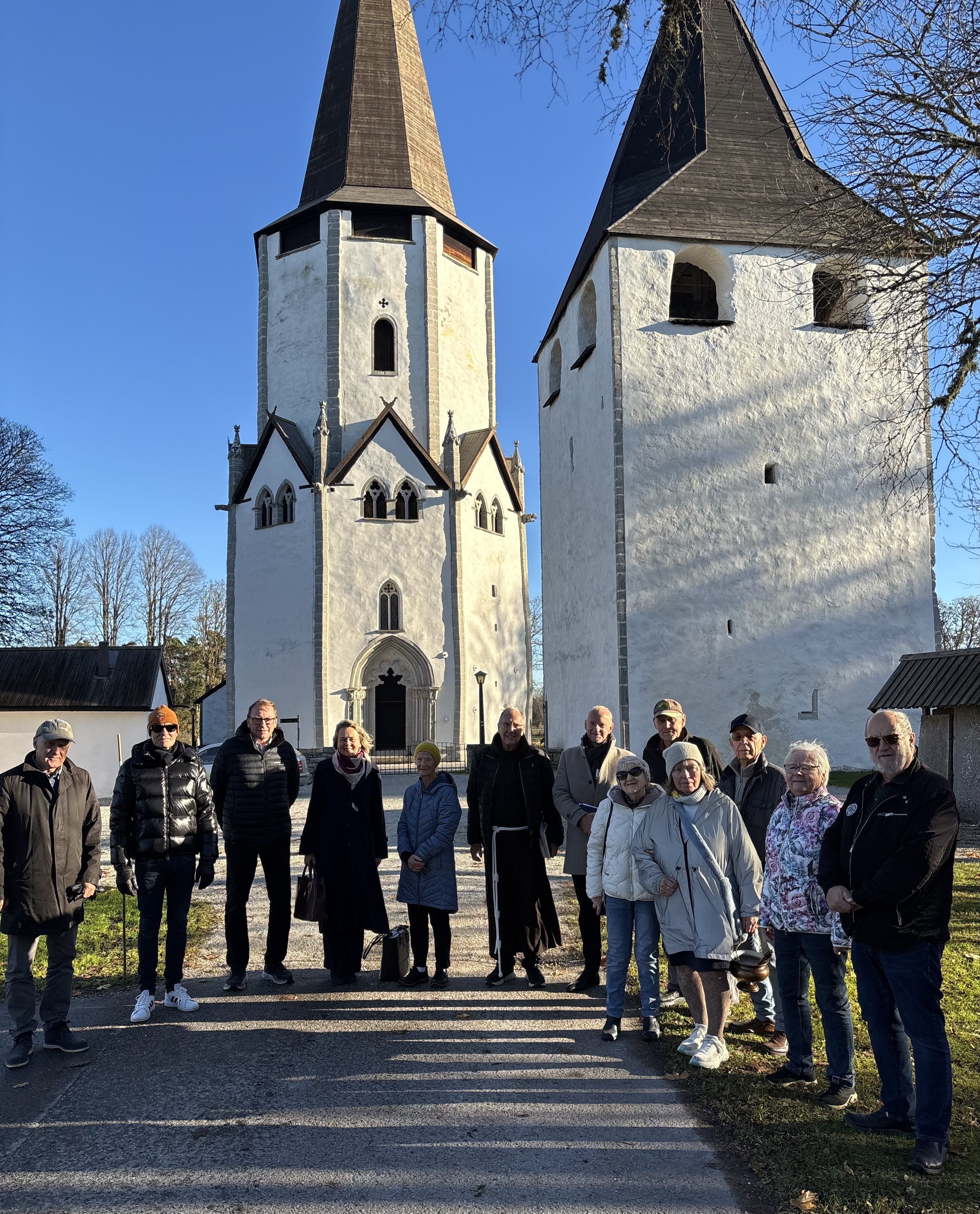
At the invitation and initiative of Maciej Onoszko, Chairman of the Swedish-Polish Association on Gotland, Ambassador Ostrzyniewska visited the war cemetery and Polish graves in Lärbro on the first day of her visit, accompanied by representatives of the Catholic Church and the Church of Sweden, as well as members of the Association. The war graves section contains 45 graves of former prisoners of German Nazi concentration camps, including Poles, who were brought to Sweden for medical treatment following their liberation but, despite the care they received, died in the local hospital. During a gathering held as part of the visit, journalist Clary Winberg shared the stories of those buried at the cemetery and spoke about her work to reconstruct their lives. The programme also included a tour of the Lärbro War Hospital Museum, which documents the assistance provided by Swedes to victims of the war.
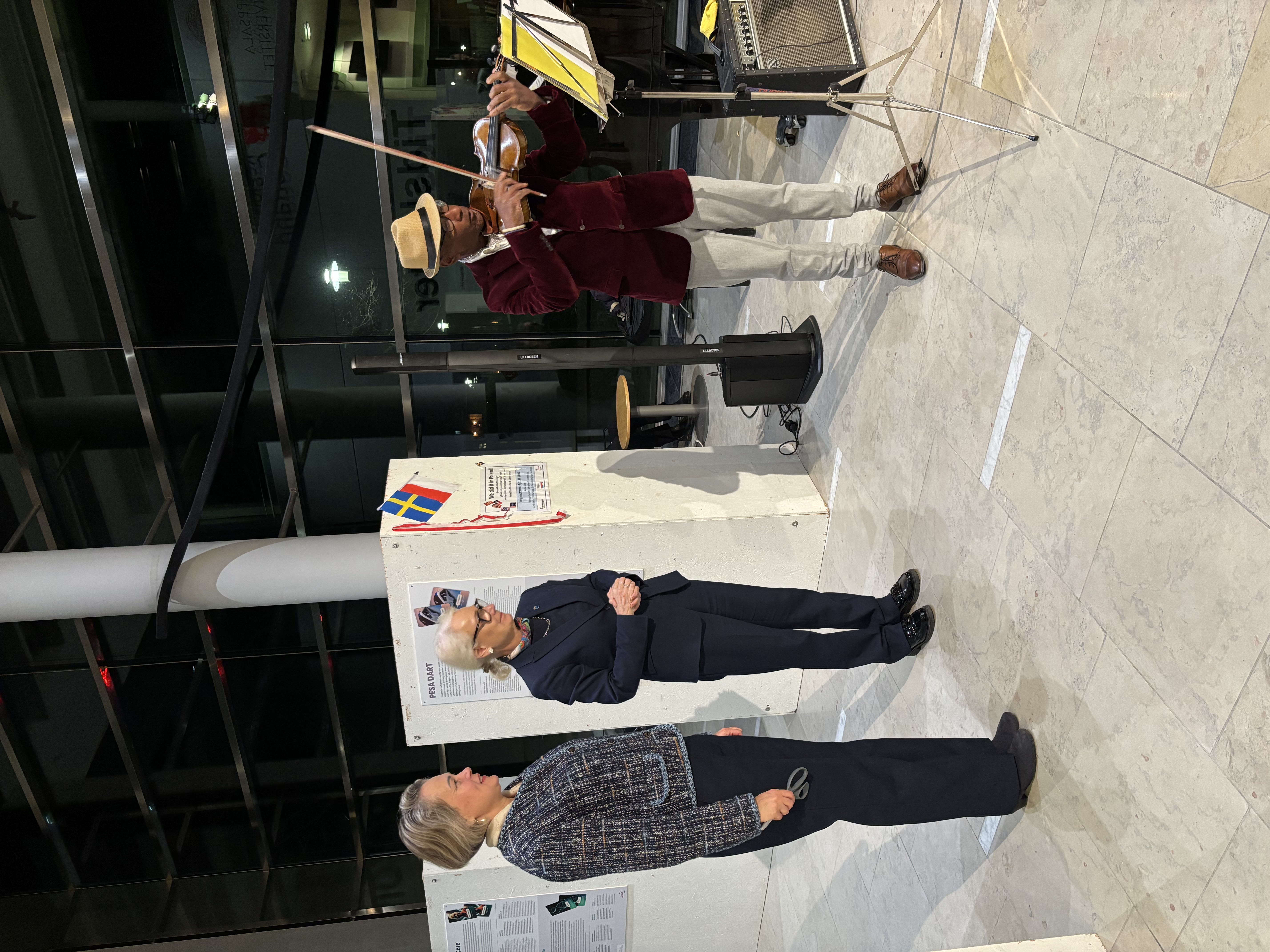
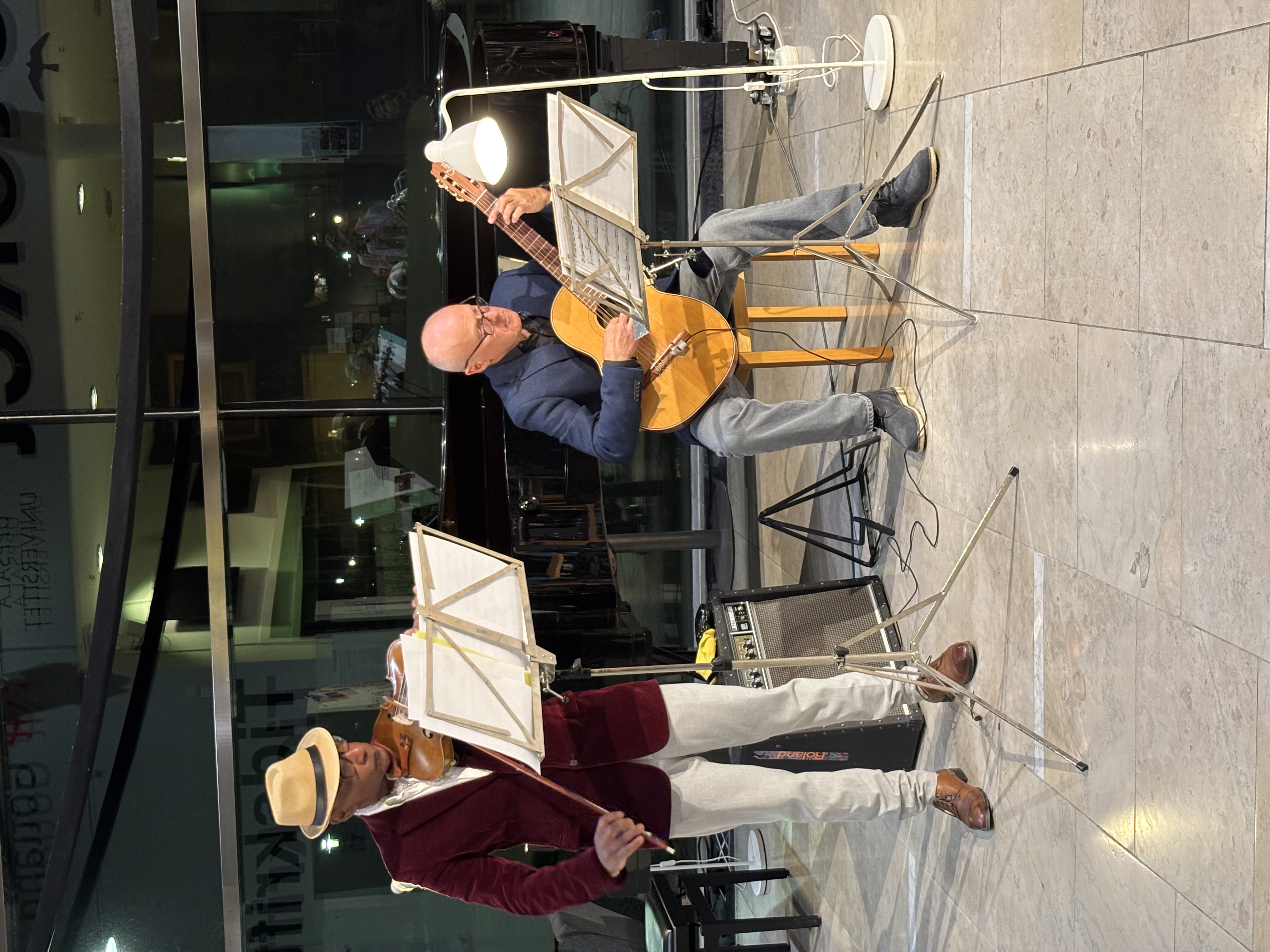
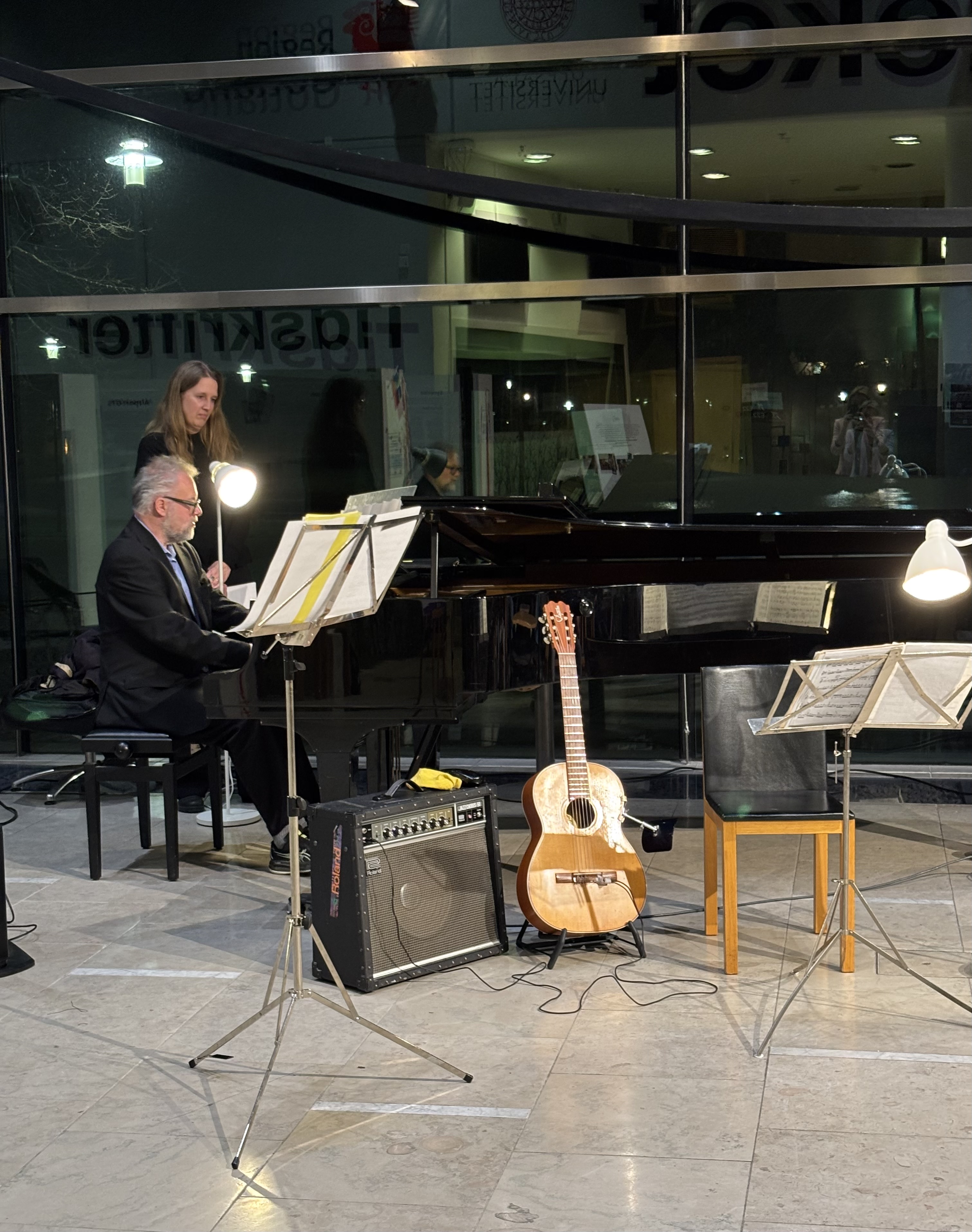
In the evening, a public event organised by the Swedish-Polish Association on Gotland took place at Almedalen Library in Visby. Ambassador Karolina Ostrzyniewska and the Governor of Gotland, Charlotte Petri Gornitzka, officially opened the exhibition “We did it in Poland”, showcasing contemporary Polish achievements and innovations. The event featured a concert of Polish music—and more—performed by local artists.
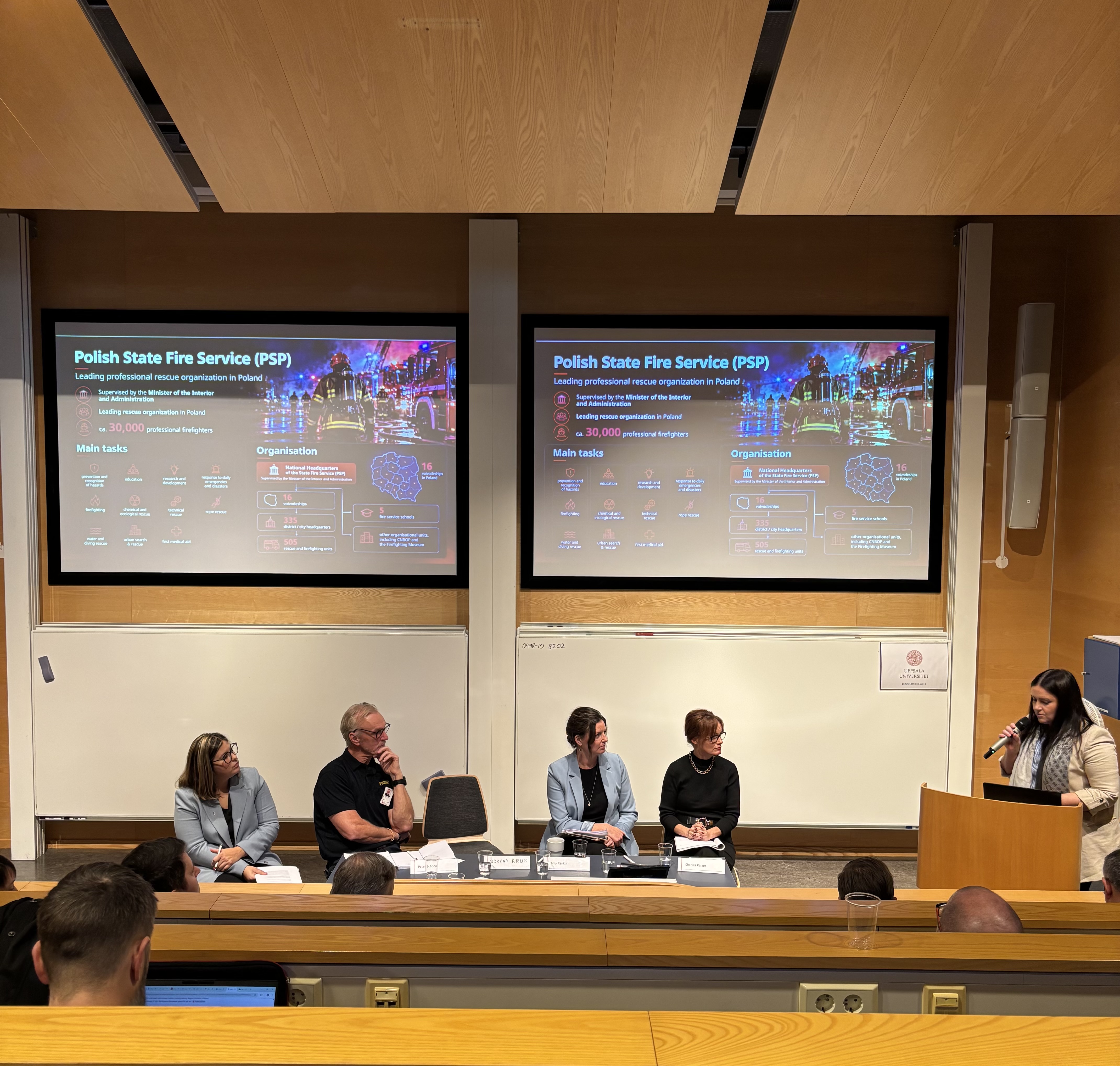
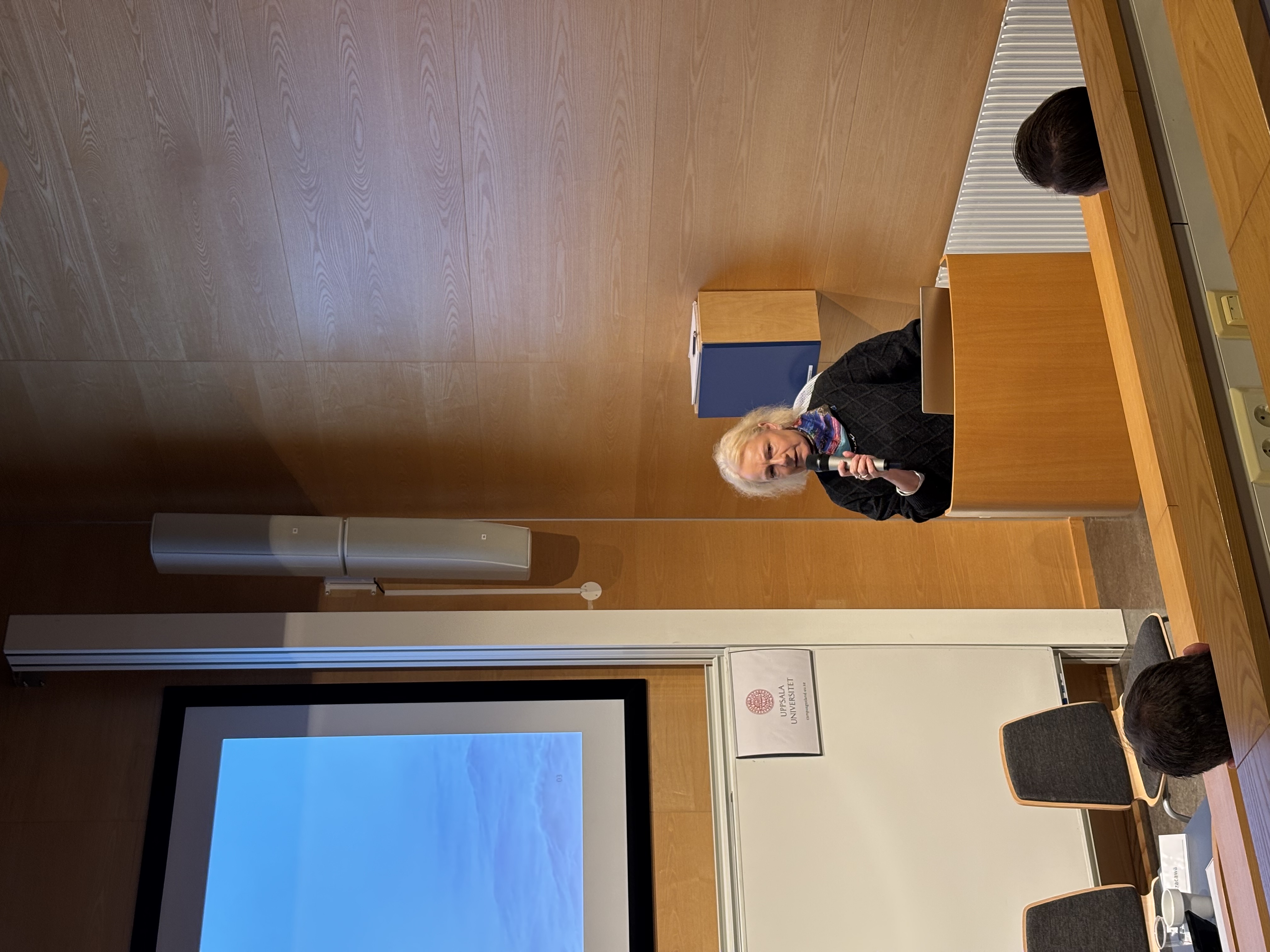
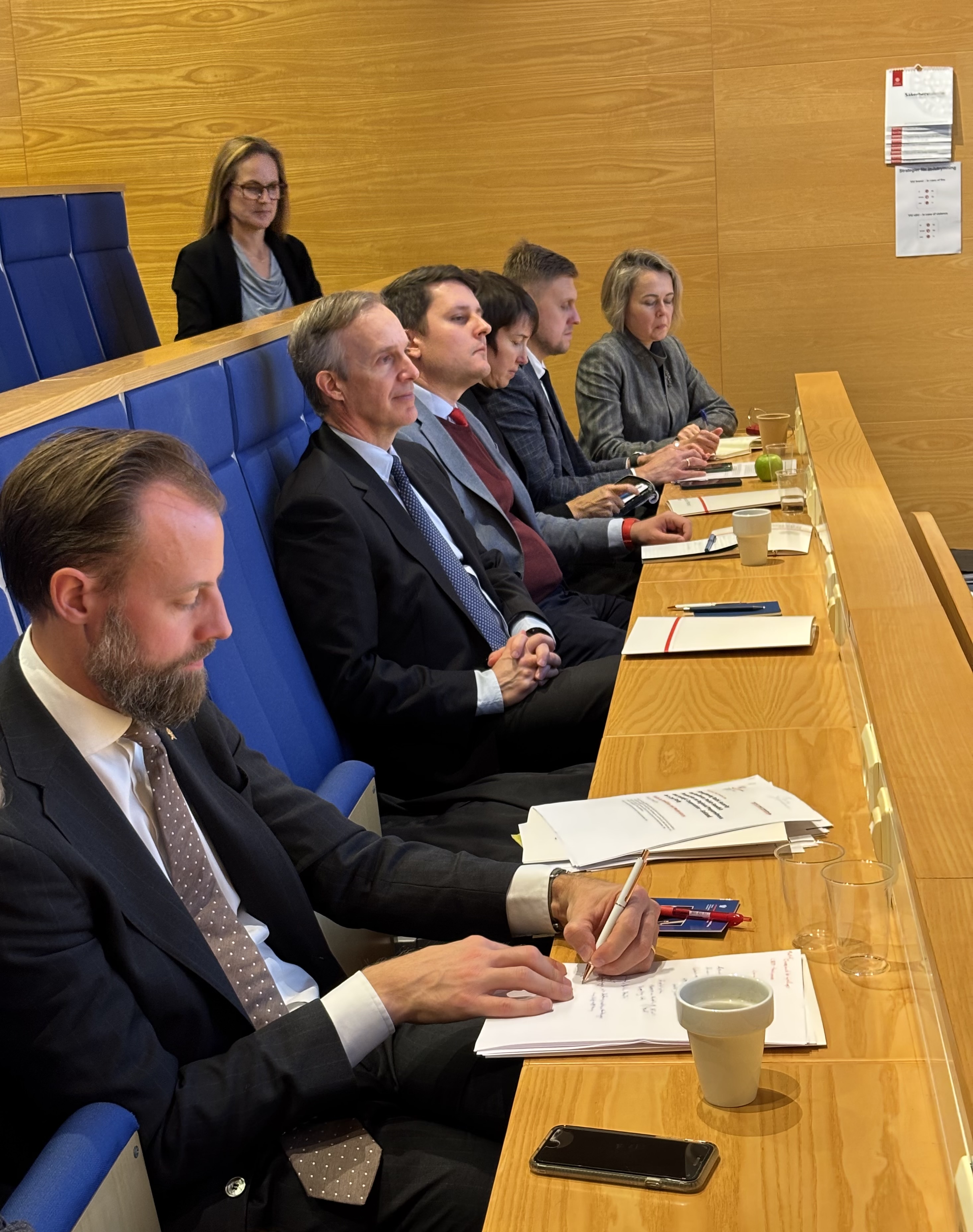
On 6 November 2026, Uppsala University’s Campus Gotland in Visby hosted a closed expert seminar entitled “Strengthening Baltic Security and Resilience: Polish-Swedish Perspectives on Regional Preparedness and Strategic Cooperation – Gotland as a Case Study”, co-organised by the Embassy of the Republic of Poland in Stockholm and the Institute of Central Europe in Lublin. Ambassador Karolina Ostrzyniewska, Governor Charlotte Petri Gornitzka and Dr Grzegorz Gil, Director of the Institute of Central Europe, opened the seminar and took part in the proceedings.
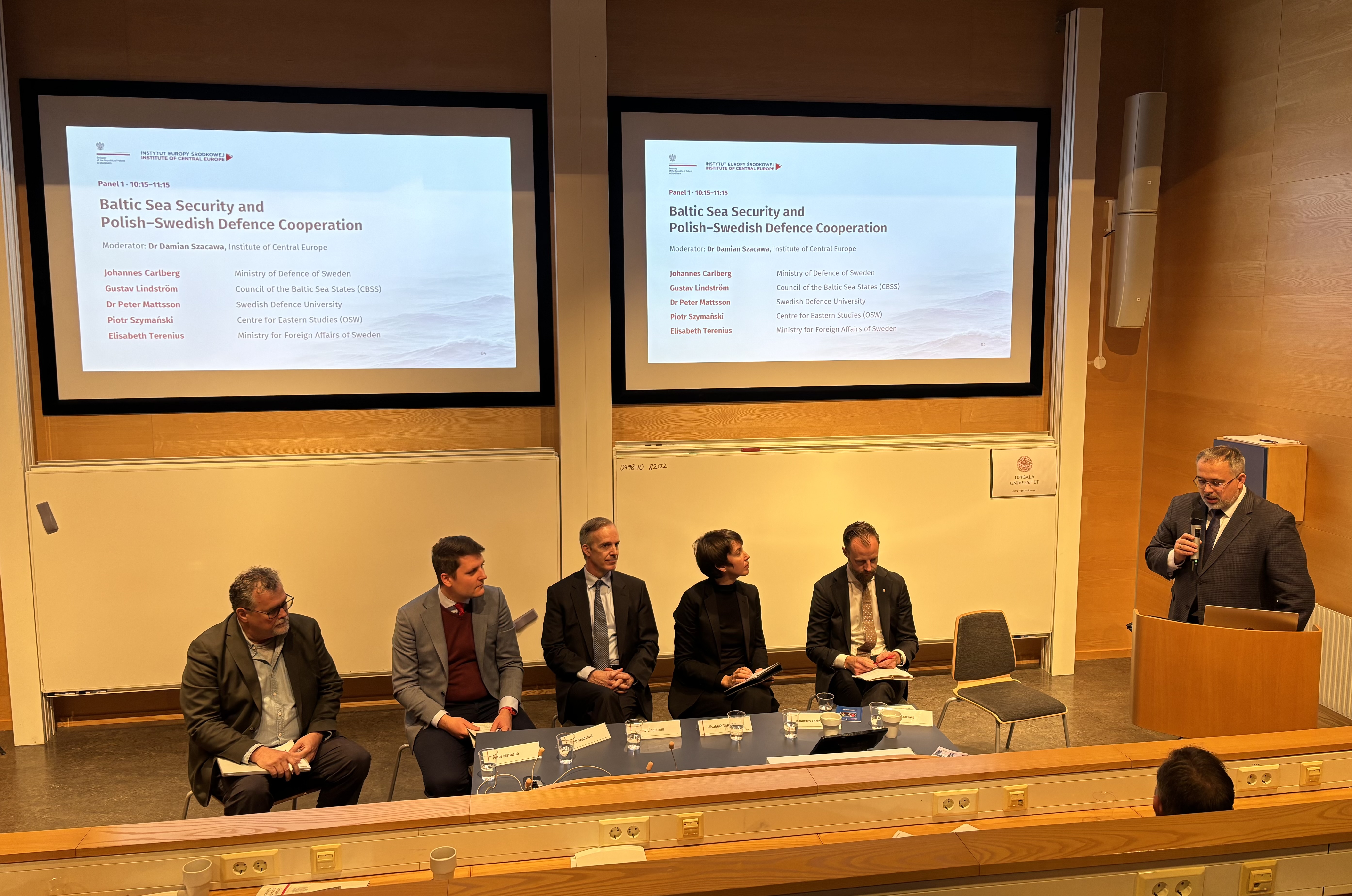
The first panel focused on Baltic Sea security and Polish-Swedish defence cooperation. Discussions addressed the impact of Russia’s aggression against Ukraine and Sweden’s and Finland’s accession to NATO on the regional security environment, as well as maritime route security, hybrid threats and opportunities for joint defence initiatives by Poland and Sweden. Participants included representatives of the Swedish Ministries of Defence and Foreign Affairs, the Swedish Defence University and the Centre for Eastern Studies in Warsaw, as well as the Director General of the Secretariat of the Council of the Baltic Sea States. The discussion was moderated by Dr Damian Szacawa of the Institute of Central Europe in Lublin.
The second panel explored civil preparedness and societal resilience, with Poland and Gotland sharing their experiences in preparing for crises. Moderated by Professor Charles Parker of Uppsala University, the discussion brought together representatives of the Headquarters of Poland’s State Fire Service, the Gotland County Administrative Board, Region Gotland’s rescue services, the Swedish Civil Defence Agency and Resilient Community AB.
The visit also included a tour of the Swedish National Heritage Board’s office in Visby.
Warm thank you to the Swedish-Polish Association on Gotland for the invitation, commitment and support in organising the visit, the Institute of Central Europe in Lublin for co-organising the seminar, and Governor Charlotte Petri Gornitzka for her participation and special contribution to both events.
Photos (11)
 Display photo 2 in the gallery.
 Display photo 3 in the gallery.
 Display photo 4 in the gallery.
 Display photo 5 in the gallery.
 Display photo 6 in the gallery.
 Display photo 7 in the gallery.
 Display photo 8 in the gallery.
 Display photo 9 in the gallery.
 Display photo 10 in the gallery.
 Display photo 11 in the gallery.