AGRIFISH Council on the future of the CAP, the situation on the markets and the availability of fertilisers
29.09.2026
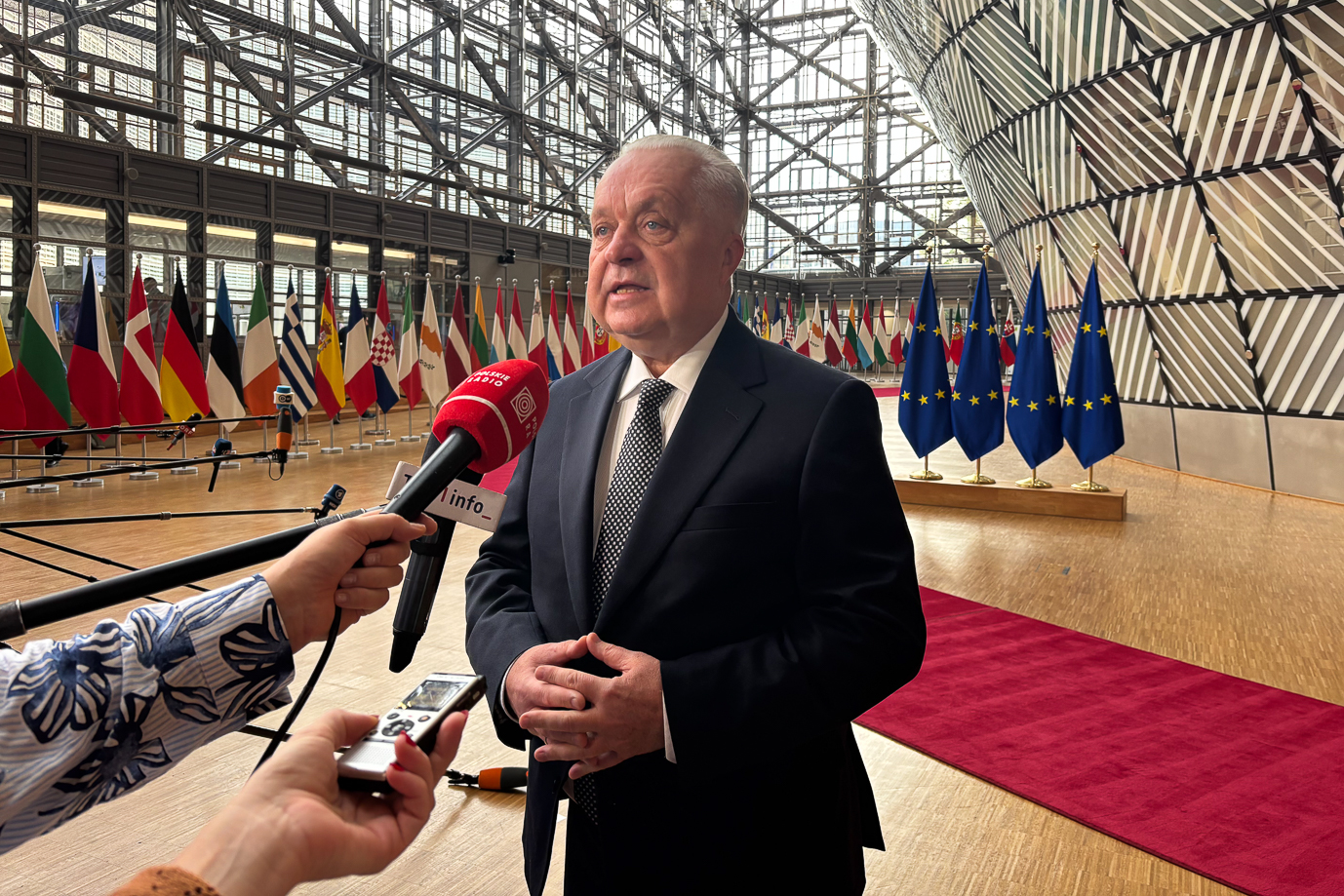
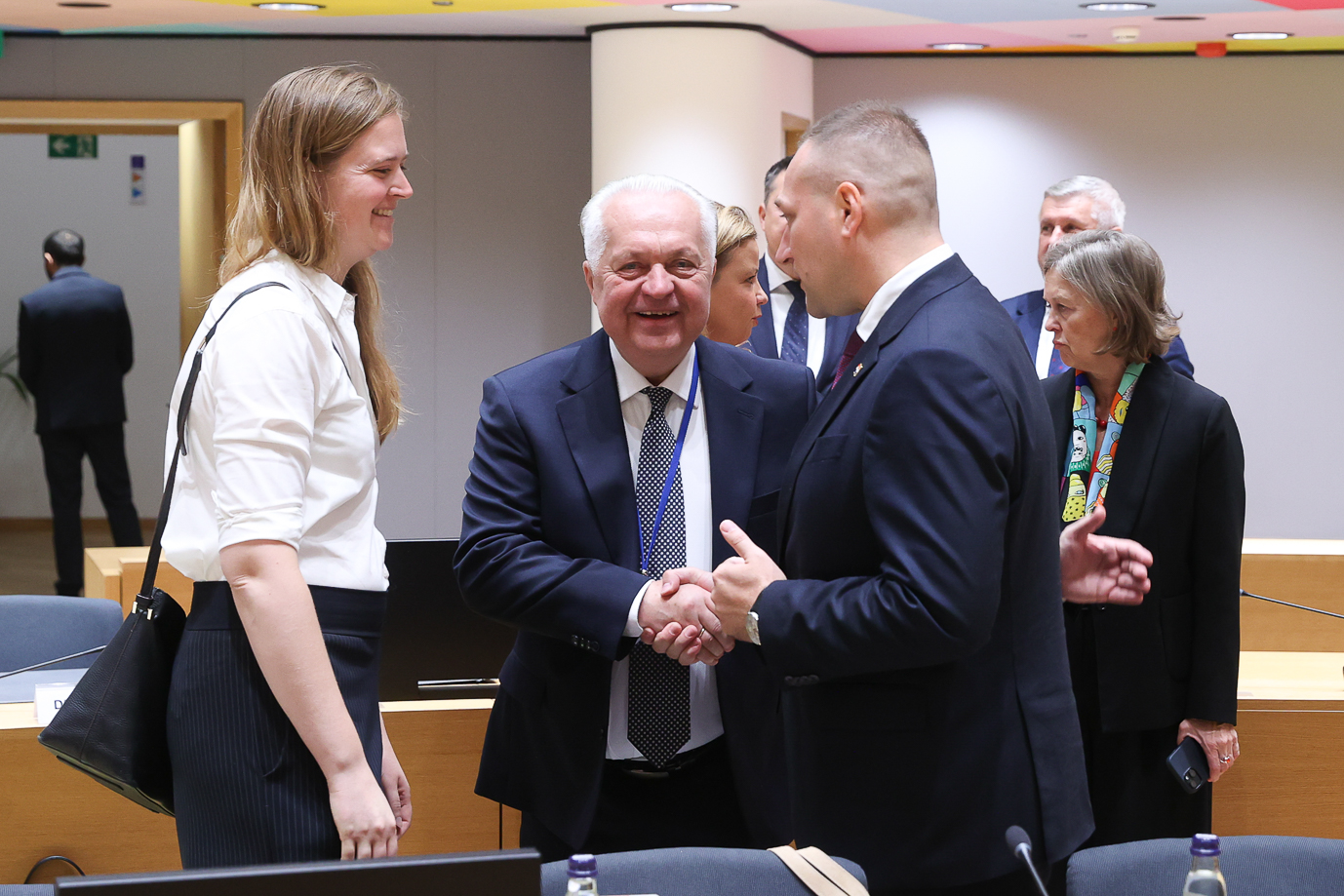
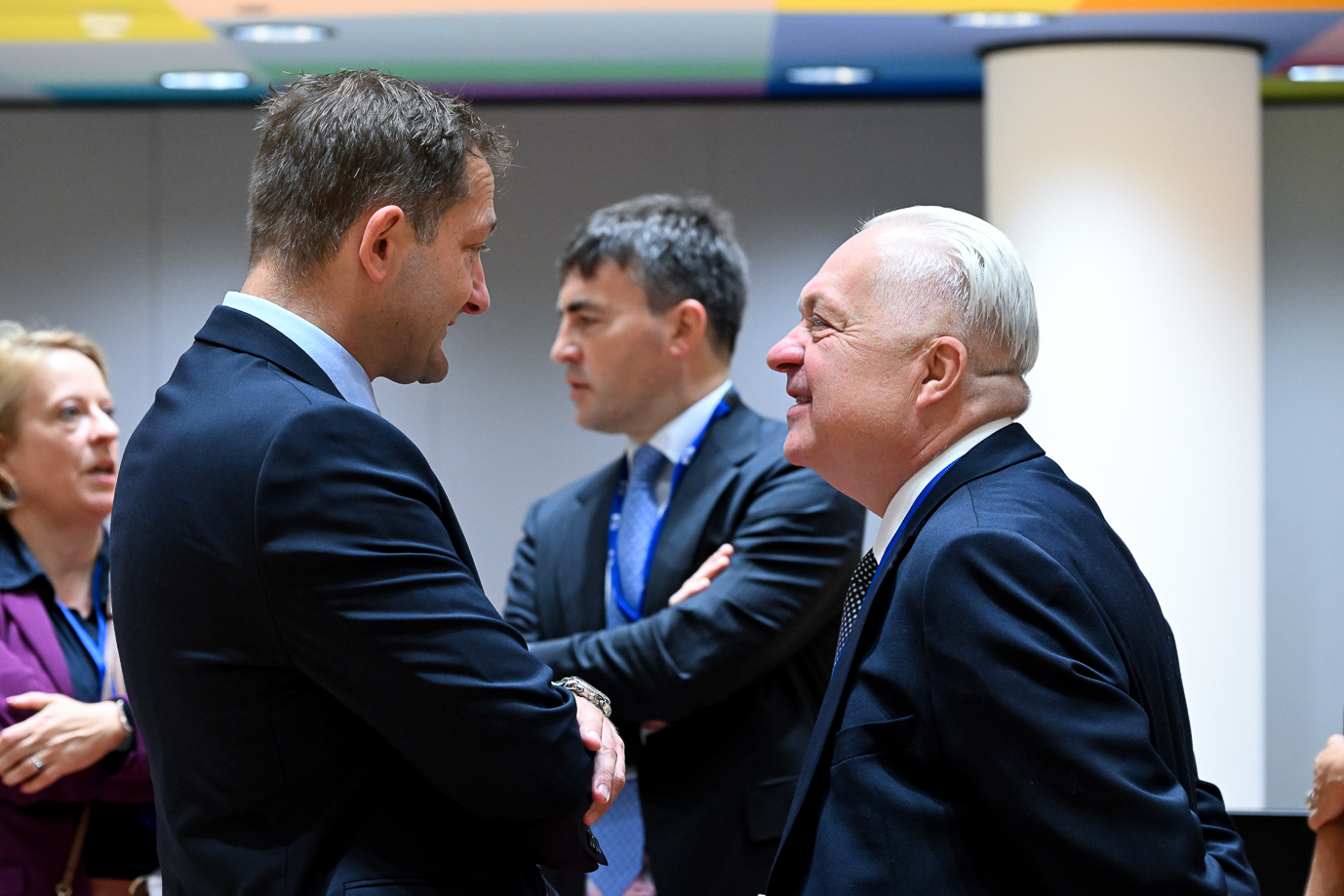
The future of the Common Agricultural Policy, the situation on agricultural markets and the availability of fertilisers were the major topics of the first day of the EU Agriculture and Fisheries Council in Brussels. Poland was represented by Deputy Minister Jacek Czerniak. Poland supported, among others, greater flexibility of the future CAP and wider possibilities of supporting farmers in crisis situations.

– The discussion on the future Common Agricultural Policy concerns the conditions under which European farmers will function for the coming years. Therefore, it is important that the solutions developed take into account the diversity of agriculture in the individual Member States – said Secretary of State Jacek Czerniak.
The future of the CAP
In the discussion on the Common Agricultural Policy post-2027, Poland advocated solutions allowing the Member States to better adapt the support to national specific nature of agriculture.
The Polish demands included, among others, increasing the maximum support for producer groups and organisations from EUR 100 thousand to 300 thousand, voluntary use of certain instruments and maintaining the obligation to apply the definition of an active farmer. Poland also pointed to the need to protect the CAP agricultural budget from financing large processing with its use.
Poland also endorsed the possibility of continuing transitional national assistance post-2027. This instrument allows the Member States to support sectors that are particularly sensitive and important for individual regions.
Cost pressure and falling prices
An important topic of the talks was the situation on agricultural markets. Poland pointed to the deteriorating relationship between the costs of production and prices obtained by farmers. In the last half of the year, the prices of agricultural inputs on the domestic market were rising, on average, by more than 1% per month, while the purchase prices of agricultural products were falling.
The particularly difficult situation applied to four markets: sugar, pork, beef and milk. The purchase price of cattle was lower by about 16% than the year before and the purchase price of milk this July – by 23%. The situation of producers was also affected by the consequences of drought, including lower yields of fodder crops and limited grazing opportunities.
In view of the consequences of drought in many Member States, Poland supported an increase in the agricultural reserve and greater flexibility in the use of CAP instruments and state aid.
Security of fertiliser supplies
During the working lunch, the Ministers talked about the measures aimed at ensuring the availability of fertilisers in the long term. Poland highlighted the need to support the development and competitiveness of EU producers of fertilisers and to ensure stable supplies of raw materials as well as to reduce dependence on the import from regions with high geopolitical risk.
– The availability of fertilisers should be treated as an element of the security of the state, so should energy or food – stressed Secretary of State Jacek Czerniak.
Poland also supported the wider use of processed natural fertilisers, including RENURE, i.e. fertilisers produced from processed manure and slurry, which could replace some mineral fertilisers. Poland also pointed to the need to invest in precision agriculture and the digitisation of farms, among others, in the use of drones and satellite data, which allows to use fertilisers in the more efficient manner.
In view of the rise in the prices of mineral fertilisers and the forecast further rises in spring 2027, Poland also stressed the need to increase funds to support farmers and extend the period of providing that support.