AGRIFISH in Brussels: simplifications of the CAP and control system
23.02.2026
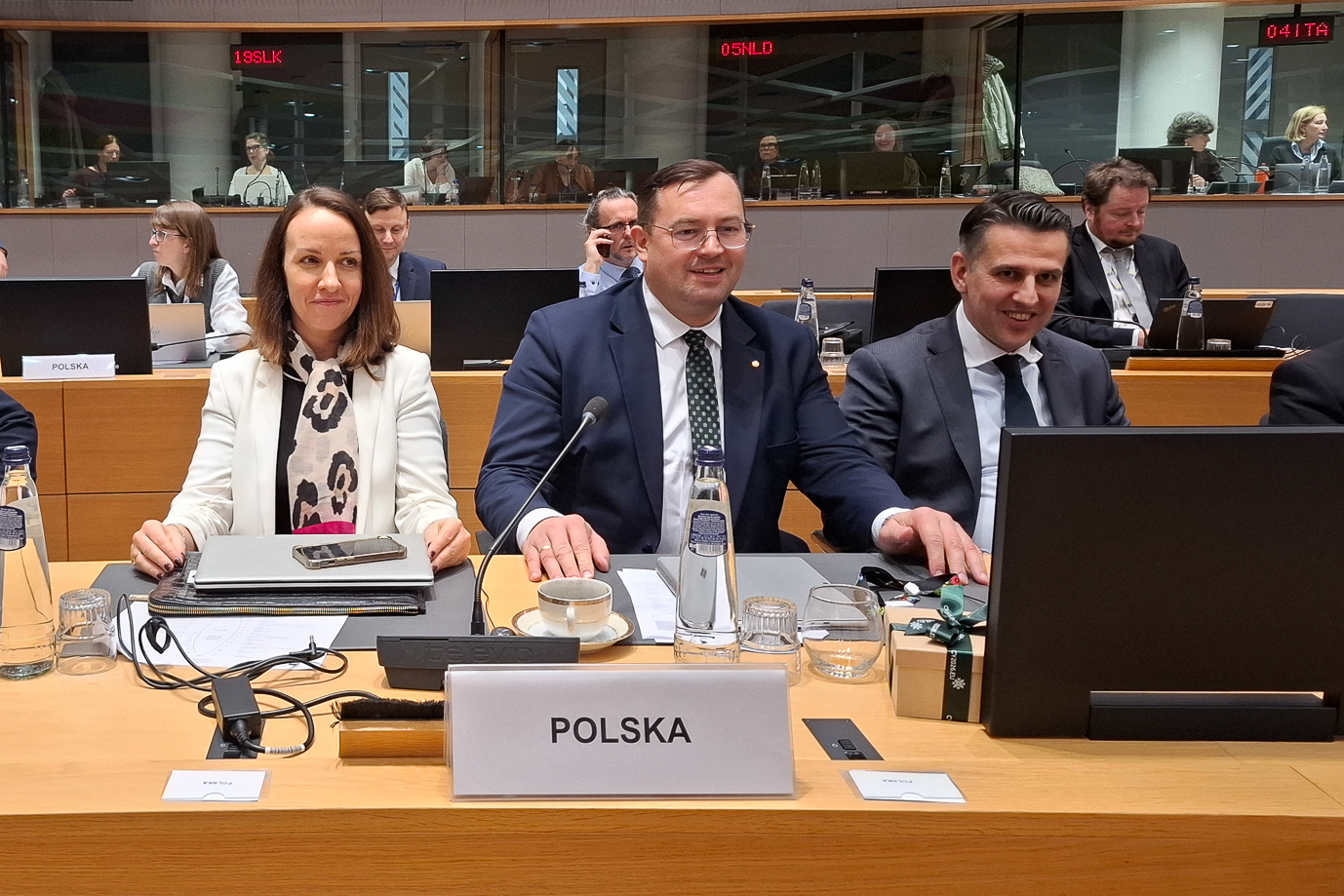
Simplifications of the Common Agricultural Policy as well as control and audit principles were among the major topics of the EU Agriculture and Fisheries Council (AGRIFISH) session in Brussels. Poland supported the wide-ranging initiative of the Member States on the CAP control system, indicating the need for a more proportionate and risk-based approach to audit.

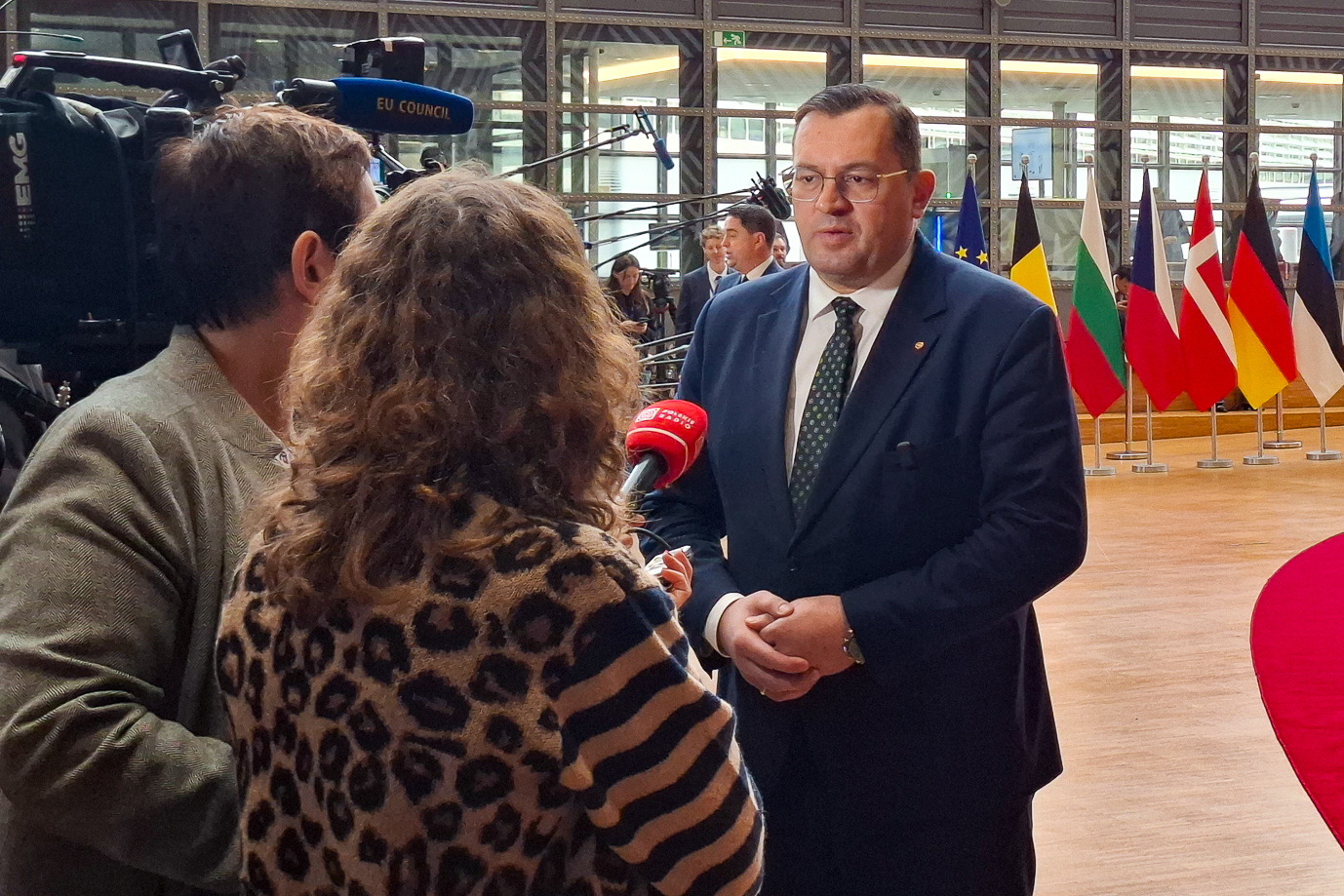
– We need a system that is both effective and rational. Controls must protect EU funds but they must not lead to excessive administrative burdens or uncertainty on the part of farmers – stressed Minister Stefan Krajewski.
The issue of the functioning of the CAP control system was one of the most frequently raised topics of discussions between the Ministers of Agriculture.
CAP controls: more proportionality is required
One of the most important topics of the AGRIFISH meeting was the discussion on the functioning of the control system under the CAP Strategic Plans for the years 2023–2027. The Member States pointed to the practical experience of the first years of implementing a new policy model based on results and greater responsibility of national administrations.
Poland joined the wide-ranging initiative of the Member States, which highlight the need for a more proportionate approach to audits and controls and a better alignment of control activities to the real risk of irregularities.
– The control system should focus on the real risk to EU funds and not on individual, incidental deficiencies. Controls are necessary but they must be conducted in a rational and predictable manner – stressed Minister Stefan Krajewski.
The Minister emphasised that the first years of the new CAP rules had been a particularly demanding period for both farmers and administrations. The implementation of new digital tools, procedural changes and parallel environmental requirements involved additional organisational burdens.
From Poland’s perspective, it is essential that the control system supports the proper implementation of the Common Agricultural Policy and does not lead to increasing regulatory uncertainty or the risk of disproportionate financial corrections.
CAP post-2027: national recommendations and flexibility
During the orientation debate dedicated to the future of the Common Agricultural Policy, Poland presented its position on the role of national recommendations in the new CAP implementation model.
– The recommendations should identify the major challenges facing agriculture, however, they must not limit the Member States’ freedom to choose instruments. Agriculture in the European Union is diversified, thus the future CAP must maintain an appropriate level of flexibility – stressed Minister Stefan Krajewski.
Poland highlights that the national recommendations should be of a strategic and non-binding nature, providing a reference point for programming interventions, while taking into account the specific nature of national agricultural systems.
During the debate, Poland also supported the proposal to transfer some provisions to sectoral regulations. This solution is aimed at increasing the transparency and consistency of EU law and, as a consequence, facilitating its application by the administration and CAP beneficiaries.
Unfair trading practices: strengthening the protection of farmers
The Ministers of Agriculture discussed the European Commission report on the functioning of the Directive on unfair trading practices in the food supply chain. The discussion concerned the Member States’ experiences and potential directions for further amendments to the legislation.
– The review of the regulations is an important opportunity to clarify them and strengthen the protection of farmers. It is vital to limit situations in which disproportionate risks or costs are passed on to producers – indicated Minister Stefan Krajewski.
According to the European Commission’s data, in the years 2021–2024 more than 4.5 thousand investigations regarding infringements of the legislation on unfair trading practices were initiated in the European Union. Around one third of the completed proceedings confirmed irregularities and the total amount of fines imposed amounted to nearly EUR 42 million.
Poland points to the need to further strengthen mechanisms to enforce the legislation and to ensure fairer economic relations in the food supply chain.
Pork sector: market situation and position of Poland
During the EU Agriculture and Fisheries Council meeting, the situation on the pork market was also discussed. Poland supported the initiative of the Member States regarding the need to analyse the possibility of launching the exceptional measures provided for in the Regulation establishing a common organisation of the markets in agricultural products.
– The pork sector in many Member States remains under strong cost and market pressure. The prolonged period of low purchase prices and instability caused by epizootic factors require permanent monitoring and adequate response at the EU level – pointed out Minister Stefan Krajewski.
As early as last December, Minister Stefan Krajewski sent a letter to the EU Commissioner for Agriculture Christoph Hansen, in which he stressed that in recent months the difficult price situation had persisted in Poland. In November 2025, the purchase price of pigs stood at EUR 166.8 per 100 kg and was one of the lowest in the European Union. At the same time, those prices were by about 12.5% lower than the average of the corresponding period of 2020–2024. Concurrently, the commercial data confirm the continued price pressure on the market. In the period January–October 2025, the import of pork to Poland amounted to 579.8 thousand tonnes (+5.4% y/y), with a decrease in the value of import (-5.4% y/y).
Poland points out that the economic stability of the pork sector is very important for the balance of the entire agricultural market and the safety of animal production.
Plant protection products and Omnibus package
Poland submitted for debate a point under the AOB section concerning the European Commission’s proposal to include the sowing of treated seeds in the definition of the application of plant protection products. This proposal raises serious concerns and will result in imposing new burdens on farmers.
– I am requesting the European Commission not to modify the definition of the application of plant protection products. The proposed modifications must not lead to imposing new administrative obligations on farmers. Simplifications should actually reduce the burdens, not increase them – stressed the Minister.
Poland supported efforts to increase the availability of active substances and improve registration procedures.
Fisheries: protection of mackerel stocks
In the fisheries section, Poland supported efforts to maintain stable and sustainable rules for the management of mackerel stocks.
– The protection of fish stocks and respect for scientific advice remain vital for the long-term stability of the fisheries sector – stressed the Minister.
Talks in Brussels
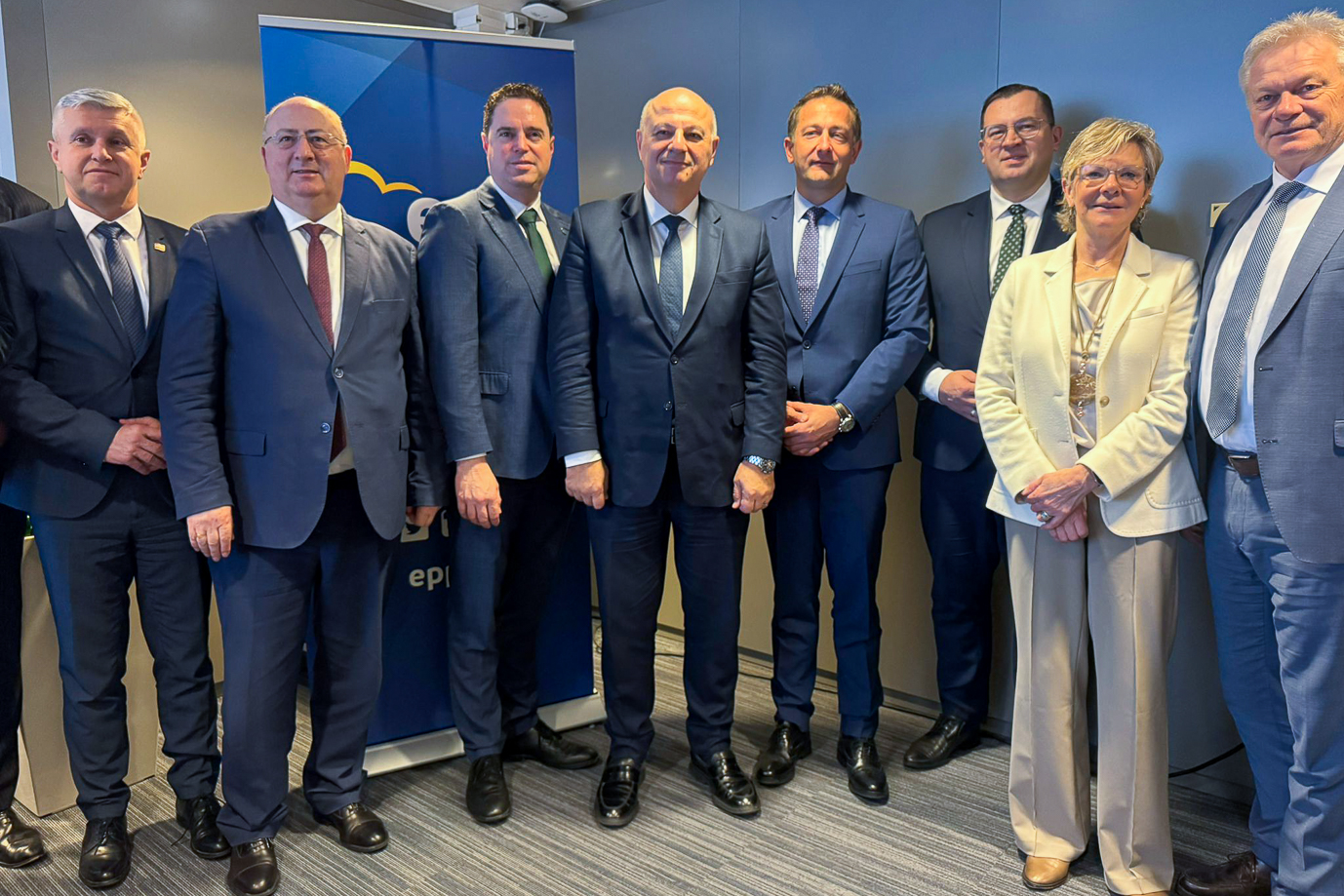
Minister Stefan Krajewski also attended the morning meeting of the Ministers of Agriculture of the APL countries, devoted to coordination of positions before the AGRIFISH debate.
Talks held in Brussels will be continued during the Tuesday meetings between the Minister, the EU Commissioner for Agriculture and Food Christoph Hansen and the Commissioner for Budget Piotr Serafin, during which the issues related to the future Common Agricultural Policy and budgetary conditions will be discussed, among others.