Minister Stefan Krajewski visited Jibal and the Tarmast farm. Polmlek develops sales on African markets
22.04.2026
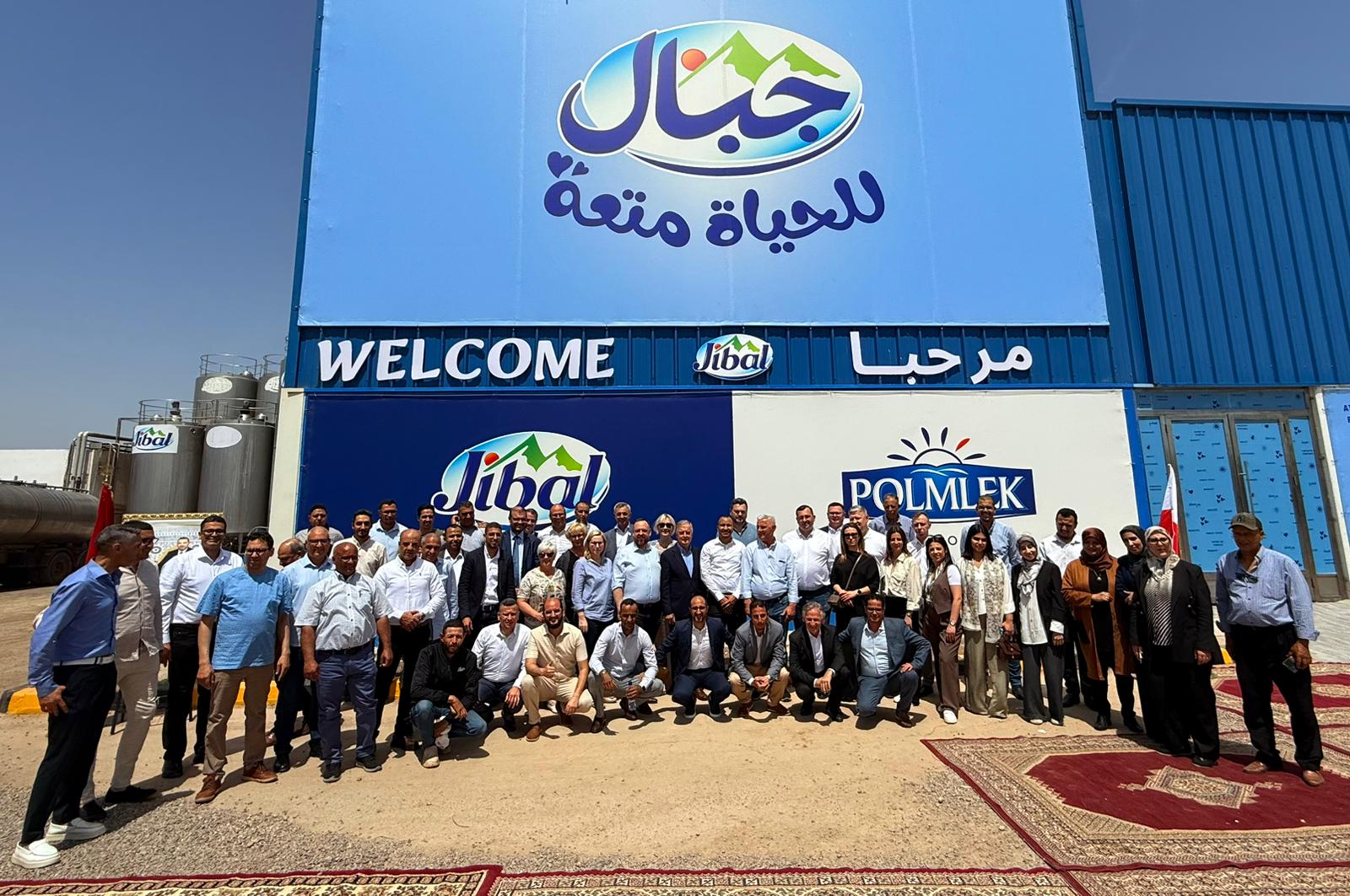
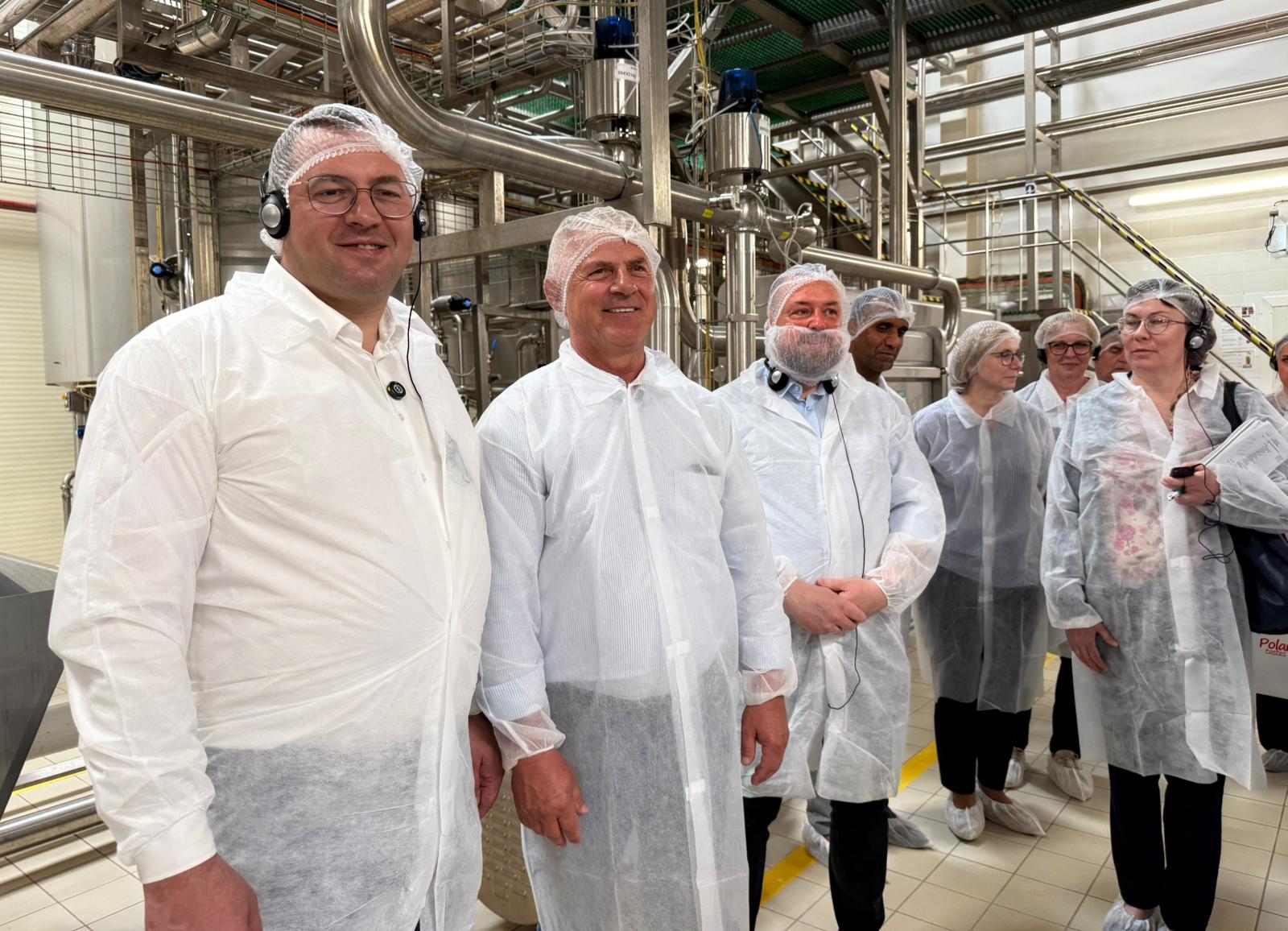
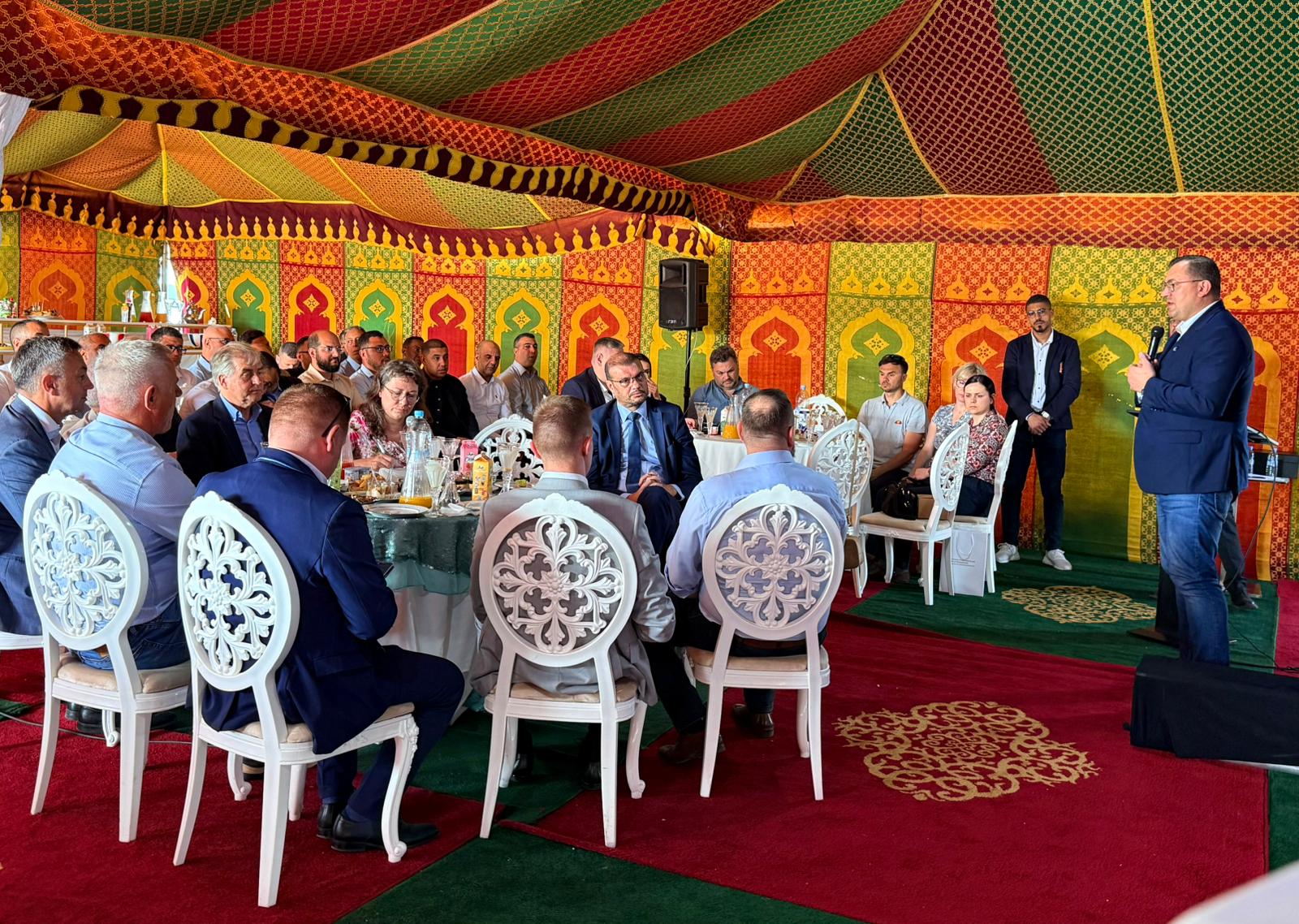
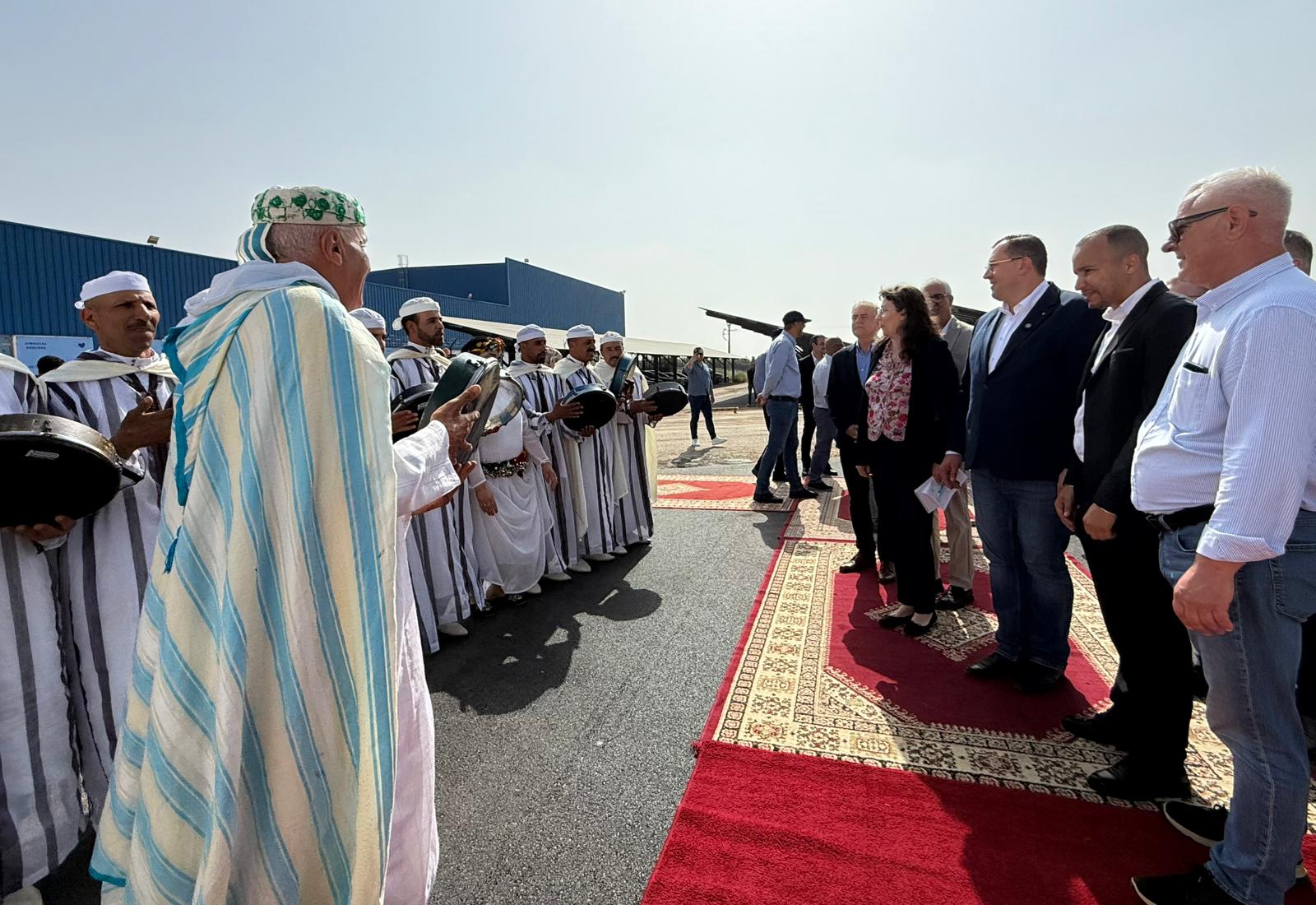
Polish companies can not only export to Africa but also successfully develop their production and sales there. An example is Jibal in Morocco, a company belonging to the Polmlek group - today, one of the most important players on the local dairy market. During his visit to Morocco, Minister Stefan Krajewski visited the Jibal plant, the cooperative delivering milk to the plant and the Tarmast farm. This is an example of cooperation, which translates into the real presence of Polish companies and growing export.

– We are opening up to Morocco, strengthening cooperation, lifting administrative barriers so that Polish farmers and processors could export their goods. Morocco can be our hub across Africa – stressed Minister Stefan Krajewski.
Jibal’s position on the market in Morocco
Jibal is part of the Polmlek Group, which acquired the Moroccan company Safilait in 2022. Today, the company is the third producer of milk in Morocco and one of the most important entities on this market. It employs about 1,500 people and develops its activities based on the local raw materials base and cooperation with milk suppliers.
The company produces, among others, fresh milk, UHT milk, yoghurts and other dairy products. It also develops an offer of convenient and functional products, responding to the growing demand of consumers for food adapted to the changing lifestyle.
This is an example of an investment that is not limited to export. From the beginning, the company has been developing its local activities – with the production, brand and organisation that allow to build a stable position on the market.
The company’s model of operation
The strength of Jibal is determined by the combination of local activities with the base of a large Polish group. The company benefits from a recognisable brand and market knowledge, while developing thanks to technology, experience and capital brought in by Polmlek.
In dairy activities, of key importance is access to and quality of raw materials. That is why the company develops its own base, including the Tarmast farm, where it keeps 700 cows, including 450 dairy cows, and cooperates with cooperatives delivering milk.
This model includes not only the production, but the whole chain – from raw materials to finished products and sales. Thanks to this, the company may expand its activities in a more stable and scalable manner.
Impact on the export from Poland
The investment in Morocco also translates into the sale of products made in Poland. Polish companies of Polmlek group send to Jibal, among others, hard cheese, milk powder and sachets with mousses and desserts.
At the same time, products made in Morocco are sold on other markets of the region. This means that the company’s activities supports both the export from Poland and the development of sales on third markets.
Morocco as an expansion destination
The importance of this investment goes beyond the Moroccan market itself. Jibal is used as a starting point for further sales in the region and on other African markets.
The products are already being sent to, among others, Mauritania, Ivory Coast, Senegal, Tunisia, United Arab Emirates and Qatar.
Morocco, as one of the largest and most stable markets in the region, is becoming a natural place to build such a presence on other markets.
Importance for the dairy sector
Jibal’s example shows that the presence on non-EU markets can support both investments and export.
For the Polish dairy sector, this is important since the domestic production exceeds the needs of the internal market. According to Statistics Poland data, in 2025 Poland produced about 15.9 billion litres of milk, and the export value of dairy products reached EUR 3.9 billion.
At the same time, the European market is becoming more competitive and less predictable, which increases the importance of new sales destinations. In this context, the development of the presence on markets such as Morocco and, more broadly, Africa is becoming one of the key elements of the industry’s further growth.