Rural areas at the heart of European agriculture - the future of the CAP after 2027 at the centre of debate in Brussels
03.03.2026
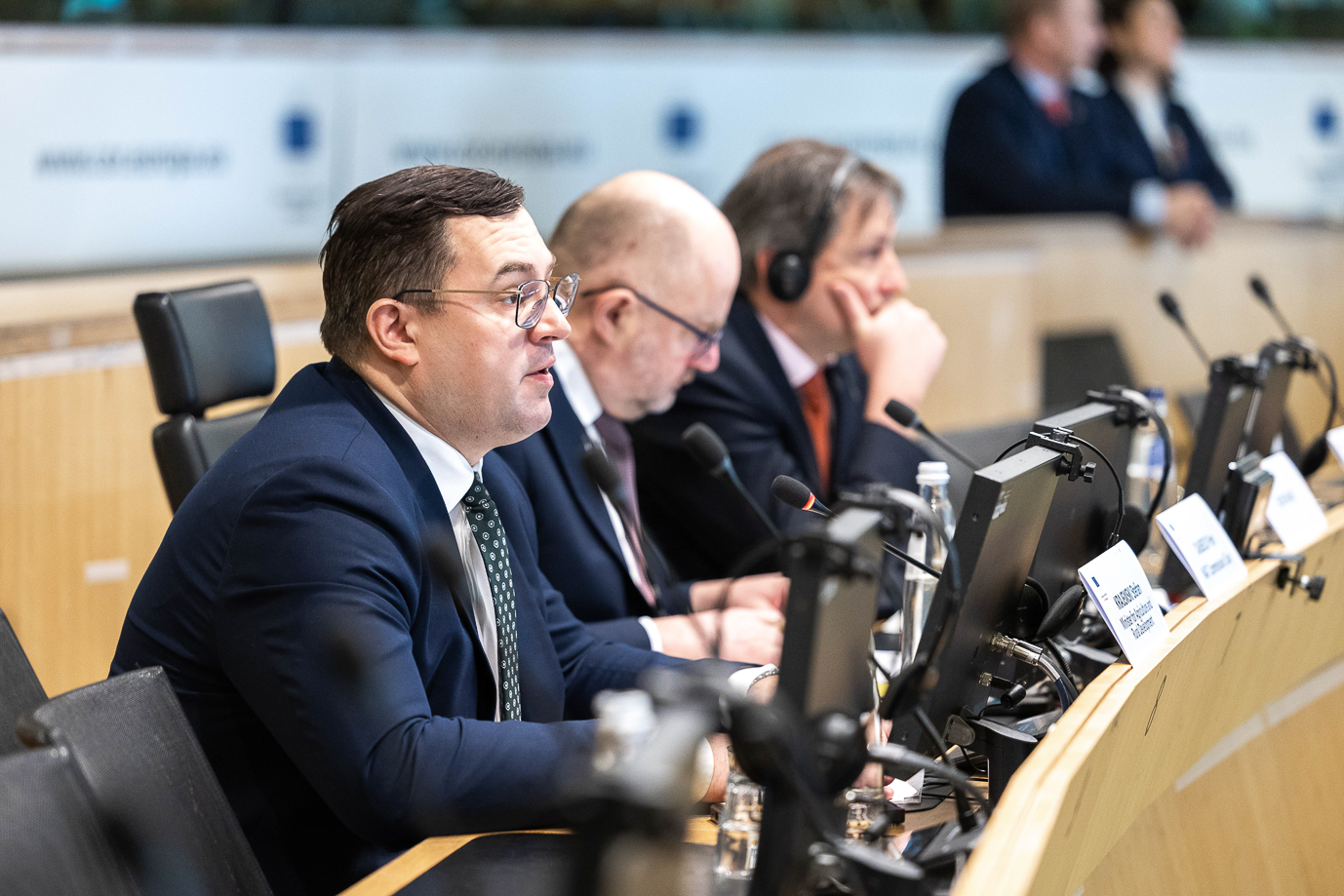
"The scale of the challenges currently facing agriculture and rural areas is unprecedented. Therefore, we need a strong, well-designed Common Agricultural Policy based on an adequate and stable budget. Its specific nature requires maintaining funding both for measures strictly related to agriculture and for rural development instruments. The current two-pillar structure of the CAP has proven highly effective and should be preserved,” said Minister Krajewski today during the opening session of the High-Level Conference in Brussels.

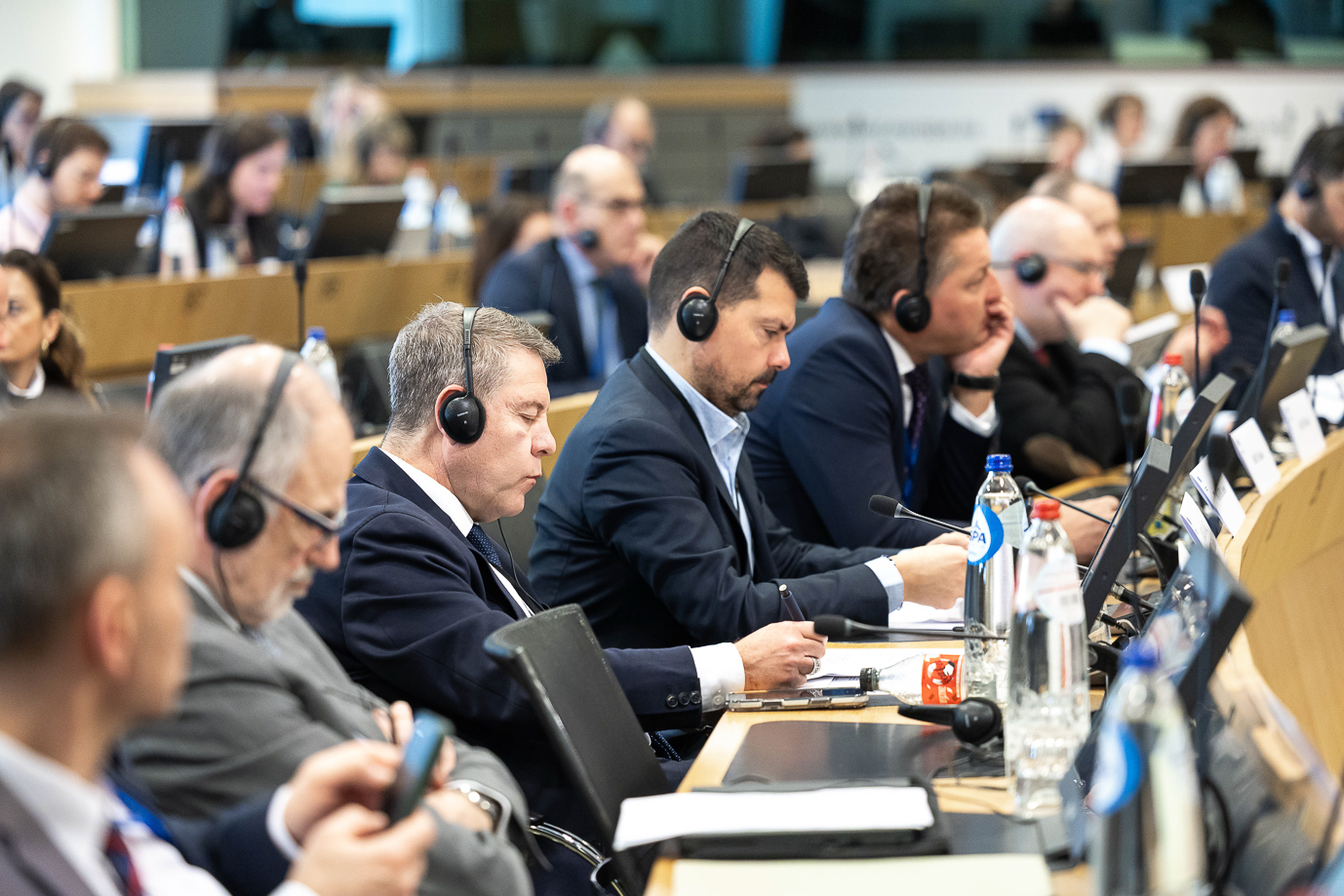
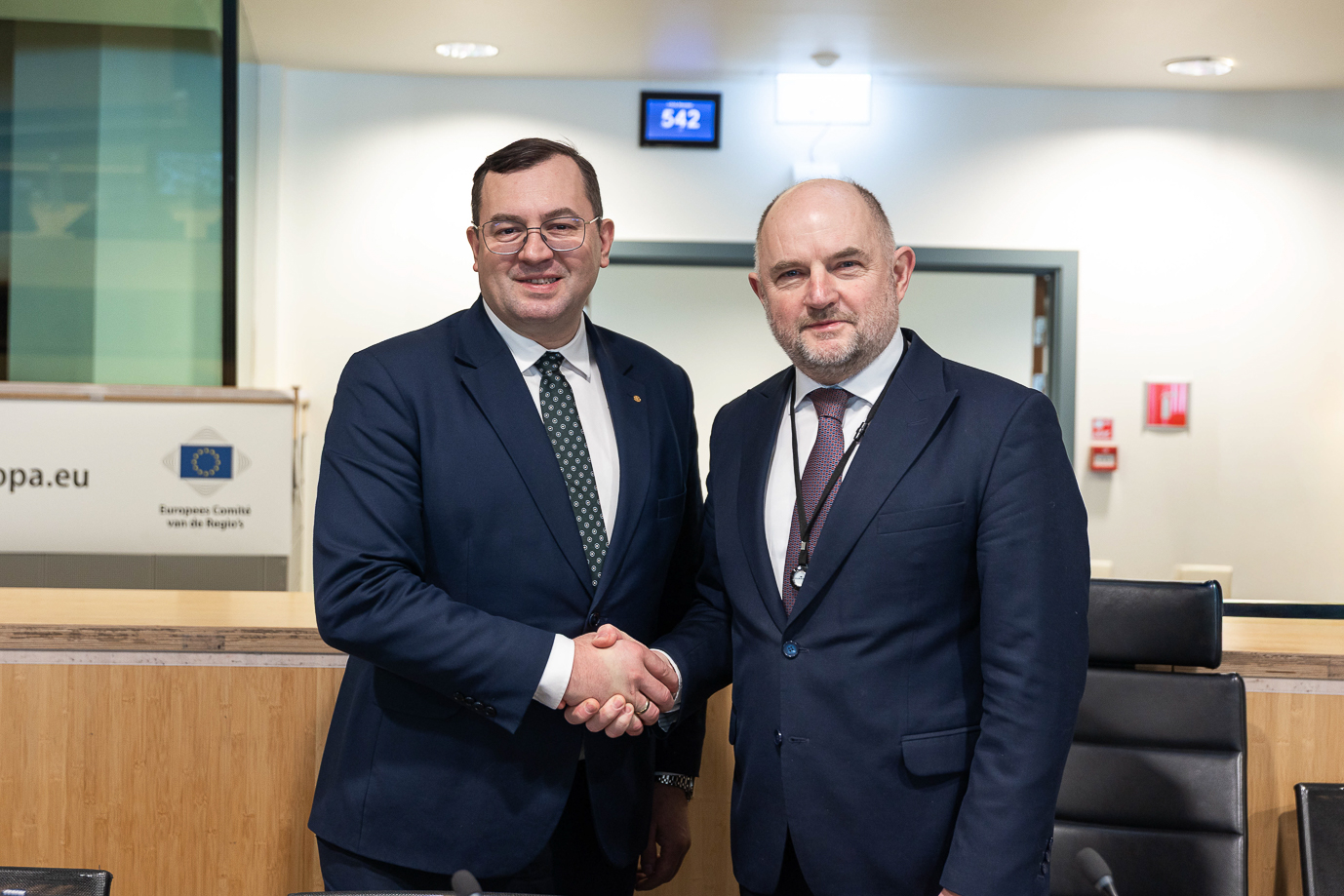
A High-Level Conference dedicated to the future of the Common Agricultural Policy (CAP) after 2027 took place at the headquarters of the European Committee of the Regions in Brussels. The event constituted an important element of the ongoing debate on the direction of reforms that will shape the future of European and Polish agriculture in the coming years.
During the debate, it was clearly emphasised that food security must remain a priority for the European Union. In the face of wars, geopolitical tensions, market pressures and the effects of climate change, Europe must preserve its ability to independently ensure stable food supplies for its citizens. The CAP should remain a strategic instrument strengthening the resilience of agriculture, the predictability of production and the independence of the agri-food market.
Particular attention was paid to the situation on the EU’s eastern border. Russia’s war of aggression against Ukraine has revealed the vulnerability of food systems and the strong impact of crises on border regions. It was noted that the CAP must support their economic, social and demographic stability. Maintaining active agriculture and fostering the development of rural areas were recognised as key elements in strengthening the resilience of the entire Union.
Minister Krajewski clearly stressed that the future CAP should retain its truly common character.
“The planned Common Agricultural Policy must remain a genuinely common policy. We cannot allow its renationalisation or any weakening of the common financial framework. An appropriate budget and the preservation of coherent rules guarantee fair competition among farmers across the EU and ensure the stability of the single market,” said Minister Krajewski.
According to Minister Krajewski, key priorities for the coming years should primarily include ensuring stable and predictable incomes for farmers, which are essential for investment and enable a genuine generational renewal in agriculture. It is also important to strengthen support for young farmers – both through appropriate financial instruments and through a well-developed system of advisory services, knowledge transfer and access to modern technologies.
The Minister also highlighted the importance of the comprehensive development of rural areas, including investments in infrastructure, digitalisation and entrepreneurship, aimed at counteracting depopulation and strengthening territorial cohesion. He also identified strengthening the agri-food processing sector as a strategic element, as it generates added value, jobs and export competitiveness. In his view, it is also necessary to build effective crisis-response mechanisms and tools enabling agriculture to adapt to climate change within the framework of the Common Agricultural Policy.
During the debate, reference was also made to the prospect of EU enlargement to include Ukraine. It was noted that this integration represents a historic opportunity but also a serious challenge for European agriculture. It was stressed that the process must be carefully planned so as to protect the competitiveness and income stability of farmers in the Member States and ensure balance on the common market.
About the Conference
The High-Level Conference, organised on 3 March by the European Committee of the Regions, brought together representatives of EU institutions, regional authorities, the scientific community and agricultural organisations. The event marked an important stage in the European debate on the shape of the CAP after 2027 and on solutions addressing challenges related to food security, the competitiveness of the agricultural sector and the achievement of ambitious environmental and climate objectives.