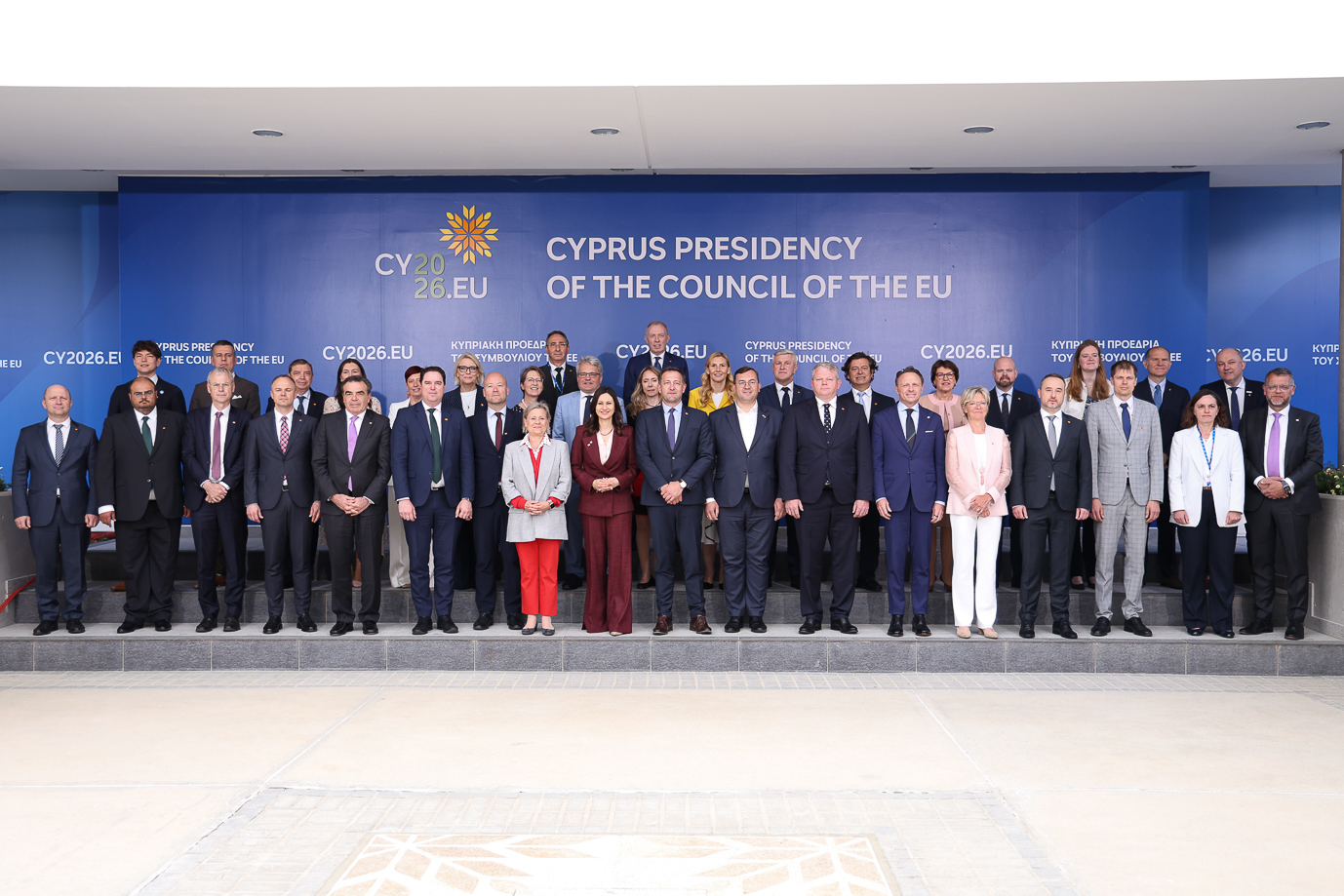
The second day of the EU Ministers of Agriculture's meeting in Cyprus
05.05.2026
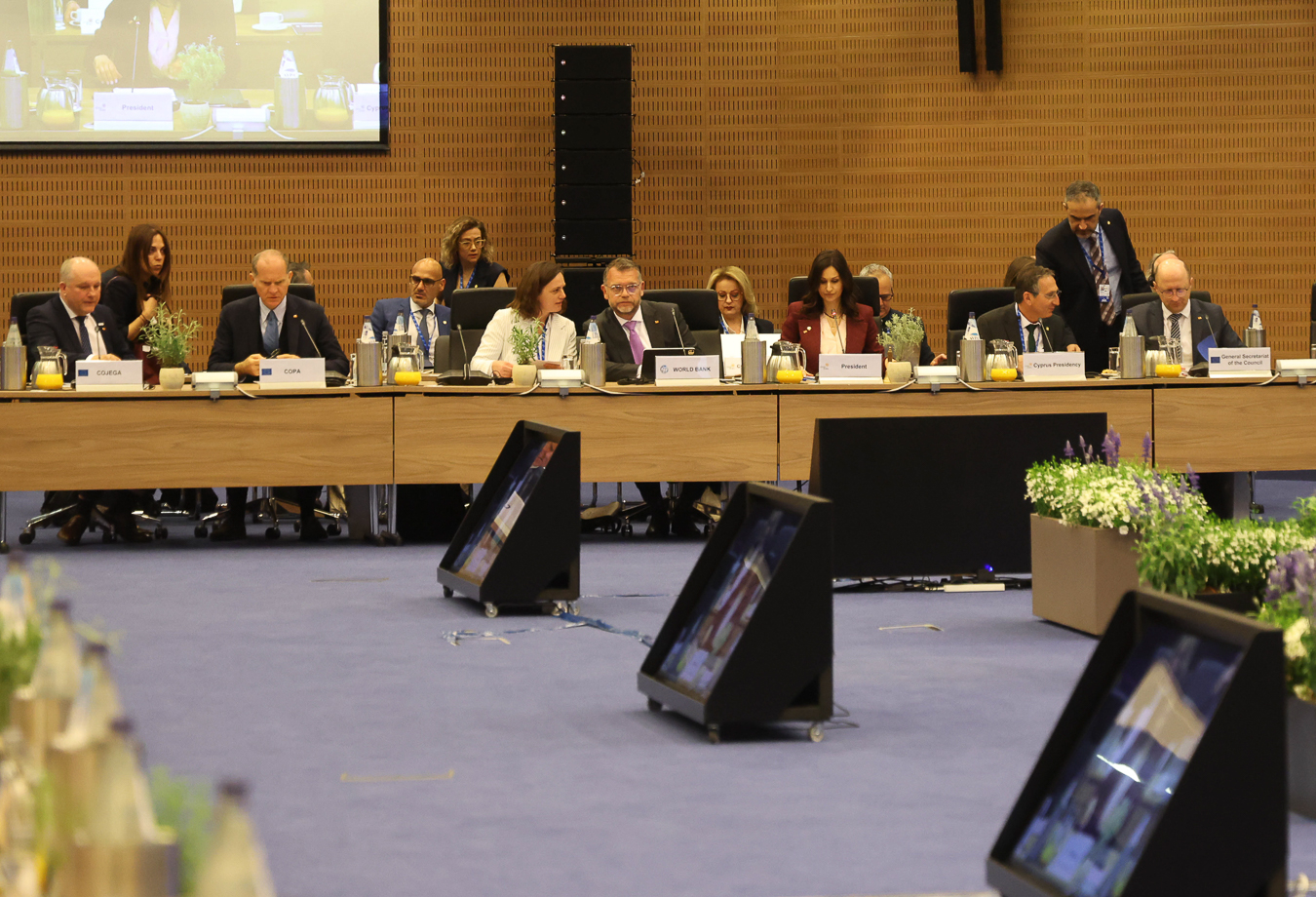
During an informal meeting of the EU Ministers of Agriculture and Fisheries in Nicosia, the discussions concerned the future of fisheries policy. Poland points to the need to simplify the legislation and adapt it to the realities of the sector. Poland's position in this part of the meeting was presented by the Secretary of State Jacek Czerniak.

During the whole meeting, the Polish delegation was chaired by Minister Stefan Krajewski.
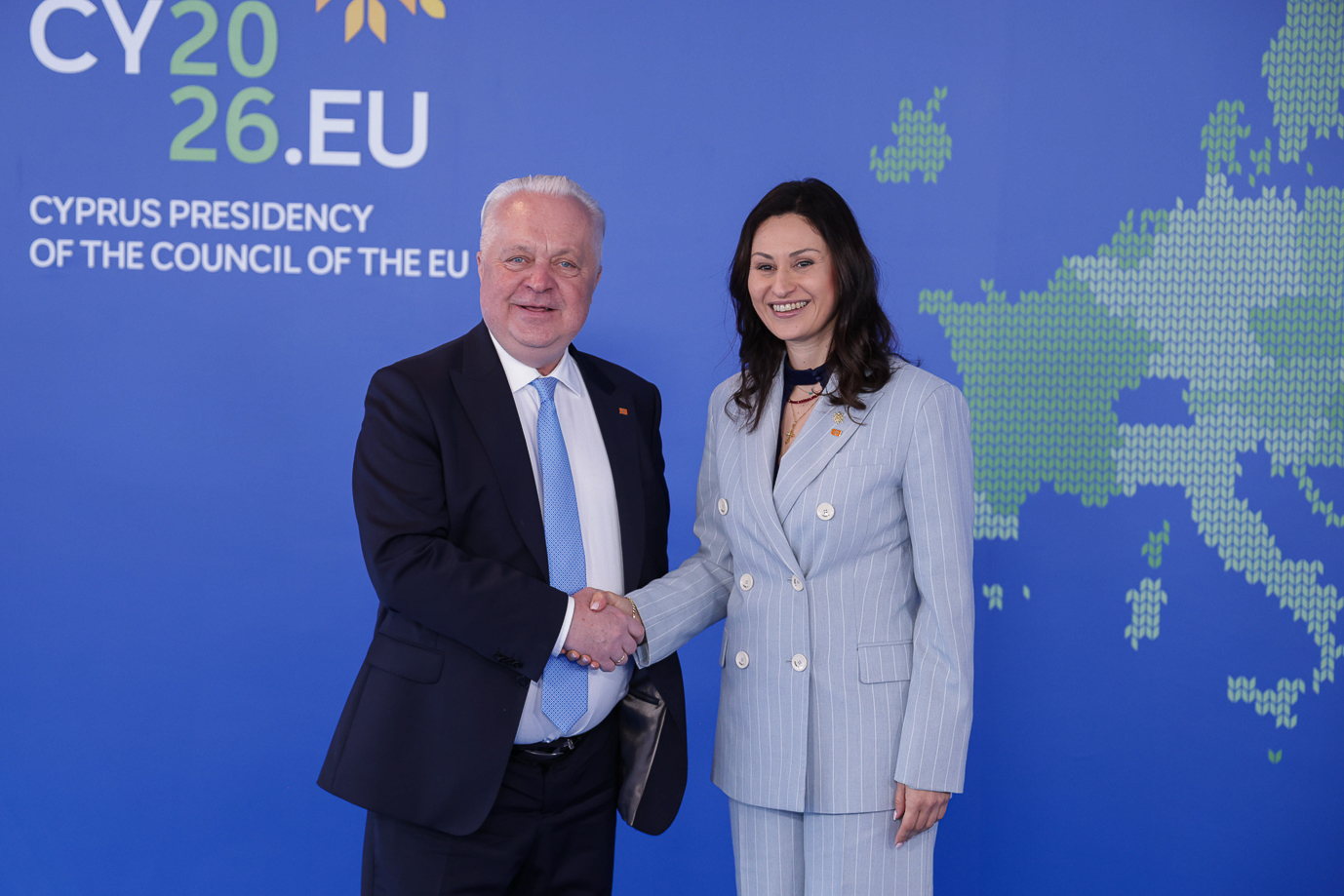
During the visit, Minister Stefan Krajewski met with the Polish Ambassador to the Republic of Cyprus Marek Szczepanowski. The discussion concerned bilateral cooperation and the presence of Polish agri-food products on the Cypriot market.
Ambassador Marek Szczepanowski stressed that Polish food enjoyed a very good reputation among local consumers. He also pointed to the possibility of increasing the export – of both processed and unprocessed products. Poland, as one of the key producers of food in the EU, may continue further strengthen its position on this market.
On the first day of the meeting, the Ministers also discussed the resilience of agriculture to crises and the effects of climate change. Poland indicated the need for stronger support for farmers and simplification of the rules of the Common Agricultural Policy. The second day of the Council’s meeting was dedicated to fisheries.
Meeting of the Ministers of Fisheries
The provisions of the Common Fisheries Policy are excessively complicated and in many places do not work in practice – as Poland points out. In Nicosia, the EU Ministers summarised the first assessment of this policy in a decade and commenced a discussion on amendments thereto.
– The provisions must be simpler and more transparent. Today, in many cases, they make it difficult to pursue business activity rather than facilitate it – said Deputy Minister Jacek Czerniak.
Evaluation of the fisheries policy
The discussion concerned the evaluation of the Common Fisheries Policy for the years 2014–2025. This is the first comprehensive review of the current provisions in force.
The Ministers pointed to the need to quickly adapt the regulations to the new realities – climate change, market situation and geopolitical challenges. They also highlighted the need for greater flexibility so as to allow the policy to respond to unexpected situations.
Excessively complicated provisions
Poland points out that the current regulations were excessively elaborate and generated additional burdens for the sector. In particular, the problem applies to the control system.
– The current control system imposes additional responsibilities and costs on fishermen and administration. These are solutions that are difficult to be applied in practice – emphasised the Deputy Minister.
Particular problems concern the rules for estimating catches. In the case of an acceptable margin of tolerance (MOT), even minor differences can be treated as serious violations.
Situation in the Baltic Sea
The regulations are to guarantee legal security and stability for coastal fishing, in particular, in terms of compliance, access to EU support, preservation of biodiversity in the Baltic Sea and ensuring food and legal security.
Solutions are required to improve the state of resources but, at the same time, to keep fishermen’s activity – particularly, in the segment of coastal and small-scale fisheries.
Impact on the market
The Common Fisheries Policy has a direct impact on the functioning of the market – from the availability of raw materials, through processing activities, to consumer prices.
Poland stresses that future amendments should take into account both environmental objectives as well as economic stability of the sector and food security.
The importance of fisheries policy has also been indicated by other Member States. The most frequently raised issues included, among others, the need for stable conditions for pursuing activity, support for generational renewal and the greater role of aquaculture in ensuring food security.
The conclusions of the discussion will be continued during the AGRIFISH Council meeting in June.