Minister Sikorski attends Munich Security Conference
16.02.2025
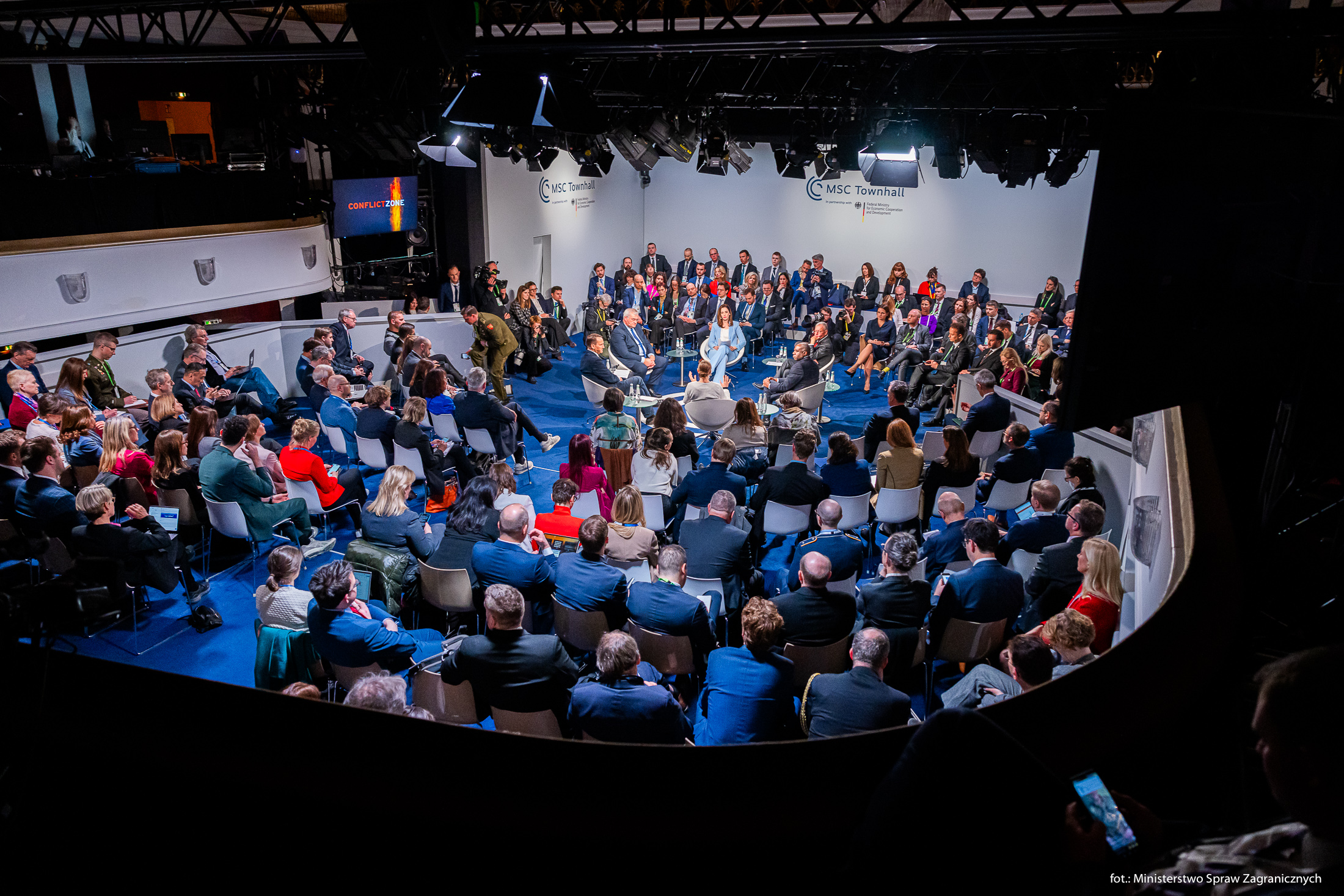
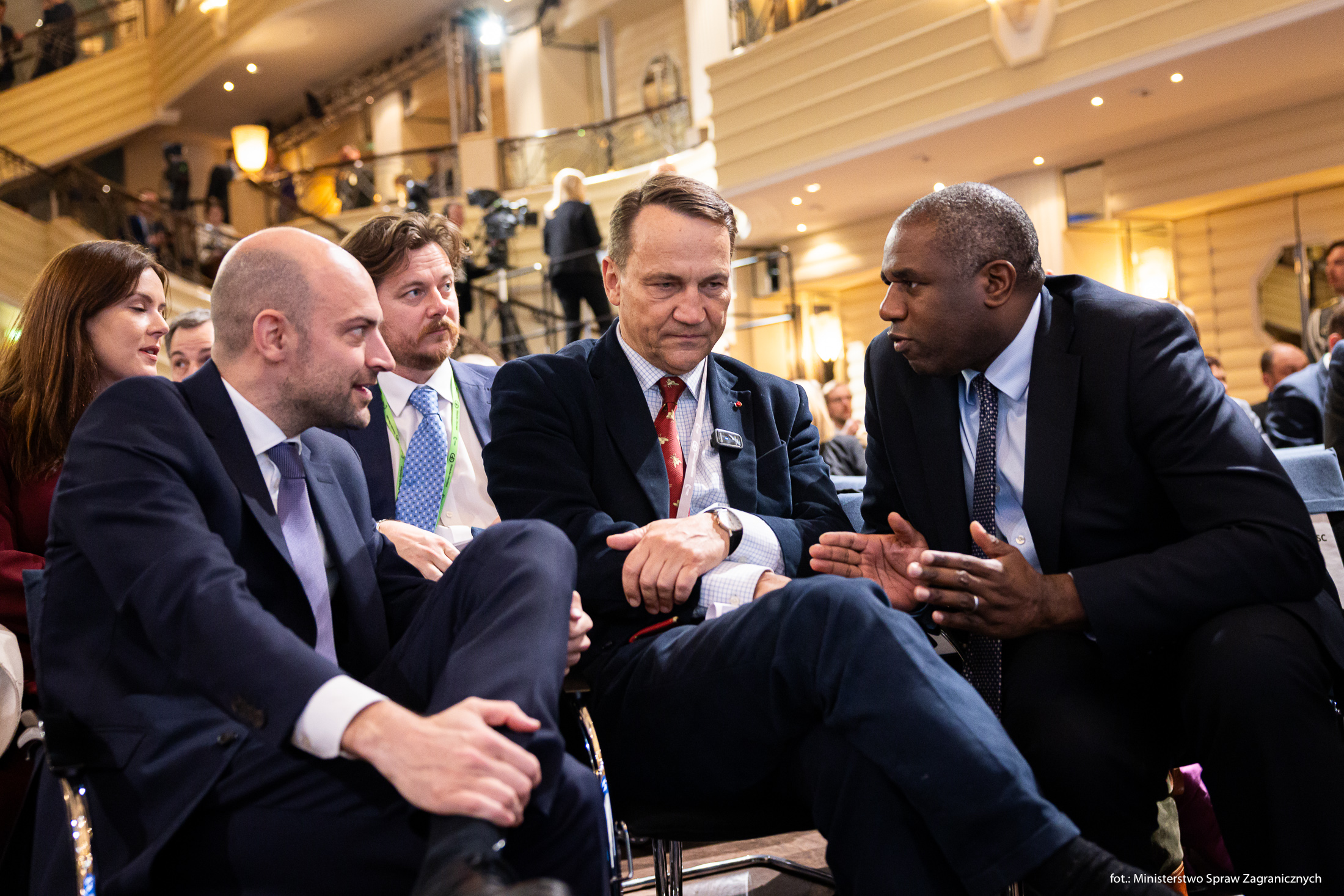
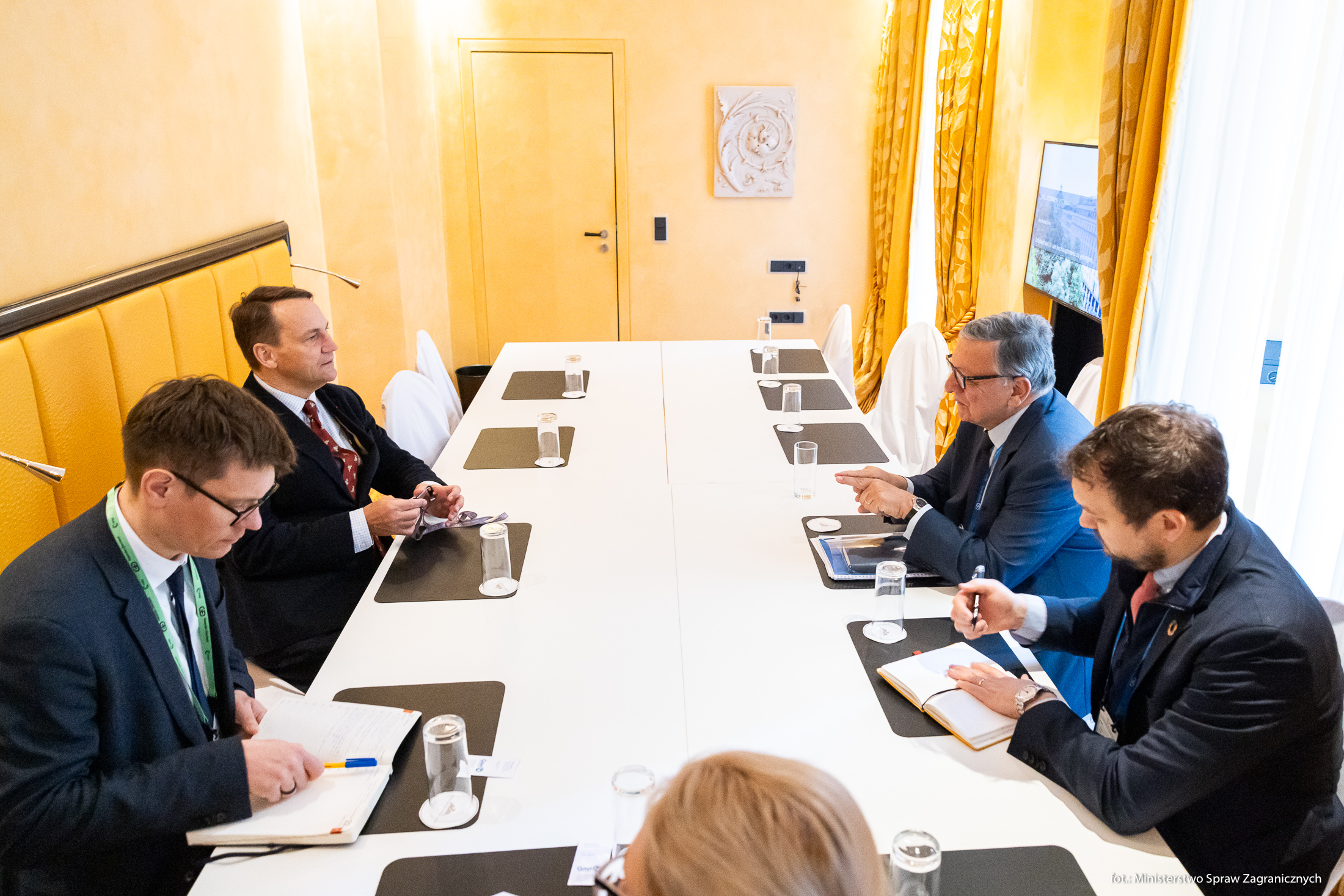
On 14–16 February, in Munich, the head of Polish diplomacy Radosław Sikorski took part in the 61st edition of one of the world’s most important global security conferences. During the conference, Minister Sikorski attended discussion panels and held a number of bilateral meetings with his counterparts and other foreign partners.

This year’s Munich Security Conference focused on the efforts to end Russia’s war against Ukraine. Discussed were, among other issues, the transatlantic relations, European defence, the situation in the Middle East, the future of the Eastern Partnership, and of the Russia–China–Iran–North Korea axis as well as the threat it poses for the West.
Before the official inauguration of the Munich Security Conference (MSC), on 13 February 2025, Minister Sikorski met with Special Presidential Envoy for Russia and Ukraine General Keith Kellogg. The two officials talked about the future of the transatlantic partnership and common efforts to aid Ukraine.
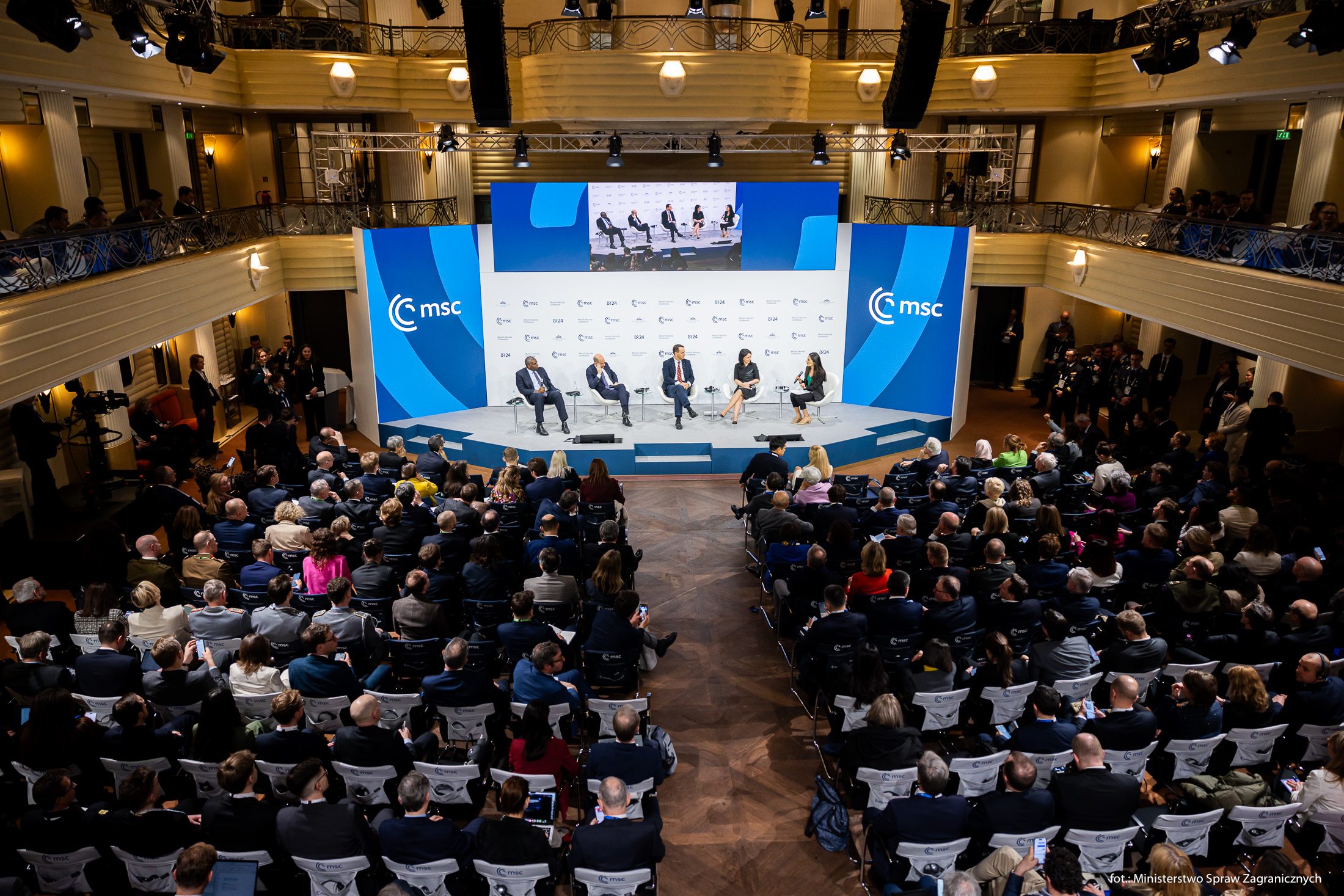
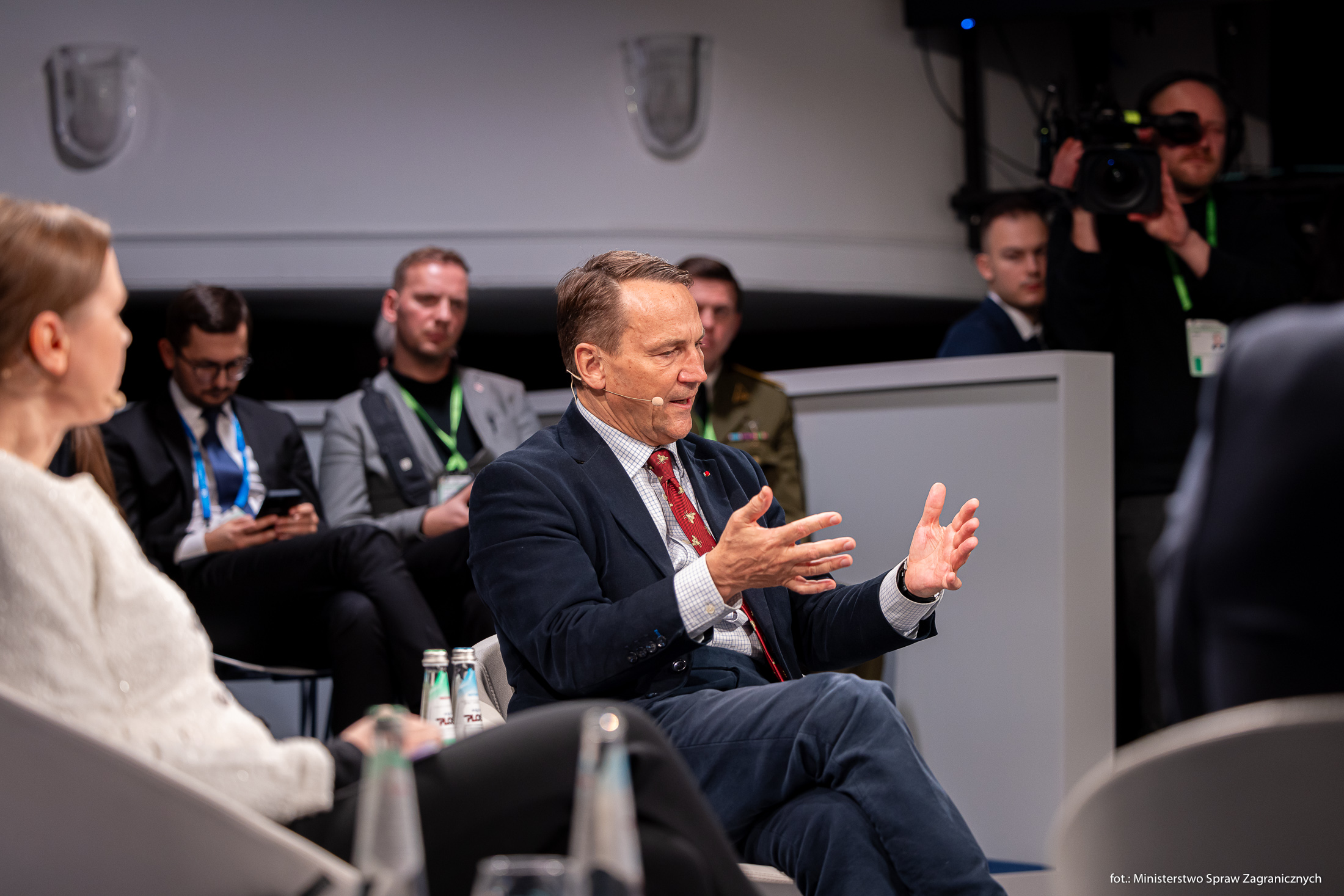
As part of the MSC official agenda, Minister Sikorski, together with the heads of diplomacy of Germany, France, and the United Kingdom, attended a panel discussion “Europole? The Old Continent’s New Geopolitical Role”. The ministers discussed the international order, global security threats, and regional conflicts. Minister Sikorski highlighted that Russia has been a threat not only to Europe but to the entire international order: “In Poland, we have no doubt that the threat to Europe, to liberal democracy, and decency comes from Putin’s Russia,” noted the minister. During the panel, he assessed that in the international relations “there is nothing more dangerous in international relations than empty guarantee. [...] If we want to give guarantees, we have to mean it,” he added. Europe must take greater responsibility for its own security and the stability of its immediate neighbourhood.
The head of Poland’s MFA also took floor during a panel discussion “Peace Through Strength: A Plan for Ukraine.” The debate was also attended by the US Special Envoy for Ukraine General Keith Kellogg, Lithuania’s Defence Minister Dovilė Šakalienė, and heads of diplomacy of Ukraine and the United Kingdom, Andrii Sybiha and David Lammy respectively. They discussed how to end Russia’s war, strengthen Ukraine's negotiating position, and safeguard Kyiv's long-term vital security interests, including its ability to become a member of Western political and security structures. Minister Sikorski stressed that the current approach should be maintained including continued support for Ukraine and its defence system as long as Ukraine wants to defend itself.
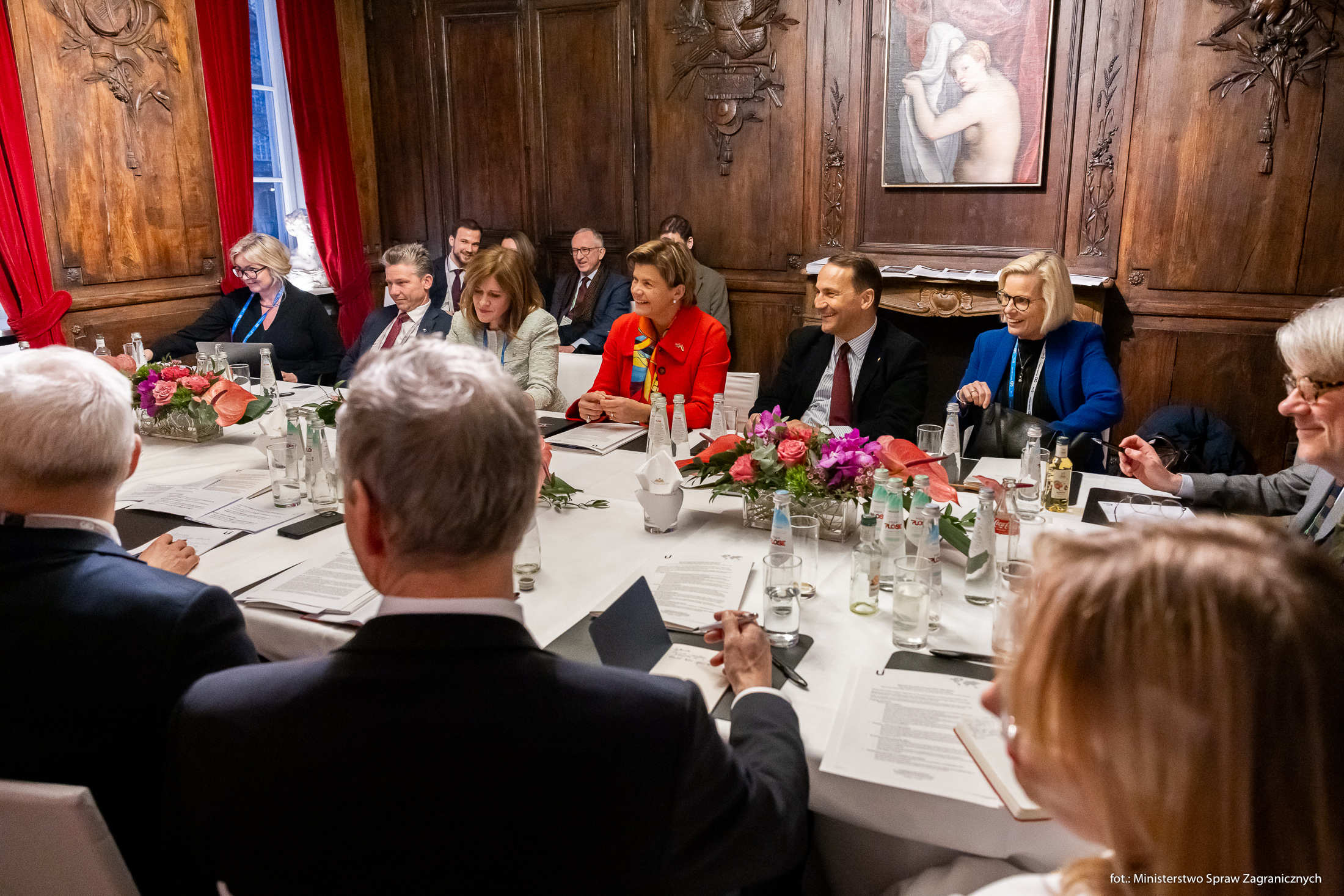
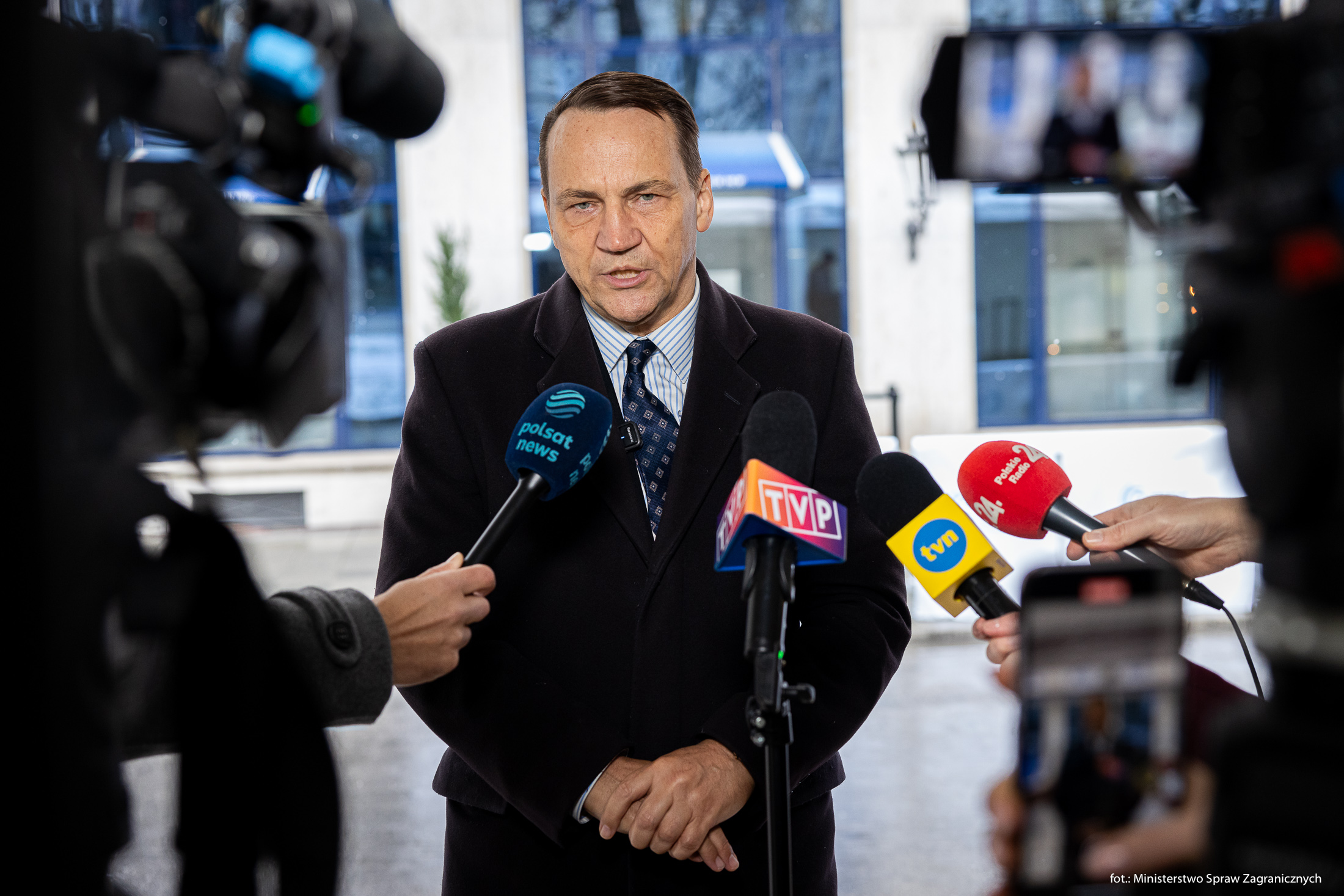
Moreover, on the sidelines of the Munich Security Conference, the chief of Polish diplomacy held several bilateral and multilateral meetings. On the first day of the MSC, Minister Sikorski took part in the discussion “Exposing False Flags, Deterring Foes: Drawing the line in NATO's New North” organised by the Swedish Institute of International Affairs. The discussion was also attended by Sweden’s Minister of Defence Pål Jonson and Latvia’s Foreign Minister Baiba Braže. Minister Sikorski, co-initiator of the Eastern Partnership, stressed that it should remain an effective vehicle of pro-European reforms, especially in the sphere of values. Measures to adapt the Eastern Partnership to the new geopolitical situation will be continued.
Poland’s top diplomat also attended a meeting organised by the German Marshall Fund and the Open Society foundations to talk about ways of supporting Ukraine’s defence efforts.
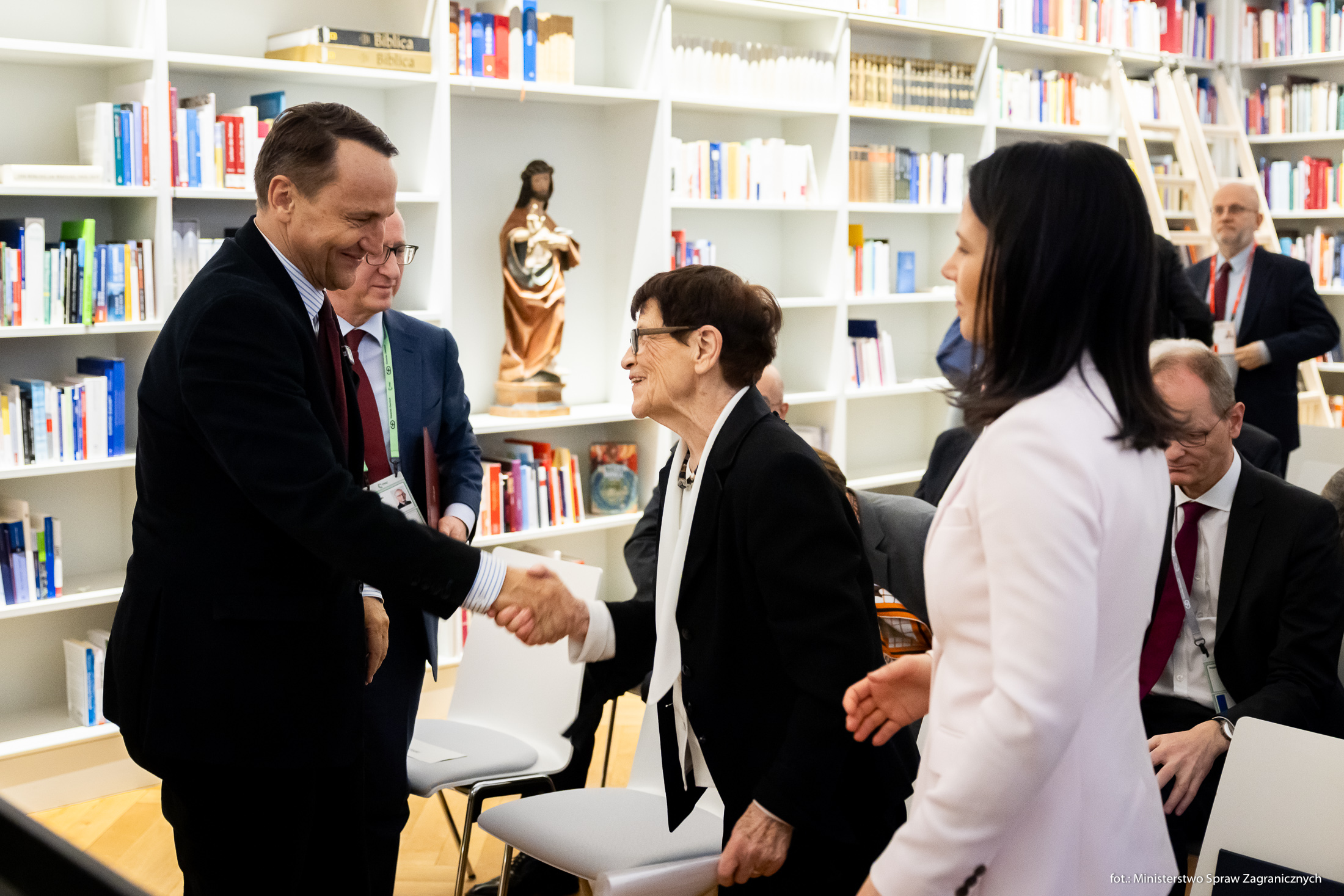
Minister Sikorski also met with Moldova’s Deputy Prime Minister and Foreign Minister Mihai Popșoi and Egypt’s Foreign Minister Badr Abdelatty. They discussed a number of issues in strategic relations with the EU and the current situation in the Gaza Strip and Ukraine. Other side events attended by Minister Sikorski, such as “The New Geopolitics: The World to Come” discussion and “John McCain Dissertation Award” ceremony honouring academic achievements in the field of transatlantic relations, were also an opportunity to discuss global security issues. He also met with CEO of American Jewish Committee Ted Deutch. Moreover, on the sidelines of this year’s conference, the Polish and German foreign ministers, Radosław Sikorski and Annalena Baerbock awarded the Special Polish–German Prize to Professor Rita Süssmuth in recognition of the entirety of her work for strengthening Polish–German ties.
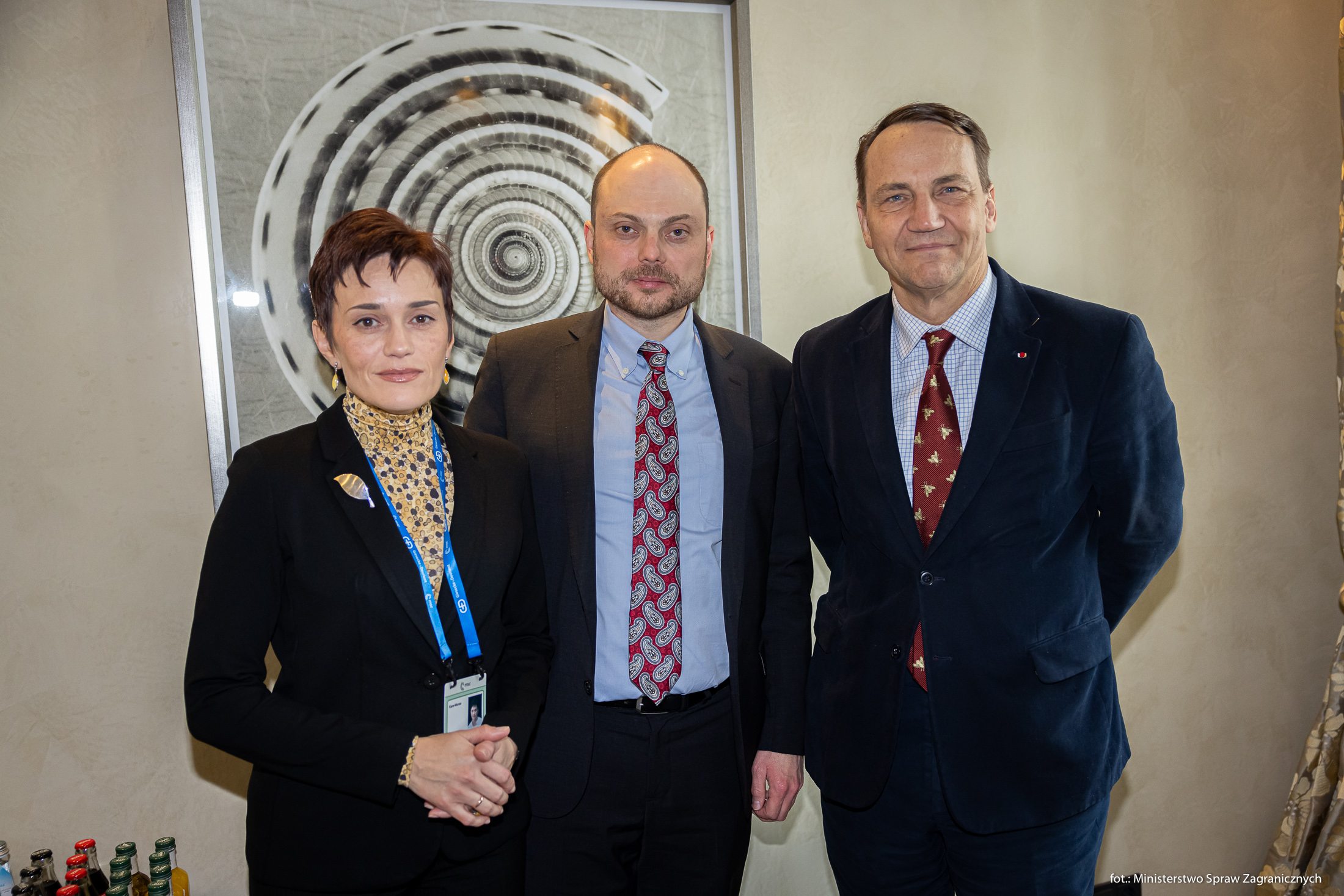
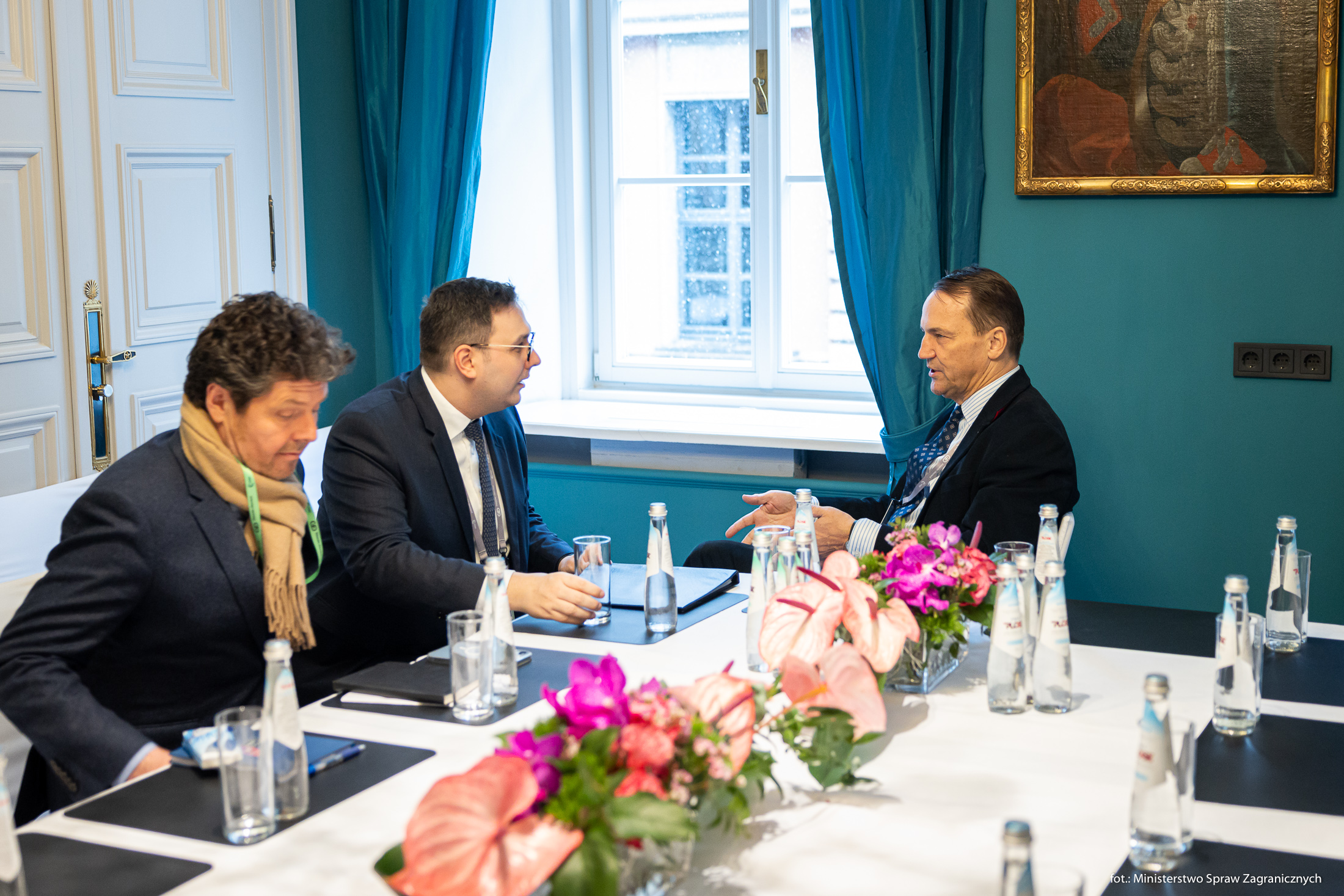
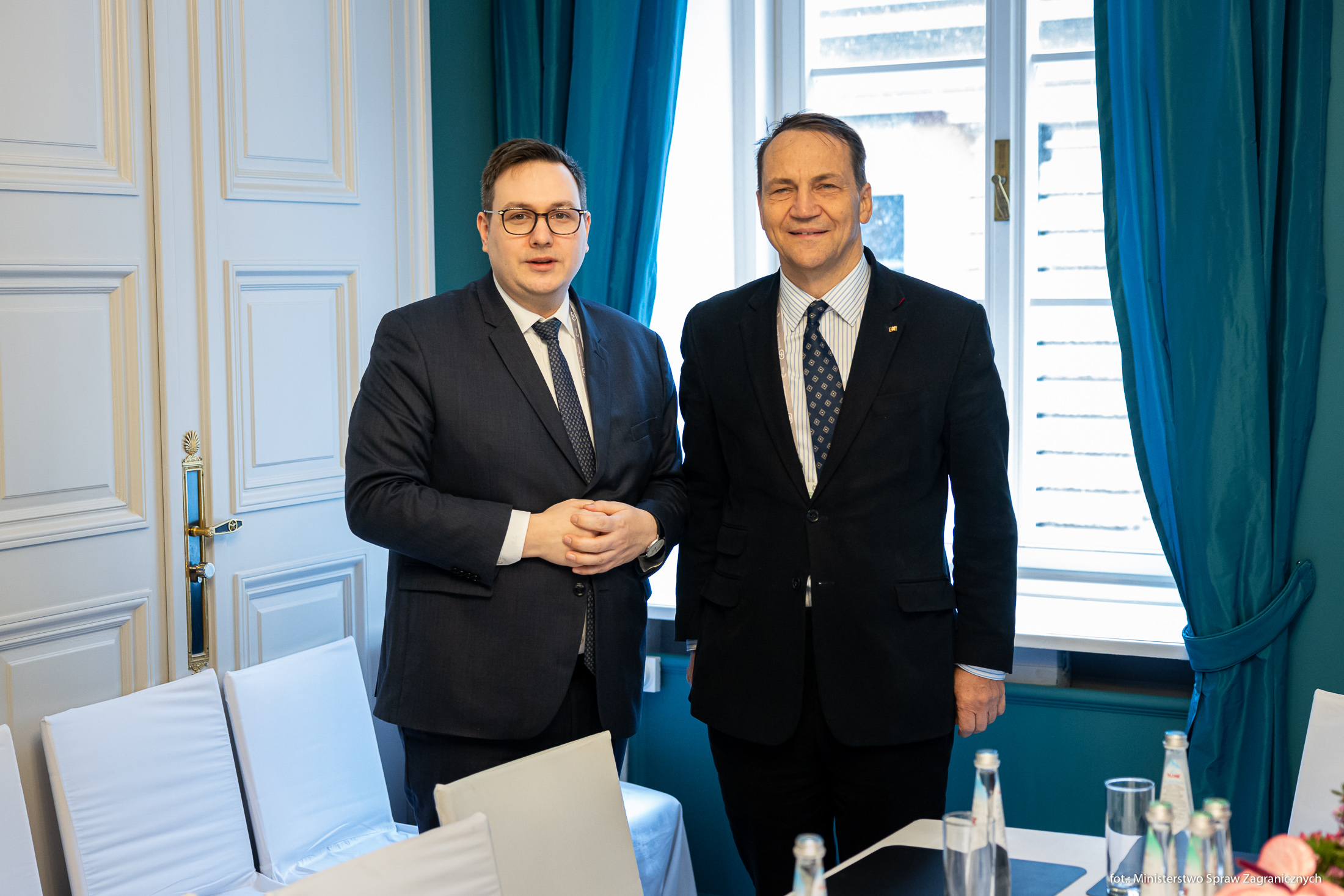
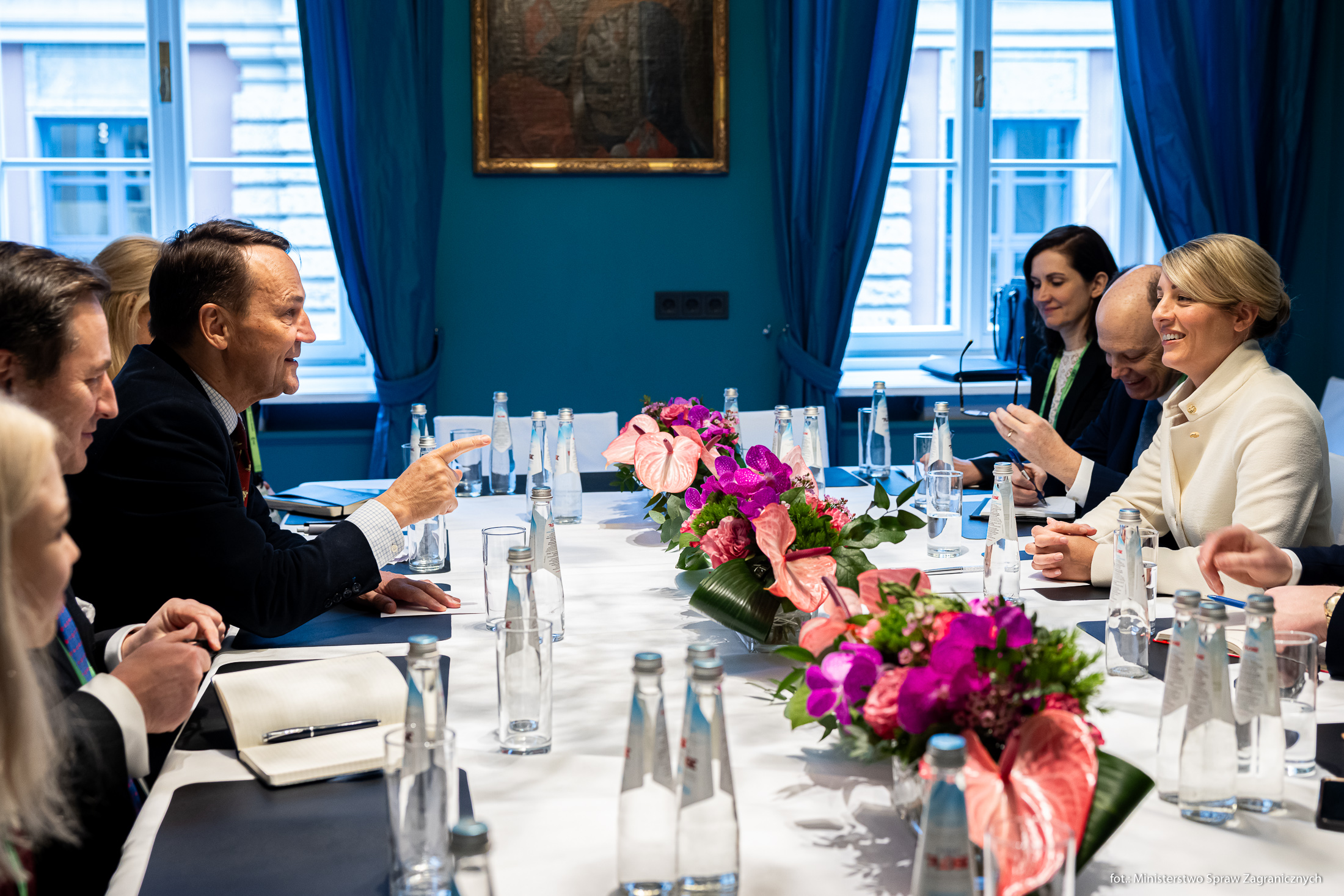
Minister Sikorski started the second day of the MSC with a meeting on a comprehensive approach towards irregular migration. The meeting was held on the initiative of the UK’s Foreign Secretary David Lammy. Later on, Poland’s top diplomat spoke with the head of Canada’s diplomacy Mélanie Joly. During the meeting, the ministers discussed issues on the bilateral agenda, as well as opportunities for cooperation during Poland’s presidency of the EU Council and Canada's G7 Presidency. Minister Sikorski also met with his Czech counterpart, Jan Lipavský. The head of Polish diplomacy spoke to the vice-president of the Free Russia Foundation, Vladimir Kara-Murza, stressing that Poland supports Russian democracy activists who continue their struggle for a free and democratic Russia.
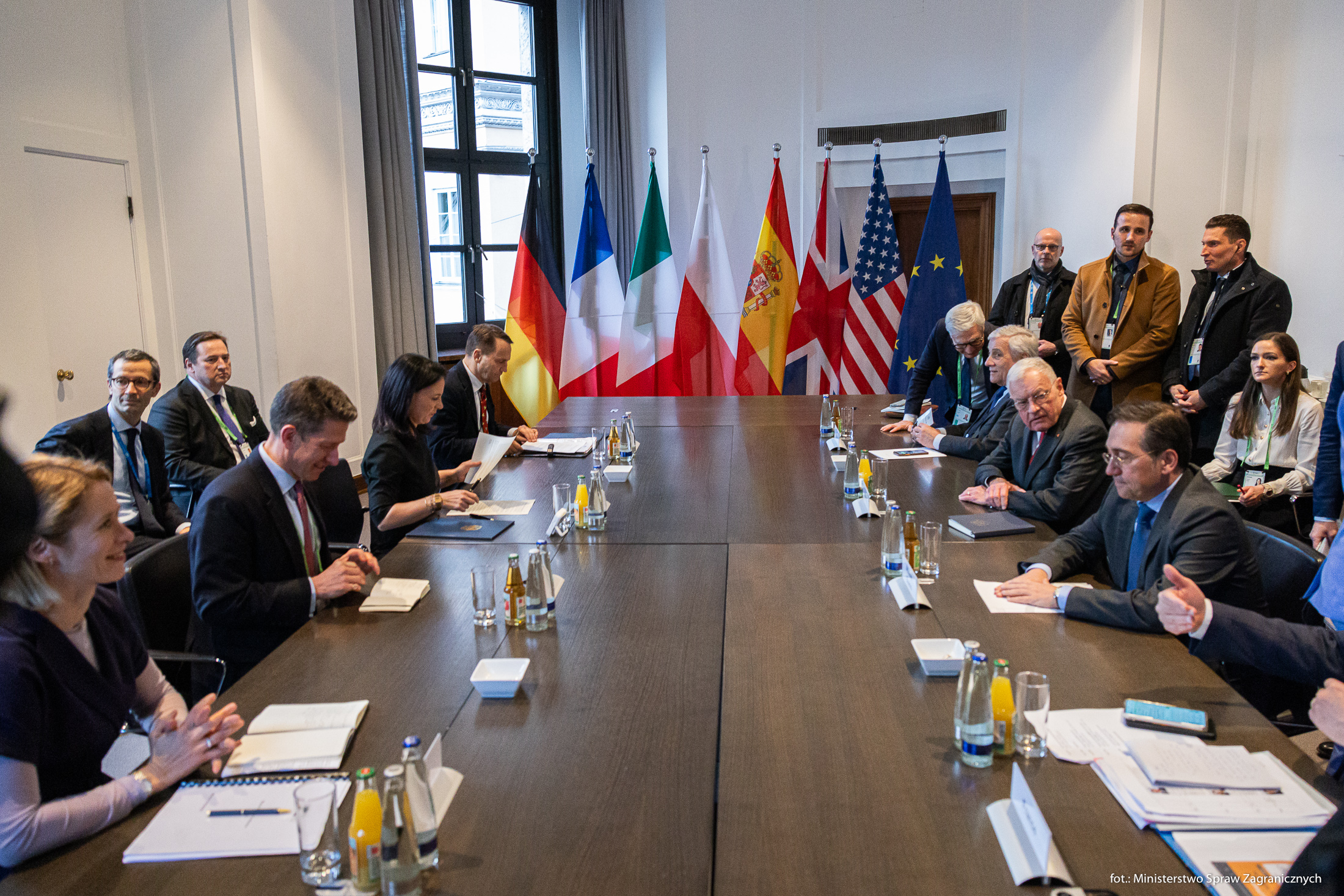
On the sidelines of the conference, Minister Sikorski again spoke with General Keith Kellogg, US Special Envoy for Ukraine and Russia, this time in a larger group including representatives of EU diplomacies such as High Representative for Foreign Affairs and Security Policy Kaja Kallas and foreign ministers of the EU’s Big Five (Poland, France, Germany, Italy, Spain) and of the United Kingdom. The talks centred on security in the region and support for Ukraine.
***
Organised since 1963, the Munich Security Conference has been a primary forum to discuss international security issues bringing together heads of state and government, foreign and defence ministers, MPs, and representatives of the media and the academia. Since 2022, the conference has been chaired by former diplomat Christoph Heusgen.
Photos (16)
 Display photo 2 in the gallery.
 Display photo 3 in the gallery.
 Display photo 4 in the gallery.
 Display photo 5 in the gallery.
 Display photo 6 in the gallery.
 Display photo 7 in the gallery.
 Display photo 8 in the gallery.
 Display photo 9 in the gallery.
 Display photo 10 in the gallery.
 Display photo 11 in the gallery.
 Display photo 12 in the gallery.
 Display photo 13 in the gallery.
 Display photo 14 in the gallery.
 Display photo 15 in the gallery.
 Display photo 16 in the gallery.