International conference of ministers in Poland. Książ Castle hosts debates on civil protection and migrations
29.10.2026
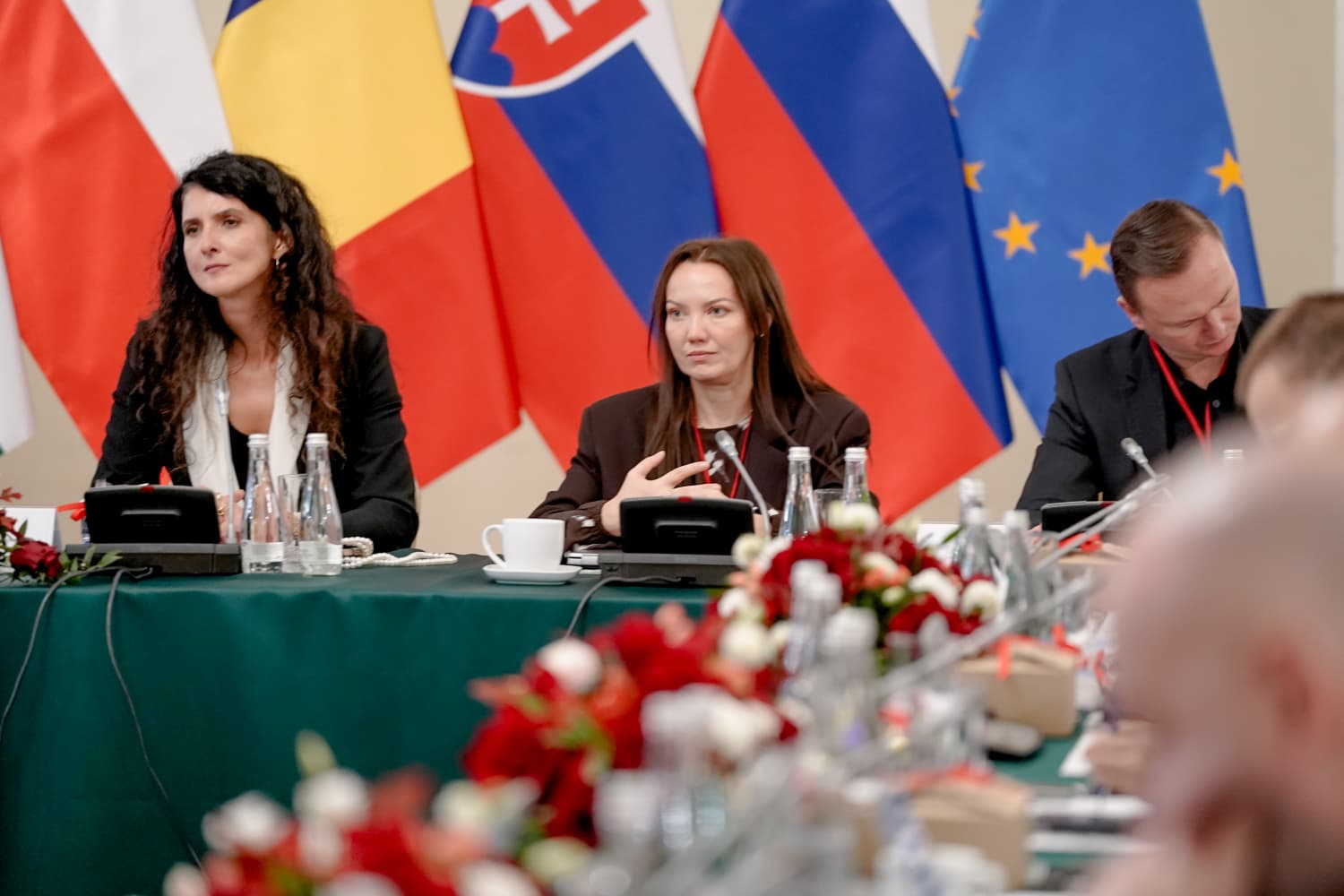
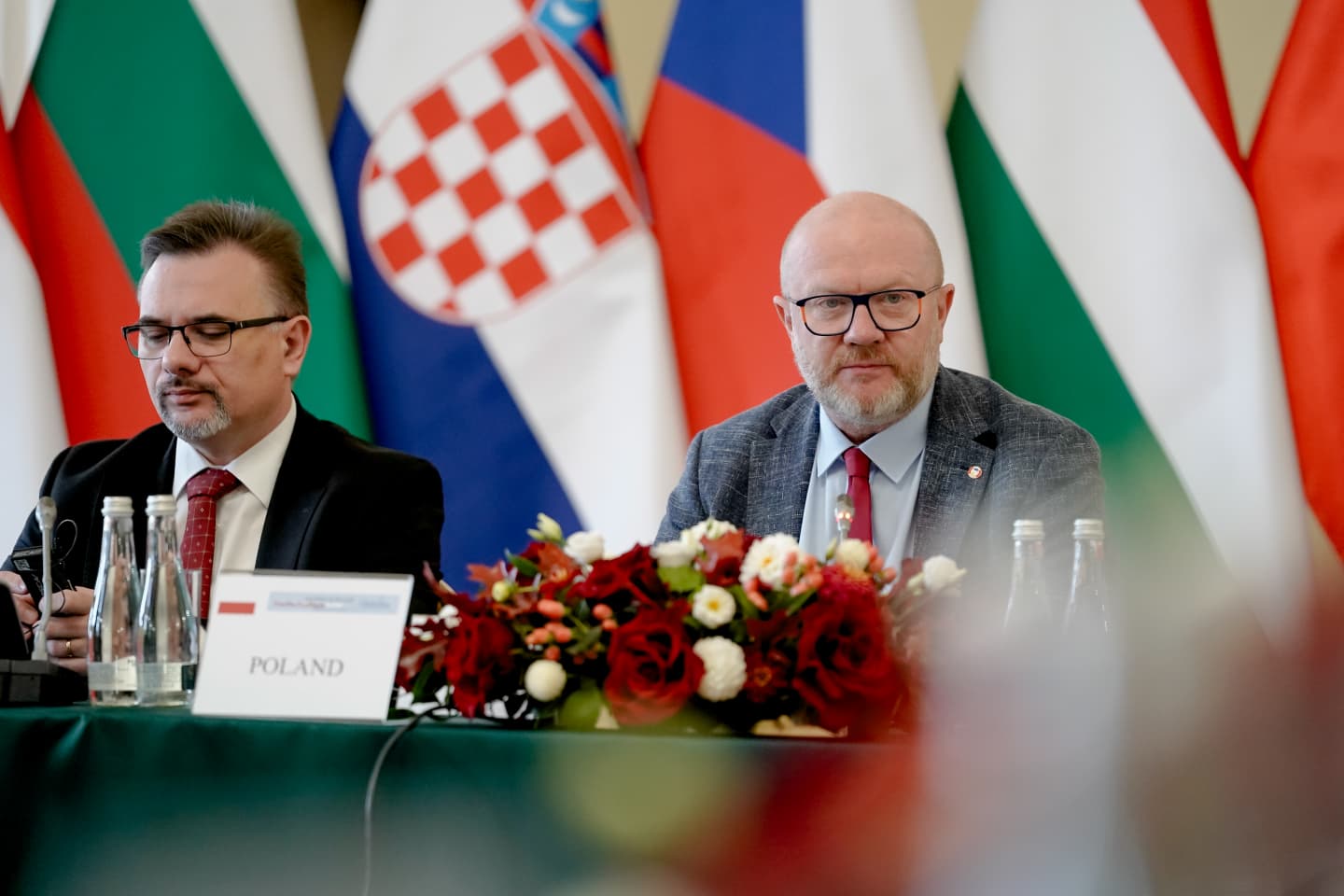
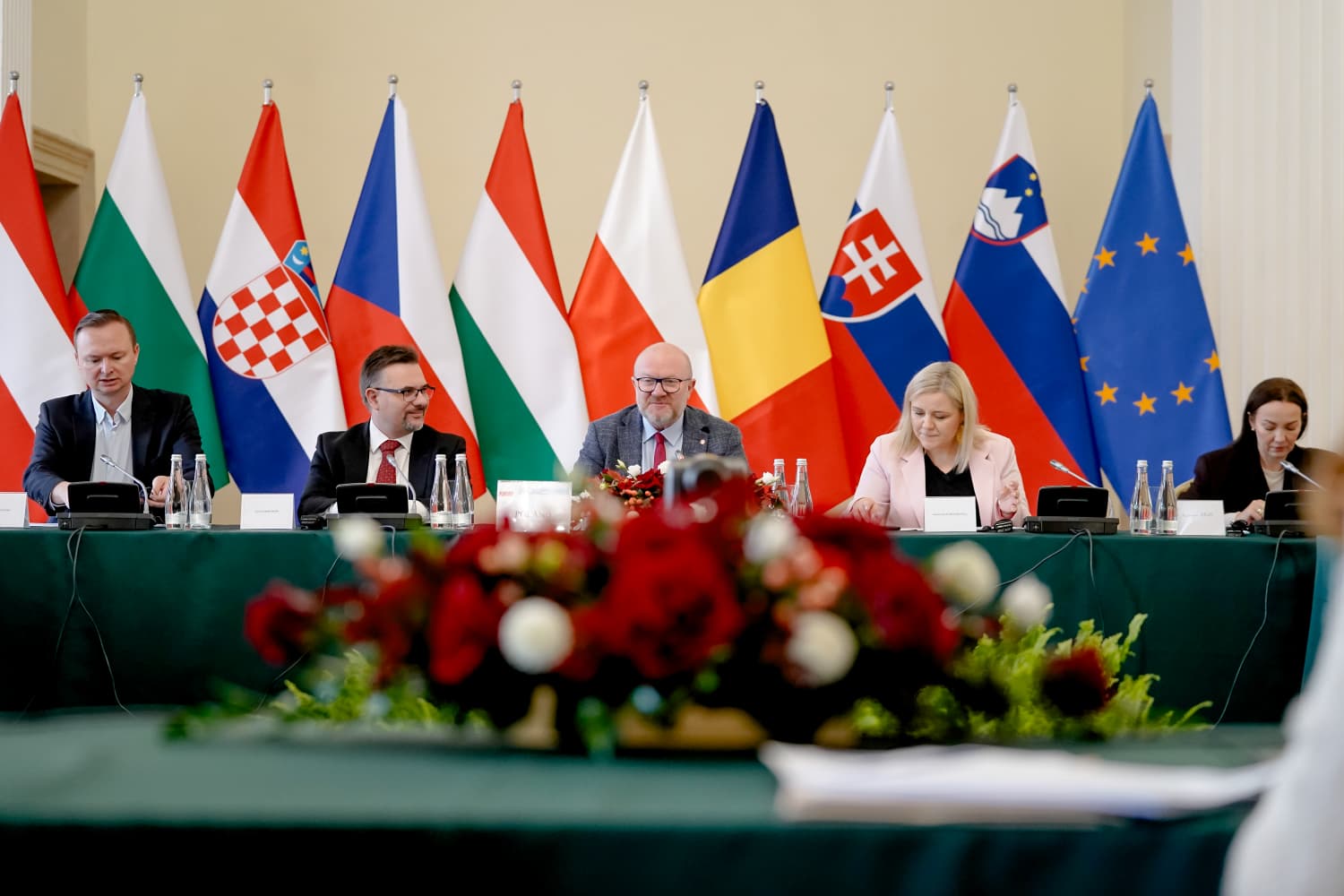
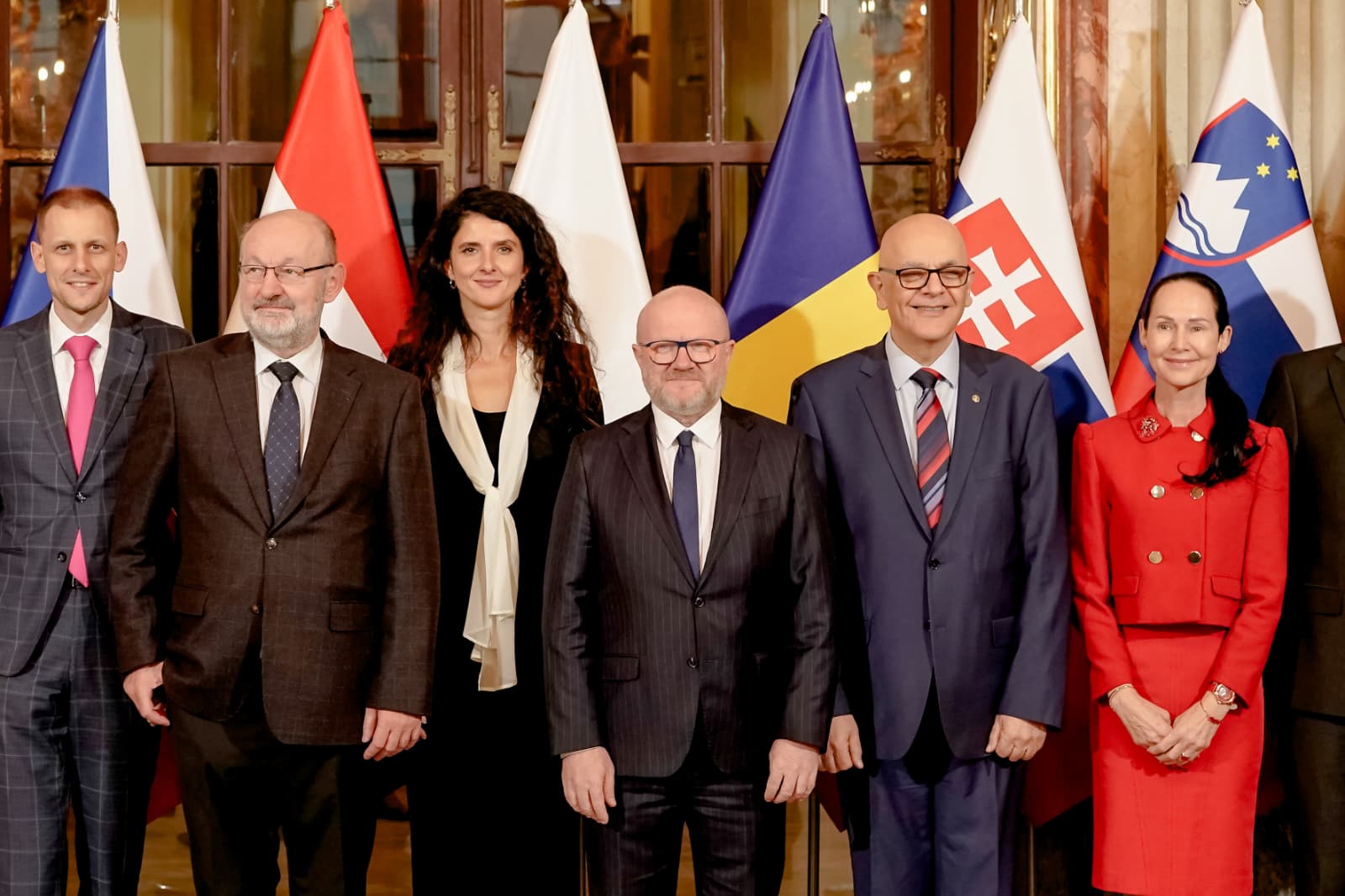
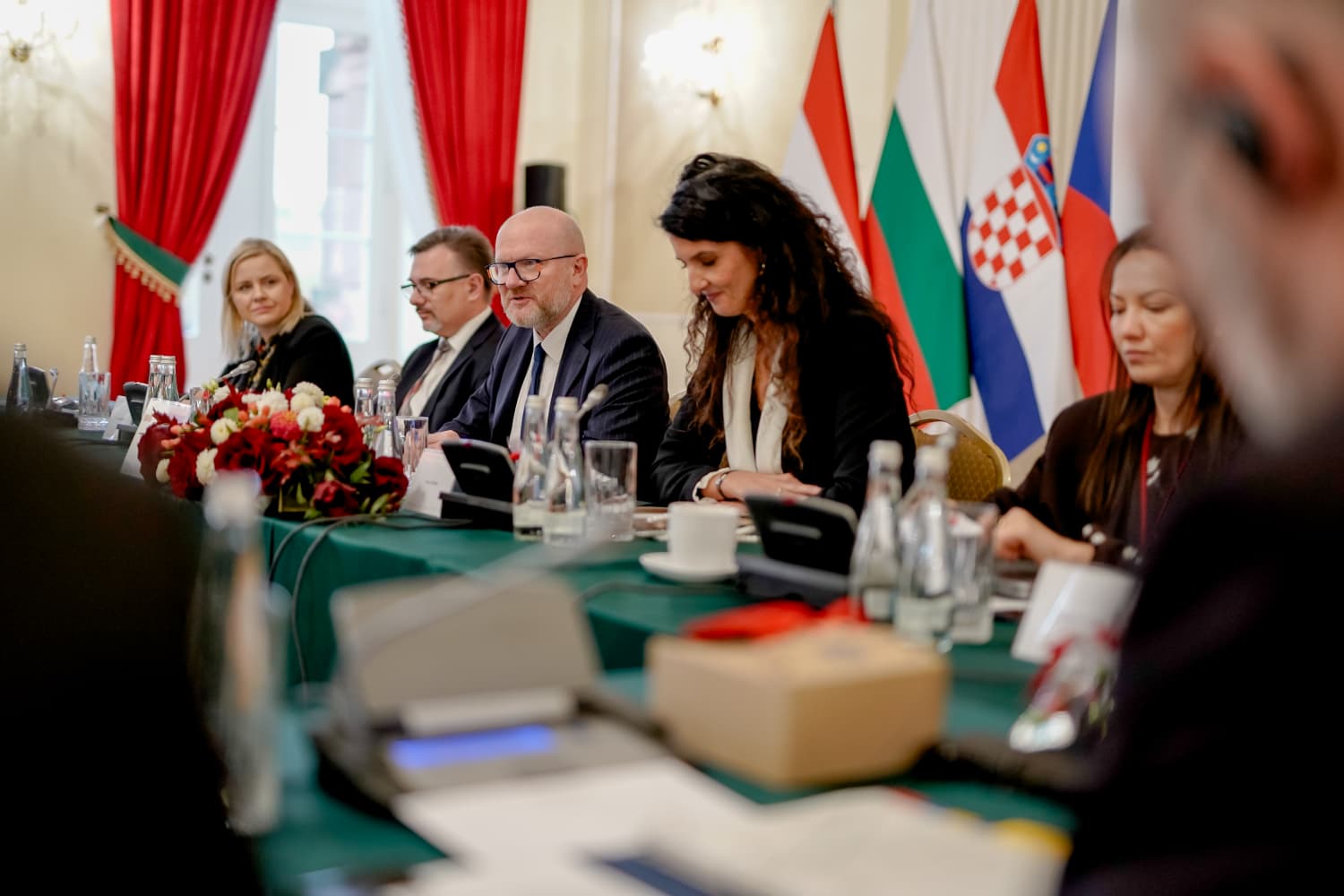
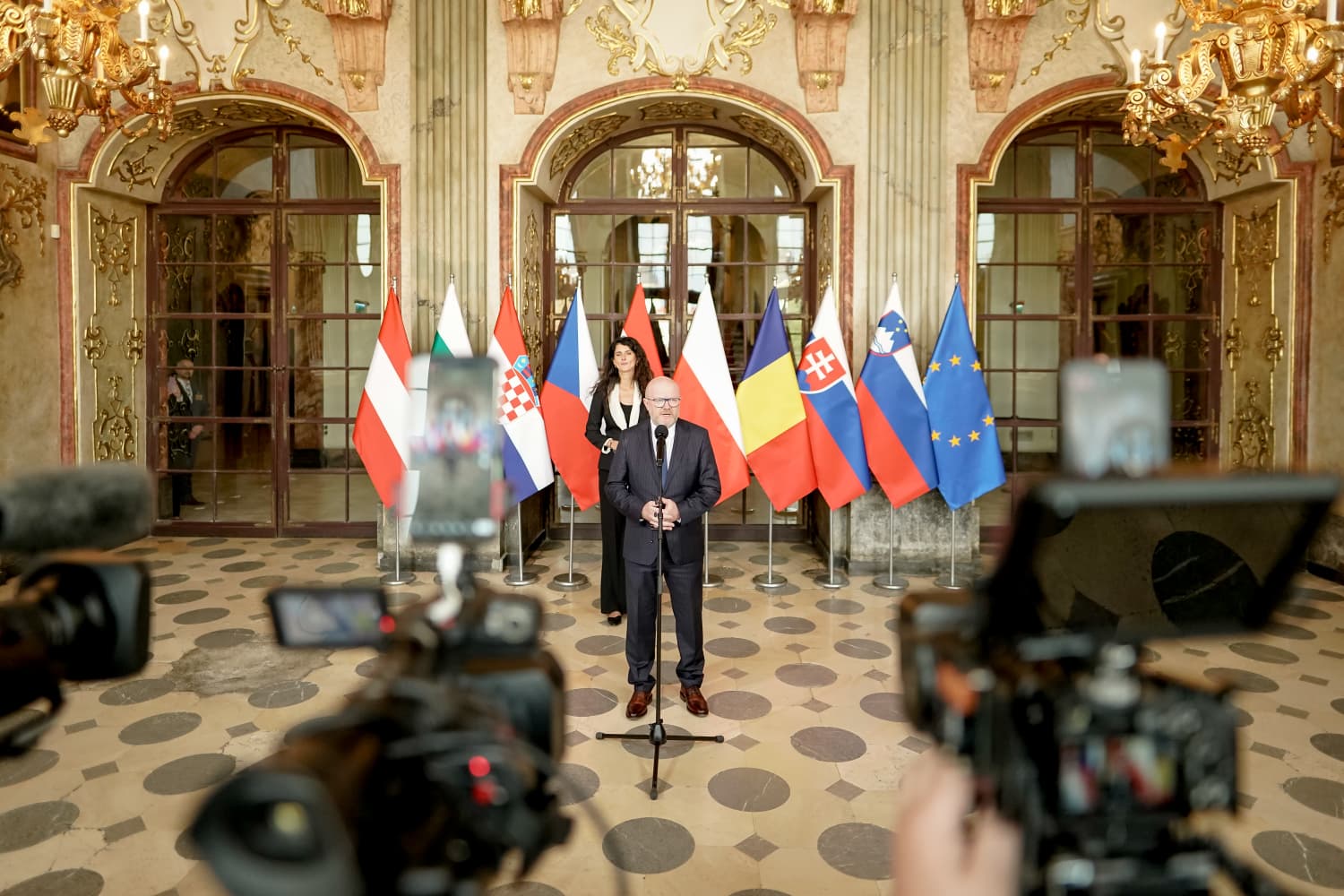
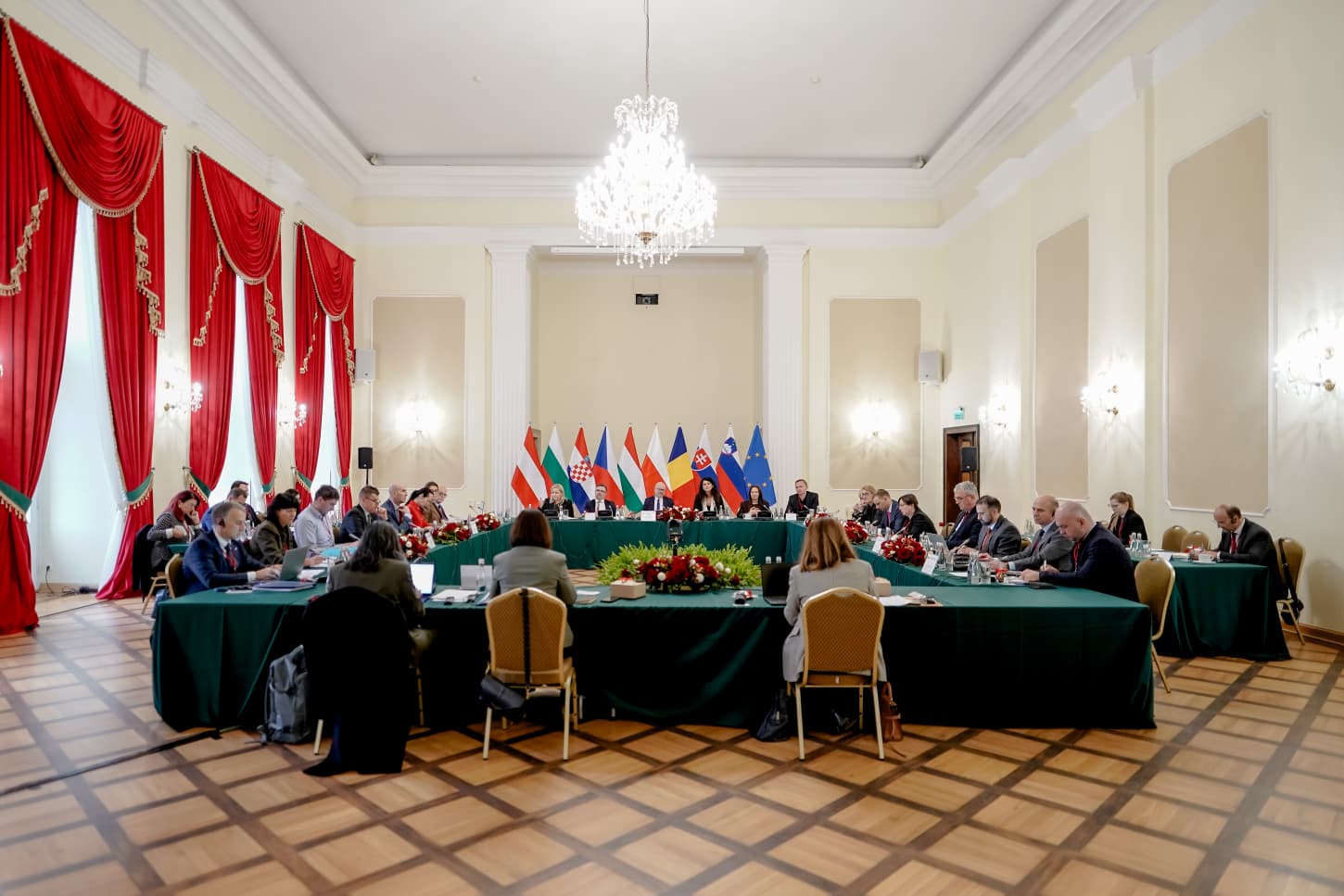
Deputy Minister Maciej Duszczyk chaired the proceedings of the Forum Salzburg ministerial conference at Książ Castle in Lower Silesia. The agenda for the two-day summit focused primarily on debates concerning civil protection and extended to cover current migration challenges and future prospects. The summit attended by representatives of nine Central European states and EU institutions concluded with the adoption of a joint declaration. Thanks to the dialogue enabled by Forum Salzburg, Poland has an active impact on the collective voice of Central Europe, thus strengthening its position as the regional leader in terms of security matters. The summit also resulted in concluding an agreement establishing the border trijunction between Poland, the Czech Republic and Slovakia.

Civil protection and civil defence partnerships as a response to today’s challenges
The two-day Forum Salzburg conference at Książ Castle focused in particular on partnerships and cooperation between the states in this region of Europe in the field of civil protection and civil defence. Over the past two years, Poland has been highly effective in accelerating the development of civil resilience and improving the protection of its inhabitants.
Our debates focus first and foremost on issues that are of fundamental importance to most European states, with particular emphasis on civil protection. We share our experiences on preventing incidents and negative impacts, which are unfortunately becoming an increasingly frequent occurrences in our reality
- said Deputy Minister Maciej Duszczyk.
Today’s challenges are largely linked to the escalation of aggression by the Russian Federation, hybrid warfare and threats emerging across the whole of Central and Eastern Europe. Poland responded to these challenges by enacting the Act on Civil Protection and Civil Defence in 2024, updating evacuation plans, as well as fostering closer cooperation with neighbours and partners, while promoting civil preparedness within the European Union.
The debates taking place during the summit at Książ Castle are particularly important in the context of the European Union. Since the states of the region hold very similar positions, we want to speak with one voice during discussions with the European Commission and other Member States
- the Deputy Minister of the Interior and Administration pointed out.
A key element of this new approach is the flexible use of EU funding and the development of dual-use infrastructure. As a country responsible for protecting the external border of the European Union, Poland is committed to ensuring that the future Multiannual Financial Framework provides systematic support for resilience and the protection of critical infrastructure on the eastern flank.
Security remains a priority in Poland’s migration policy
The second day of Forum Salzburg was devoted to migration. Deputy Minister Maciej Duszczyk pointed out that the whole of the European Union already recognises that migration policy must balance security concerns with European values such as democracy, human rights and international protection.
These factors are important, but we must prioritise security – in this day and age, migration processes have a much bigger impact than in the past
- Deputy Minister Maciej Duszczyk pointed out.
The situation of Ukrainian citizens in European Union member states in the context of the ongoing war was one of the issues raised by the attendees. Blazing the trail for the entire European Union, Poland introduced a way to obtain a three-year residence card (CUKR) under the UKR scheme, which took effect on 5 March 2026. This solution enables individuals with established careers, who are integrated with their communities, to achieve lasting stability.
By a decision of the Council of the European Union, temporary protection for war refugees from Ukraine has been extended until the end of March 2028; however, Poland has also decided to implement a transitional scheme, which gives Ukrainian citizens the opportunity to apply for temporary residence permit. We are happy to share this experience with other countries, and we are seeing great interest in our scheme
- the Deputy Minister of the Interior and Administration explained.
Signing of the ‘Beskid’ border trijunction agreement
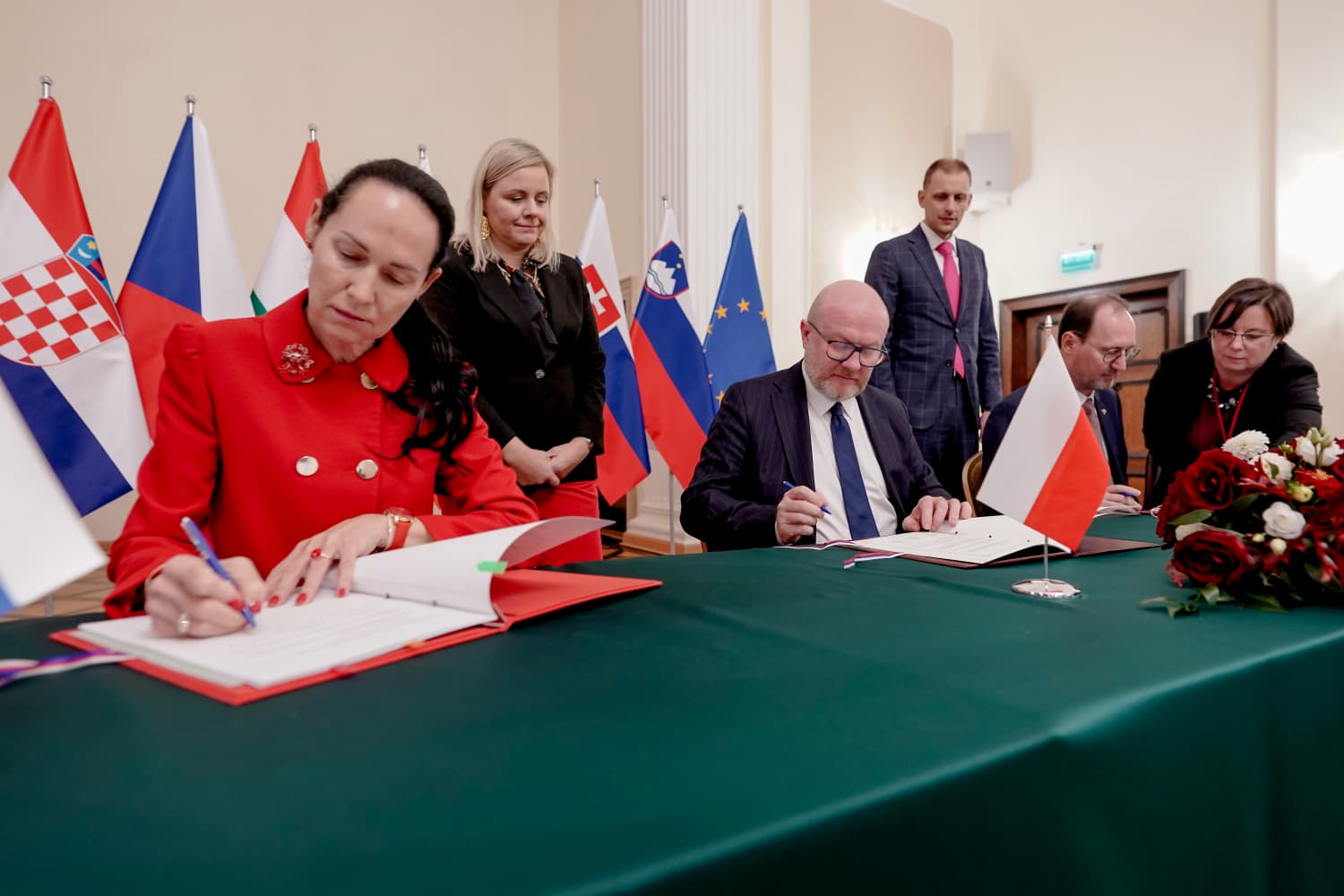
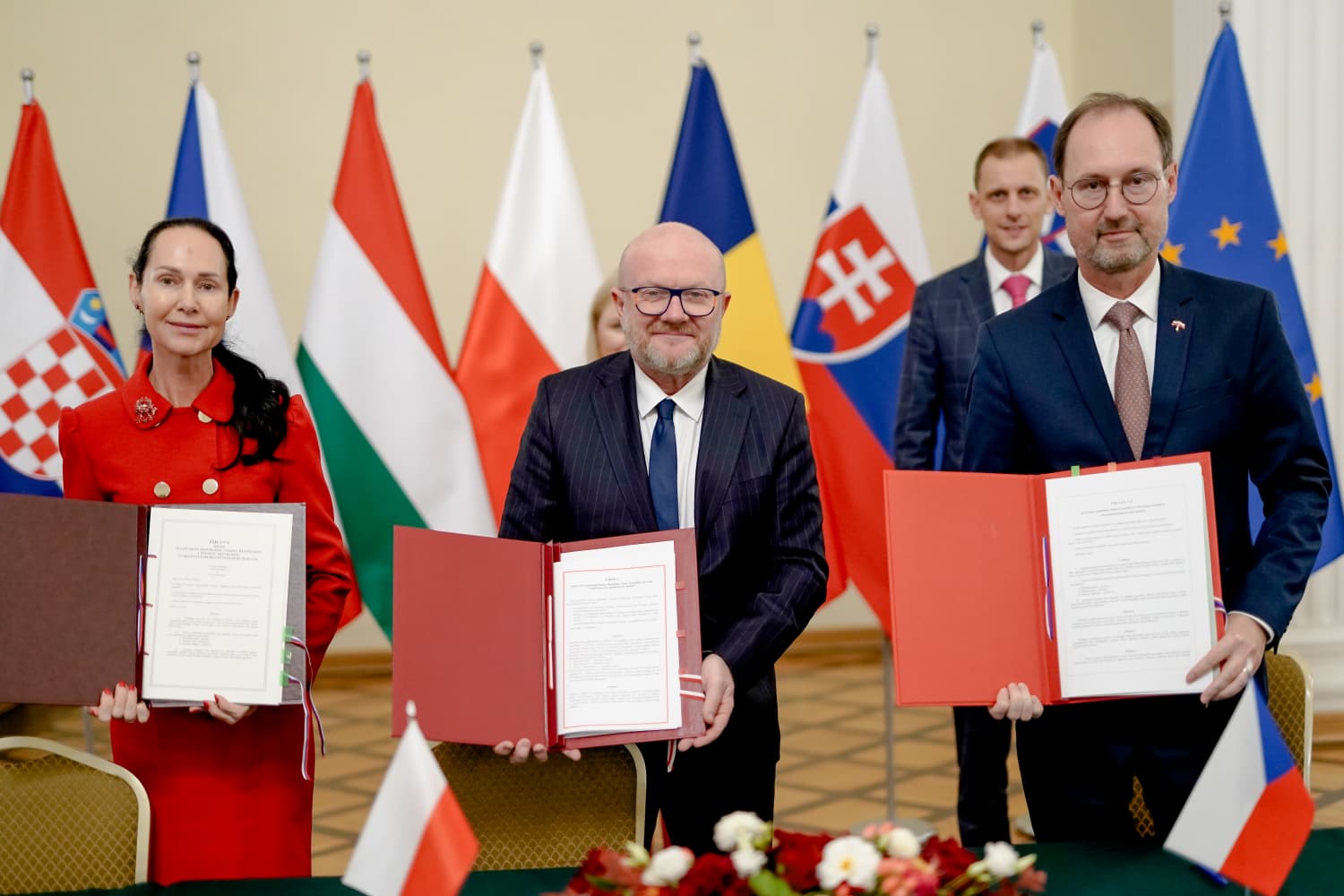
During the Forum Salzburg ministerial conference in Wałbrzych, on 28 October a trilateral agreement was signed between the Republic of Poland, the Czech Republic and the Slovak Republic concerning the ‘Beskid’ border trijunction. The agreement establishes the trijunction of the borders of the three states, its marking and its exact location.
Photos (10)
 Display photo 2 in the gallery.
 Display photo 3 in the gallery.
 Display photo 4 in the gallery.
 Display photo 5 in the gallery.
 Display photo 6 in the gallery.
 Display photo 7 in the gallery.
 Display photo 8 in the gallery.
 Display photo 9 in the gallery.
 Display photo 10 in the gallery.