Poland presented its position on migration at an extraordinary meeting of the JHA Council on the recent events in Ceuta
04.08.2026
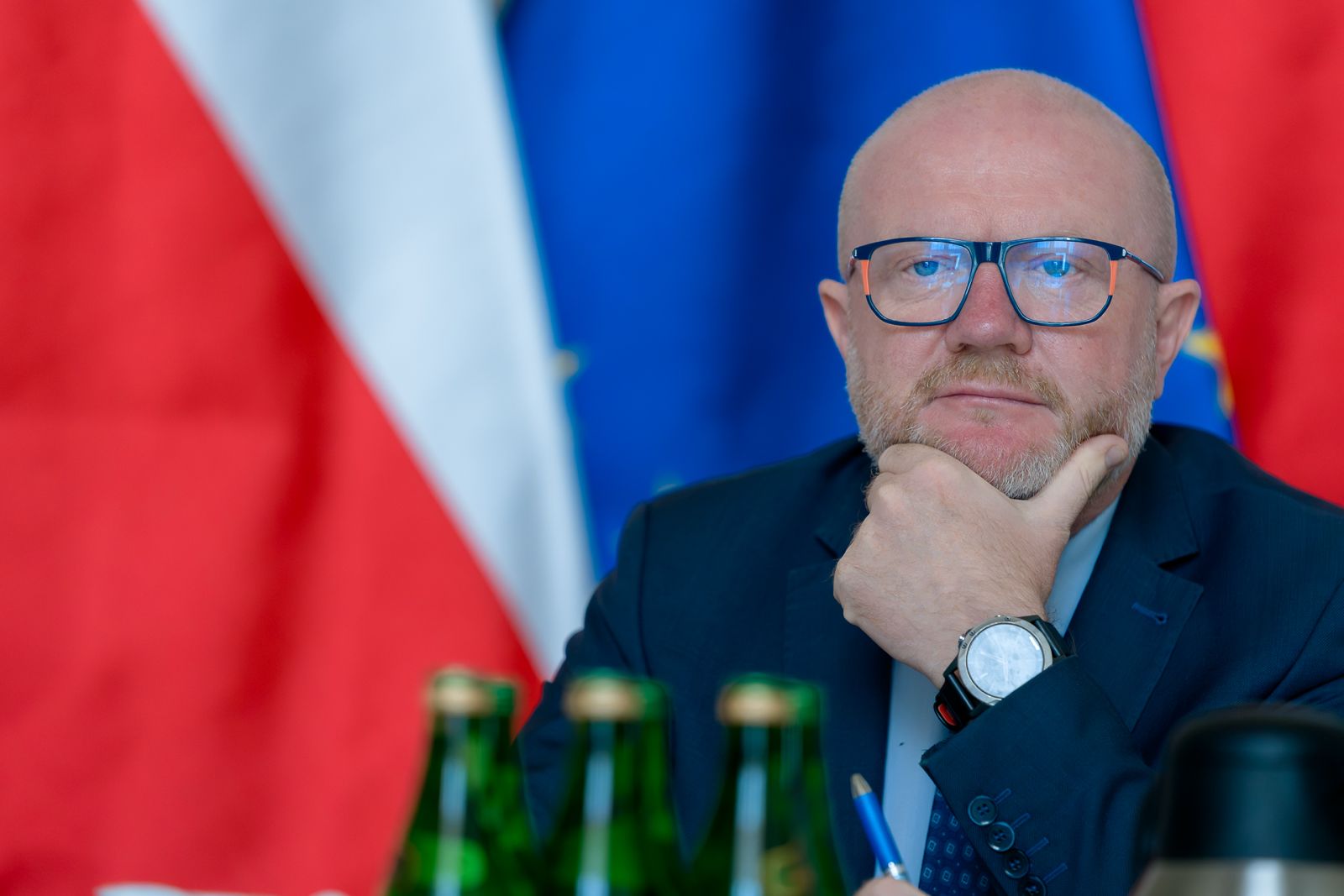
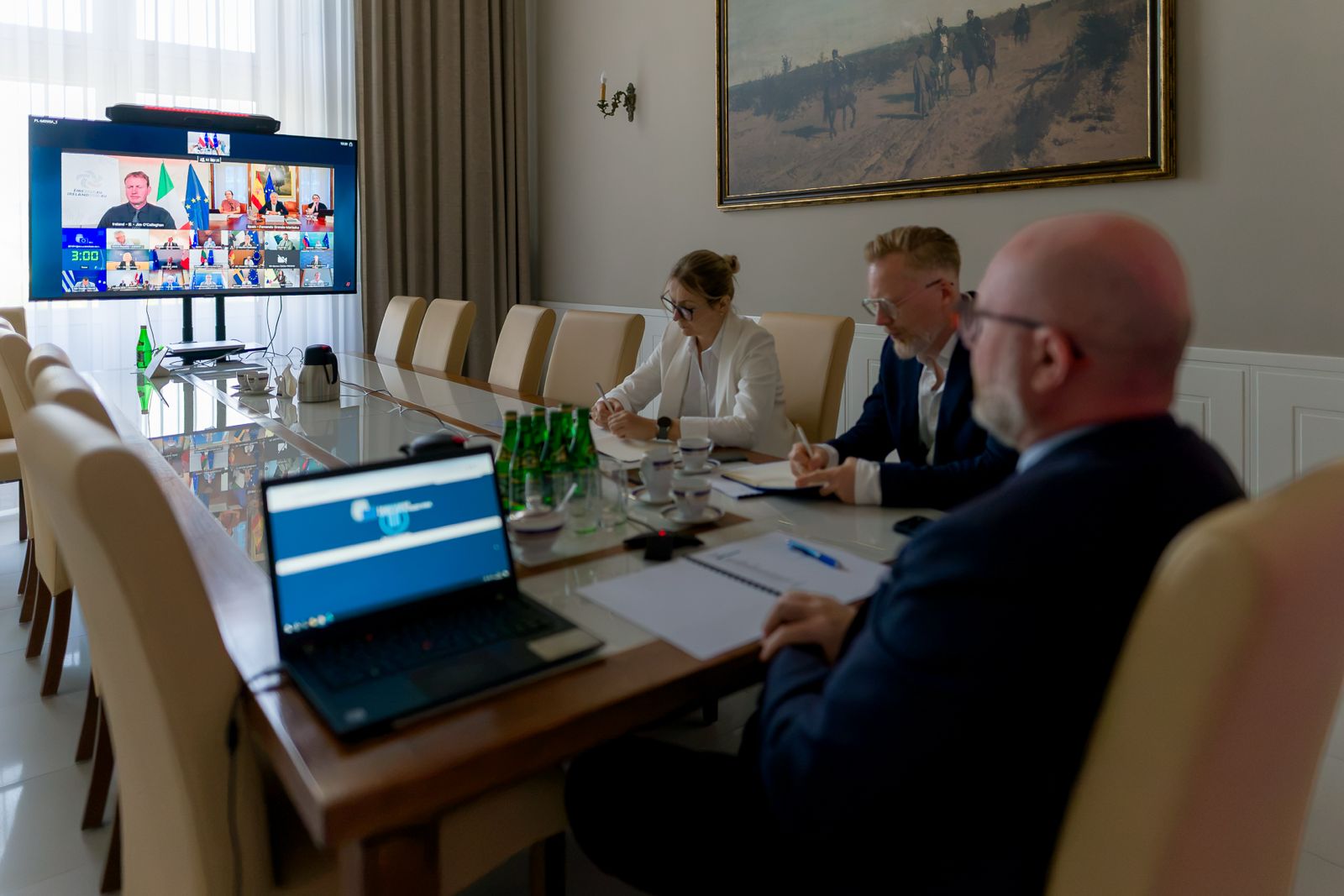
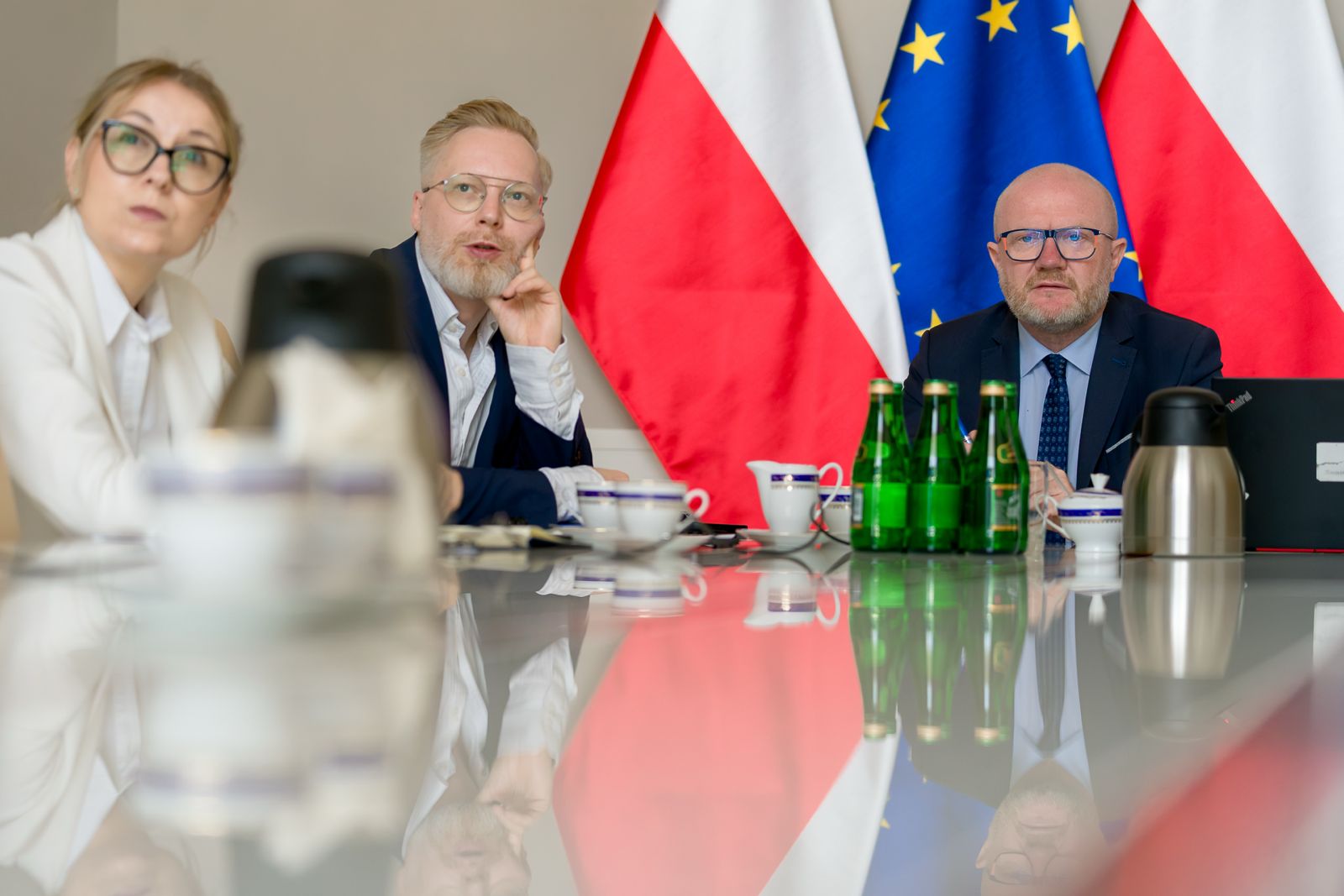
Maciej Duszczyk, Deputy Minister of Interior and Administration, took part in an extraordinary meeting of the Council of the European Union's Justice and Home Affairs (JHA) Council, held on Tuesday (4 August). The meeting focused on the migration situation in light of recent events in Ceuta. The Deputy Minister Duszczyk emphasised that the protection of the EU's external borders must be a priority, and that illegal entry into the European Union should automatically preclude the possibility of obtaining the right of residence, and thus also the possibility of settling permanently in the future. At the same time, he outlined Poland's experience of protecting its borders against migration being exploited for political ends. Poland welcomes the fact that an increasing number of Member States share its views on migration. Migration must be subject to full control. Only this will prevent the possibility of using it against the values that underpin the EU.

The migration crisis in Ceuta, Spain, was the main topic of the ministers’ meeting
The leaders of 22 EU Member States called for a video conference to be convened in a letter sent on Saturday (1 August this year) in connection with the situation in Ceuta. One of its signatories was Prime Minister Donald Tusk. In their letter, the leaders expressed deep concern about recent events at the European Union’s external border in Ceuta and highlighted the need for an immediate and coordinated European response.
Poland is prioritising security
For years, Poland has consistently emphasised that the effective protection of the European Union’s external borders and solidarity with those countries that protect the Community from illegal migration must be a priority for the entire European Union. The main conclusions from the meeting are the need to ensure full control over the EU’s external borders; the adoption of the principle that illegal entry into the EU automatically precludes the possibility of remaining there; and the official recognition of migration as a challenge directly linked to security. The arrangements also included increased support from the EU budget for migration policy, including the construction of physical barriers at borders, and a significant strengthening and acceleration of the return and deportation of migrants whose presence in the EU is undesirable.
Poland’s borders are effectively protected
The Polish delegation presented its own experiences in border protection in the context of the instrumentalisation and weaponisation of migration, and of adapting legislation to the challenges posed by migration. This involves, first and foremost, robust security measures at the national border, but also measures such as the temporary and territorial suspension of the right to apply for asylum after crossing the Polish-Belarusian border. The example of Ceuta clearly shows that unrestricted access to asylum is impossible to maintain in the face of such very real threats, which makes it essential to swiftly implement the provisions of the Chisinau Declaration, which was adopted by all member states of the Council of Europe and initiated by Poland. Poland supports all measures designed to ensure the security of the European Union and expresses its full solidarity with Spain in combating illegal migration.