European Congress for Rural Renewal and Development
14.05.2025
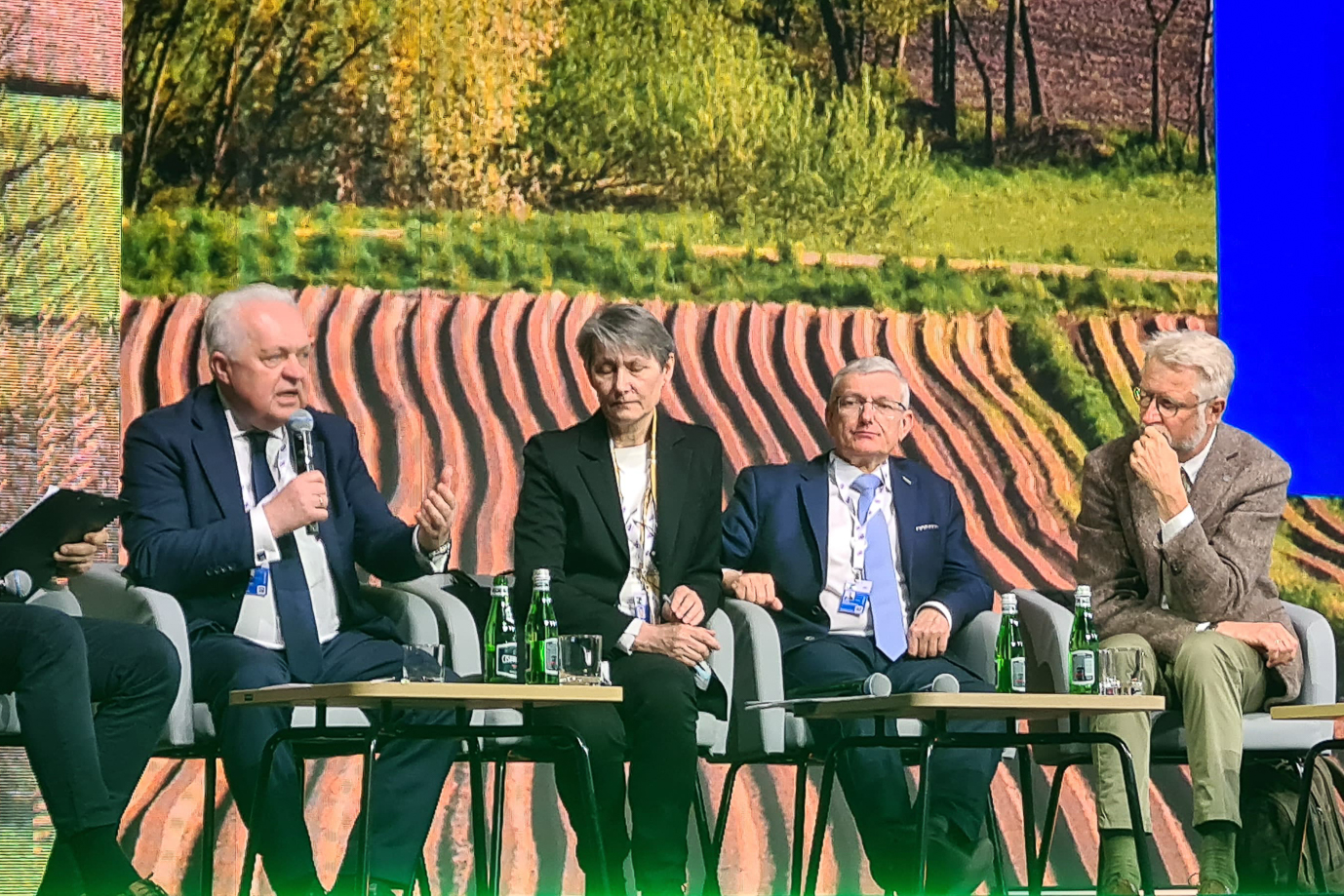
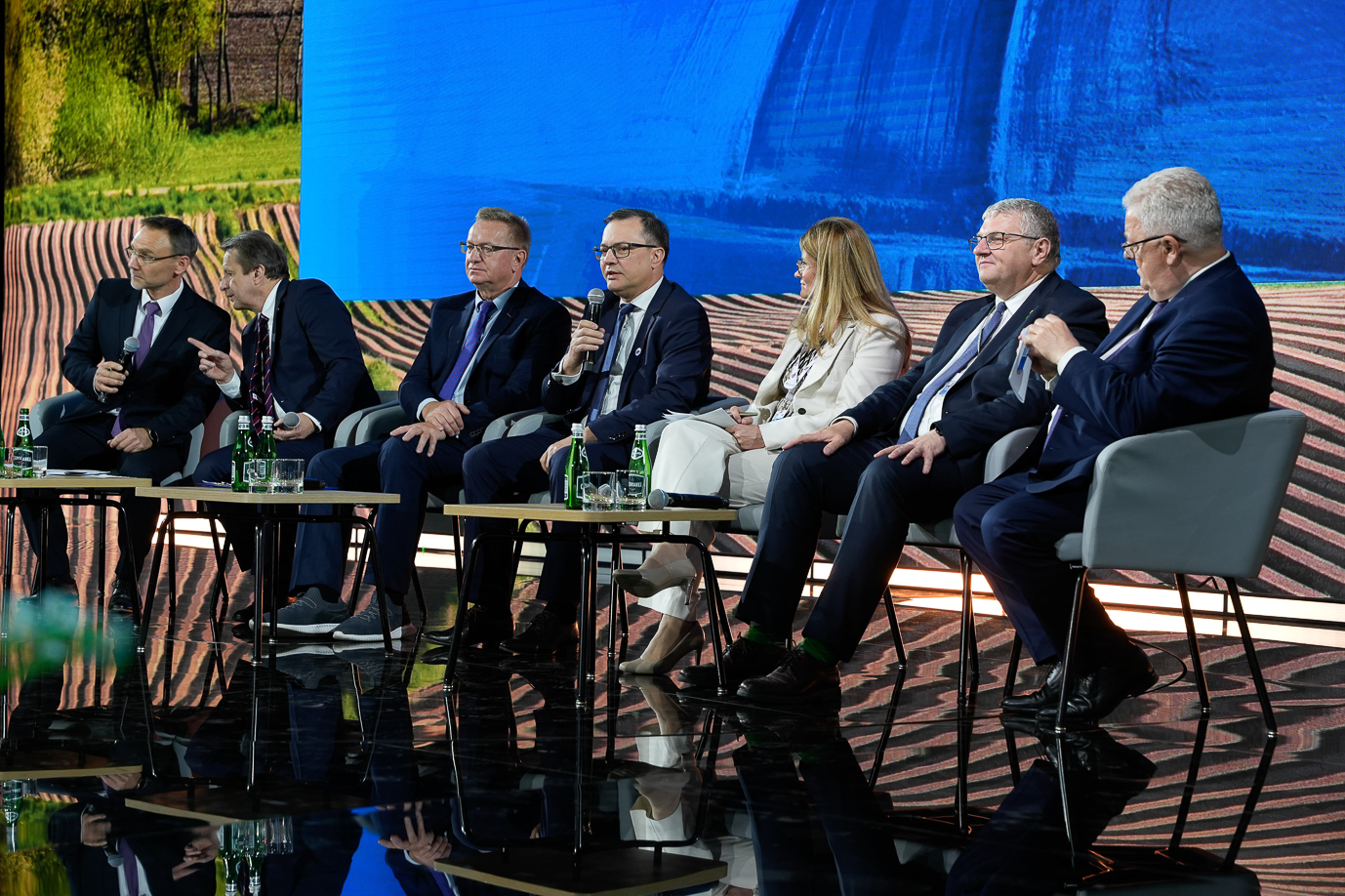
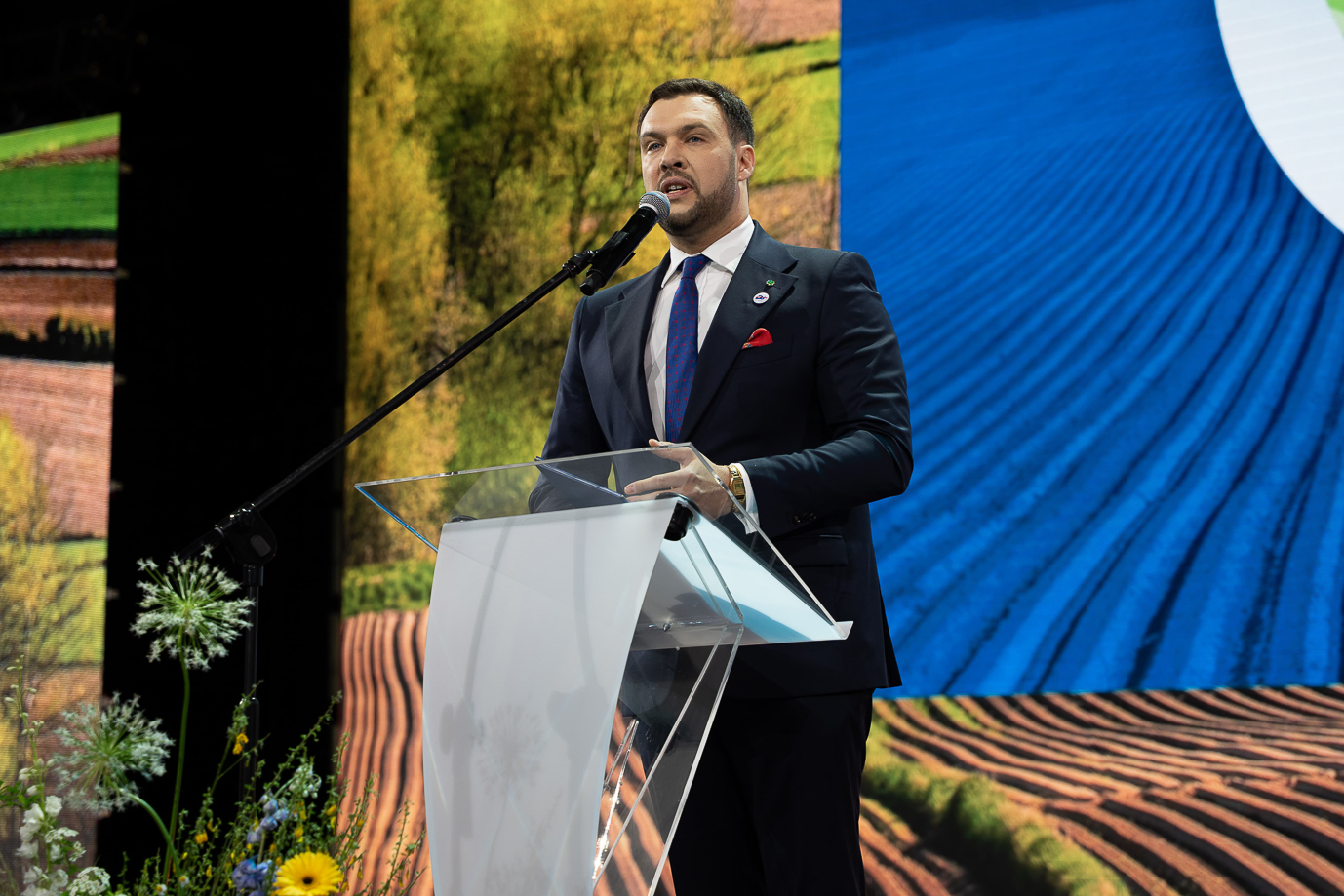
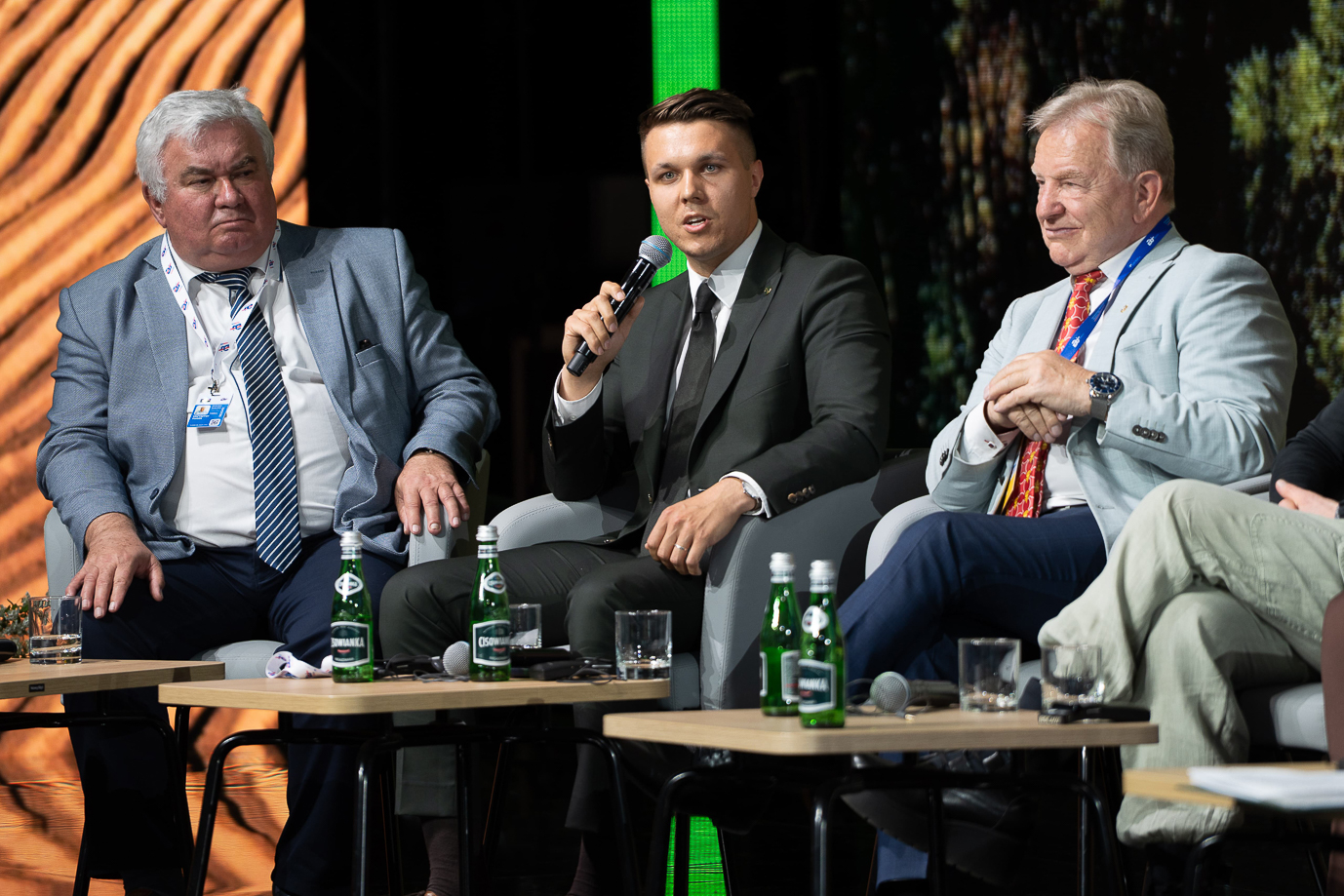
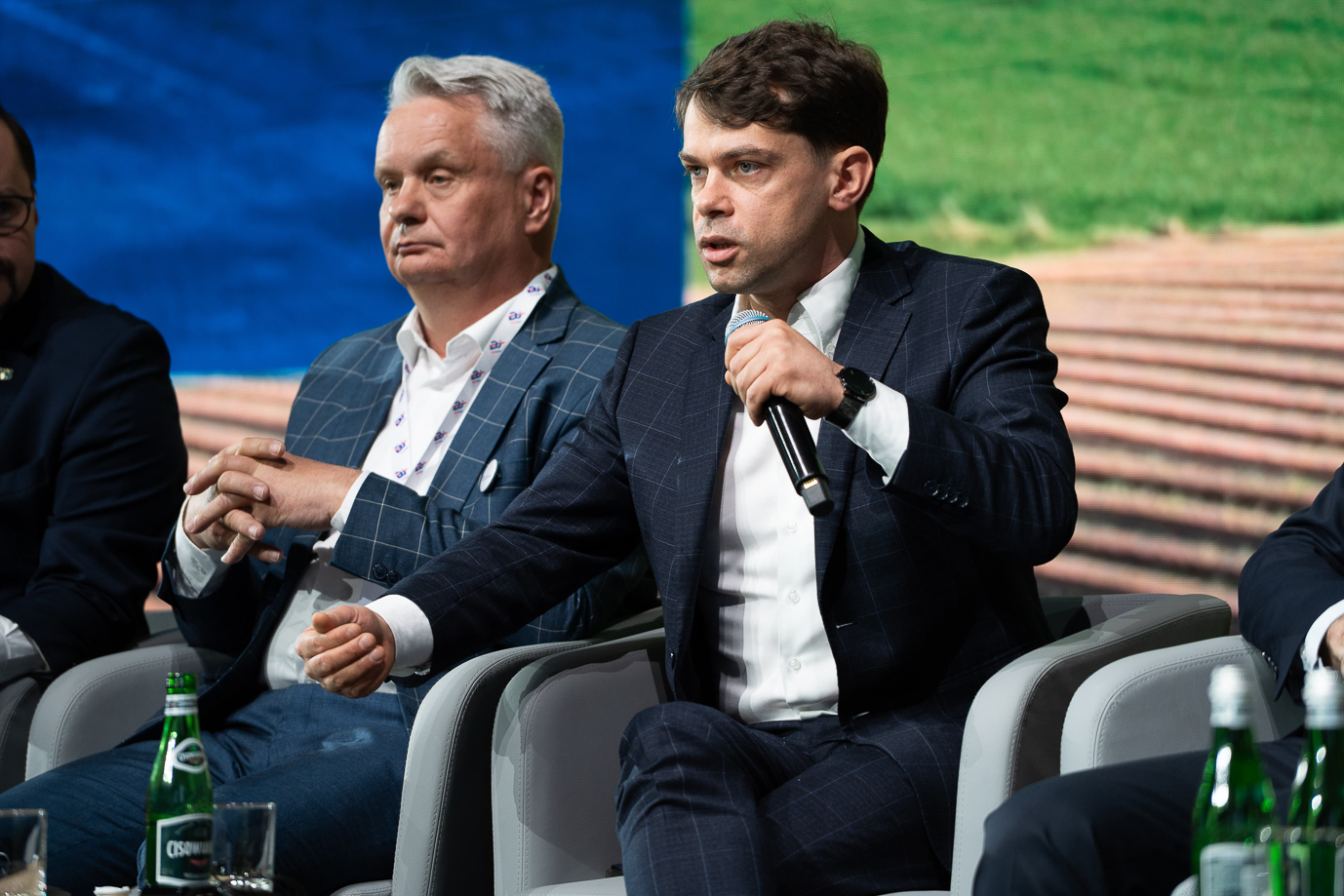
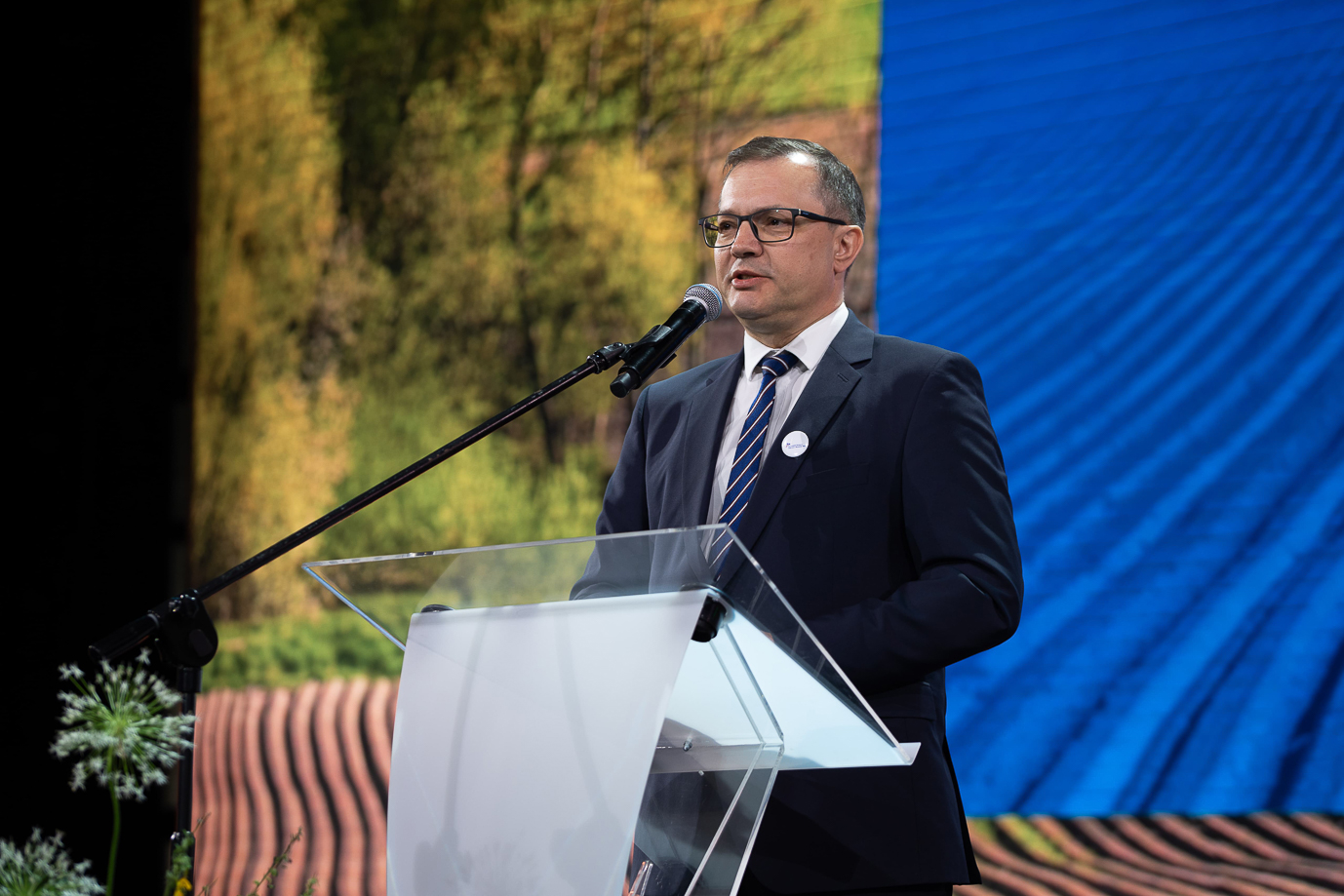
The European Congress for Rural Renewal and Development is already behind us. This three-day event, organised by the Ministry of Agriculture and Rural Development as part of the Polish Presidency of the Council of the EU, attracted nearly 4,500 people - participants in the panels, debates and workshops, as well as visitors to the accompanying exhibition. On the one hand, the Congress was a venue of political discussion on the future of agriculture and rural areas, and on the other hand, a presentation of Polish folklore and an opportunity to taste wonderful Polish food. The most important venue - of the debate held for more than three days - was the plenary room, where more than 100 experts presented their topics. The partner of the event was the Local Government of the Wielkopolskie Voivodeship.

Important topics
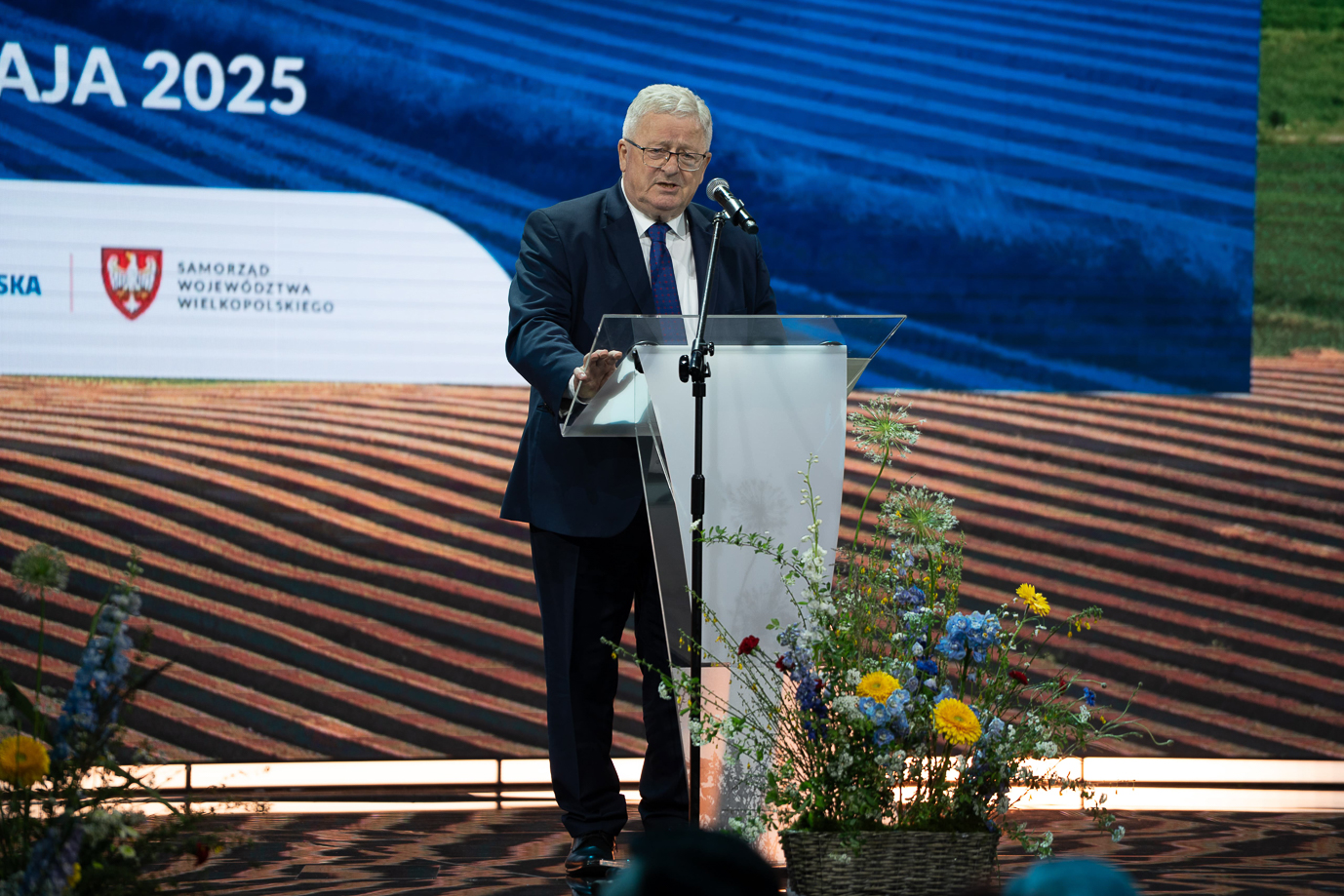
– An in-depth discussion on the future of European agriculture and food security is a priority of the Polish Presidency of the Council of the EU. As Chairman of the AGRIFISH Council in February and March, I held a broad exchange of views on the Vision between the Ministers of the Member States and the European Commission. The work was continued at the technical level during four meetings of the Special Committee on Agriculture dedicated to the Vision – stressed the Minister of Agriculture and Rural Development Czesław Siekierski during the Congress.
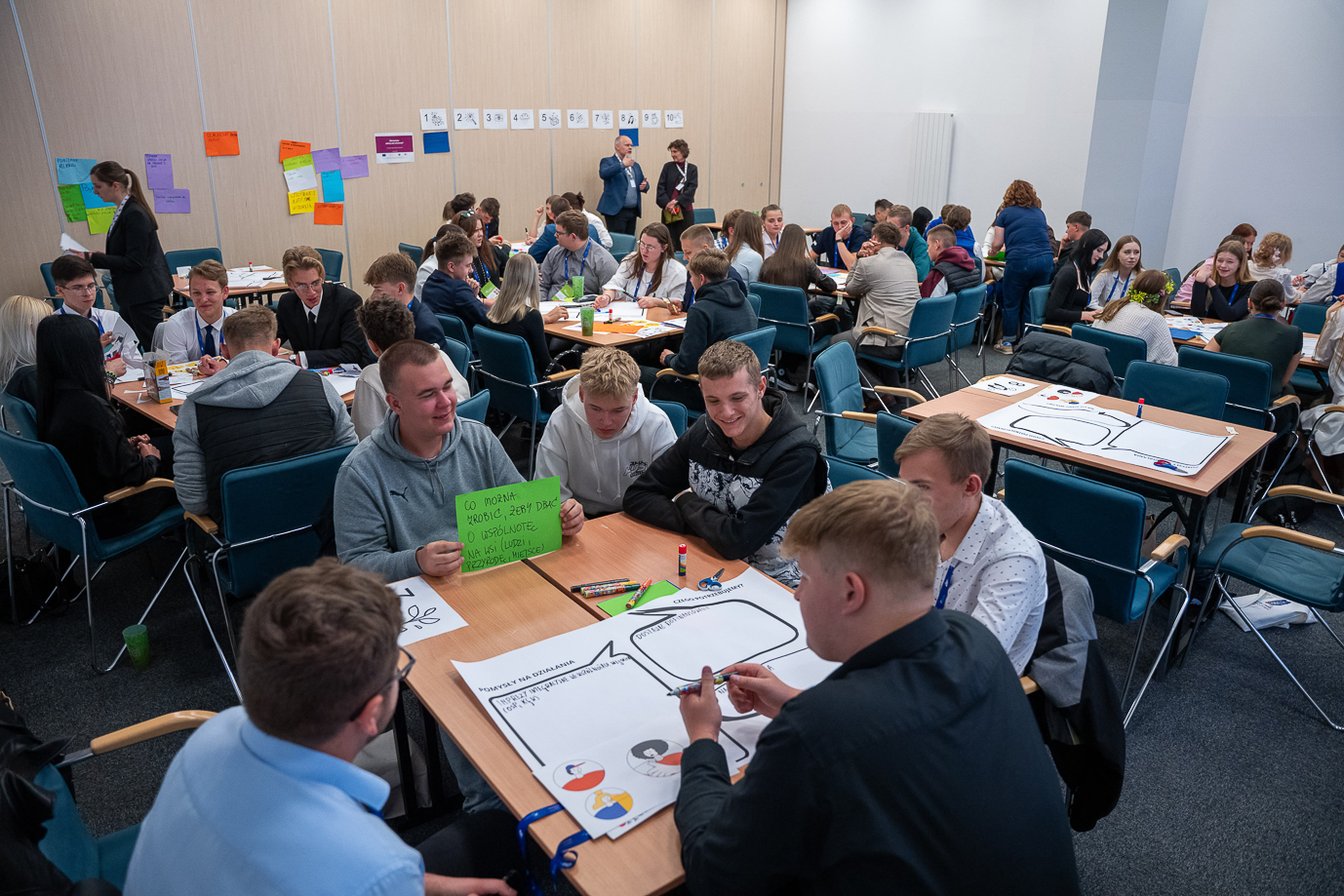
The programme of the Congress included: Wielkopolska, Local Development and Youth Day (8 May), Europe Day (9 May) and Polish Day (10 May).
– The EU is not only a community of 27 Member States, but also a community of regions and people. We have to take care of this community. Under the Polish Presidency of the Council of the EU and today’s event – the largest during our presidency – we want to show that the Polish Presidency is not only a political event, but also an event of all of us – officials, governmental and non-governmental organisations, a community of all those who are not indifferent to the future of the Polish countryside – stressed the Undersecretary of State Adam Nowak during the opening of the Congress.
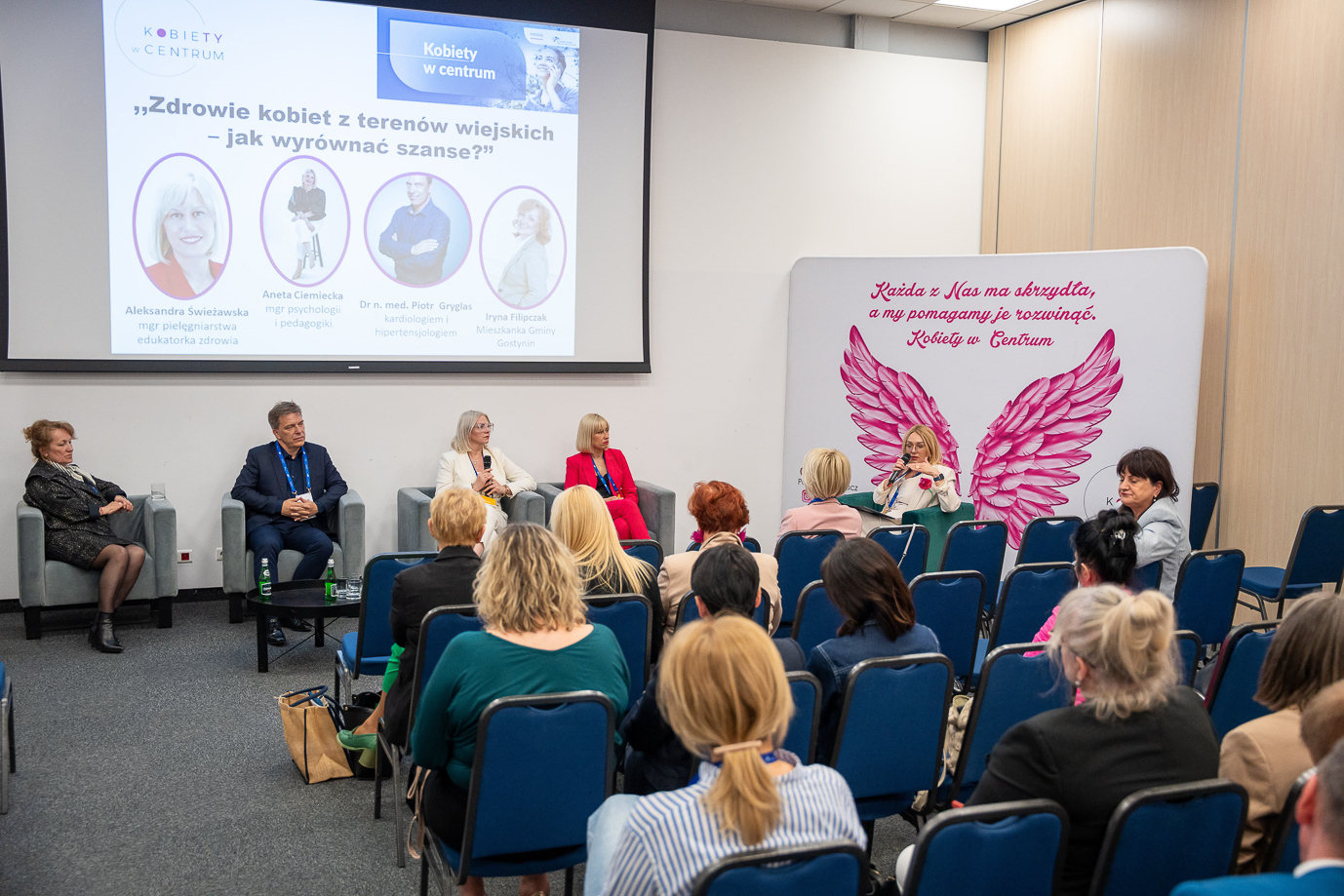
On the first day, topics revolved around what the rural community is engaged with on a daily basis. The discussion concerned, among others, the use of EU funds, the role of science, health, rural tourism, women. Examples of village renewal based on the experiences of the Wielkopolskie Voivodeship were presented.
The women’s point of view was presented by the Deputy Minister for European Union Affairs Magdalena Sobkowiak-Czarnecka. – The EU funds and the processes of digitisation and digitalisation have changed a lot. Today, women staying in rural areas may have professional lives, pursue their own businesses, manage online stores. It is these changes that have shortened the distance and let them stay in their small homeland, while reaching their professional and personal goals – she said.
The issues discussed included the topic which has been very popular recently, namely, securing the productive functions of the countryside and the inflow of urban residents to rural areas. – Rules ensuring that farmers may conduct agricultural production without obstacles are needed, but their introduction must be preceded by dialogue and educational measures. All forcible solutions will only exacerbate social conflicts. First of all, farmers and immigrant rural residents must understand their situation and their needs – stated the Secretary of State Michał Kołodziejczak.
On the Europe Day, the speakers’ speeches often referred to 21 years of transformation in the Polish countryside, related to the presence in the EU.
Minister Czesław Siekierski stressed that from the perspective of 21 years, we could see how well Polish farmers had made use of the opportunity provided to them by the Common Agricultural Policy, and what position – in spite of many difficulties – Polish agriculture had gained during that time not only in Europe, but all over the world.
– Poland’s accession to the European Union resulted in truly significant changes in the development of Polish agriculture, the economic condition of farms and the living conditions of the rural population. But the Europe Day is not just a moment to recapitulate the existing achievements. First of all, this is the time to talk about the future. About the countryside and agriculture we want after 2027 – said the Minister.
The importance of the event was highlighted by Commissioner Ch. Hansen. – The European Congress for Rural Renewal and Development is what we need to pave the way toward a prosperous, sustainable and inclusive future of rural areas in the European Union. Today, on the Europe Day, we are also celebrating our common values and efforts aimed at building a better future for the Community – said Commissioner Christophe Hansen.
The European Congress for Rural Renewal and Development was also an opportunity to discuss the European Commission’s paper – “Vision for agriculture and food”. During the discussion, the speakers raised many issues of importance for European farmers. A guarantee was made that the two-pillar nature of the common agricultural policy and direct payments to farmers would be maintained.
Commissioner Ch. Hansen stressed that we should remember about the diversification of European agriculture. That agriculture and rural areas in each Member State have their own specific nature. That is why it is so important that the political vision considers a territorial approach and responds to local needs. – Diversity is a power that we must use since rural areas are not homogeneous and should not be treated as such. They differ in terms of geography, culture, traditions, as well as socio-economic conditions - said the Commissioner for Agriculture and Food.
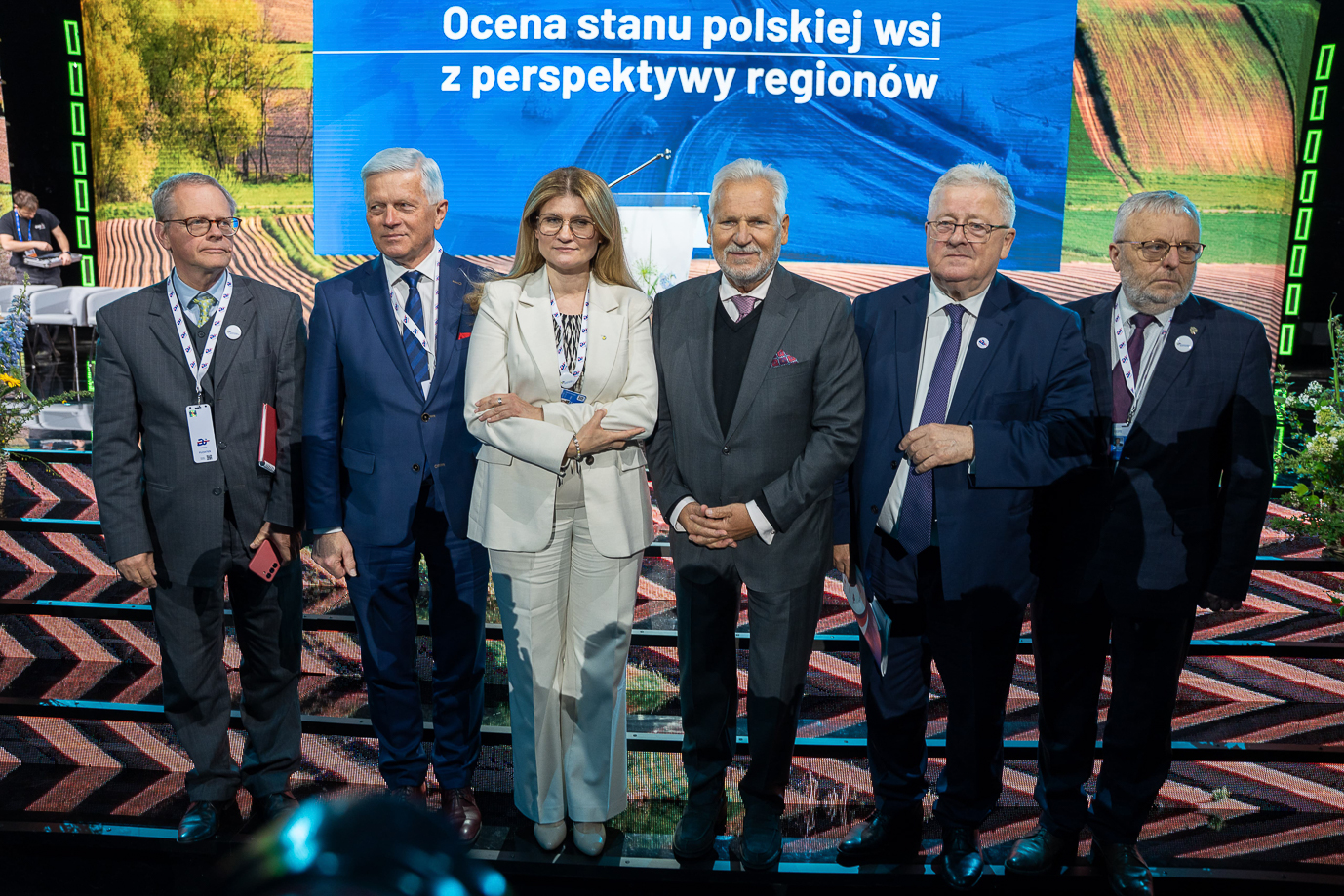
On the third day, the speakers focused on assessing the condition of the Polish countryside, the directions of transformation and the challenges of the present. The participants in the discussion pointed out that we were currently at a turning point, facing concurrent crises: the war in Ukraine, the climate crisis and the dynamic digital revolution.
The Secretary of State Jacek Czerniak referred to the discussion on the shape of the Common Agricultural Policy post-2027. He stressed that Poland advocated for the CAP remaining strong, stable and two-pillar, and, first of all, adequately financed. – It is not about any radical revolution, but an evolution of the current system – its improvement, not disassembly. We assume that agriculture should be competitive and at the same time based on the principles of sustainable development – in social, economic and environmental terms. These elements cannot be separated. Of key importance is also an approach based on voluntariness – not imposing solutions, but convincing and showing the positive effects of changes – said the Deputy Minister.
In relation to the challenges, the participants in the discussion pointed to questions related to technological, demographic and social issues. They talked about the problem of depopulation of rural areas, the outflow of young people to cities, and the lack of prospects for local communities, which was broadly discussed all over Europe. They stressed that the future of the village depended primarily on the people.
– I can see that the transformation we are undergoing today is closely related to demographics. On the one hand, we must ensure that young people want to stay here and continue their lives and work in the countryside. On the other hand – we cannot forget that the countryside must continue to fulfil its productive function. It is the balance between these two goals that will determine its future – said the Secretary of State Stefan Krajewski.
The participants in the European Congress for Rural Renewal and Development stressed that first of all people were at the core of all activities, including in the area of rural renewal and development. – The phenomenon of rural renewal are people active in their areas, who know the needs of rural residents, have goals, visions and intentions. Let us give them the means and they will know how to use them in a wise manner – highlighted the Deputy Marshal of the Wielkopolskie Voivodeship Krzysztof Grabowski, co-organiser of the Congress.
Guests – participants in the ECRRD
The European Congress for Rural Renewal and Development was a high-level event attended by representatives of the ministries in charge of rural development of the EU27, institutions working for rural development, representatives of local governments, non-governmental organisations, scientific communities, leaders of rural communities, with particular consideration given to key communities: women, youth and sport.
The “Vision for agriculture and food” was presented by the EU Commissioner for Agriculture Christophe Hansen and the discussion on that Vision was attended by – in addition to Minister Czesław Siekierski – the high-level guests invited: Minister of Agriculture, Food Sovereignty and Forests of Italy Francesco Lollobrigida, Minister of Agriculture, Rural Development and Environment of Cyprus Andreas Gregoriou, Minister of Agriculture of Lithuania Ignas Hofmanas, Minister of Agriculture and Food Industry of Moldova Ludmila Catlabuga, Minister of State for Community Development and Charities of Ireland, Jerry Buttimer T.D., Secretary of State for Agriculture and Food of Spain Begoña García Bernal.
Among the participants in the Congress, there were: former President of the Republic of Poland Bronisław Komorowski, former President of the Republic of Poland Aleksander Kwaśniewski, Polish Ministers of Agriculture of previous governments, current members of the Government of the Republic of Poland.
Accompanying events
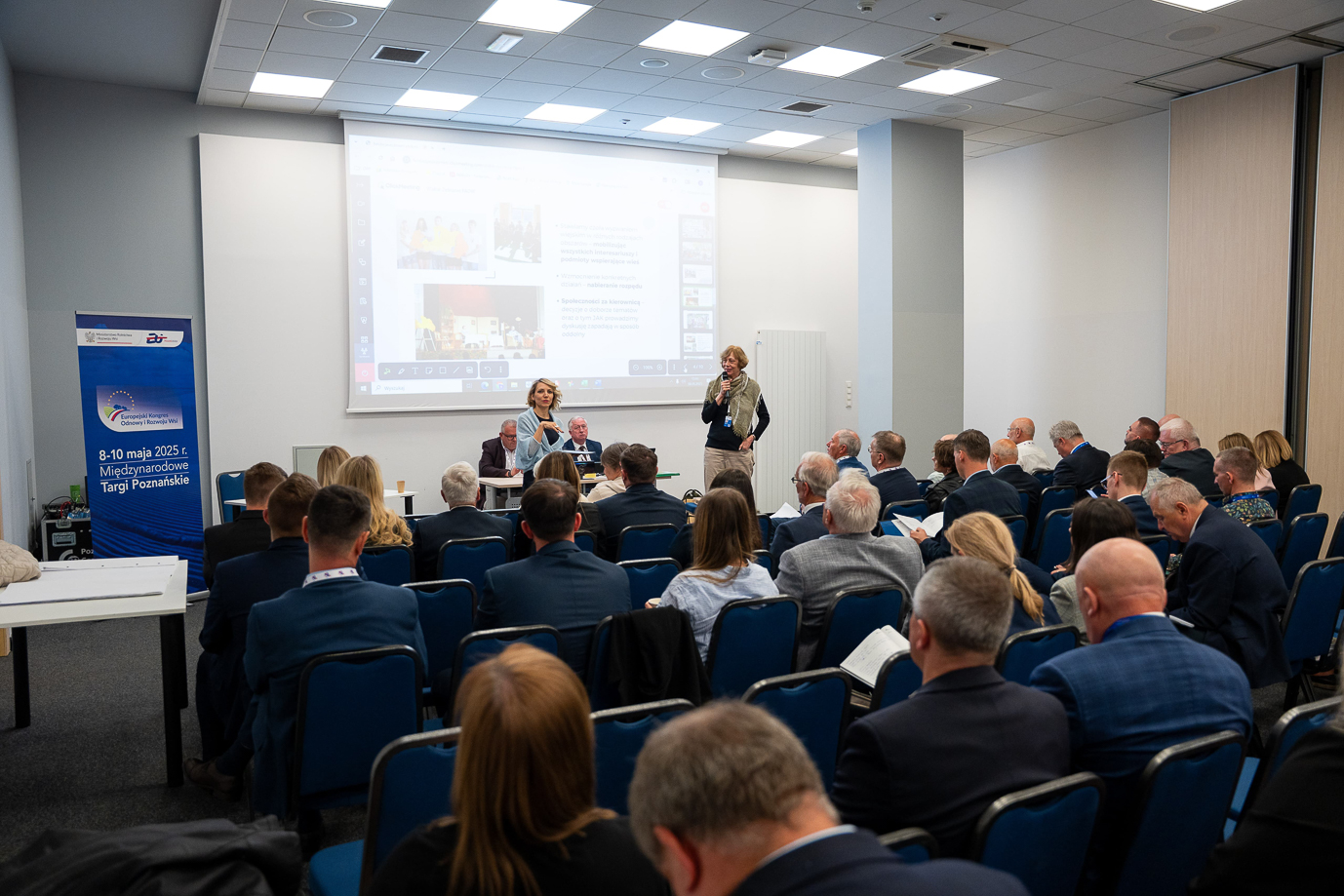
During the congress, there were about 20 accompanying events: conferences, workshops, discussion panels and meetings that were participated in by experts from various fields.
The programme also included the first meeting of the Polish Rural Parliament and presentations of good practices from all over Europe. An important position for the participants will be a scientific conference entitled “Polish Countryside – a vision of renewal and development”.
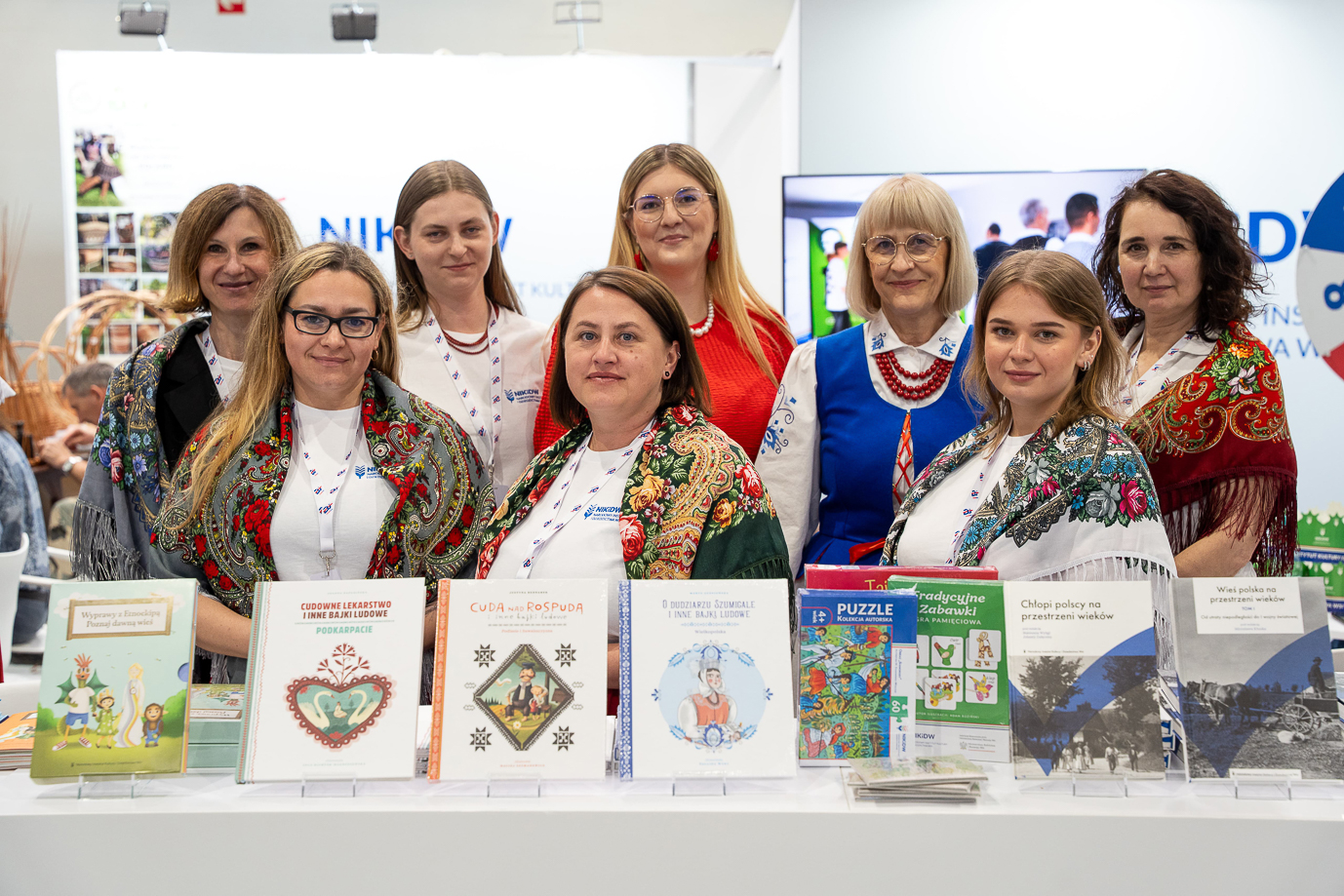
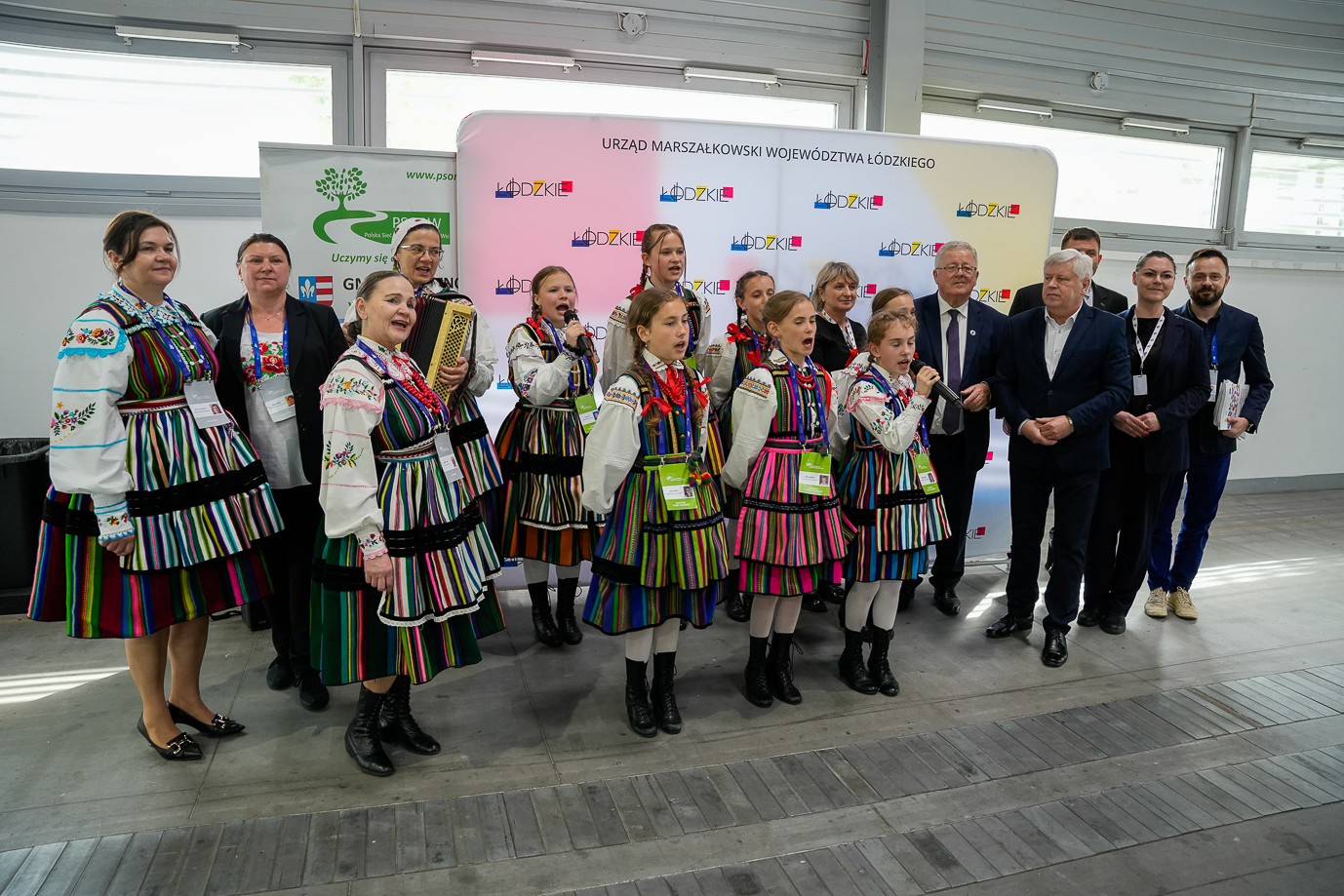
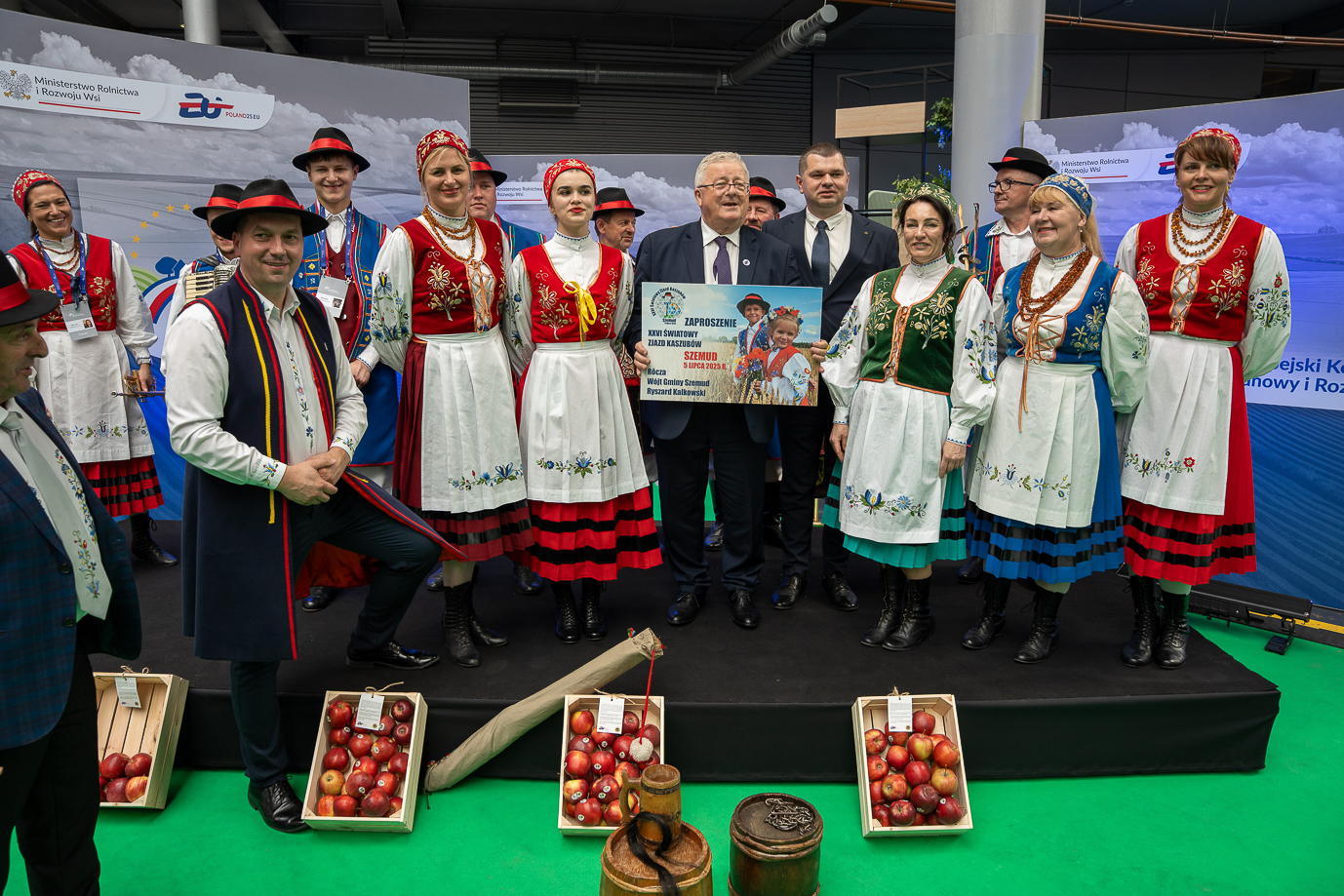
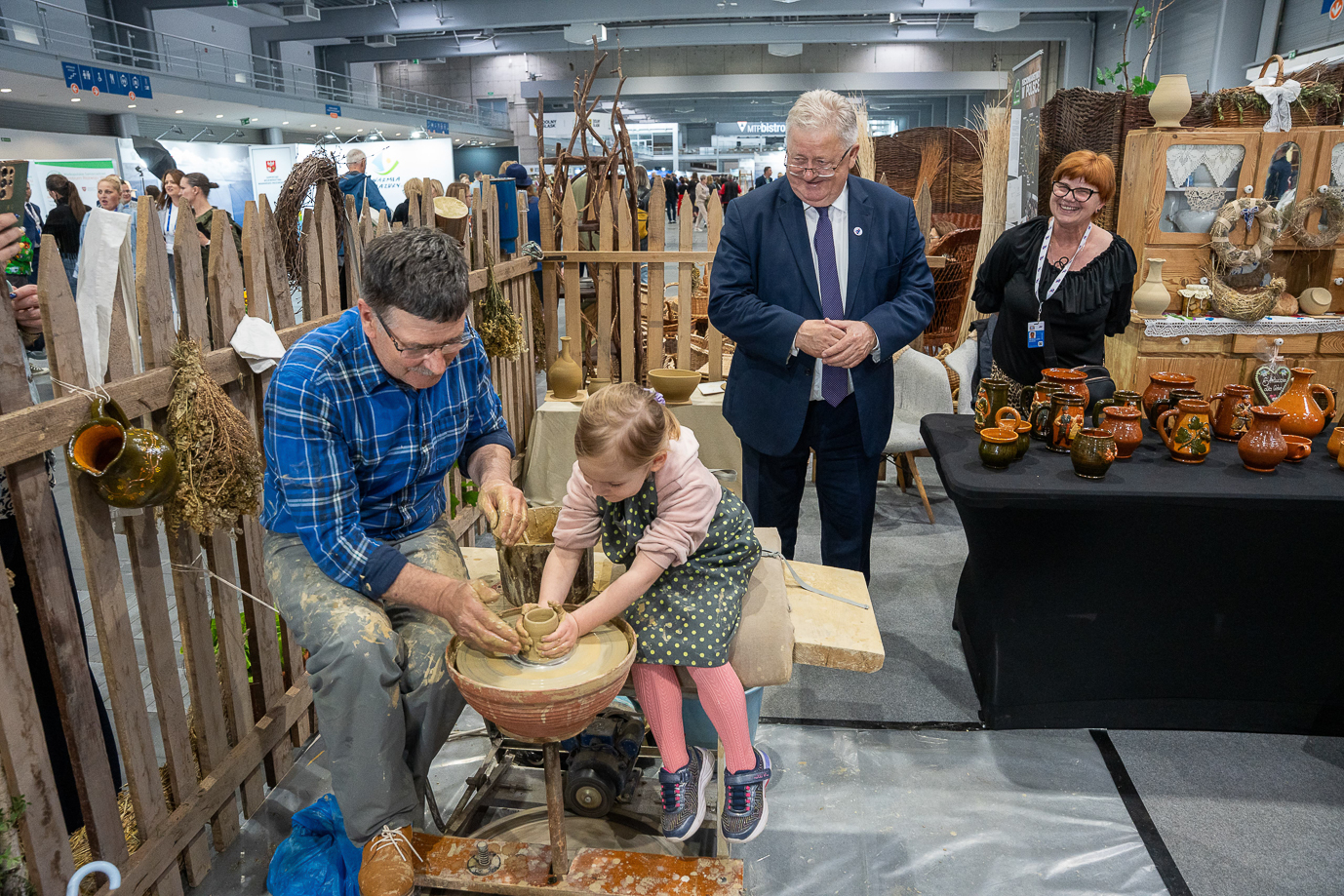
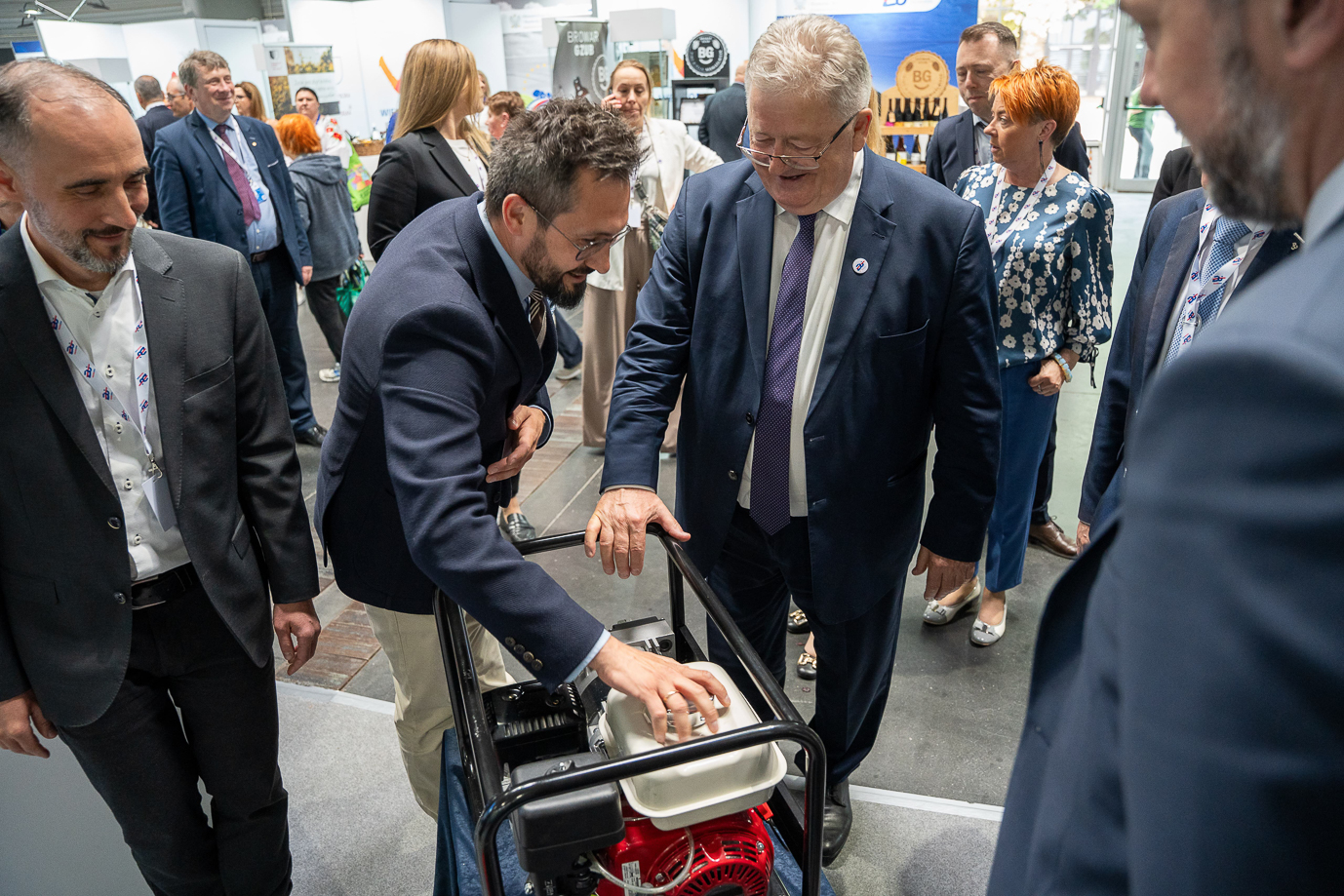
As part of the accompanying exhibition, the participants in the Congress could see what the 21st century countryside was – modern, friendly to live, but also faithful to its roots. The exhibition was a place full of music and dance, as well as the aromas of wonderful, Polish, traditional food. The voivodeship offices presented flagship handicraft and food products on their stands. Visitors could take part in a pottery workshop, make a beeswax candle on their own, win gifts in quizzes organised at the individual exhibition stands, as well as taste regional delicacies. As part of the exhibition, the National Support Centre for Agriculture organised the final of the competition for the Farmers’ Wives’ Associations – “Battle of the Regions”. The exhibition was visited by Minister Czesław Siekierski and Commissioner Christophe Hansen.
– The scale of the European Congress for Rural Renewal and Development is well reflected by the figures: more than 1,000 people involved in the organisation, 118 speakers, 18 ministers, 2 commissioners and 4,500 registered participants – emphasised the Director General of the Ministry of Agriculture and Rural Development Bogusław Wijatyk.
Meetings with the media during the ECRRD
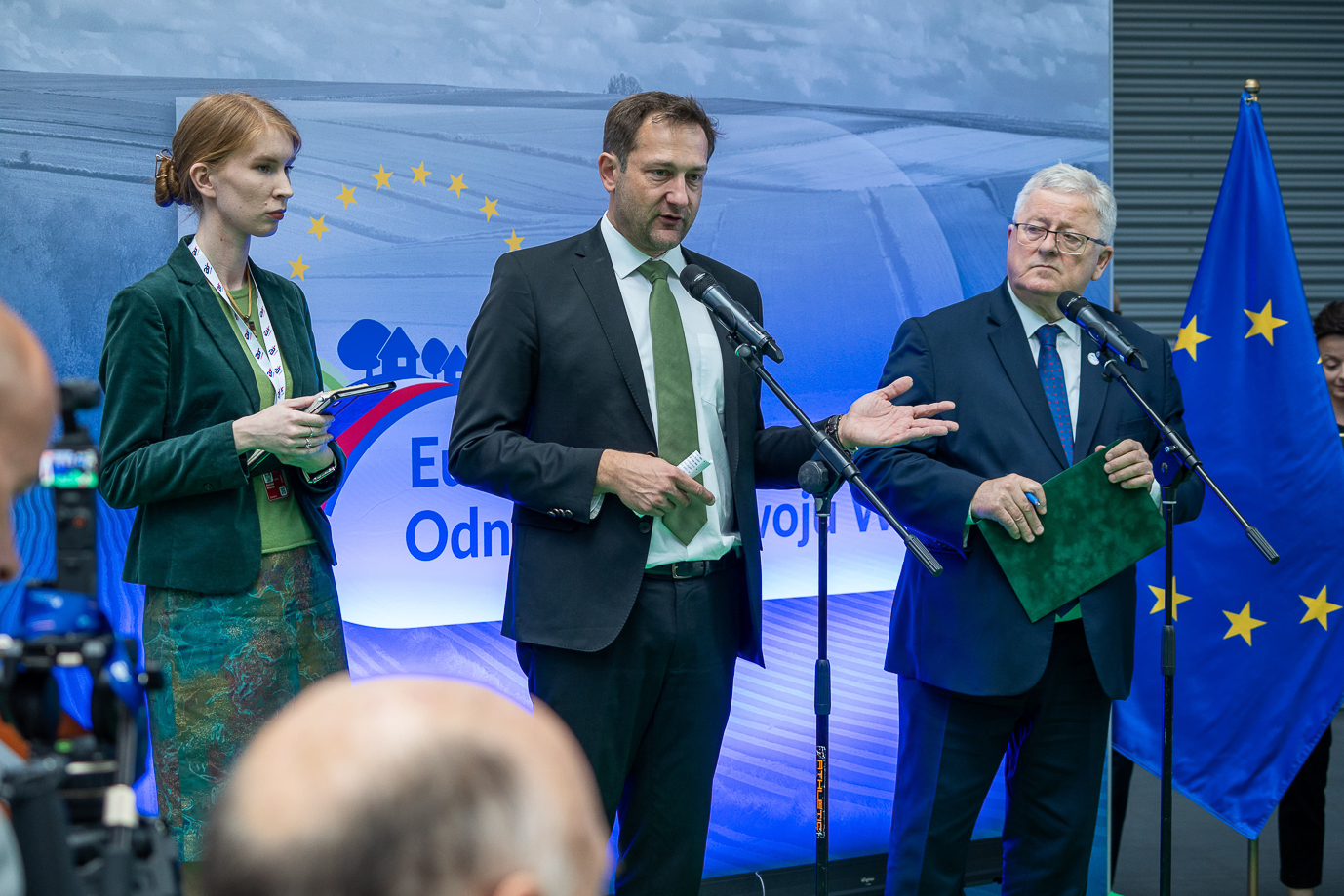
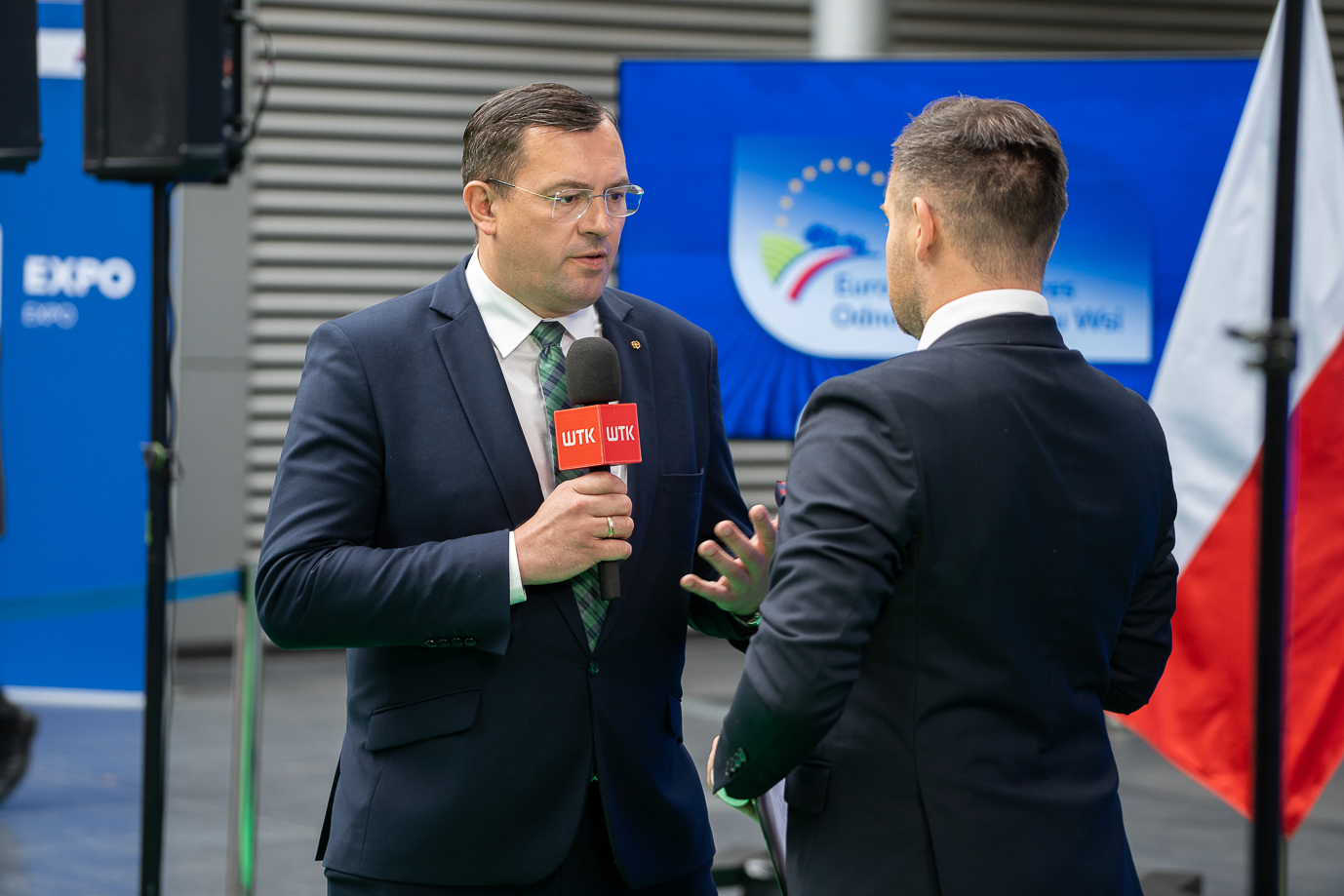
During the European Congress for Rural Renewal and Development in the Wielkopolskie Voivodeship – in Poznań and in a small production plant in Granowo – two press briefings were held with the participation of Minister Czesław Siekierski and invited guests. At the Poznań International Fair, the EU Commissioner for Agriculture Christophe Hansen, together with the Minister, provided information to the media. On the other hand, during the field visit, presenting the regional product included by the European Commission in the list of protected products – Wielkopolski ser smażony PGI – Minister Siekierski and Commissioner Hansen were accompanied by: EU Commissioner for Budget, Anti-Fraud and Public Administration Piotr Serafin and Minister for the European Union Adam Szłapka.
Photos (20)
 Display photo 2 in the gallery.
 Display photo 3 in the gallery.
 Display photo 4 in the gallery.
 Display photo 5 in the gallery.
 Display photo 6 in the gallery.
 Display photo 7 in the gallery.
 Display photo 8 in the gallery.
 Display photo 9 in the gallery.
 Display photo 10 in the gallery.
 Display photo 11 in the gallery.
 Display photo 12 in the gallery.
 Display photo 13 in the gallery.
 Display photo 14 in the gallery.
 Display photo 15 in the gallery.
 Display photo 16 in the gallery.
 Display photo 17 in the gallery.
 Display photo 18 in the gallery.
 Display photo 19 in the gallery.
 Display photo 20 in the gallery.