The AGRIFISH Council meeting in Brussels – discussions on important issues for agriculture and fisheries
11.12.2024
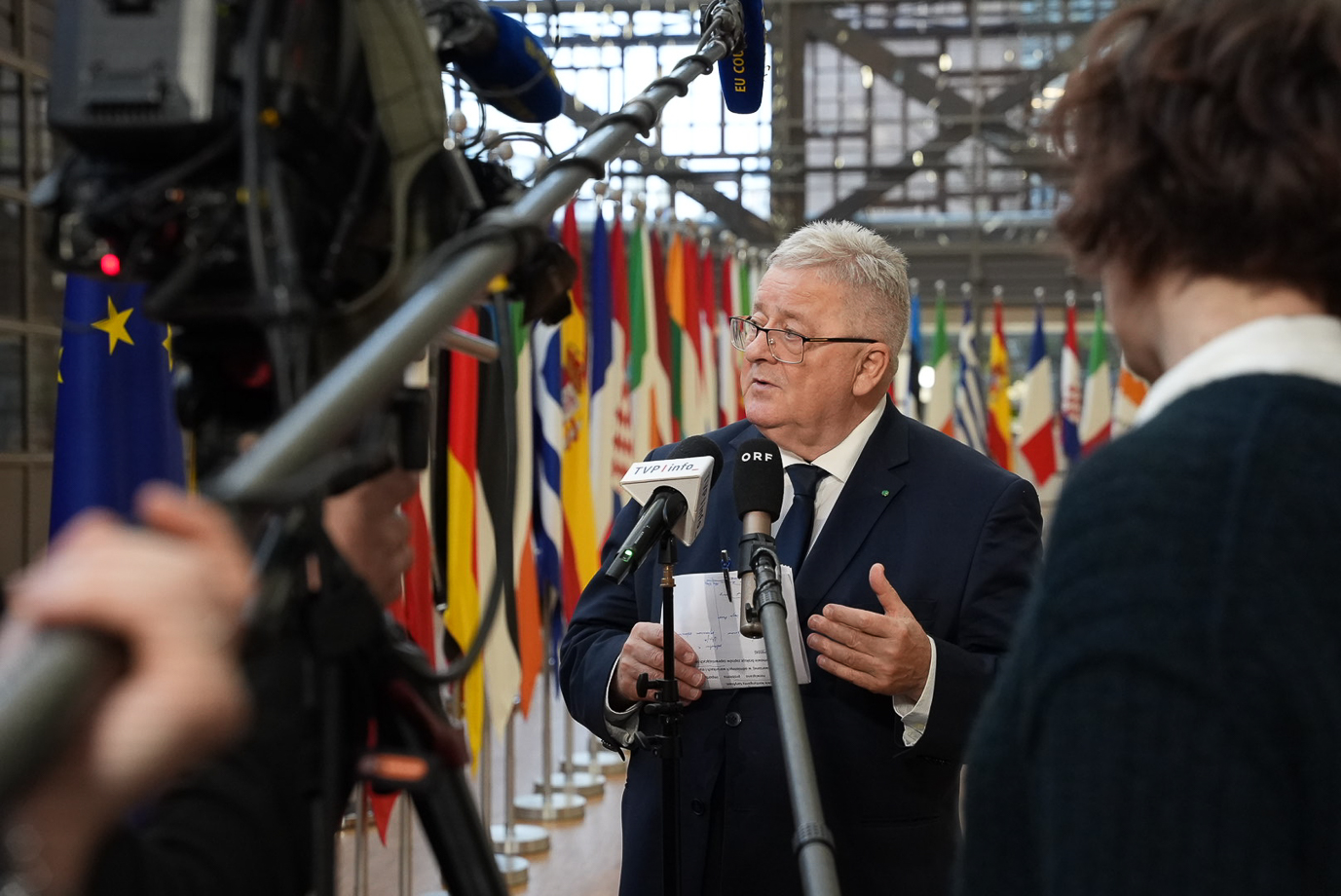
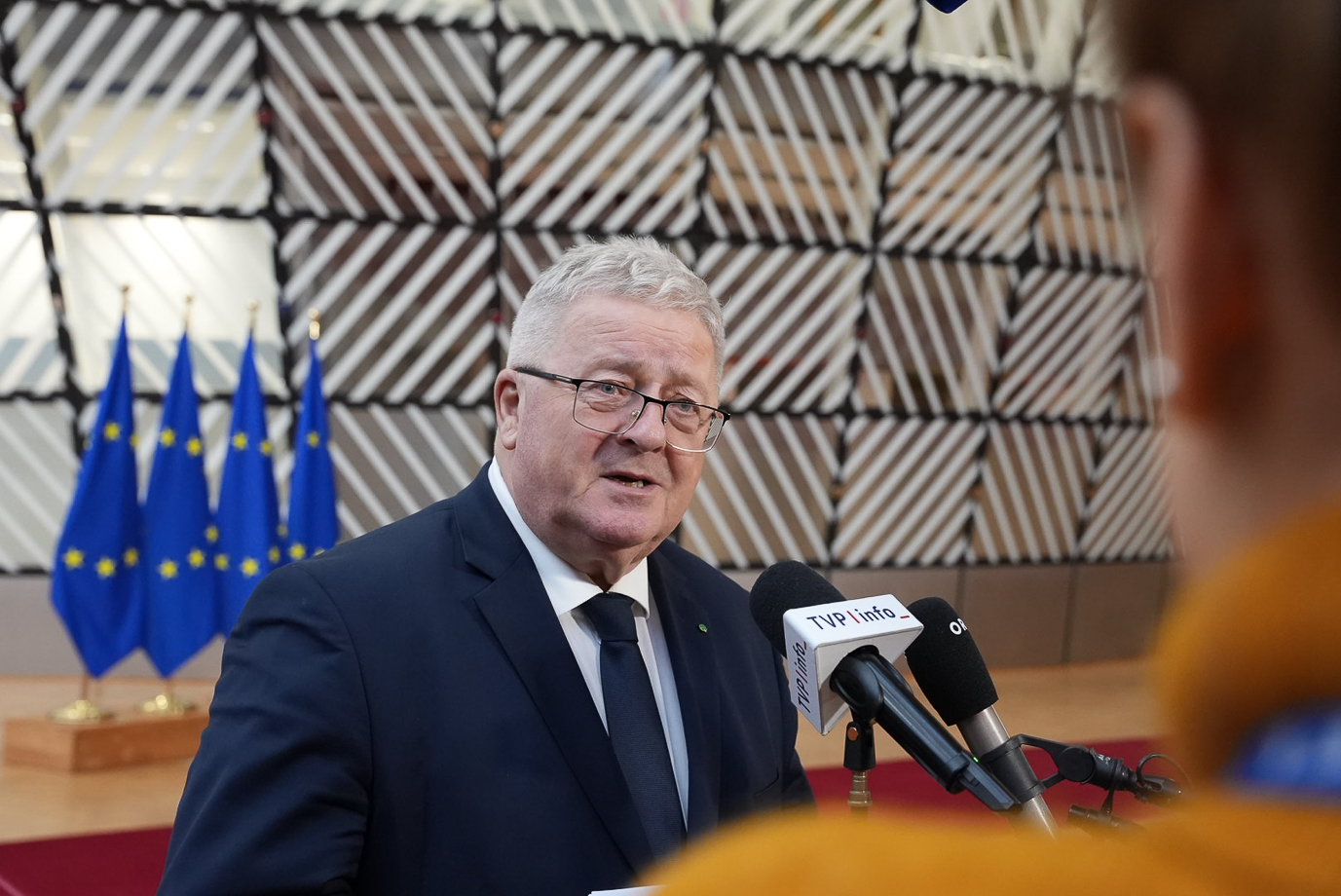
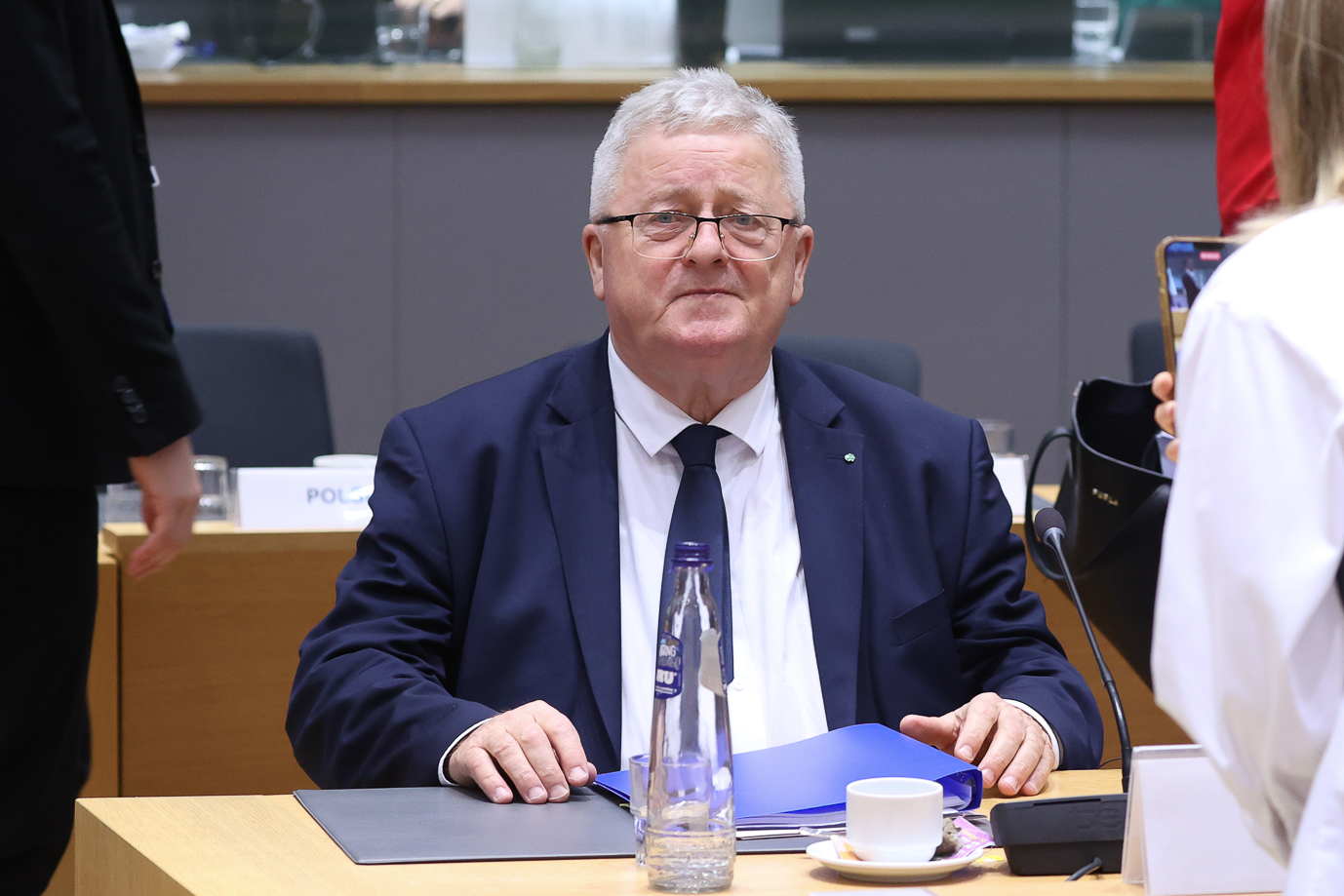
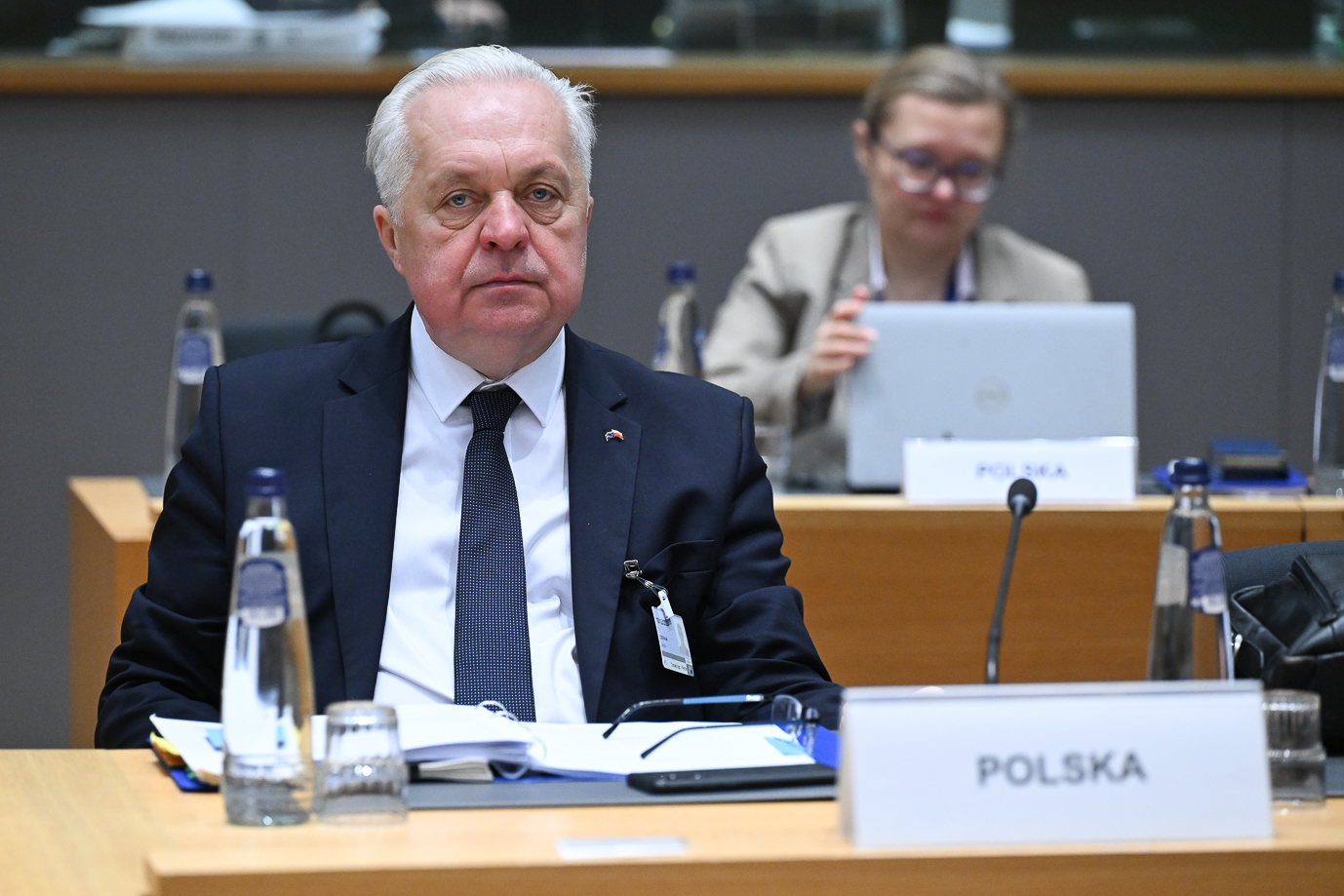
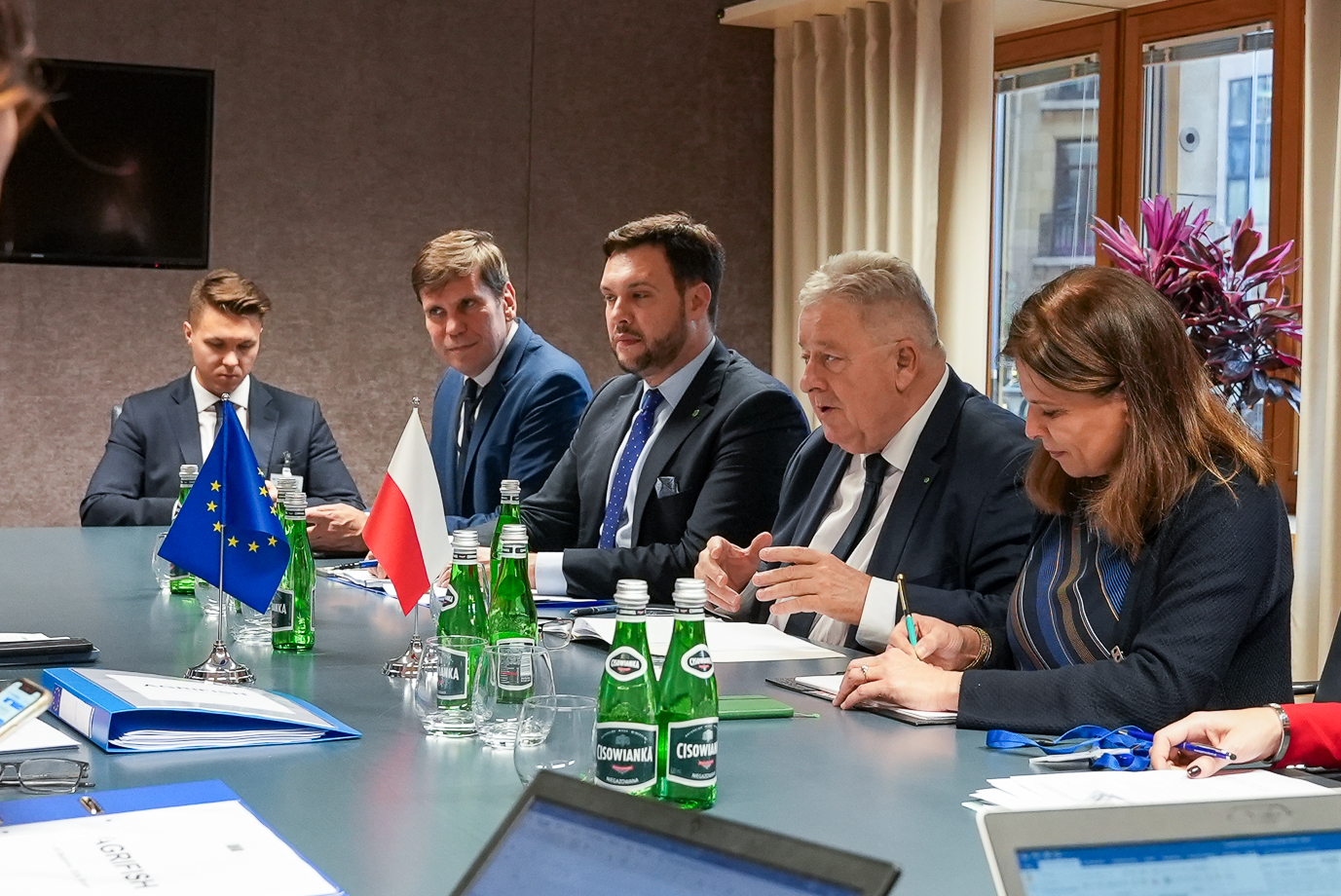
The Common Agricultural Policy post-2027 focused on farmers and future opportunities in the field of bio-economy are the major topics of the EU Agriculture and Fisheries Council (AGRIFISH) meeting in the part on agriculture. In the field of fisheries, a political agreement on fishing opportunities in the Atlantic, North Sea, Mediterranean and Black Sea has been foreseen for 2025, and in the case of some species also for 2026. The Polish delegation was chaired by the Minister of Agriculture and Rural Development Czesław Siekierski.

The meeting with the participation of Ministers from 27 EU countries was held in Brussels on 9-10 December 2024. The meeting was also attended by the Secretary of State Jacek Czerniak and Undersecretary of State Adam Nowak.
Common Agricultural Policy post-2027 focused on farmers
Again, the Hungarian Presidency attempted to agree on the conclusions regarding the Common Agricultural Policy (CAP) post-2027, which were adopted during the AGRIFISH Council meeting in October as the conclusions of the Presidency and not of the Council, due to the lack of endorsement from Romania. The Hungarian Presidency launched a written procedure as part of which the endorsement of all Member States was achieved. The conclusions of the Council were unanimously approved under points A at the Council meeting in December. The conclusions stress that the future CAP should ensure food security while guaranteeing adequate financial support, incentives for farmers and reasonable prices for consumers.
The conclusions of the Council were presented to the new European Commission, which should take them into account when drawing up a Vision for agriculture and food in the first 100 days of its term of office, as well as legislative proposals concerning the CAP post-2027.
During the exchange of views, the Ministers for Agriculture informed the new Commissioner for Agriculture and Food about their priorities regarding the future CAP.
Future of the CAP – the position of Poland
The Minister of Agriculture and Rural Development Czesław Siekierski stressed that the agricultural sector needed special care, as it was vital for the security of the European Union and our societies. He highlighted that the conclusions were an important opinion in the ongoing discussion. He informed that Poland had endorsed the conclusions in October 2024 and continued to endorse them. The head of the Polish delegation expressed hope that the Commission would take them into account in the work on the Vision for agriculture and food.
– The future CAP must be a strong policy responding to the needs of the agri-food sector. It is necessary to distribute the CAP funds fairly to farmers – said Minister Siekierski.
The Polish Minister for Agriculture stressed that the budget of the future CAP should ensure the achievement of goals set for that policy including ambitious targets related to responding to socio-economic and climate-environmental crises. The Minister also added that it was important that the future agricultural policy did not impose excessive requirements and administrative barriers on farmers.
The head of the Polish delegation stressed the important role of proper and effective coordination with other EU policies, so as, inter alia, to prepare the agri-food sector for the EU enlargement and ensure its viability by maintaining generational renewal.
Future opportunities in the field of the bioeconomy
The Ministers of Agriculture held an orientation debate on the methods for the further development of the bioeconomy.
As part of this point, the Ministers also took note of Finland’s information about the methods of increasing the biogas production and nutrient recycling. The Hungarian Presidency also presented two pieces of information about the results of the high-level conference “Partnering for the future - BIOEAST and beyond” and the conclusions endorsed in November 2024 by the Competitiveness Council on tapping the bioeconomic potential of the Central and Eastern European countries.
Bioeconomy – the position of Poland
Minister Czesław Siekierski stressed that in order to increase the resilience and sustainability of the bioeconomy supply chains, the future CAP should financially support farmers in undertaking practices such as agroecology or precision farming that enhanced the productivity while preserving natural resources.
The head of the Polish delegation stated that local supply chains should also be strengthened. He added that important was the diversification of income sources in rural areas, and this purpose could be served by renewable energy production.
The Polish Minister for Agriculture also pointed to several measures that were important for improving the competitiveness of EU bioproducts in the global market. One of them is to seek to harmonise the standards for the production, processing and labelling of bioproducts at EU level. Moreover, the Minister highlighted that it was important to support research and innovation by financing innovative methods of production of bioproducts and building networks of cooperation between enterprises, research centres and public institutions.
He added that it was necessary to increase the financial support for organic farming and other sustainable farming practices as well as for developing infrastructure needed for the efficient processing and distribution of bioproducts.
The Polish Minister supported the proposal of the Finnish delegation, stressing that Poland fully shared its position on the need to revise the provisions that make it difficult to use available biomass resources.
Therefore, Minister Siekierski demanded a comprehensive analysis of all limitations regarding biomass of agricultural origin resulting from the legislation and support rules. He found that the overarching objective should be to ensure coherence of the climate and energy policy with the CAP and to maintain the competitiveness of agriculture in the EU.
Meeting with the new Commissioner for Agriculture and Food
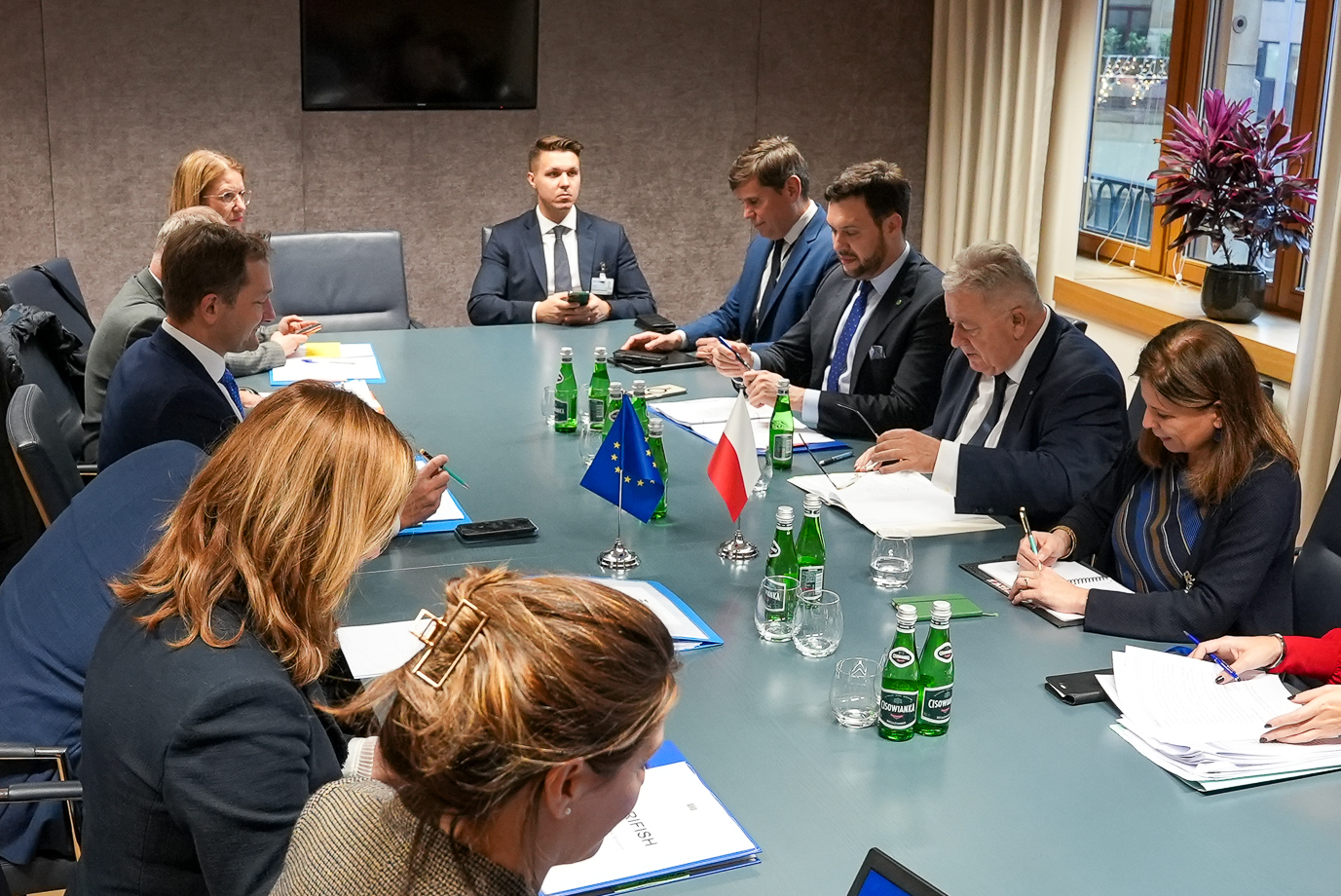
When talking with the new EU Commissioner for Agriculture and Food Christophe Hansen, Minister Siekierski recalled the significant decline in the share of agricultural expenditure in the CAP general budget, with a significant number of challenges that farmers had to struggle with. He also pointed to external conditions affecting the environment of agriculture, such as the war in Ukraine, growing geopolitical tensions, climate change.
– The priorities of the Polish presidency will be formally announced by Prime Minister Donald Tusk in the coming days. The foundation of the Polish Presidency’s activities in 2025 will be security in many dimensions: external, energy, economic, food, health, information and internal – announced the head of the Polish Ministry of Agriculture.
Minister Siekierski presented the areas on which, apart from food security, the Polish Presidency would focus during the work of the AGRIFISH Council. They will be:
• measures necessary to improve the competitiveness of the agricultural sector and to increase resilience to crises;
• issue of rural proofing;
• continuation to discuss the situation in agricultural markets, in particular after the invasion of Ukraine;
• discussion on agricultural trade issues;
• work on the shape of the future CAP.
The head of the Polish Ministry informed that we were waiting for the Vision on agriculture and food, which would also determine the shape of the CAP. He asked Commissioner Hansen when the Commission intended to present this document. With that, he stressed the role of dialogue with farmers.
Minister Siekierski noted that the EU could not be dependent on import, however, he noticed the two-way nature of trade.
The Polish Minister also stressed the following issues:
• He pointed to the need for real simplification of the CAP and preparation of a regulatory framework for the EU enlargement, particularly of the agricultural sector to the accession of Ukraine. He assessed that thanks to autonomous trade measures, the EU was actually part of the single market.
• He expressed readiness to work on a legislative package regarding empowering farmers in the supply chain, for publishing of which we were waiting.
• He declared readiness to cooperate with the EC. He invited Commissioner Hansen to present information on the Vision at the CAP conference and declared readiness to co-organise with the EC a conference in Brussels, scheduled for May 2025.
Commissioner Hansen announced that a legislative package regarding empowering farmers in the supply chain was expected to be published by the end of that week.
He announced that the Vision for agriculture and food was planned to be proclaimed in the first quarter of the following year. He stressed that the Commission’s intention was to allow for consulting the draft Vision with the European Board on Agriculture and Food which was just being set up.
In addition, the Commissioner provided the following information:
• He expressed his hope for jointly seeking the largest possible budget for agriculture and rural development.
• He informed that simplification would be high on the agenda of the new EC, where there is room for the continuation of the changes initiated by the March 2024 package, so as to reduce bureaucracy and avoid duplication of rules.
• He positively assessed Poland’s choice of broadly understood security as a priority of the Polish Presidency, since it was essential for all EU citizens, including farmers.
Meeting with the representatives of the European Parliament’s Committee on Agriculture (EP COM AGRI)
The Minister of Agriculture and Rural Development Czesław Siekierski met with the Vice-Presidents of the European Parliament’s Committee on Agriculture Daniel Buda and Norbert Lins and the coordinator Herbert Dorfmann. The talks were an opportunity to discuss the challenges facing Polish and European agriculture. During the meeting, the following topics were discussed: trade cooperation with Ukraine and the EU-Mercosur agreement. The Minister stressed how important these issues were in the context of the Polish Presidency of the Council of the EU in 2025. They discussed the simplification of the CAP, its adaptation to the needs of Polish agriculture and the challenges resulting from the Green Deal.
The meeting was an important step toward strengthening cooperation with EU institutions, protecting the interests of Polish farmers and ensuring the stability of the agri-food market in Europe.
Meeting with the members of the COPA-COGECA Presidency
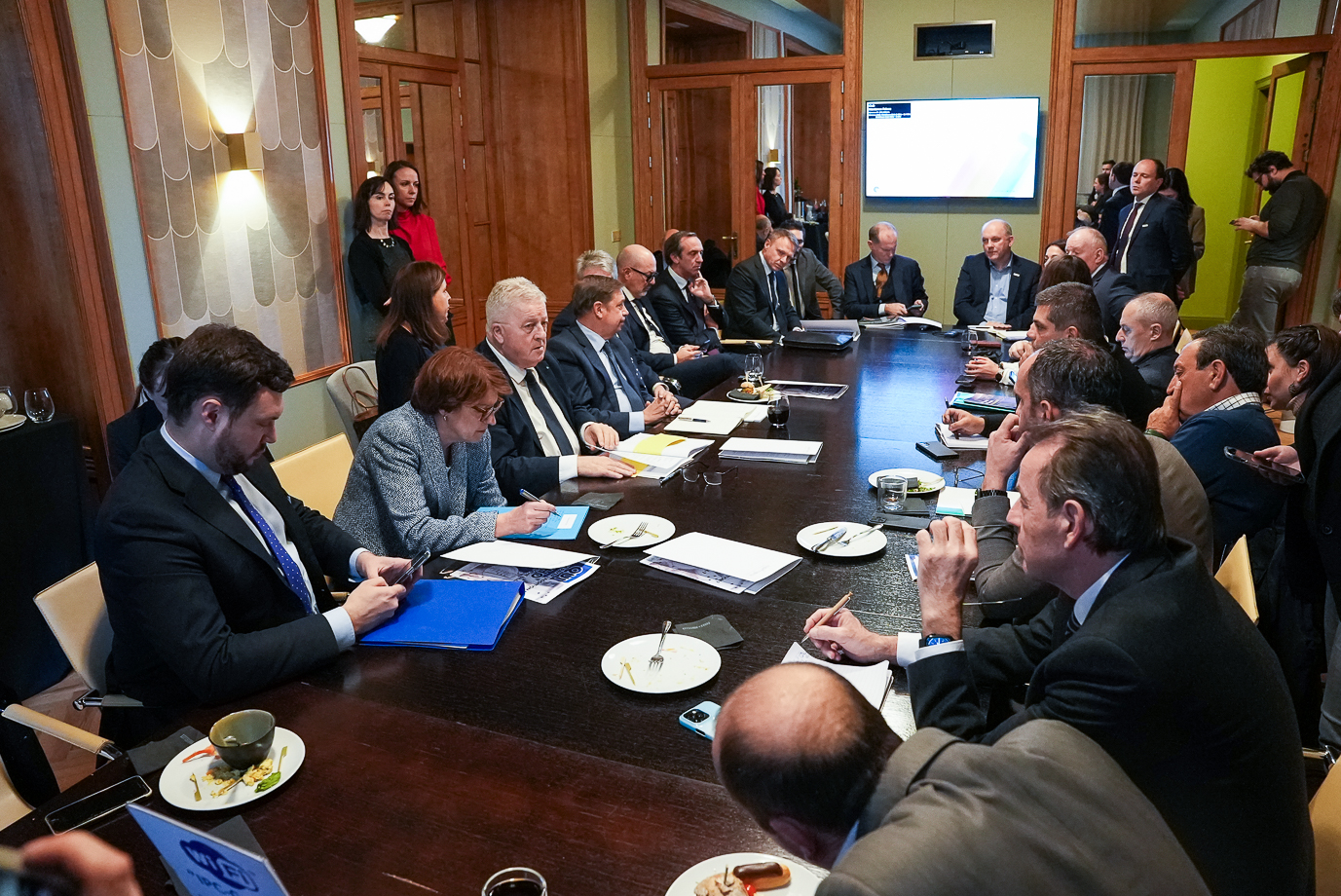
Minister Czesław Siekierski attended an informal lunch of the Ministers of Agriculture of the EU Member States and members of the COPA-COGECA Presidency. The discussion concerned the challenges related to the EU-Mercosur agreement, its impact on European agriculture and the need to protect the interests of EU farmers.
Bilateral meetings
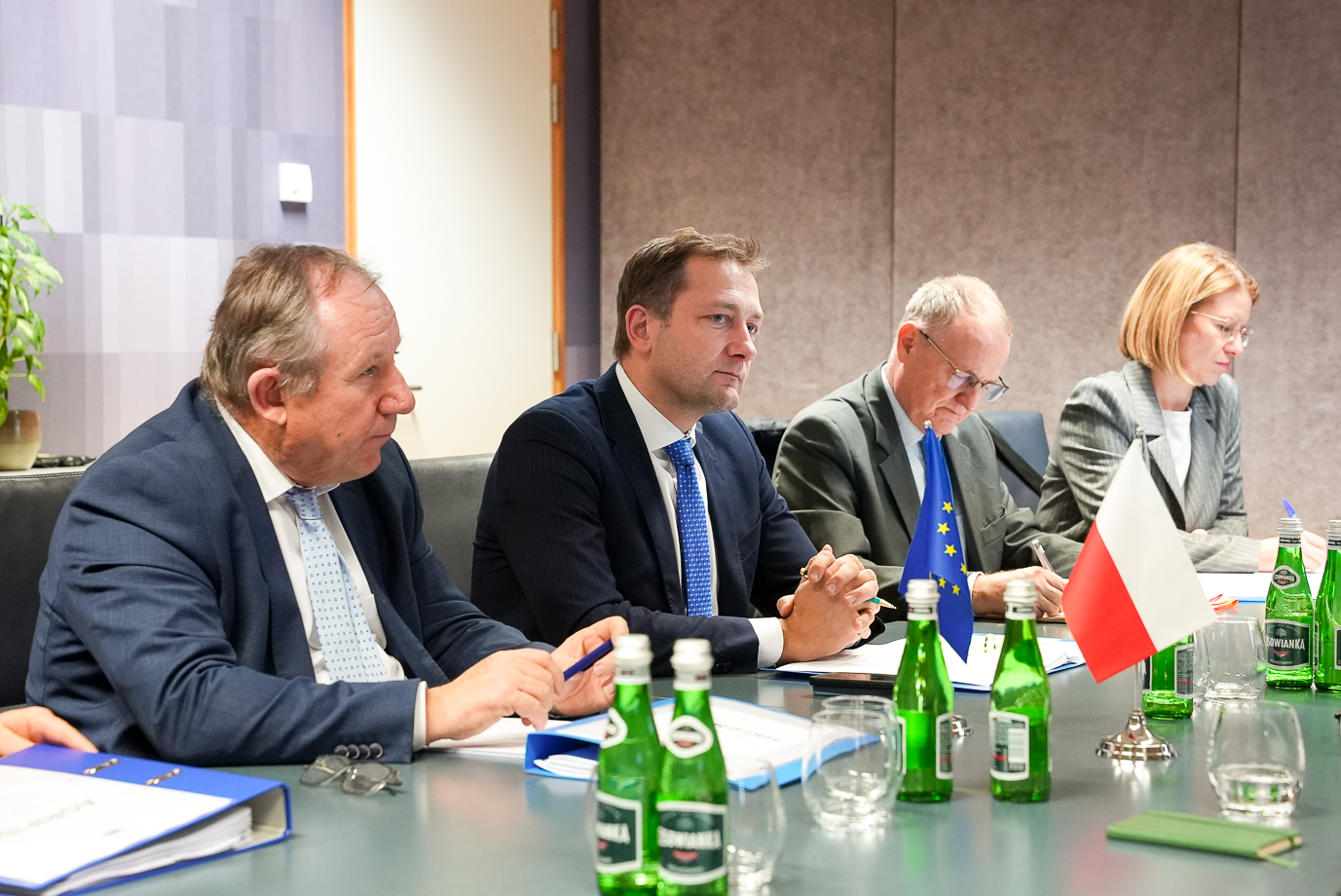
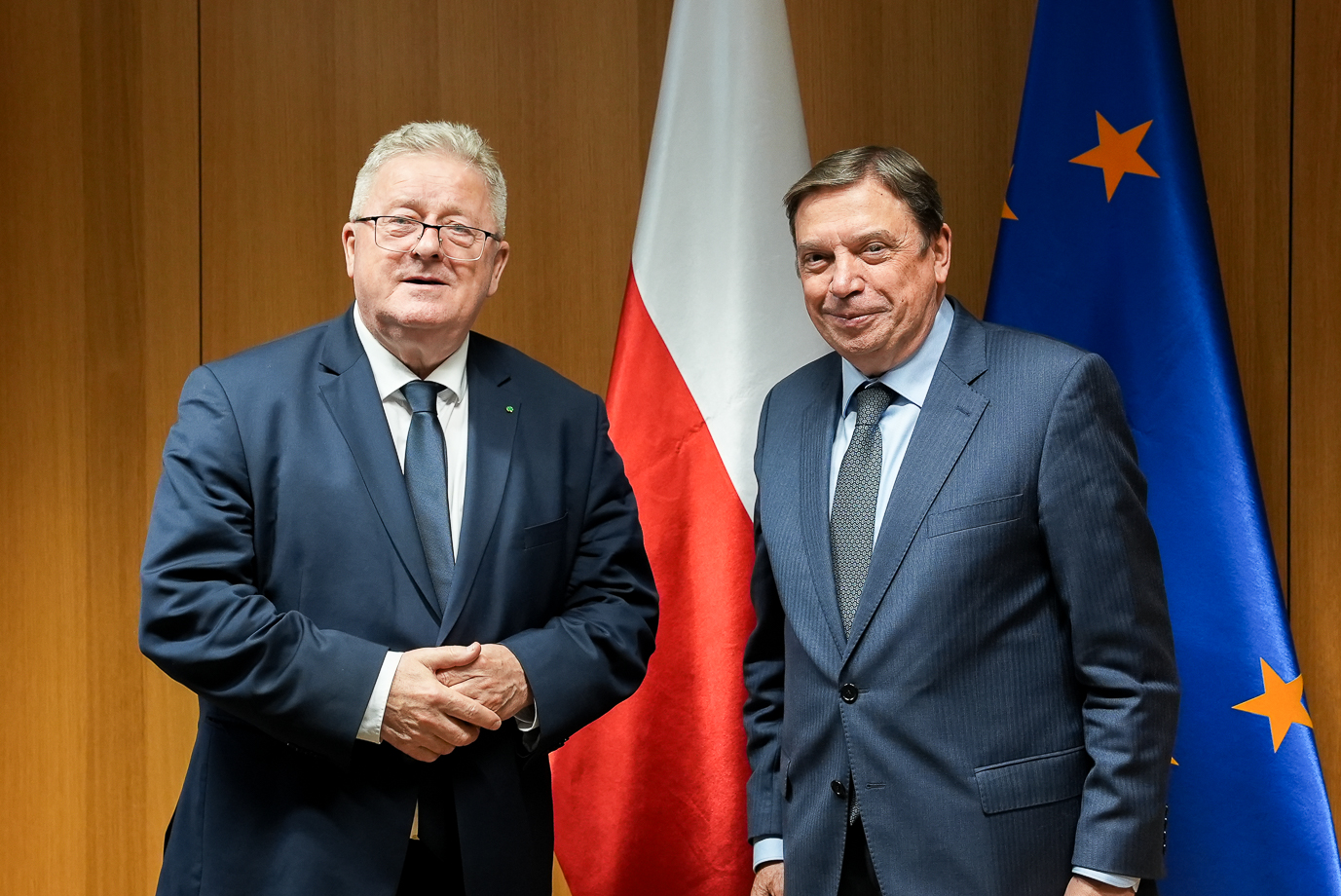
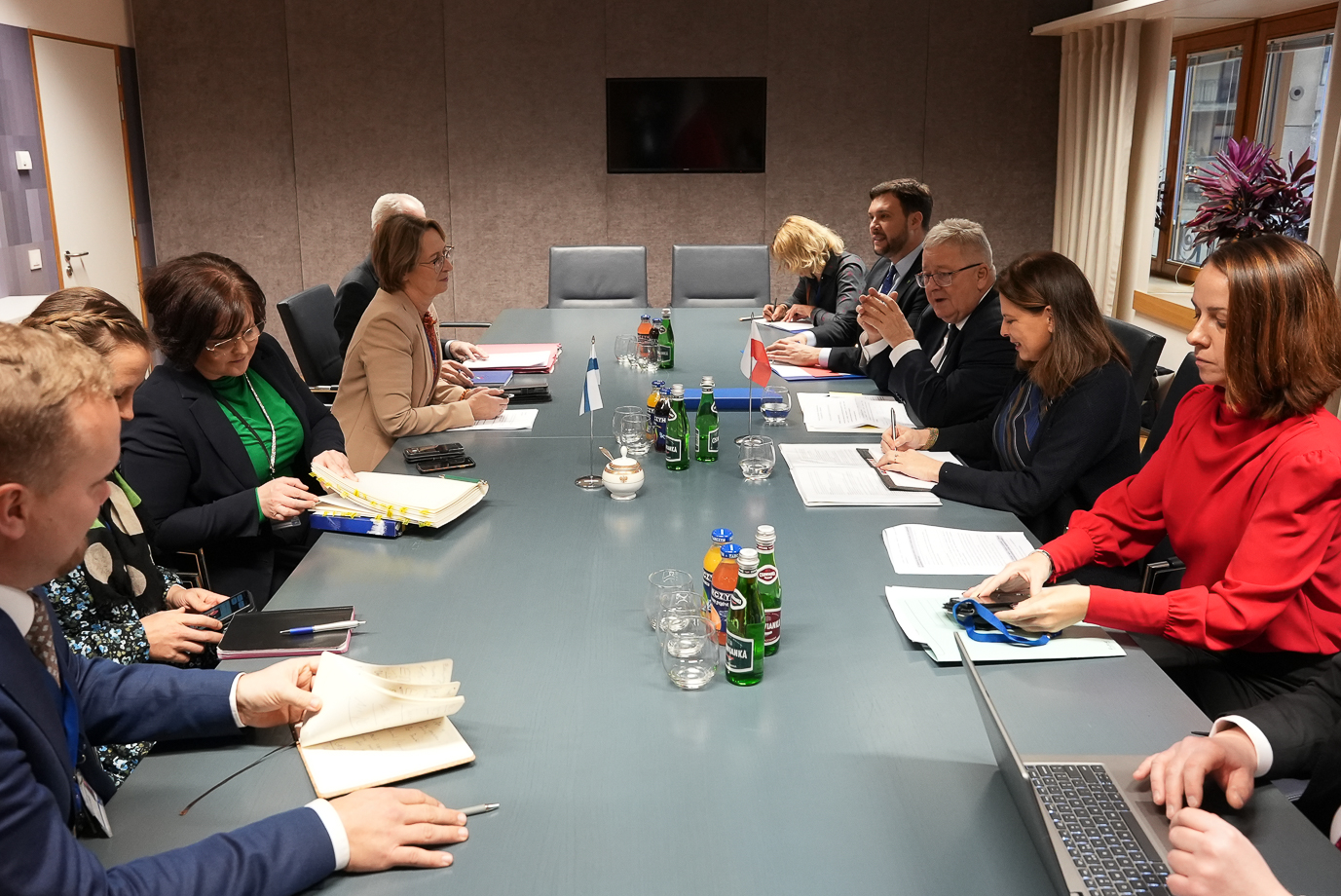
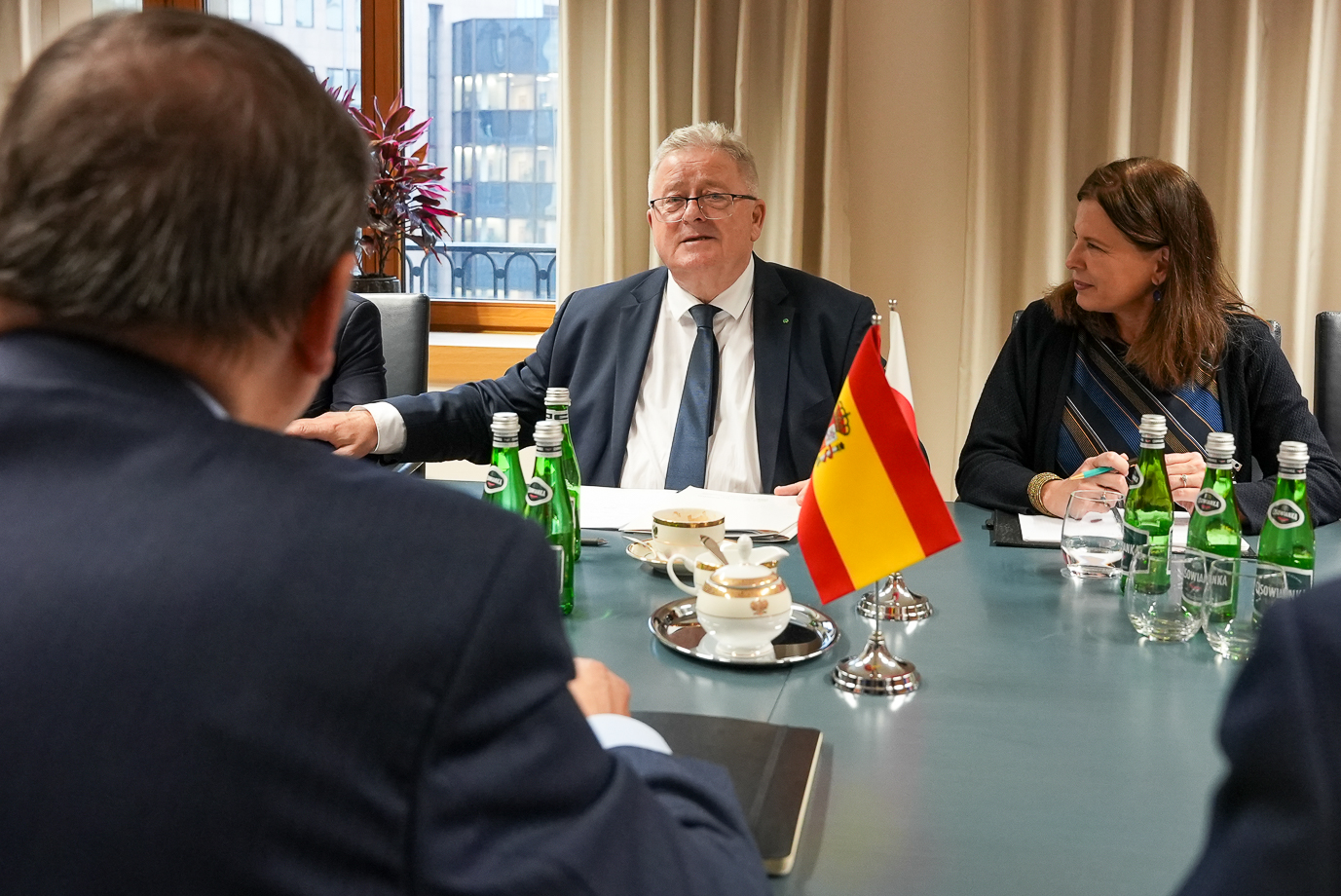
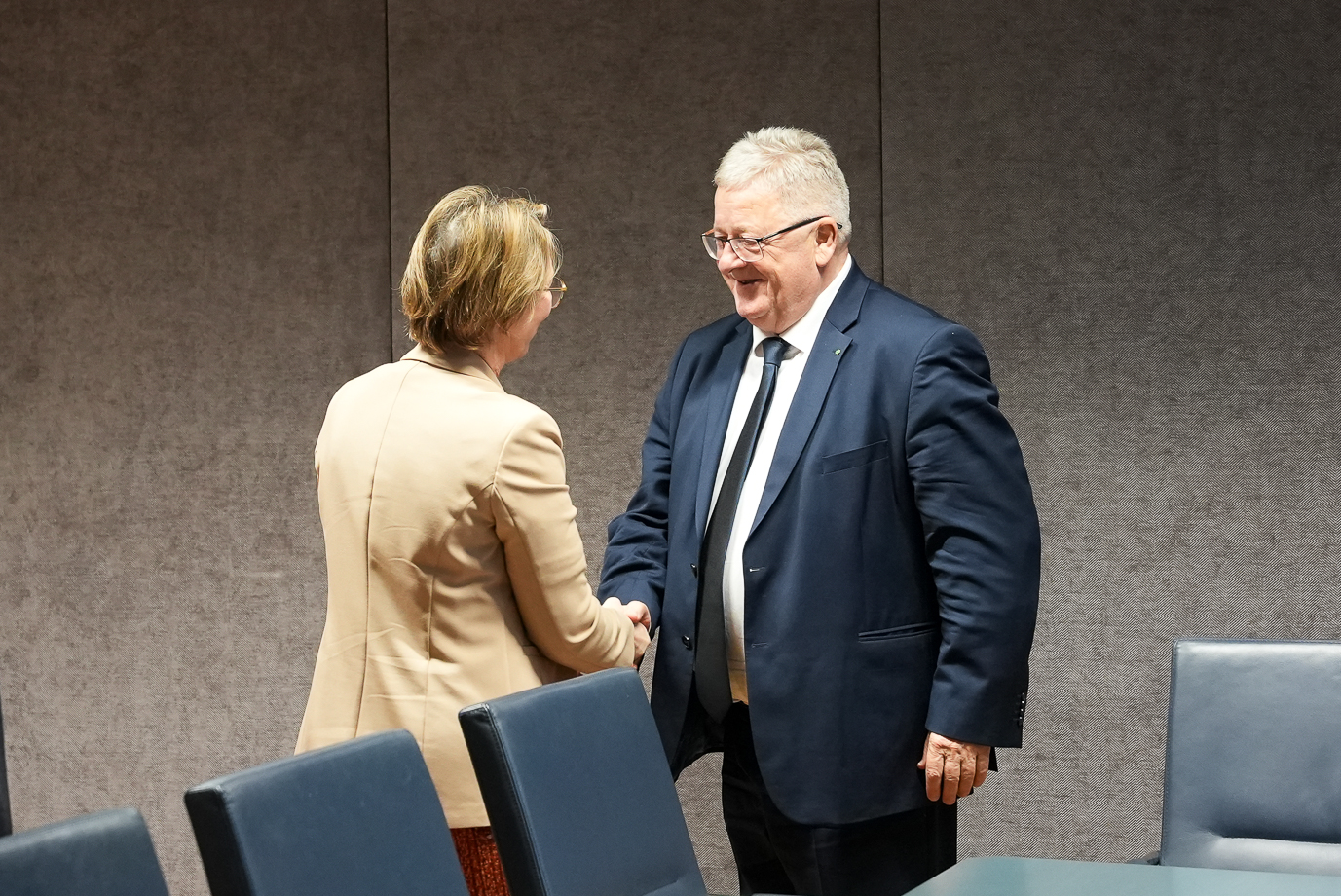
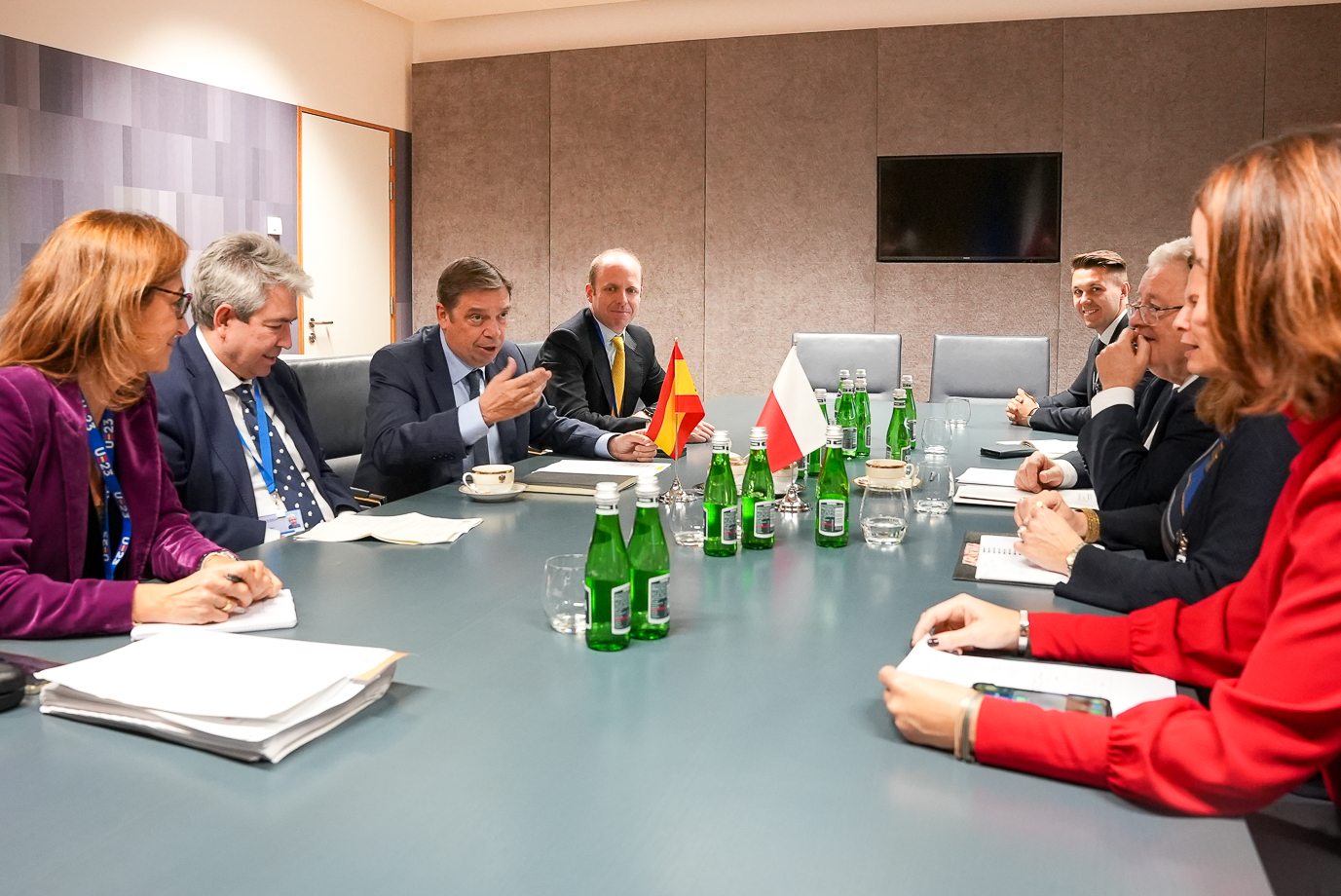
On the sidelines of the Council, the head of the Polish delegation met with the Ministers of Agriculture of Spain and Finland. The topic of the meetings was the plans of the Polish Presidency of the EU Agriculture and Fisheries Council in the first half of 2025.
Meeting at the Permanent Representation of the Republic of Poland to the EU
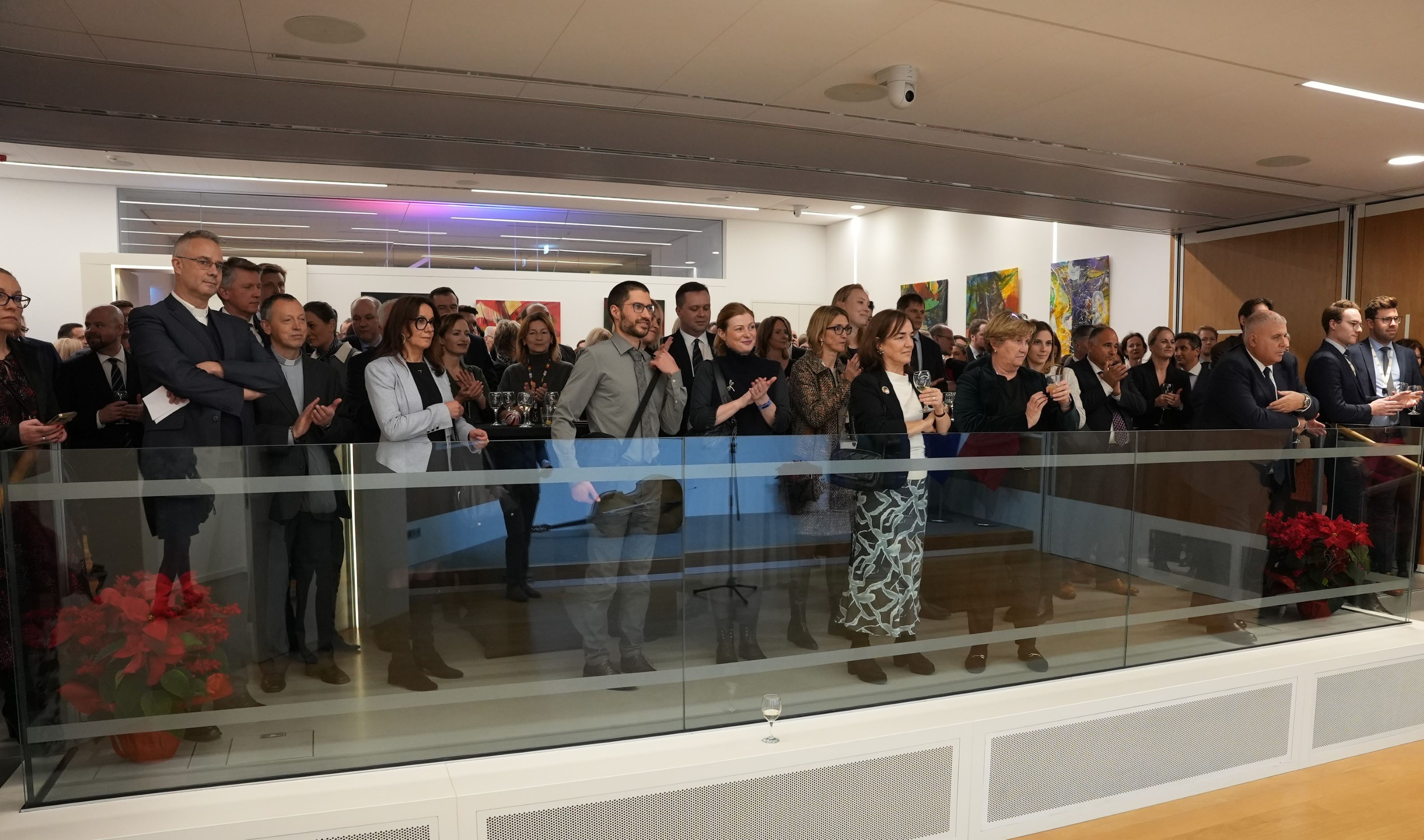
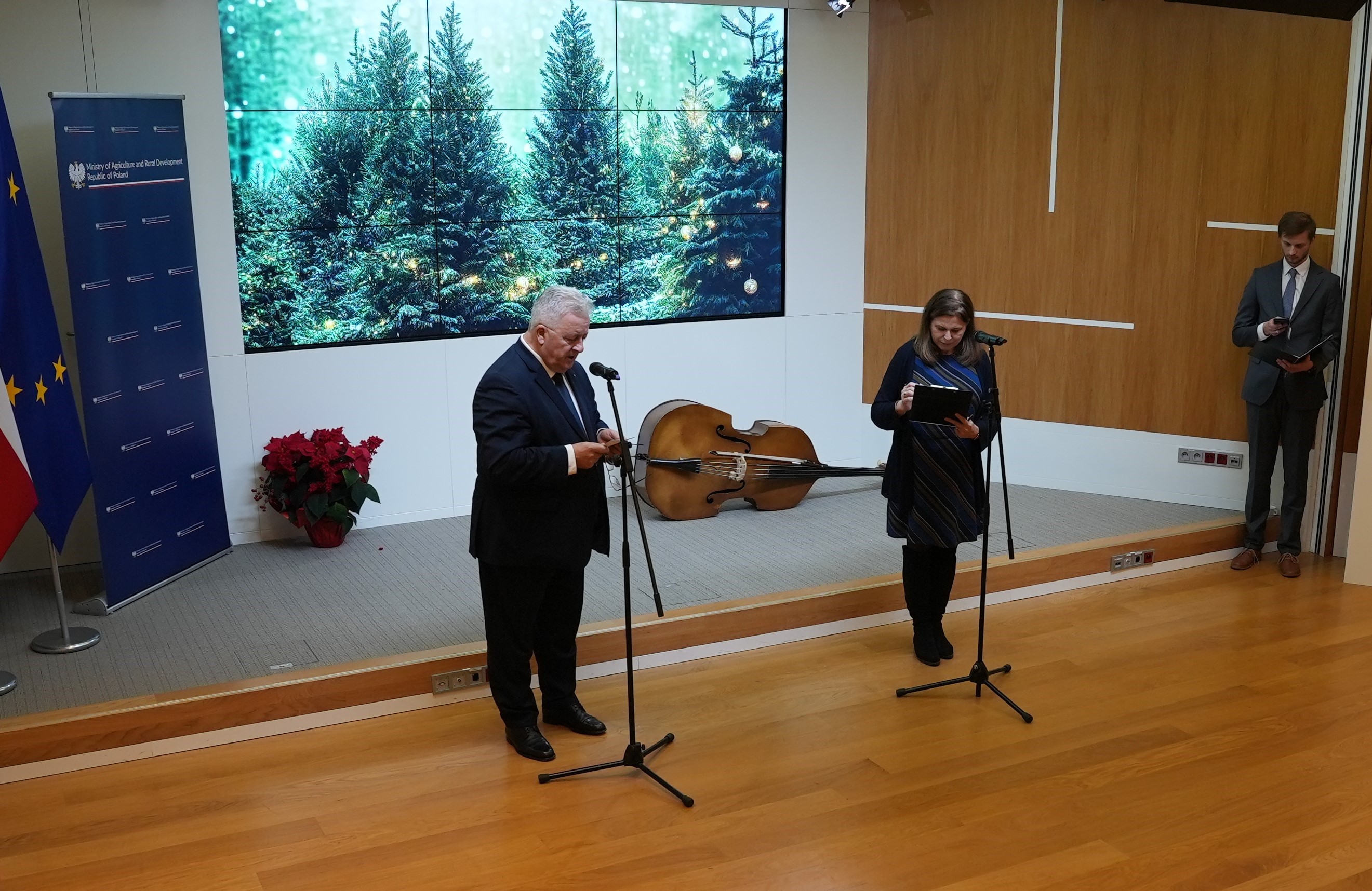
The visit to Brussels was an opportunity to make Christmas wishes during a meeting organised at the Permanent Representation of the Republic of Poland to the European Union. The guests of this event included the Ministers of Agriculture of the EU member states and the representatives of the EU institutions. The Commissioner for Budget, Anti-Fraud and Public Administration Piotr Serafin accepted the invitation. The meeting was opened by Agnieszka Bartol, who this October took over the duties of the Head of the Permanent Representation to the EU.
Minister Czesław Siekierski, as the organiser of the event, greeted the guests. He emphasised the importance of Christmas Eve meetings, which in the Polish tradition had a special aspect and meaning, referring to our roots, to community and to sharing bread.
The head of the Polish Ministry of Agriculture also referred to the fact that Poland was going to take the Presidency of the Council of the EU in the nearest future.
– We realise how responsible the role of the Presidency of the Council of the EU is and we treat this task with the utmost seriousness and ambition. We declare openness and we look forward to good cooperation with you – said Minister Czesław Siekierski.
The Christmas Eve meeting at the Permanent Representation of the Republic of Poland was also an opportunity to promote Polish food, including Polish apples, as well as traditional Polish dishes.
Photos (16)
 Display photo 2 in the gallery.
 Display photo 3 in the gallery.
 Display photo 4 in the gallery.
 Display photo 5 in the gallery.
 Display photo 6 in the gallery.
 Display photo 7 in the gallery.
 Display photo 8 in the gallery.
 Display photo 9 in the gallery.
 Display photo 10 in the gallery.
 Display photo 11 in the gallery.
 Display photo 12 in the gallery.
 Display photo 13 in the gallery.
 Display photo 14 in the gallery.
 Display photo 15 in the gallery.
 Display photo 16 in the gallery.