Towards a European Management Plan for the Great Cormorant
03.06.2025
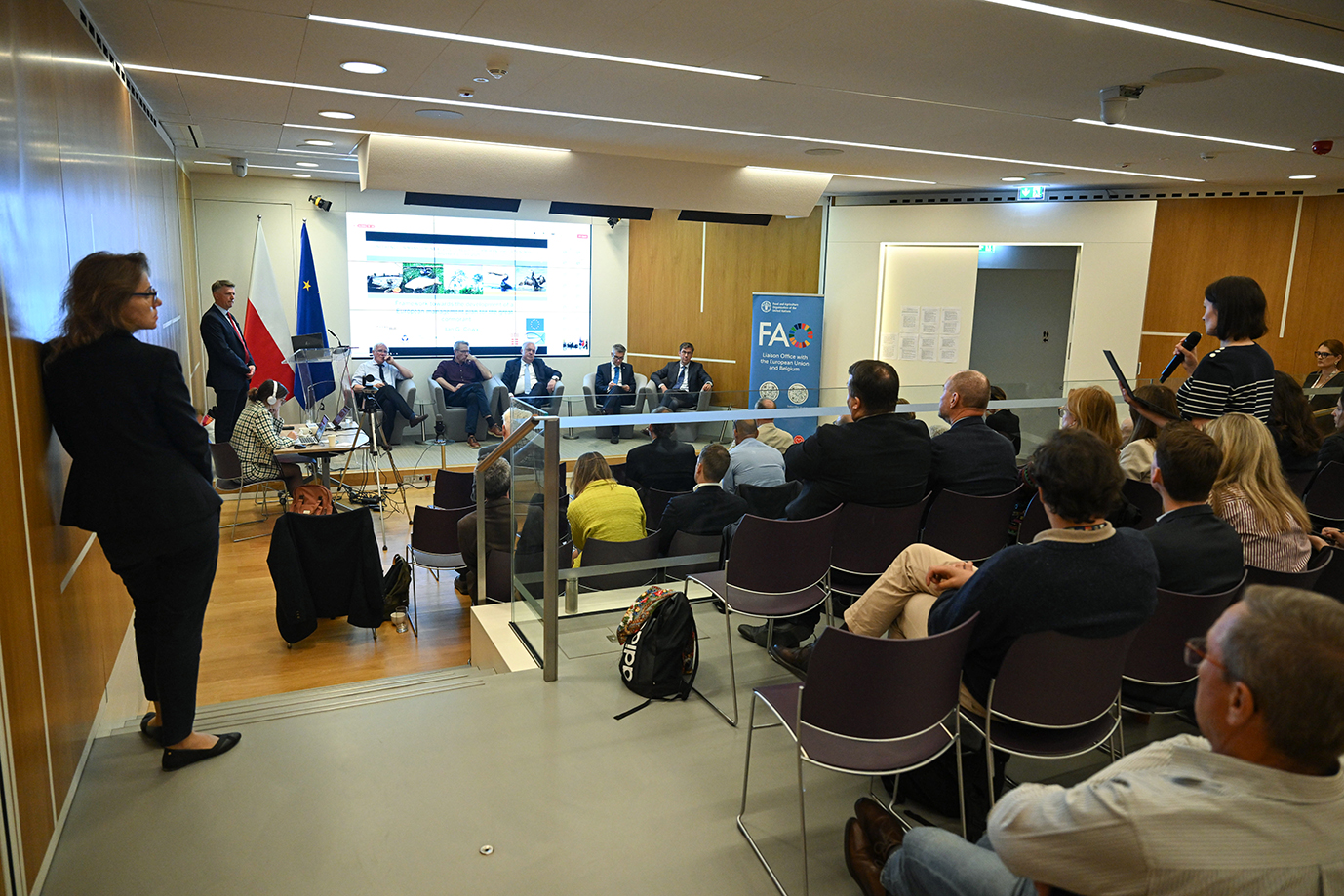
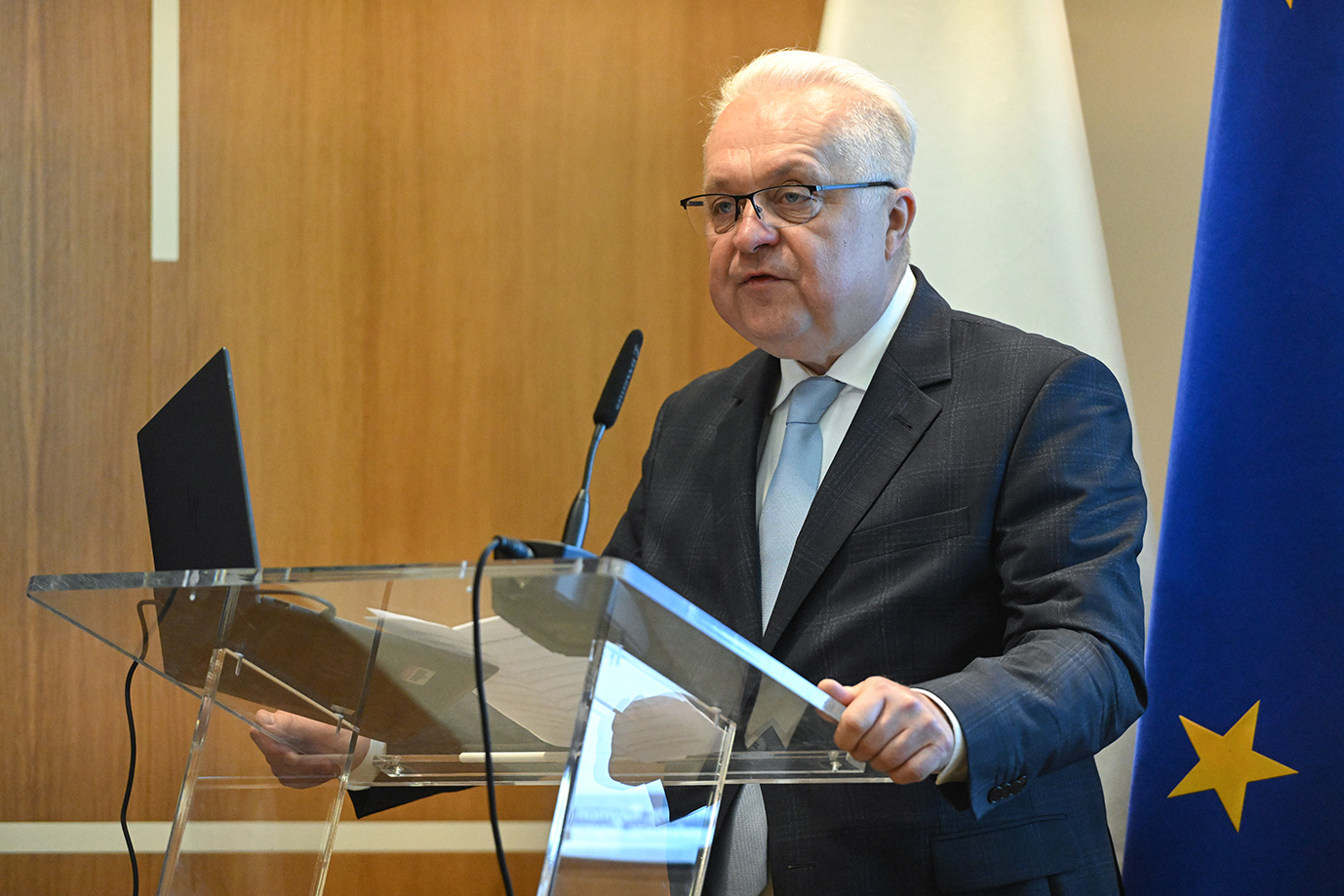
- Many countries in Europe are concerned about the impact of cormorants on fish stocks, aquaculture and aquatic ecosystems. This is an international issue, therefore, solving this problem requires cooperation at the European level - said Secretary of State Jacek Czerniak during the formal opening of the conference on management advice to reduce cormorant predation impacts.

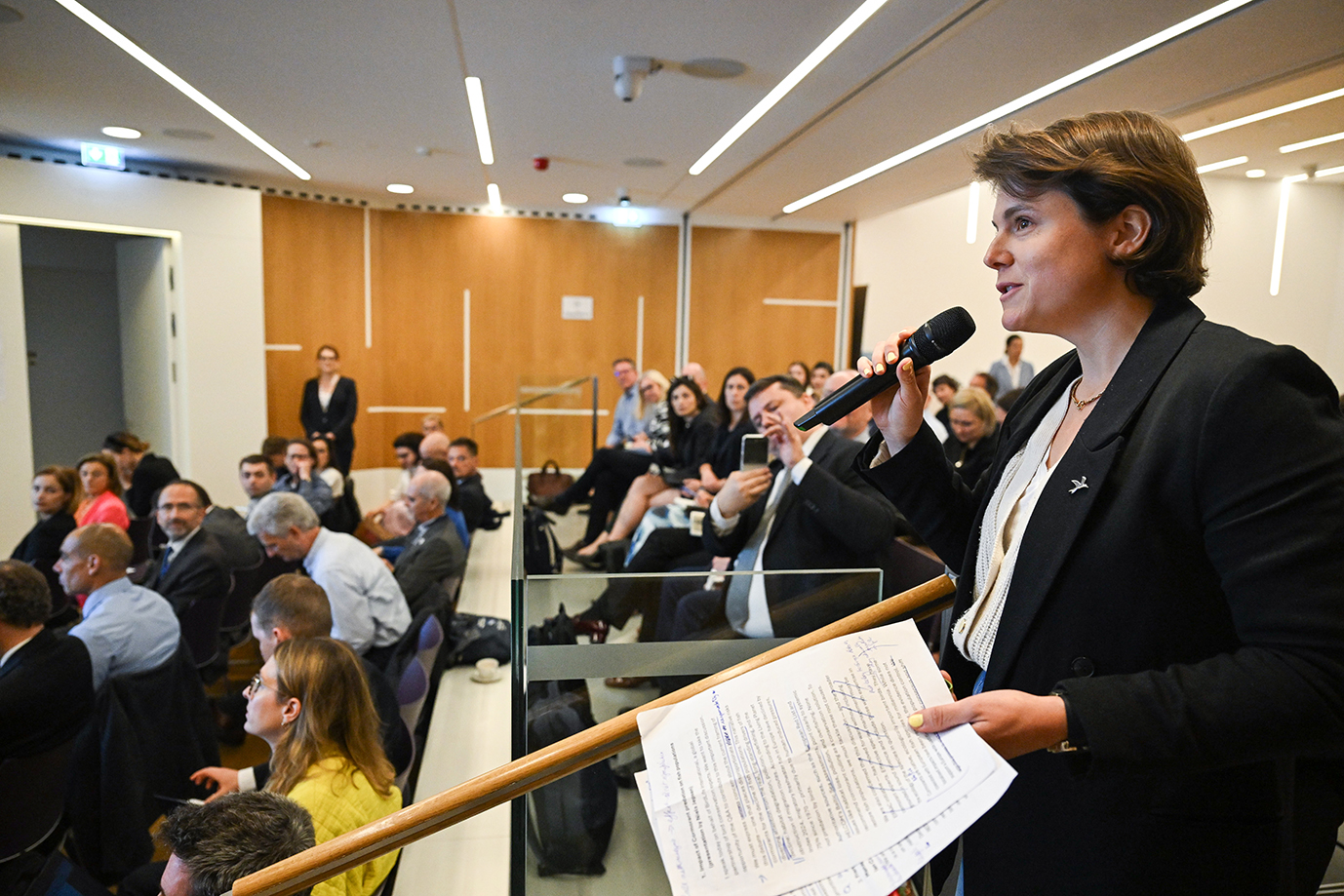
Key issues raised during the conference concerned: raising awareness of key stakeholders and decision-makers in Europe about the effects of cormorant predation, obtaining general support for the measures proposed in the draft framework for the European Management Plan for the Great Cormorant and agreeing on the next steps toward its approval and implementation.
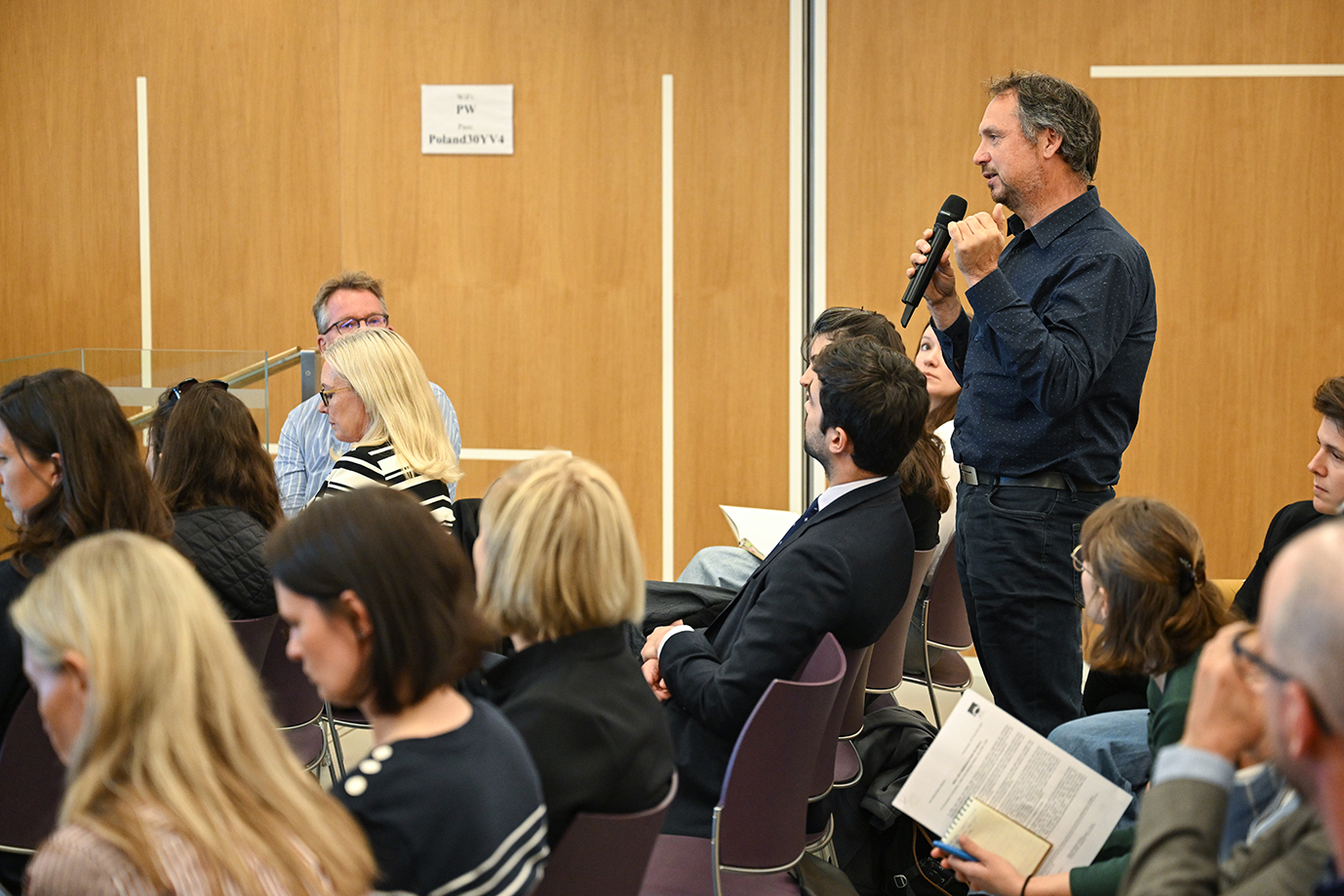
The participants also provided up-to-date information on the impact of cormorant predation on fish, fisheries and aquaculture. This was also an opportunity to exchange information on the economic effects of cormorant predation on the fisheries and aquaculture sector.
European Management Plan for the Great Cormorant – comments by 17 June 2025
The European Management Plan for the Great Cormorant is a method to define widely accepted solutions regarding cormorant population management in Europe. During the conference, a framework was presented towards the development of that draft – to be verified by the conference participants in terms of their expectations.
In view of the great interest in the conference and the discussion undertaken, the organisers invite to submit comments on the planned cormorant management framework: to the EIFAAC secretariat, to the following email address: EIFAAC-Secretariat@fao.org by 17 June 2025
Organisers of and participants in the conference
The conference was organised by the Ministry of Agriculture and Rural Development and the European Inland Fisheries and Aquaculture Advisory Commission at FAO (EIFAAC). The event was held as part of the Polish Presidency of the Council of the European Union.
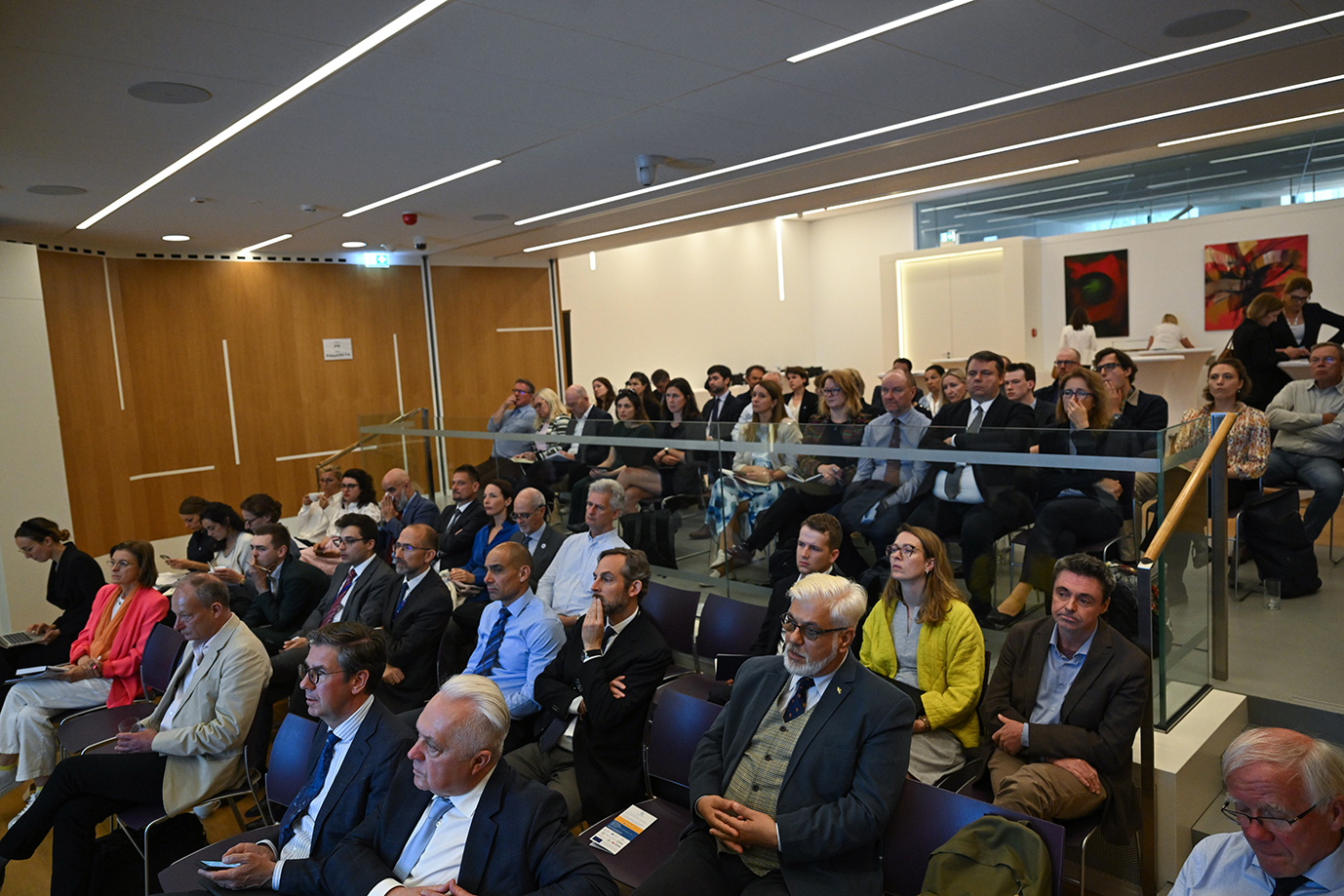
More than 200 stakeholders representing the aquaculture, fisheries, amateur fishing sectors and organisations involved in nature conservation, in particular birds, participated in the conference in a hybrid form. The event was also attended by the representatives of the administrations of the European Union (EU) Member States, the European Commission (EC) – Directorate-General for Maritime Affairs and Fisheries (DG MARE) and Directorate-General for the Environment (DG ENV), as well as scientists dealing with fish stock management.