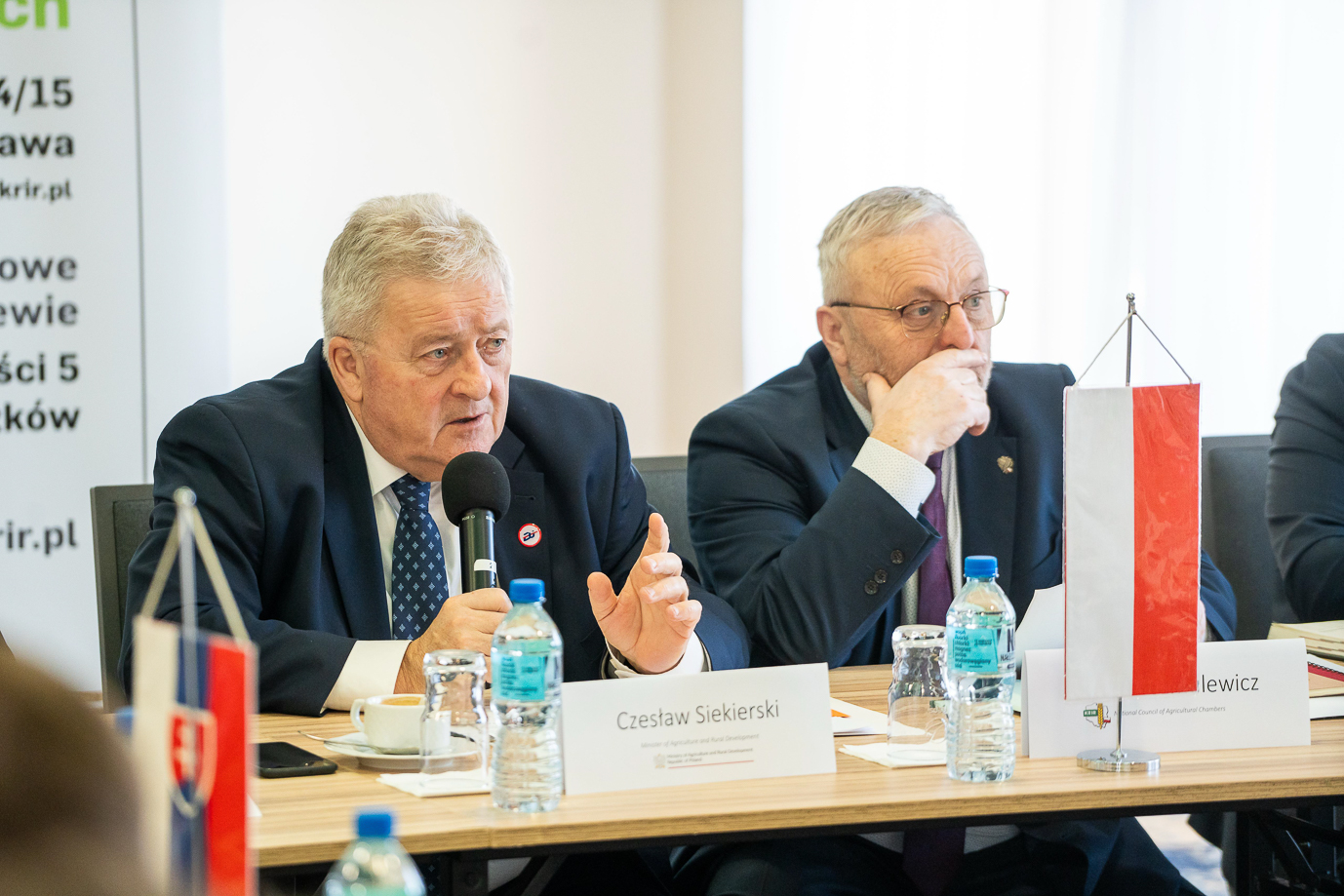
Visegrad Group: meeting of representatives of agricultural chambers
12.02.2025
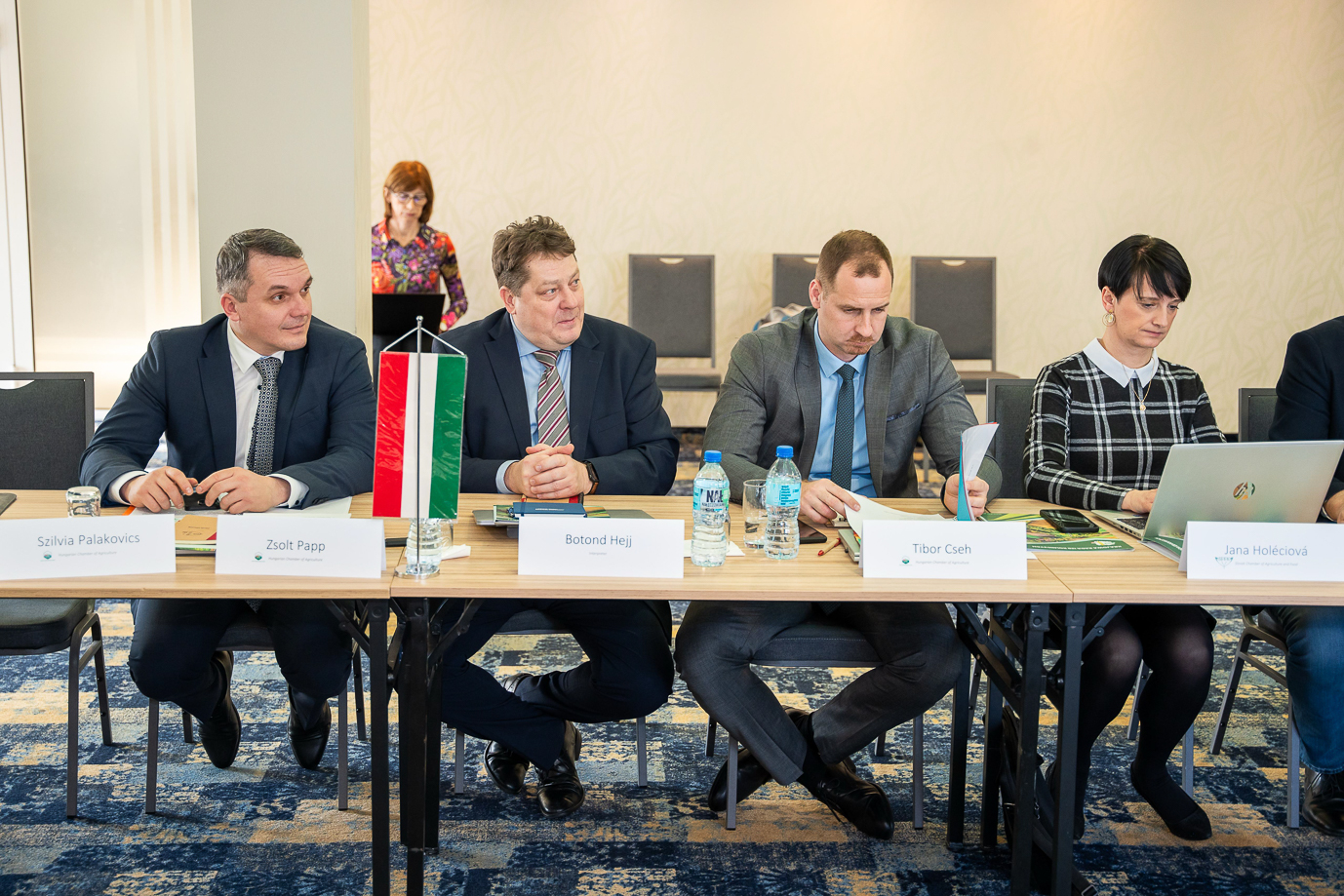
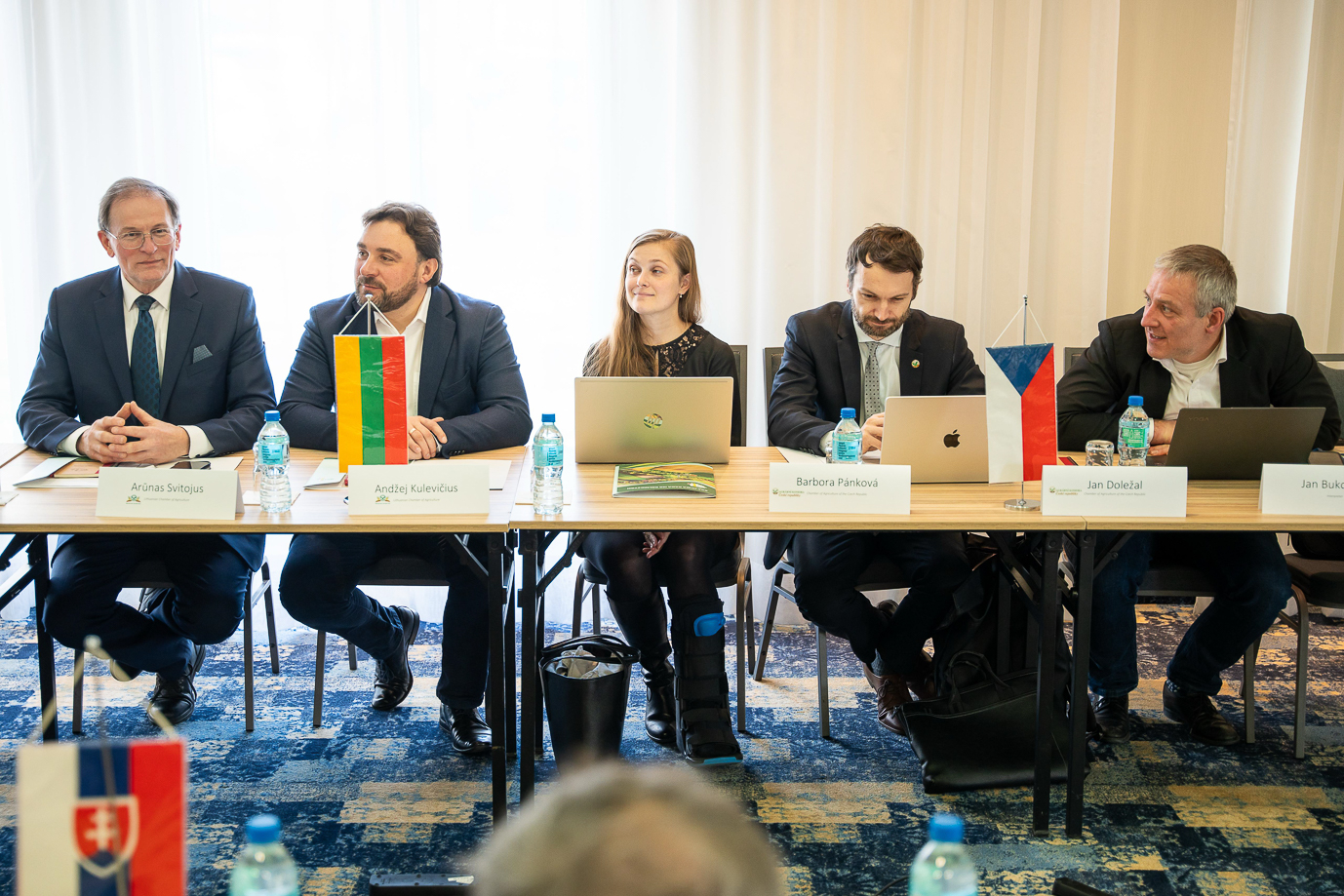
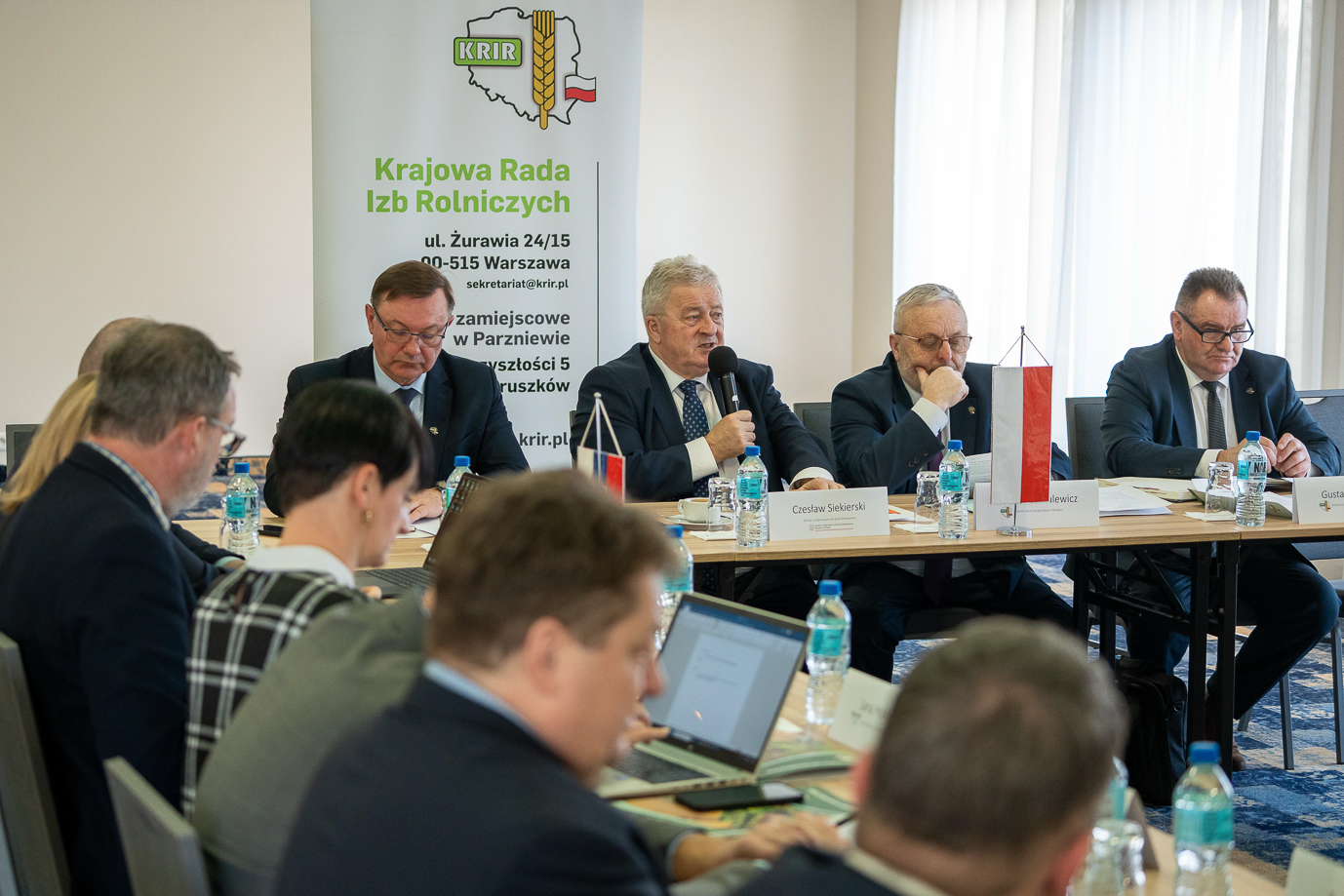
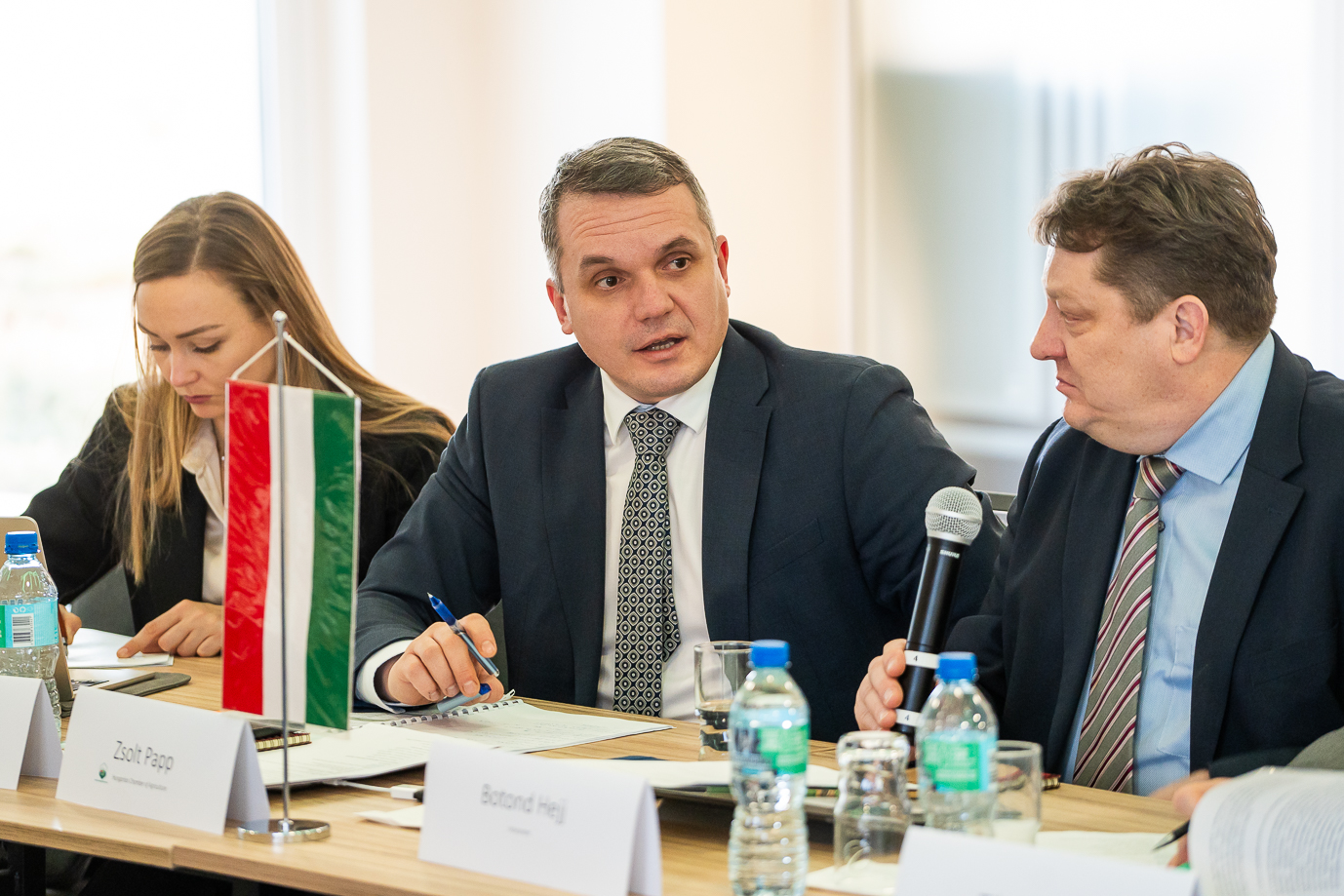
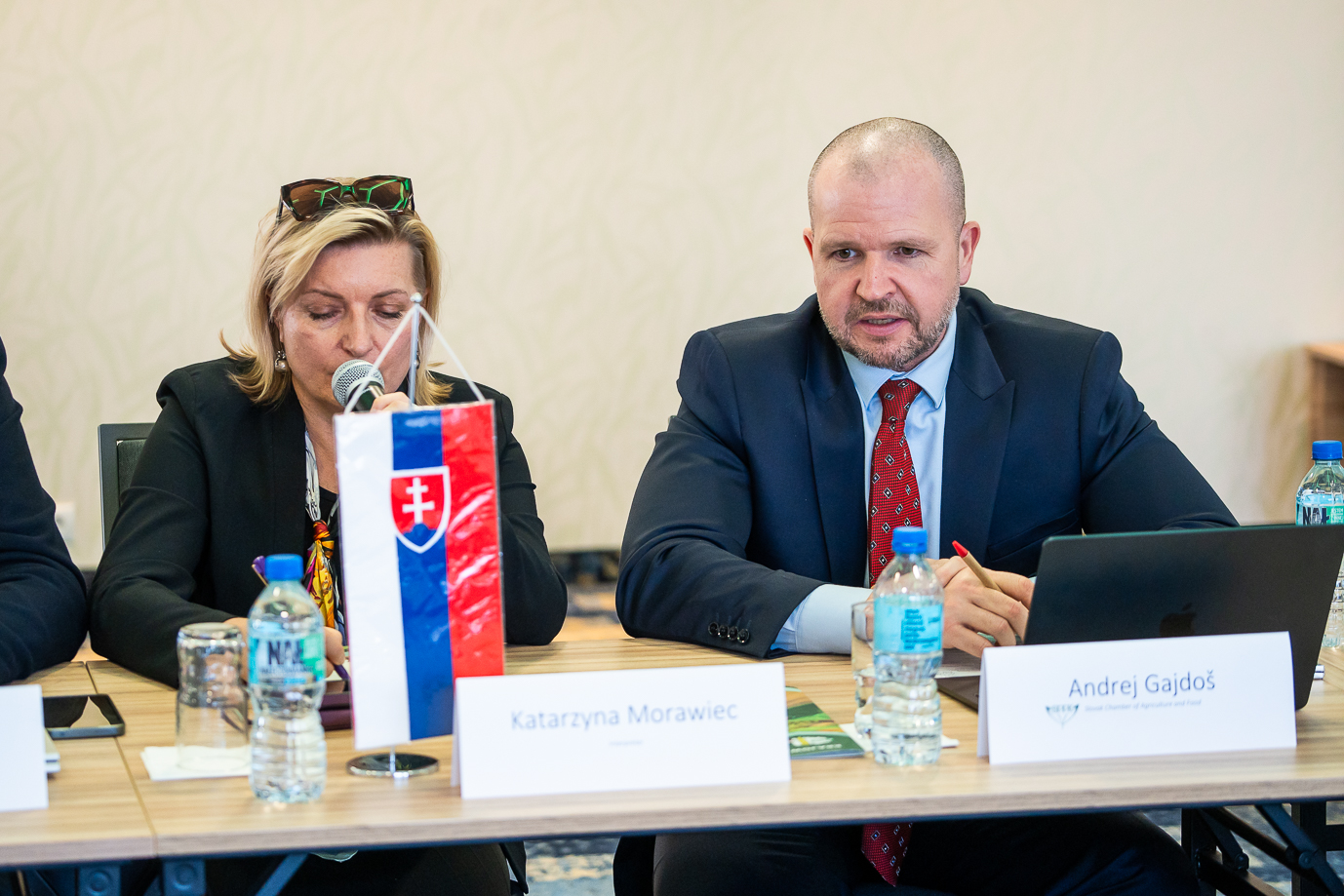
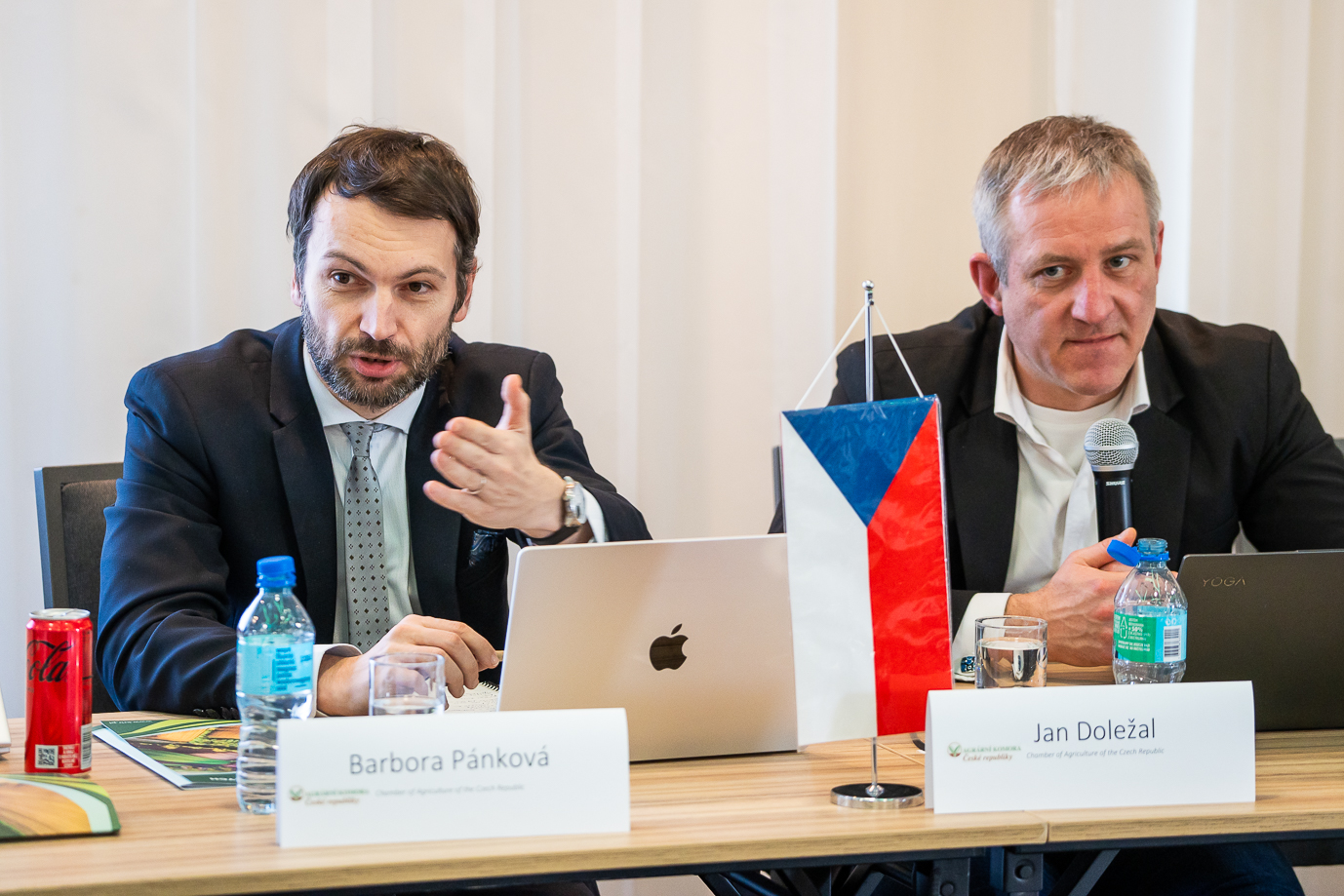
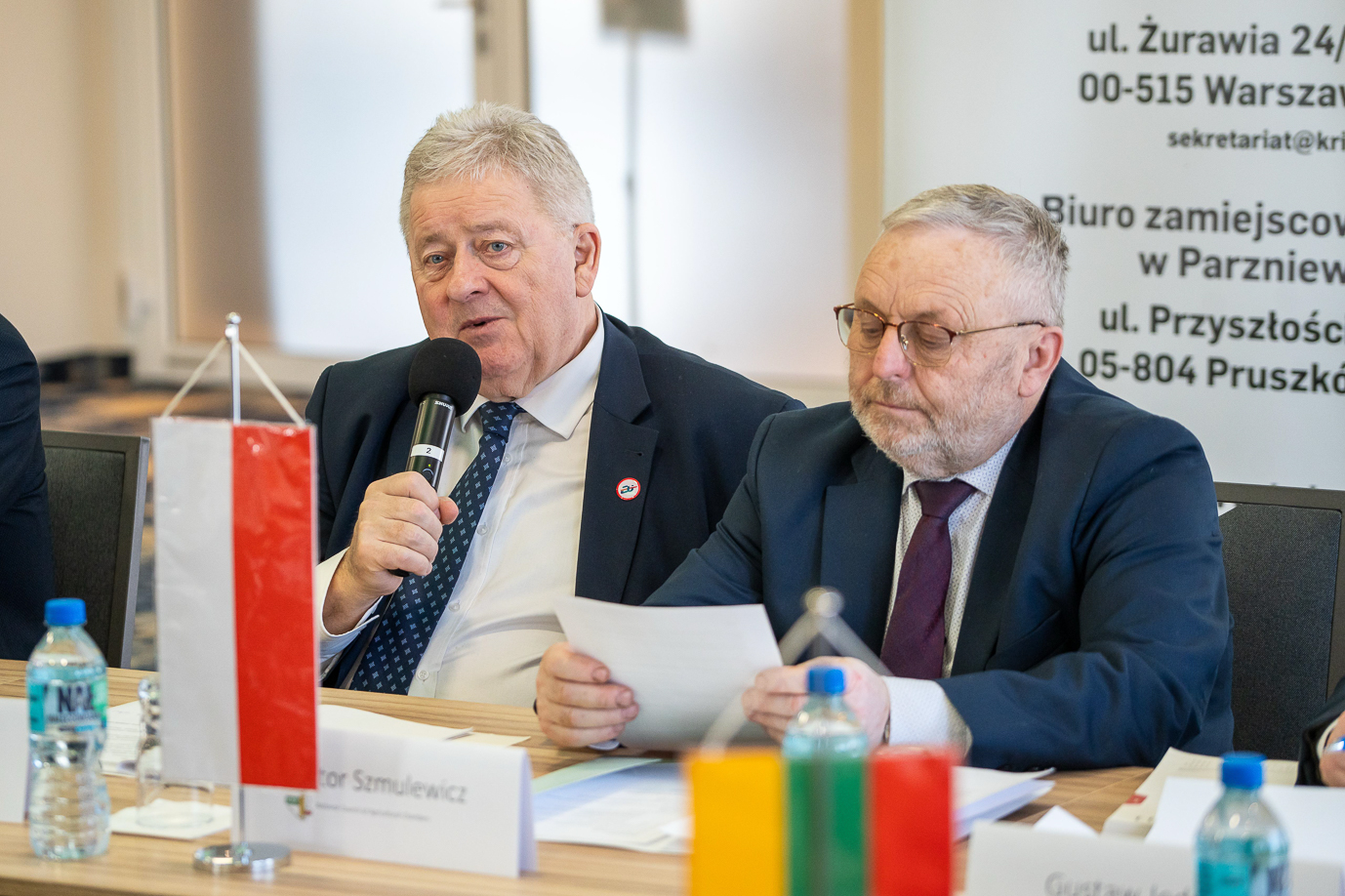
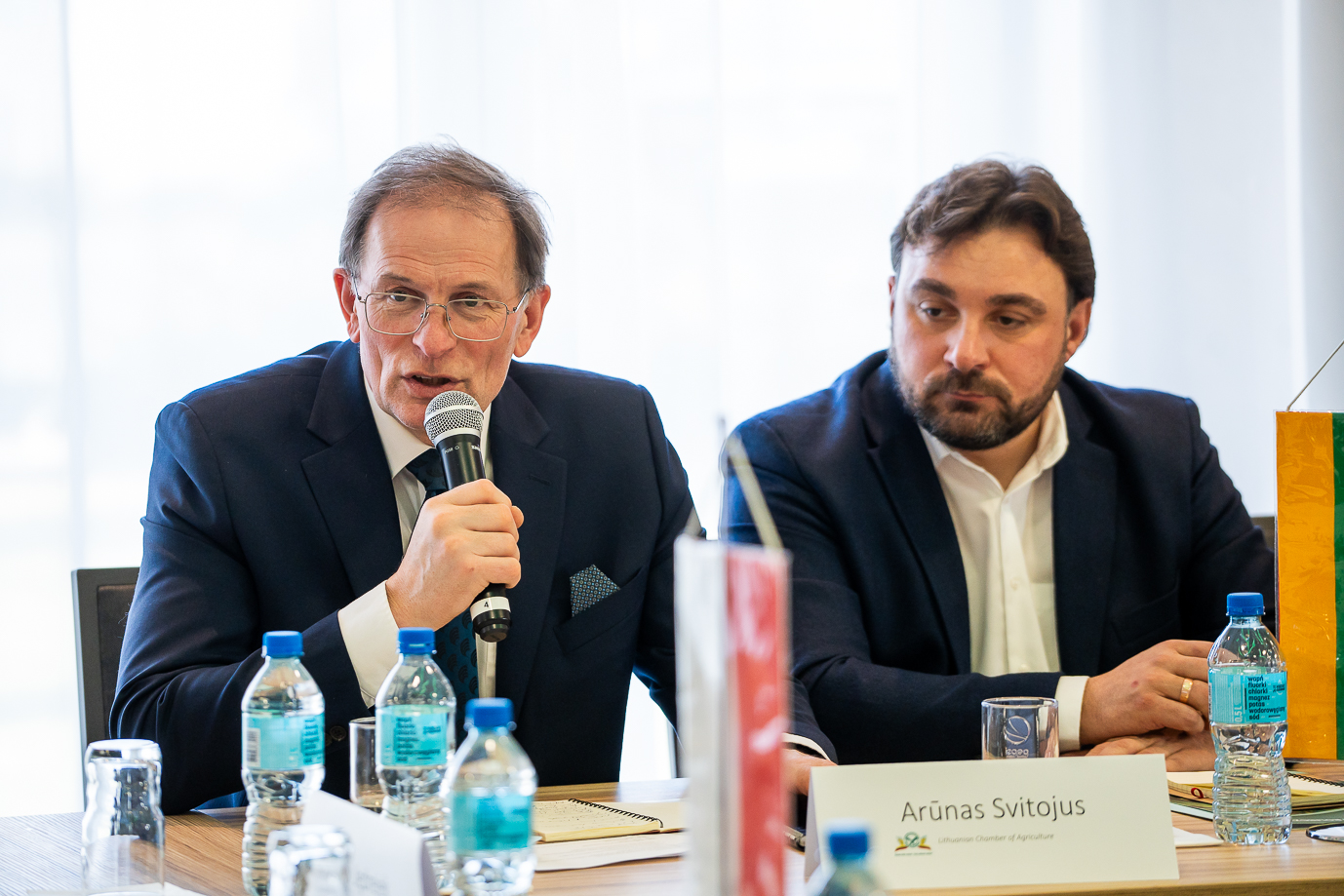
– The Polish Presidency is open to dialogue with farmers – said the Minister of Agriculture and Rural Development Czesław Siekierski during the meeting of representatives of agricultural chambers from the Visegrad Group countries (GV4 – Czech Republic, Poland, Slovakia, Hungary), which was held on 10 February in Falenty. During the meeting, Minister Siekierski presented the priorities of the Polish Presidency of the Council of the European Union and discussed the key challenges facing European agriculture.

– I am glad that our countries are actively involved in shaping the European Union policies, including the Common Agricultural Policy. Our voice is important and should be heard in Brussels and in other capitals, not only of Europe – said Minister Czesław Siekierski and stressed that such meetings were an excellent opportunity for farmers and agricultural activists to discuss agriculture of the Visegrad Group countries.
Polish Presidency of the Council of the EU
Minister Siekierski pointed out that the priorities of the Polish presidency in the EU Council would be mainly food security, the Common Agricultural Policy post 2027, international trade and the protection of farmers’ interests.
– These issues are essential both to empower European farmers and to guarantee food security. I will make every effort to ensure that our Presidency is firm, substantive and effective, that we have a significant contribution to creating new policies – stressed Minister Czesław Siekierski.
The head of the Polish Ministry of Agriculture highlighted that the programme of the Polish Presidency was the result of many months of work, and its objective was to contribute to improving the situation of European farmers and all rural residents.
Challenges
The participants in the meeting agreed that the most important challenges facing European agriculture were currently issues related to trade in agri-food products with Ukraine and the EU agreement with Mercosur countries. The discussants agreed that when developing partner contacts with Ukraine, special care for EU farms should be demonstrated, and the Mercosur agreement in its current form was unacceptable for farmers.
In addition, during the meeting they discussed the need to strengthen the EU budget and rural proofing – financing rural areas from the cohesion policy. Other important topics raised were also: simplification of the Common Agricultural Policy, overview of trade agreements so as to assess the impact of import from outside the EU, energy self-sufficiency of rural areas and the European Citizens’ Initiative Stop Fake Food.
Photos (12)
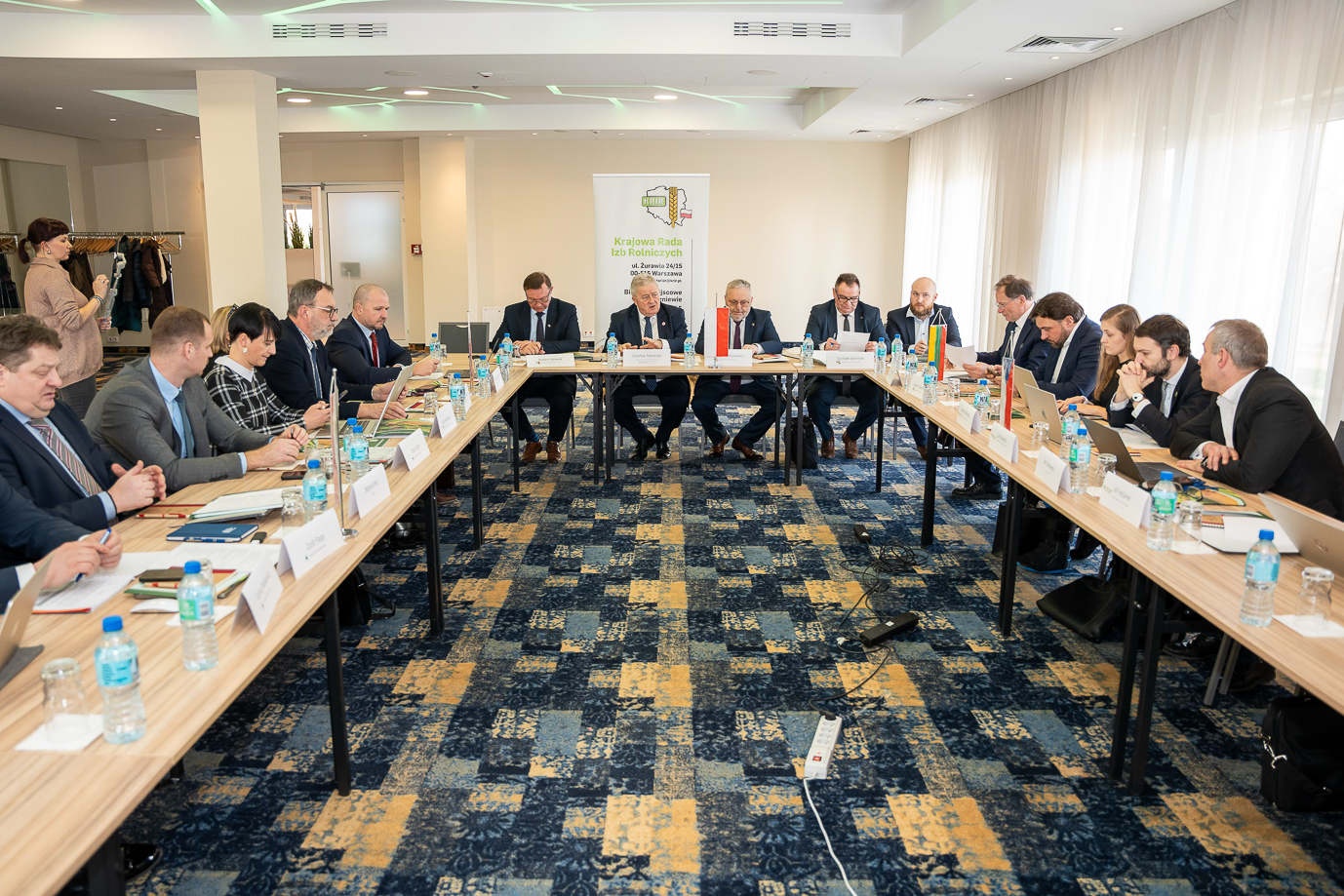 Display photo 2 in the gallery.
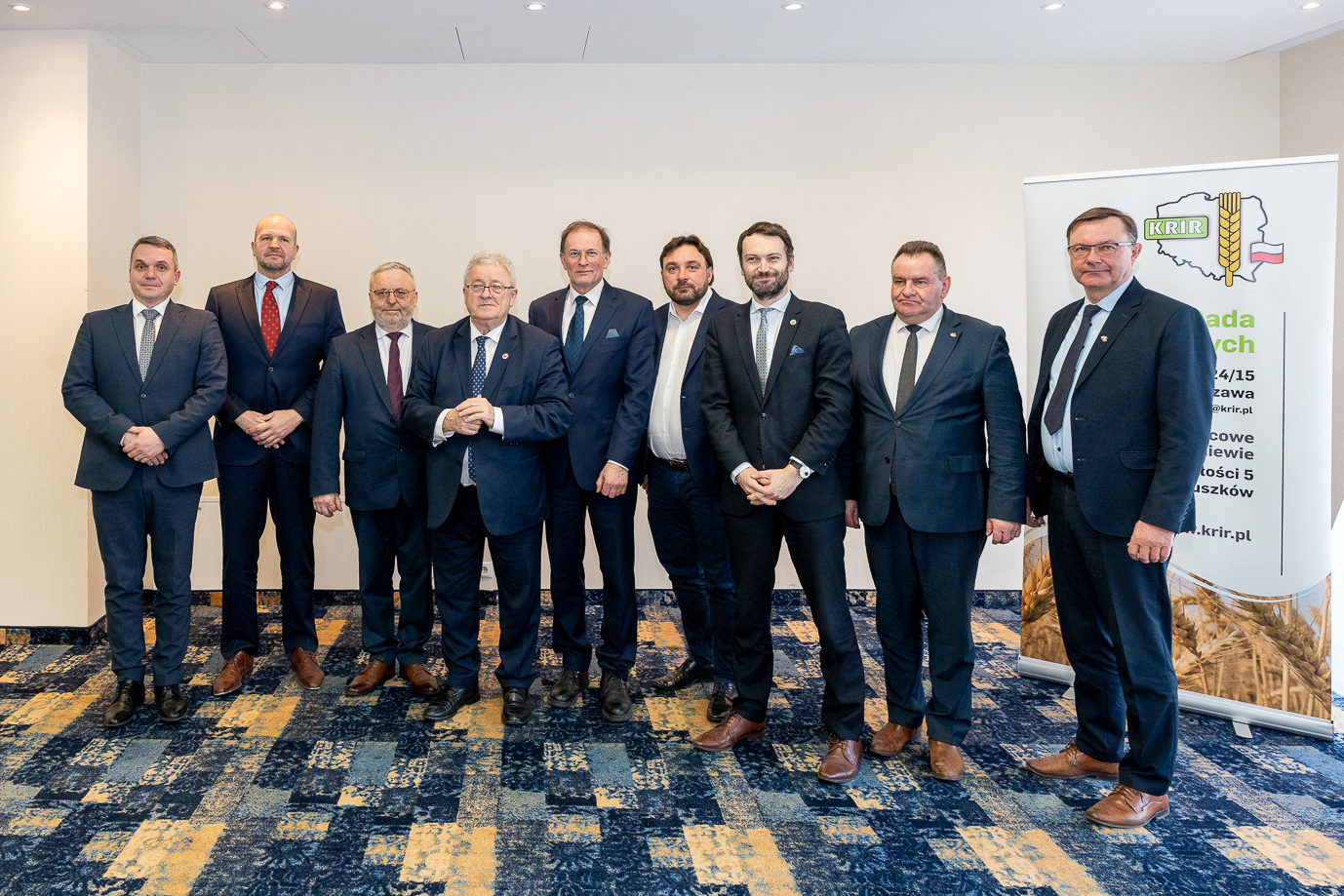 Display photo 3 in the gallery.
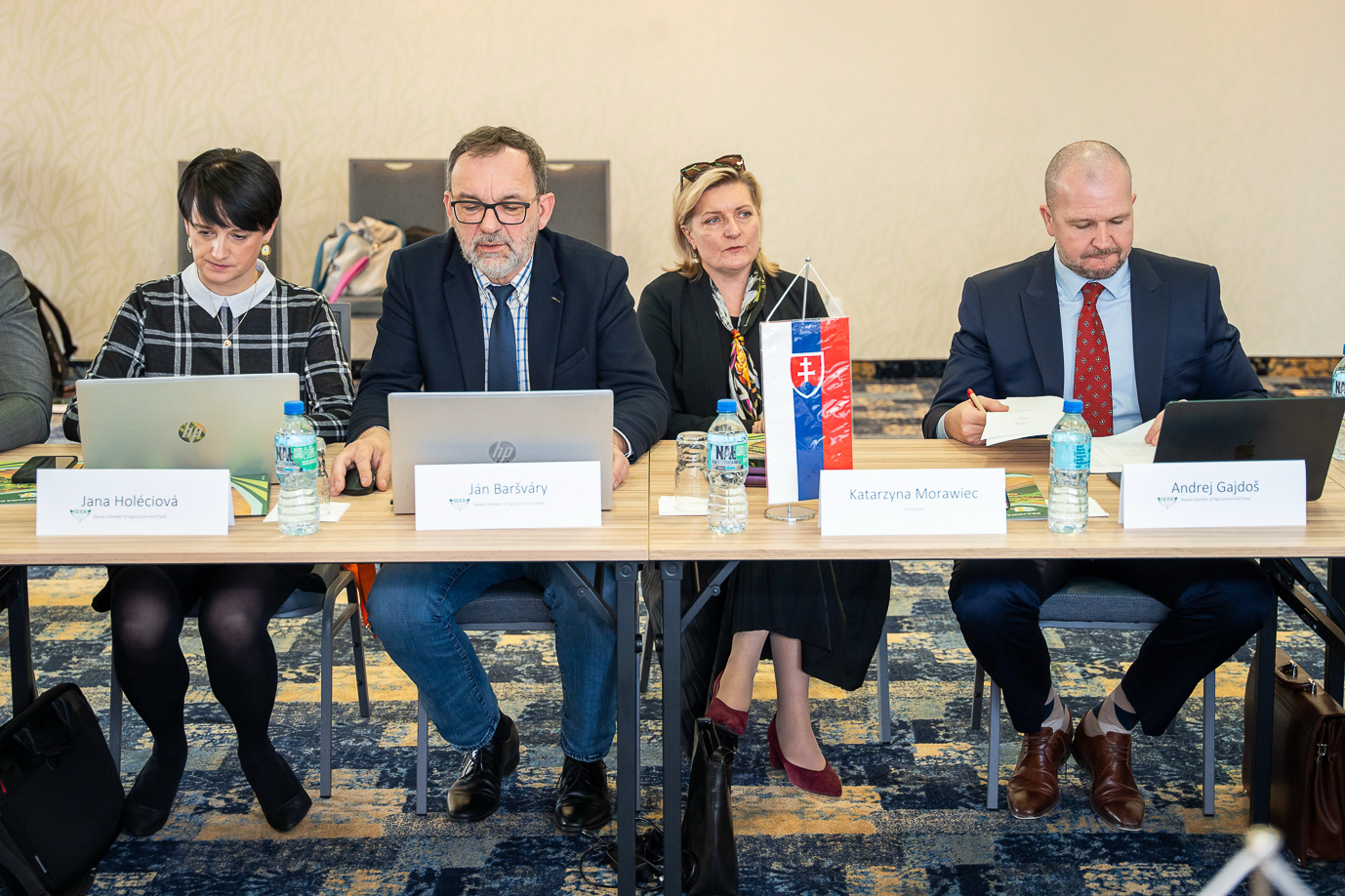 Display photo 4 in the gallery.
 Display photo 5 in the gallery.
 Display photo 6 in the gallery.
 Display photo 7 in the gallery.
 Display photo 8 in the gallery.
 Display photo 9 in the gallery.
 Display photo 10 in the gallery.
 Display photo 11 in the gallery.
 Display photo 12 in the gallery.