Head of Foreign Service and Director General Henryka Mościcka-Dendys takes part in Polish Architecture Congress
15.05.2026
The role of architecture in building Poland's image abroad and cooperation between the architectural and diplomatic communities were the focus of the address delivered by Head of the Foreign Service and Director General Henryka Mościcka-Dendys at the Congress of Polish Architecture. The event brough together representatives of public administration, cultural institutions, and the architectural community.

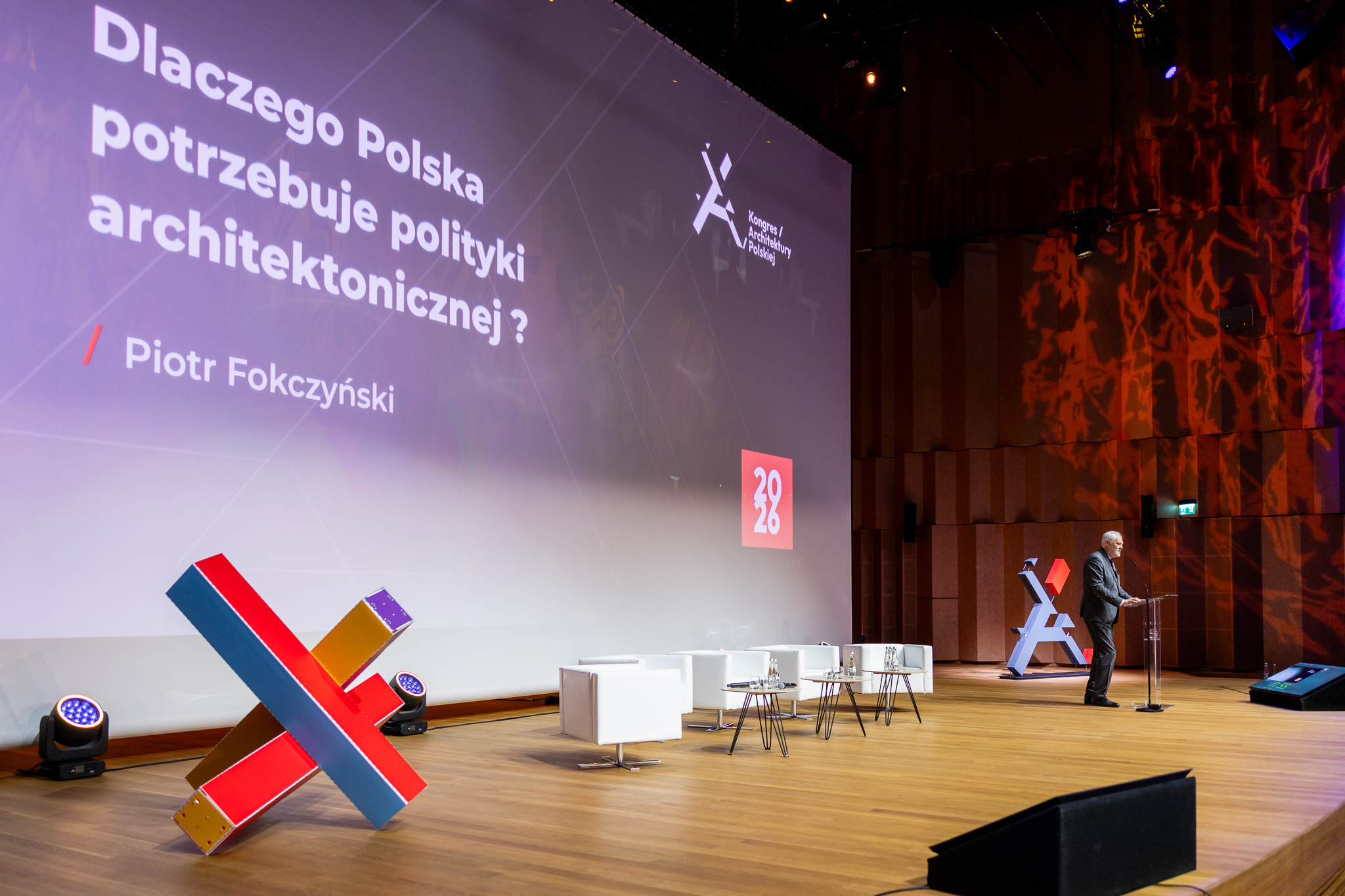
The Congress was held at the Polish History Museum in Warsaw on 14–15 May. During the opening ceremony, the head of the foreign service stressed that it is important that diplomats and architects work hand in hand to build Poland’s brand. While taking part in a discussion under the title “Architecture as Poland’s ambassador around the world”, she spoke about the best examples of Polish diplomatic post buildings (from Ankara to Tokyo), which were designed by outstanding Polish architects. She also said that diplomacy and architecture are highly inderdisciplinary and stated that teamwork is of key importance in both these areas.
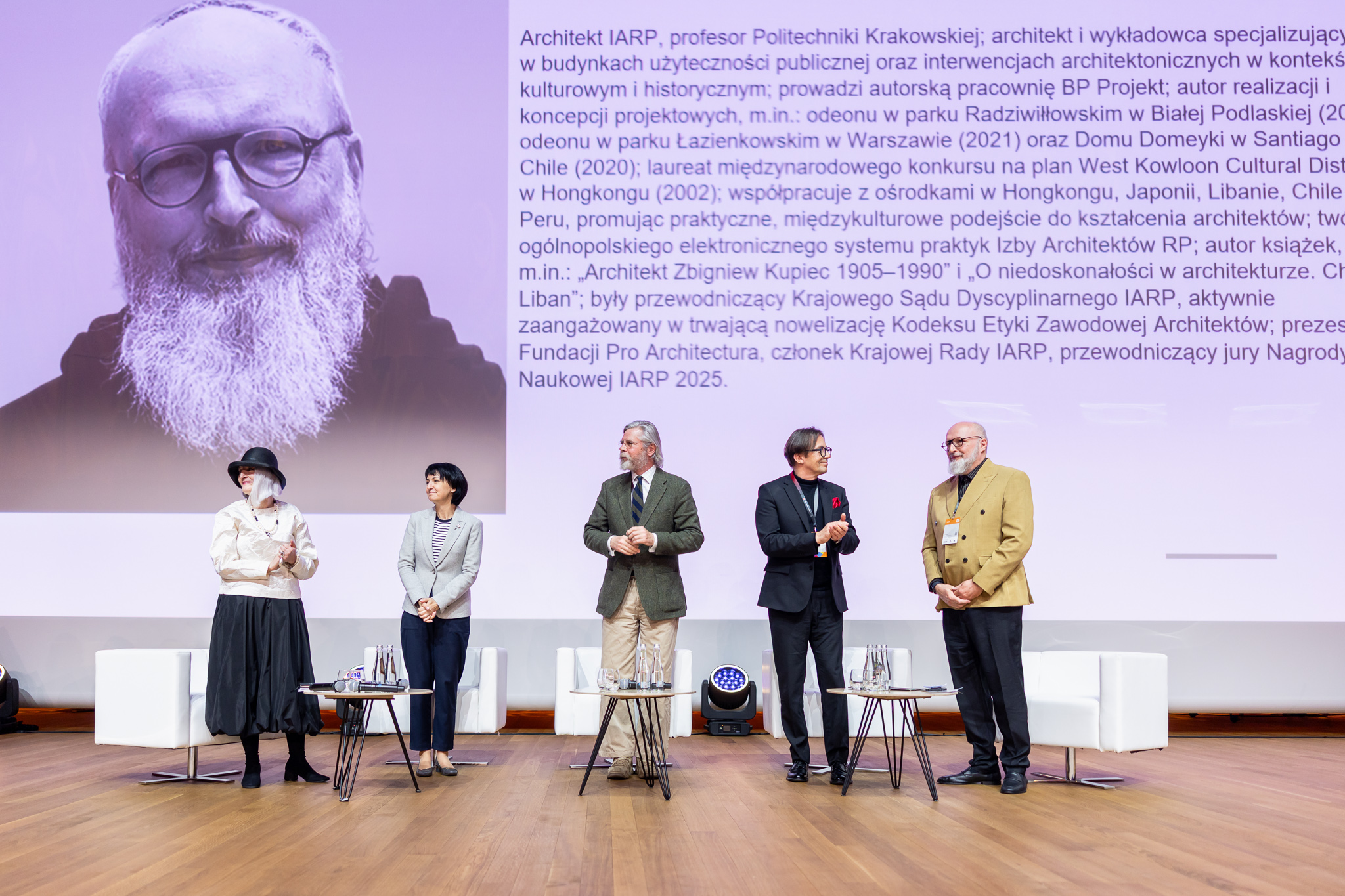
The discussion, moderated by Marta A. Urbańska, BEng, PhD Arch, a professor at the Cracow University of Technology, brought together representatives of the architectural community and experts specialising in designing contemporary public spaces: Professor Kazimierz Butelski from the Cracow University of Technology, Tomasz Konior, an architect and urban planner at Konior Studio, and Paweł Potoroczyn, Director of the European Capital of Culture Lublin 2029.
During the discussion, Head of the Foreign Service and MFA Director General Henryka Mościcka-Dendys spoke about both historical designs of Polish embassies and the contemporary ones, which help promote Poland abroad.
She listed the following designs:
- Polish Embassy in Sofia and the adaptation of the Brühl Palace for the purposes of the pre-war seat of the Foreign Ministry by Bogdan Pniewski (1897–1965),
- Polish Embassy in Ankara by Karol Iwanicki (1870–1941),
- Polish Embassy in New Delhi by Witold Cęckiewicz (1924–2023) and Stanisław Deńko (1943–2021),
- Polish Embassy in Tokyo by Krzysztof Ingarden.
She cited, among others, the following as examples of outstanding contemporary Polish architecture: the Polish Embassy in Berlin, completed two years ago, designed by the JEMS Architekci group, and the Polish Embassy in Minsk, designed by the PRC Architekci studio. While speaking about the design of the Polish Embassy in Minsk, Head of the Foreign Service and Director General Henryka Mościcka-Dendys emphasised that “our neighbourhood requires investments even in difficult times, and architecture can be the thread that connects us.”
Furthermore, the head of the foreign service pointed out that architecture is an important element of “soft power.” The Ministry of Foreign Affairs supports the participation of Polish architects in major international events, organises study visits, and works together with Polish Institutes and foreign missions to promote Polish architecture and design.
**
The Congress of Polish Architecture is regarded as Poland’s biggest industry event bringing together the architectural community. Its main goal is to draft the framework for a package of legislative measures making up the Polish Architectural Policy.
Detailed information on the Congress and the schedule of debates held over two days can be found at the event’s official website.
The Polish Architecture Congress is held under the honorary patronage of the Ministry of Economic Development and Technology, the Minister of Foreign Affairs, the Minister of Culture and National Heritage, the Mayor of Warsaw, and the Marshal of the Mazowieckie Province.
Photo: The Congress of Polish Architecture