Baltica 2 enters the offshore construction phase - a key step for Poland's energy security
11.05.2026
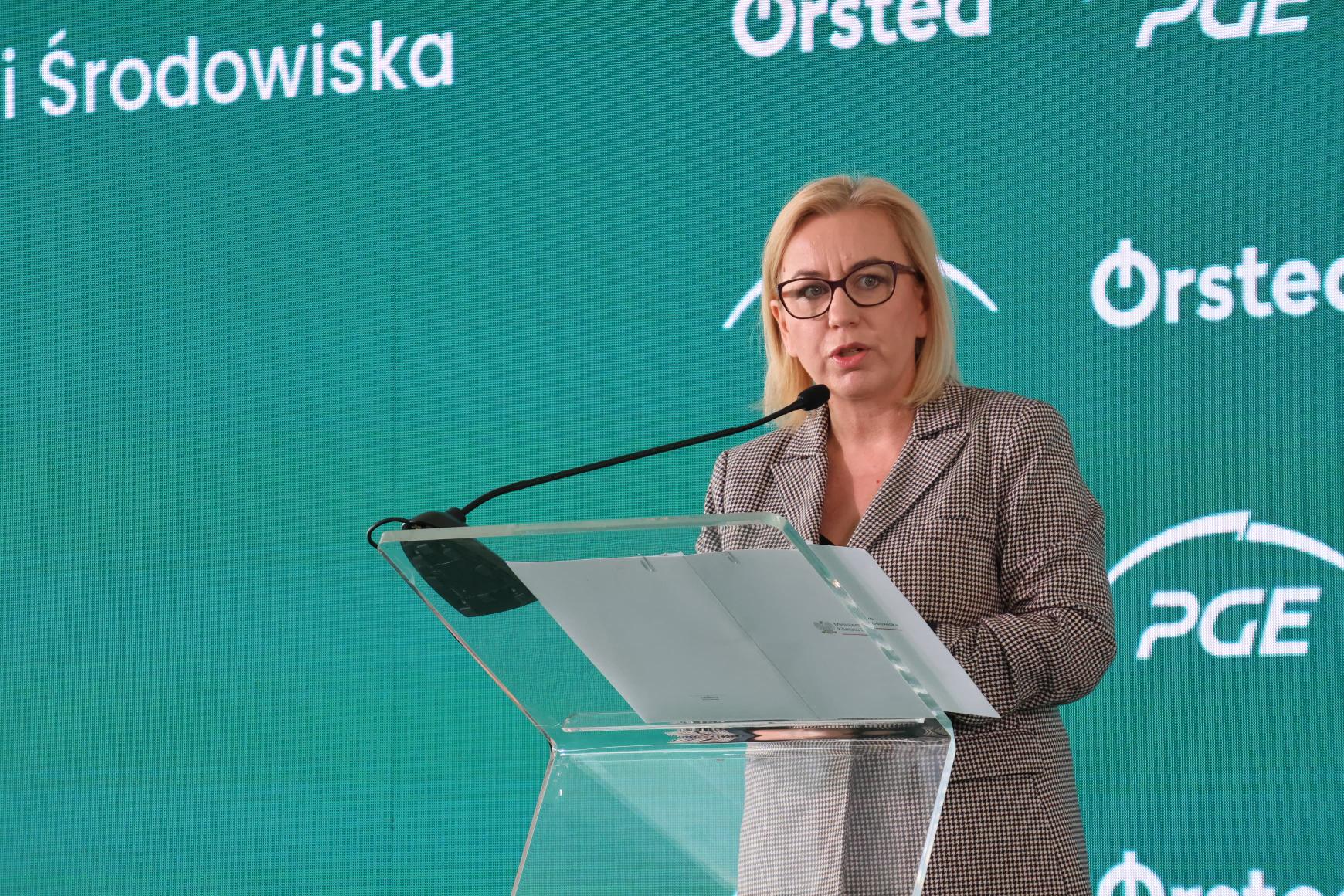
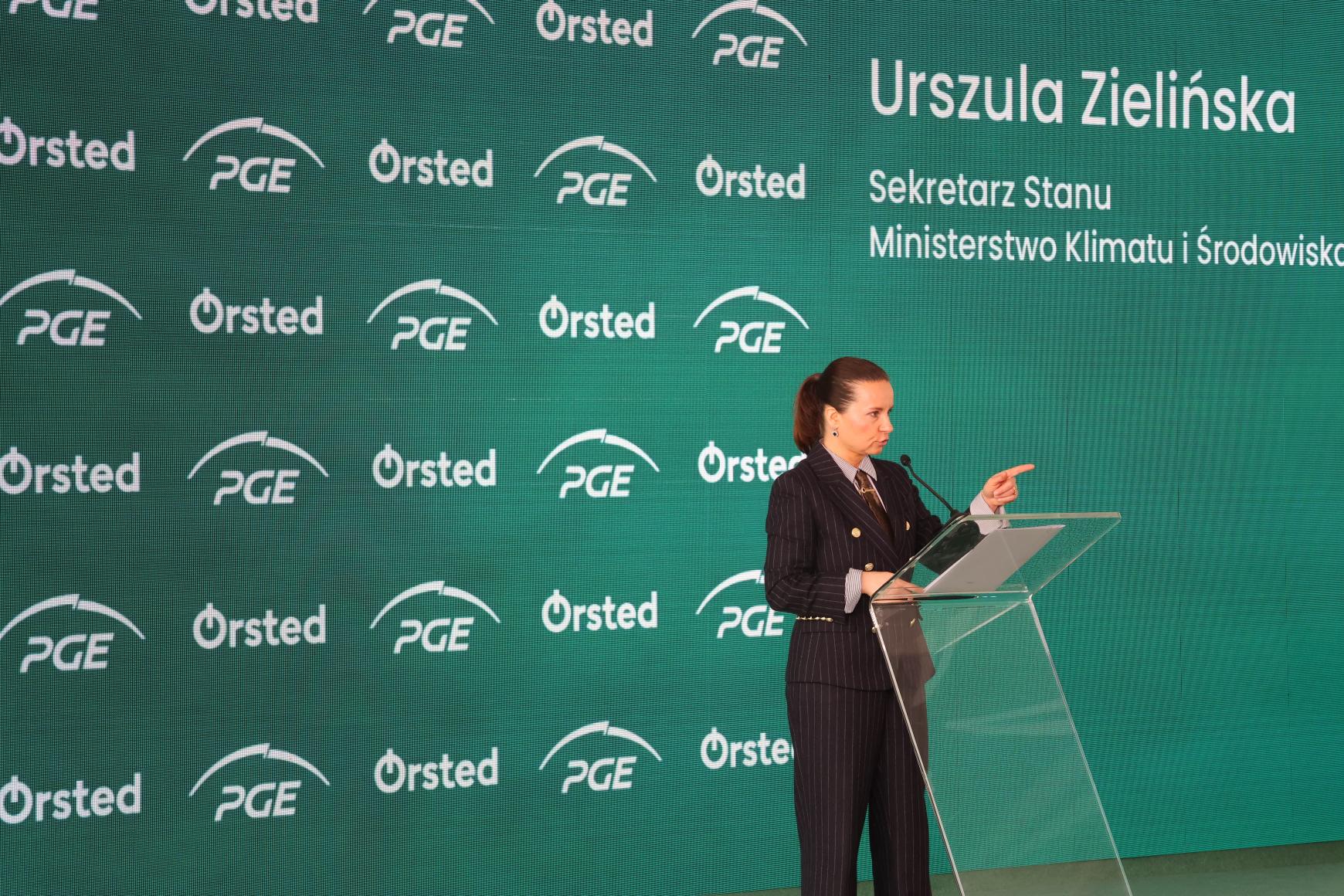
Offshore wind energy is one of the pillars of building Poland's energy security and sovereignty. Baltica 2, being built jointly by PGE and Ørsted, is the largest wind farm currently under construction in Poland. The project has just entered a key phase of offshore installation work - the first foundations have already been installed in the Baltic Sea. The groundbreaking ceremony, which took place on 11 May 2026 in Gdańsk, was attended by the Minister for Climate and the Environment, Paulina Hennig-Kloska, and Deputy Minister Urszula Zielińska.

Highlights
- The Baltica 2 offshore wind farm has entered a crucial phase of construction with the installation of the first foundations in the Baltic Sea.
- The 1.5 GW project, being developed jointly by PGE and Ørsted, will be capable of supplying power to around 2.5 million households in Poland.
- The investment will significantly strengthen the country’s energy security and sovereignty by increasing the share of renewable energy sources in the national energy mix.
- The construction of Baltica 2 drives economic development, supports the domestic supply chain, seaport development and the creation of new jobs in the offshore sector.
- The first energy from the farm will be generated in the first half of 2027, with full commercial operation planned for the end of 2027.
Baltica 2 is a 1.5 GW offshore wind farm being developed as a joint venture between Ørsted and PGE Polska Grupa Energetyczna. In terms of generation capacity, it is one of the largest energy projects currently underway in Poland. It is also one of the key offshore wind energy projects on the Baltic Sea. Once construction is complete, Baltica 2 will be able to supply energy to around 2.5 million households in Poland.
The offshore wind farm under construction is also one of the key investments strengthening Poland’s energy security. Its completion will increase the share of renewable energy in the national energy mix and reduce dependence on fossil fuels. At the same time, the project is driving the development of the Polish economy – from seaports and infrastructure to the domestic supply chain and new jobs. It is an investment that is truly laying the foundations for the Polish offshore sector for decades to come.
The start of foundation installation at the Baltica 2 offshore wind farm marks another key and strategic stage, during which we will be able to see, day by day and week by week, the changes actually taking place right before our eyes. These are no longer plans, discussions or dreams, but a reality that is moving in the only right direction. Offshore wind energy is not only the foundations of Poland's new energy mix – it is the cornerstone of the security of Poland's energy sector and our sovereignty. Today, utilising domestic resources in Poland's energy sector is both our core responsibility and a challenge. We are living in a time when one of the key objectives should be to reduce our dependence on imported fossil fuels, for environmental, climate and economic reasons, as well as for security purposes
– said Paulina Hennig-Kloska, Minister for Climate and the Environment.
Baltica 2 is being built around 40 km off the coast near Ustka, and is scheduled to come online in 2027. The project has secured all the necessary permits and a 25-year contract for difference (CfD).
The market on the Polish Baltic coast is currently one of the most attractive and stable in Europe for investment in renewable energy. Together with the Ministry of Energy, we are just finalising the National Energy and Climate Plan up to 2040, because the Polish Baltic Sea deserves at least 18 GW of new, clean installed offshore energy capacity by this date. We are not stopping there – we are speeding up permits, simplifying administration and working on legislation that will shorten investment and permitting times. In areas of accelerated renewable energy development, our target is a maximum of two years for all administrative decisions on offshore wind projects and a maximum of one year for onshore projects. This will be one of the most attractive investment markets in Europe
– added Urszula Zielińska, Deputy Minister for Climate and the Environment.
Implementation stages
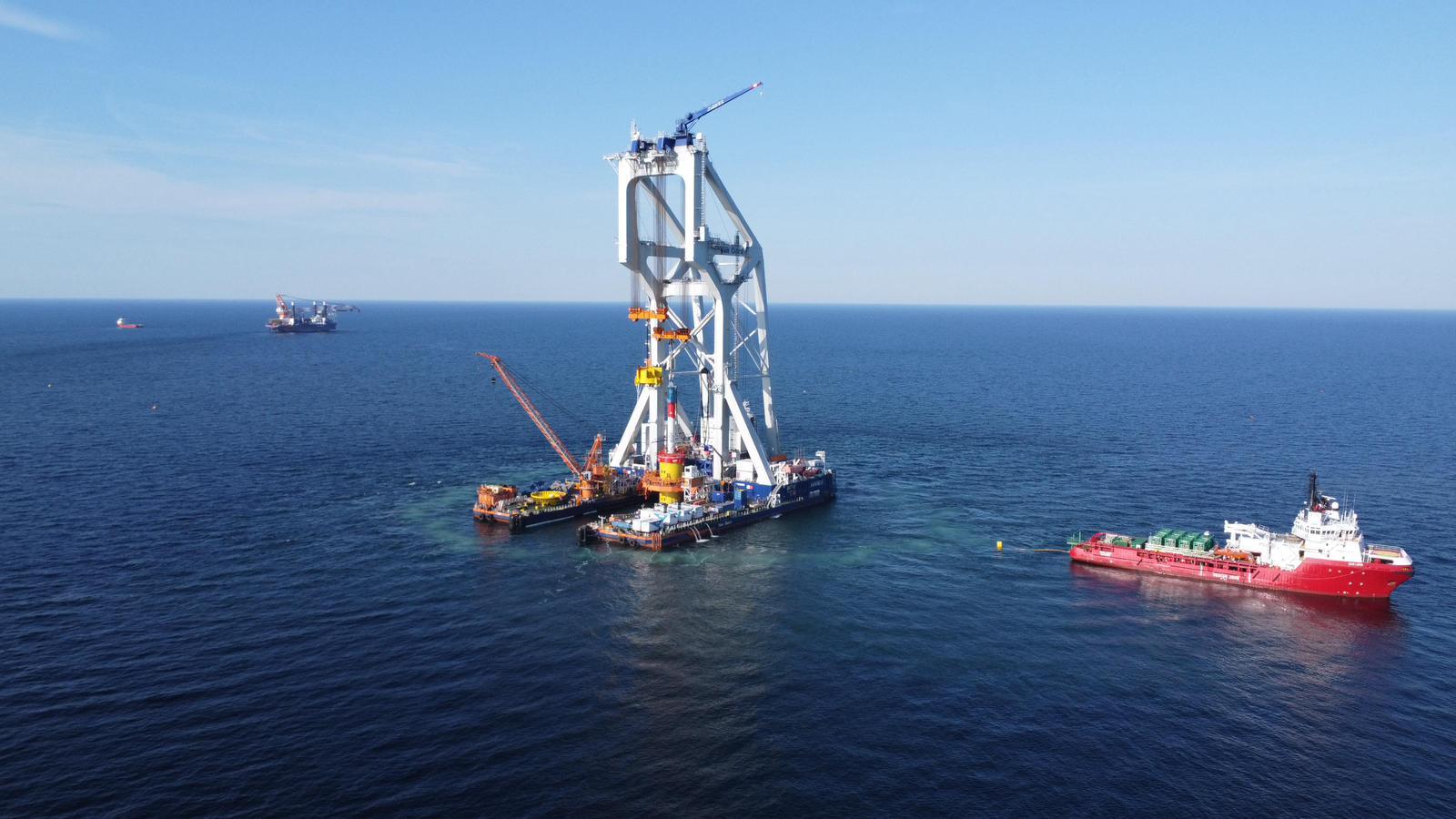
The installation of the foundations is one of the project's key stages, paving the way for further offshore work, including the installation of turbines and transmission infrastructure. A total of 111 monopiles will be installed at sea – 107 for the turbines and 4 for the offshore substations. Construction will be completed in the fourth quarter of 2026.
The next step will be the installation of export cables, which will connect the farm to the national power grid via onshore connection infrastructure. The installation of offshore substations is also scheduled for this phase. In the subsequent phases of the project, the laying of internal cables and the installation of wind turbines will commence. According to the schedule, the first electricity from the Baltica 2 farm will be generated in the first half of 2027, with full commercial operation planned for the end of 2027.
At the same time, construction is underway on an onshore substation and connection infrastructure in the municipality of Choczewo in Pomerania.
Safety and environmental protection
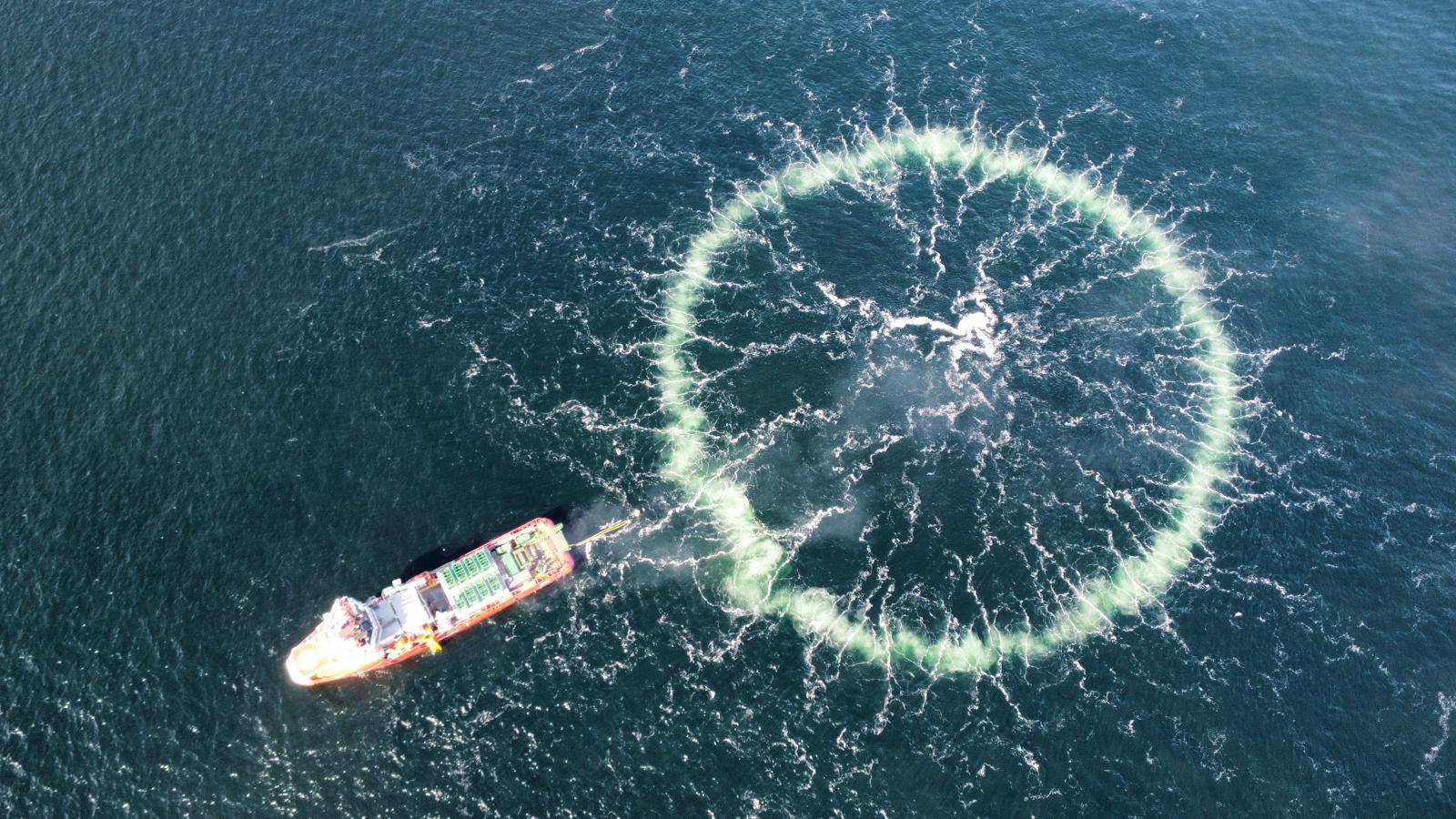
Installation work is being carried out in challenging marine conditions, involving numerous vessels and specialists. Every stage of the project is subject to rigorous safety and environmental protection standards. During the installation of the foundations, measures such as bubble curtains to reduce underwater noise are used, as well as monitoring for the presence of marine mammals. These solutions minimise the impact of the works on the Baltic Sea ecosystem.