Disinformation about heat pumps on the Ministry of Climate and Environment's radar
23.02.2026
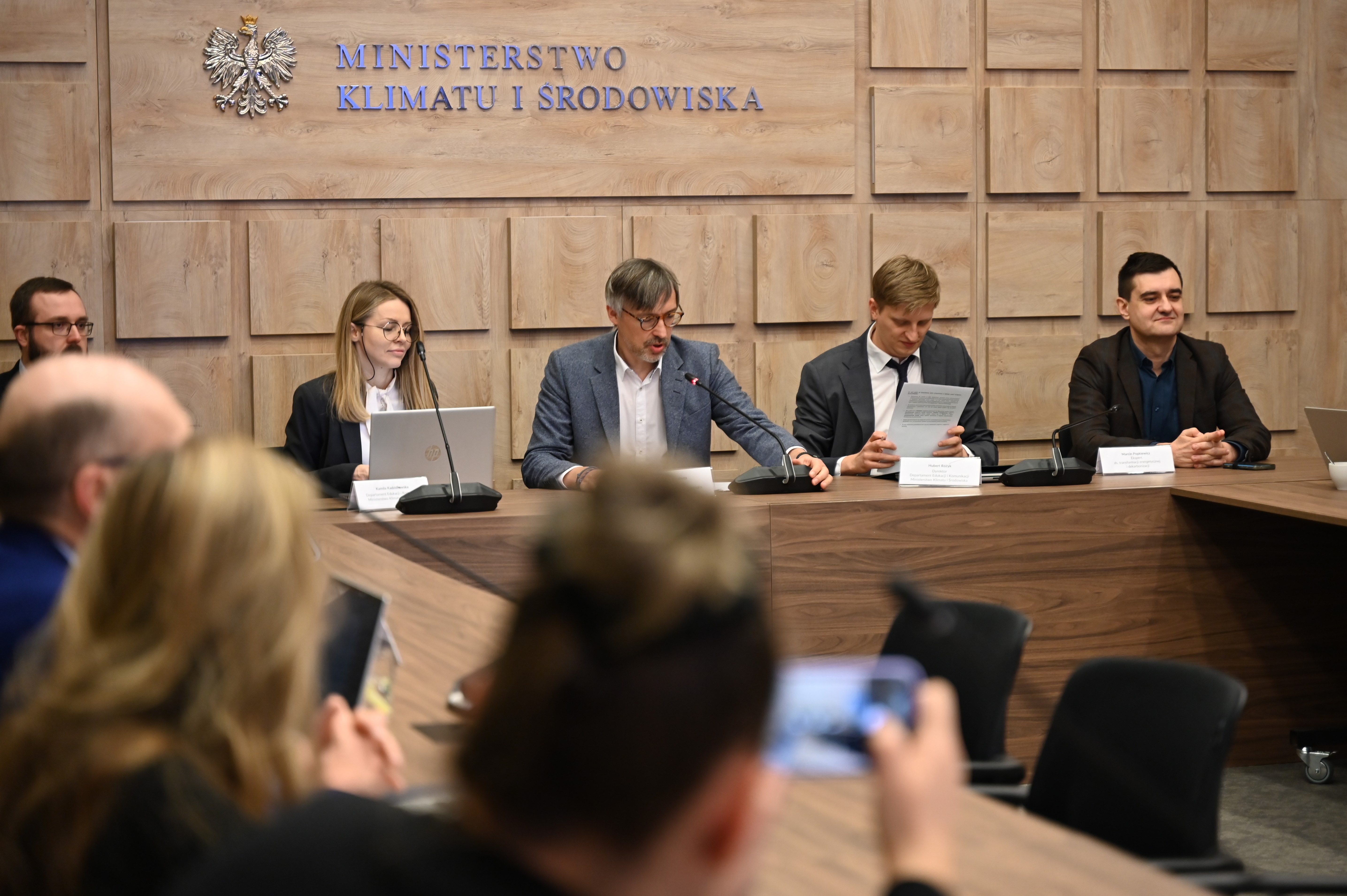
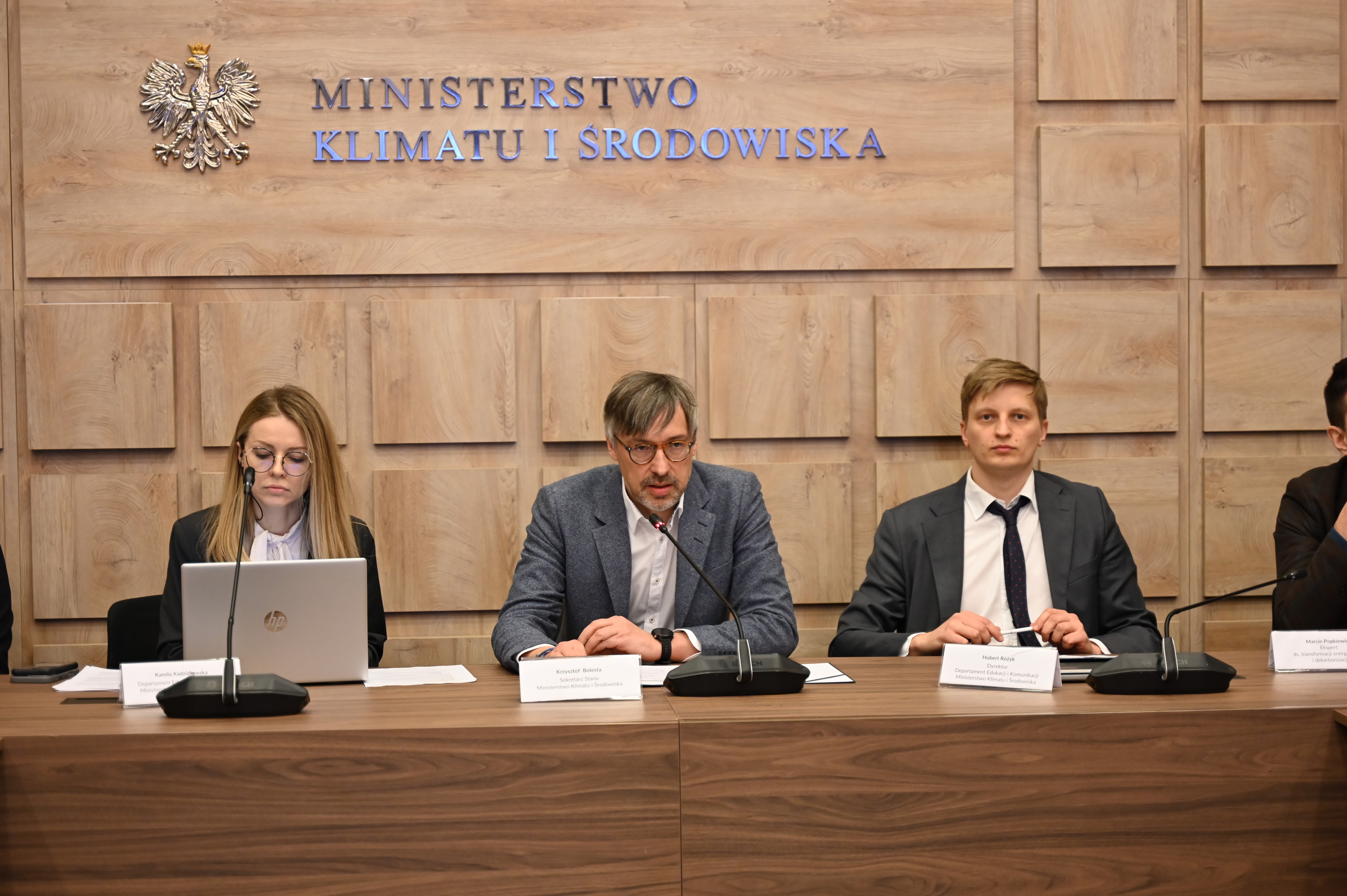
The growing scale of disinformation about low-carbon technologies such as heat pumps is one of the key challenges for the modernisation of heating systems, improving air quality and energy security in Poland. On 19 February, the Ministry of Climate and Environment held a press conference combined with an expert session dedicated to analysing this phenomenon. 'DezInfoRADAR: facts and myths about heat pumps,' attended by Deputy Minister Krzysztof Bolesta, brought together representatives of public administration, civil society and industry circles affected by the effects of disinformation.

Highlights
- Facts contradict myths: properly selected and installed heat pumps operate efficiently at very low temperatures and in older buildings.
- Most of the problems attributed to this technology are caused by incorrect selection or installation, lack of auditing and unfair market practices.
- Work is underway to tighten the quality standards for equipment and materials covered by public funding (List of Green Equipment and Materials – ZUM List).
- According to the new criteria, heat pumps and biomass boilers included in the ZUM List will have to be manufactured within the EU.
- The Ministry has prepared a draft law on assistance for the poorest beneficiaries of the ‘Clean Air’ programme.
DezInfoRadar: facts and myths about heat pumps
On 19 February, a press conference combined with an expert session entitled ‘DezInfoRADAR: facts and myths about heat pumps’ was held at the headquarters of the Ministry of Climate and Environment. The aim of the meeting included an analysis of the growing wave of disinformation about heat pump technology. Disinformation on this issue is one of the key challenges for the modernisation of the heating system, improvement of air quality and energy security in Poland.
The event was attended by Deputy Minister Krzysztof Bolesta, representatives of the Department of Education and Communication, the Department of Air Protection and Climate Negotiations, the National Fund for Environmental Protection and Water Management, as well as other ministries and communities directly affected by the effects of disinformation (industry, installers, auditors, energy advisors and users).
The discussion focused on the scale and mechanisms of the disinformation campaign, which is part of the information war affecting the Polish heating sector, slowing down the modernisation of buildings, worsening air quality, weakening energy sovereignty and promoting a return to fossil fuel combustion.
Expert analyses
During the expert section, three complementary perspectives were presented. Marcin Kostecki, editor-in-chief of Demagog.org.pl, showed a map of the most common disinformation narratives and techniques, drawing attention to synthetic content (including AI-generated one), cherry-picking of incidental errors, and narratives about alleged EU coercion, ‘freezing heat pumps’ and ‘Polish families tricked into heat pumps’.
Marek Miara, PhD, an international expert in heat pump technology with over 20 years of research and implementation experience, addressed the most common myths. He cited empirical data from countries colder than Poland, which prove that heat pumps work effectively, even at very low temperatures and in old buildings. He emphasised that any problems are the result of errors in selection and installation and a lack of auditing, rather than limitations of the technology itself.
Marcin Popkiewicz, a megatrend analyst, expert and journalist specialising in the interrelationships between the economy, energy, resources and the environment, placed these conclusions in a systemic context: heat pumps are a rational pillar of the heating transition in Poland, strengthening energy security, improving air quality, reducing pressure on forest felling and dependence on fossil fuels - as long as they are accompanied by a stable regulatory framework, a consistent pricing policy and the development of heat storage.
The voice of practitioners
The statements made by practitioners (installers, auditors, advisors and users) attending the meeting coincided with the experts' conclusions. Emphasis was placed on the problem of the media's lack of interest in the stories of the ‘silent majority’, i.e. heat pump owners who are satisfied with the technology, which translates into lower bills, improved comfort of life and air quality.
It was pointed out that the source of the difficult situations that were publicised, such as horrendous bills or the declared inefficiency of the pumps, was most often not the technology itself, but poor-quality installations (often with equipment imported from outside the EU), carried out without a prior energy audit of the building and without the necessary thermal modernisation.
The problem was exacerbated by the dishonest practices of some companies which, until the Clean Air programme was suspended, took advantage of customers' gullibility and high pre-financing mechanisms, without properly verifying the quality of services and the selection of equipment.
This problem has fuelled groups that use the stories of aggrieved people in black PR campaigns against heat pumps. These factors have caused a radical decline in consumer confidence and demand, hitting the Polish sector of companies manufacturing and installing heat pumps, which has translated into operating costs and the suspension of investments.
Priorities
Deputy Minister Krzysztof Bolesta highlighted the need to build systemic resilience to disinformation, as well as measures to improve the quality of publicly funded equipment to make investment decisions safe and effective.
He reported on work to tighten quality requirements in the List of Green Equipment and Materials (ZUM List), including environmental and service standards and production requirements for equipment covered by the support.
The Ministry has also prepared a draft law on assistance to victims in connection with the implementation of the Clean Air programme. It introduces the possibility of suspending the recovery of unsettled advances from beneficiaries who have been harmed by dishonest companies and facilitates the recovery of claims directly from companies subject to criminal proceedings.
Editors interested in contacting DezInfoRADAR experts and participants are requested to send a message to: stop.dezinformacji@klimat.gov.pl
This address can also be used to report questionable content or suspected disinformation in the area of climate and the environment.
For more information, see: Facts about climate, environment and energy – Ministry of Climate and Environment – Gov.pl portal