EU Environment Council on the circular economy, preparations for COP30 and water resilience strategy
17.06.2025
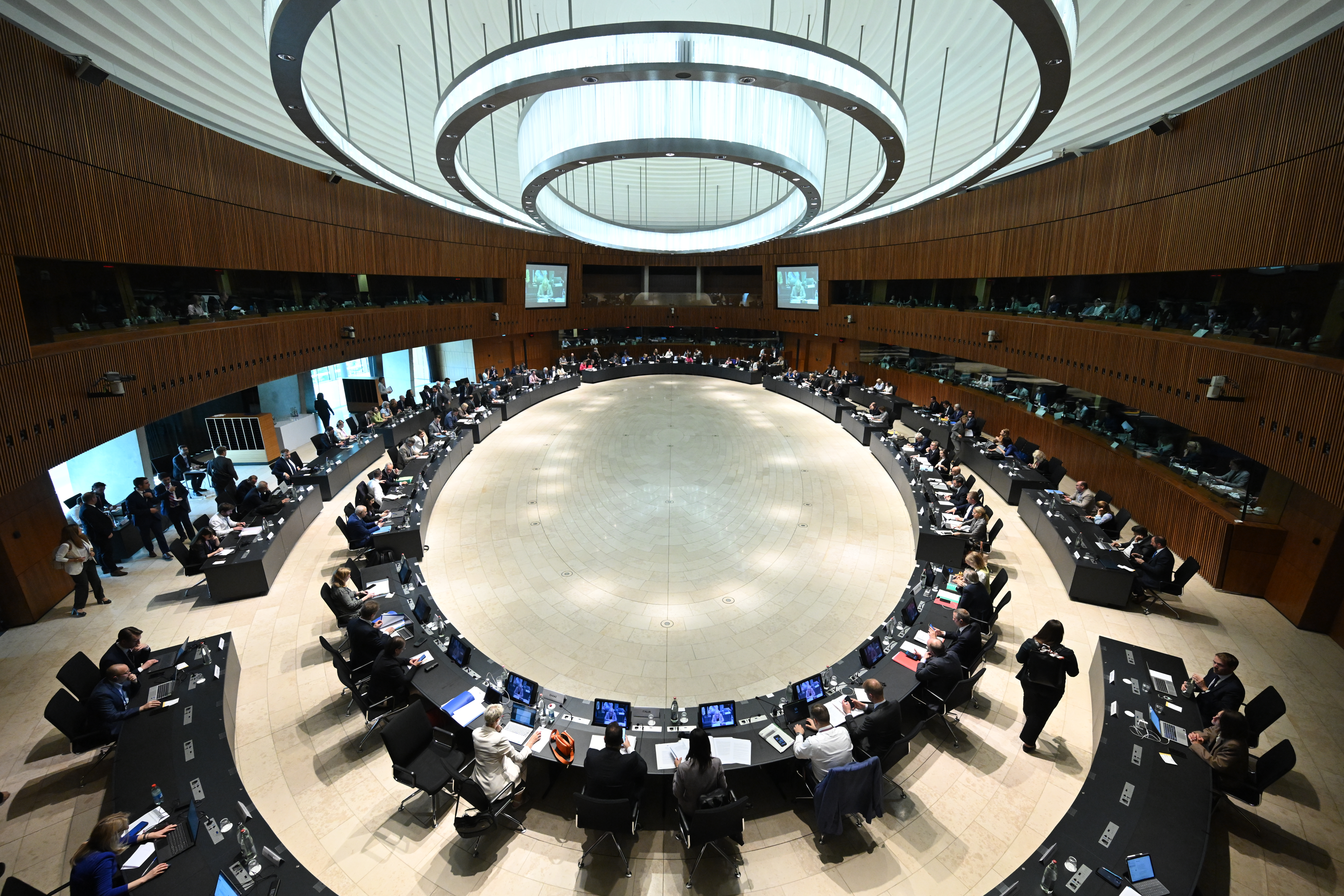
The circular economy, preparations for the UN Climate Conference COP30 in Brazil, the assessment of national energy and climate plans (NECPs) and a new water resilience strategy - these are the main topics of the meeting of the EU Environment Council (ENVI), chaired by the Minister of Climate and Environment Paulina Hennig-Kloska and Deputy Minister Krzysztof Bolesta. The meeting took place in Luxembourg on 17 June 2025.

KEY INFORMATION
- In terms of the circular economy, the Council adopted a position on the End-of-Life Vehicles (ELV) Regulation, including:
- Plastic recycling targets: 15%, 20%, 25%
- Extension of regulations to trucks, motorbikes and special vehicles.
- New obligations when selling used vehicles.
- Simplification and extended producer responsibility.
- The theme of COP30 and the ongoing work on a new EU climate position (NDC) ahead of the summit in Belém (Brazil) were discussed.
- The Commission presented a new water resilience strategy - which was well received by Member States.
- Evaluation of the final national energy and climate plans: EU close to target - 55% emissions by 2030, but gaps in LULUCF and energy efficiency remain.
Circular economy: Council adopts position on recycling of end-of-life vehicles
In the legislative part, the Council adopted a negotiating position on the End-of-Life Vehicles (ELV) Regulation. The new legislation aims to increase circularity in the automotive sector by:
- mandatory targets for recycled plastic content (15% after 6 years, 20% after 8 years and 25% after 10 years),
- Extension of Producer Responsibility (EPR),
- simplification of administrative requirements.
The new legislation sets out requirements for new vehicles to be designed with reuse, recycling and recovery in mind. This is a game-changer for Europe: less waste, more recycling, more circularity and competitiveness. Next step: negotiations with the European Parliament.
The end-of-life vehicle regulation is a good thing for Europe. Reduces waste, reduces our dependence on critical raw materials from abroad and brings the automotive industry into the heart of a circular economy
- emphasised Minister Paulina Hennig-Kloska.
The new regulations will cover not only cars and vans, but also trucks, motorbikes and special-purpose vehicles such as fire engines and ambulances.
There will also be an obligation to document the technical condition when selling used vehicles.
Why is the End-of-Life Vehicle Recycling Regulation important?
The new law will mean that it will be easier for citizens to import cars. Car disposal money will follow the vehicle. If a vehicle imported from abroad is scrapped, the importer (dealer or company importing used cars) or the manufacturer, if the car was imported by an individual, will pay for it.
State of EU preparations for COP30
In the non-legislative part, ministers discussed the state of the EU's preparations for COP30, which will take place in Belém, Brazil, in November. The need to quickly agree on a new NDC (Nationally Determined Contribution) target and to continue technical work in preparation for the climate summit was emphasised.
Poland indicated that technical work has already started and that the finalisation of the process and political decisions will be up to the Danish Presidency (DK PRES).
Water resilience strategy and assessment of NERPs (national energy and climate plans)
The Council also took note of the new water resilience strategy presented by the European Commission and the assessment of the final National Energy and Climate Plans (NECPs).
The Commission indicated that the EU is close to meeting its target of a 55% reduction in emissions by 2030, although gaps remain in the LULUCF and energy efficiency sectors.
In addition, among the countries that submitted plans, the commission noted an increase in ambition for renewables, with around two-thirds of Member States raising their targets in this area. According to the committee, we are on course to meet the EU RES target of 42.5%.
Other topics
Miscellaneous items (AOB) discussed, among other things, the situation of the recycling industry, the planned changes to the REACH lead legislation and the work programme of the upcoming Danish Presidency.