Minister Paulina Hennig-Kloska in talks in Norway
27.11.2025
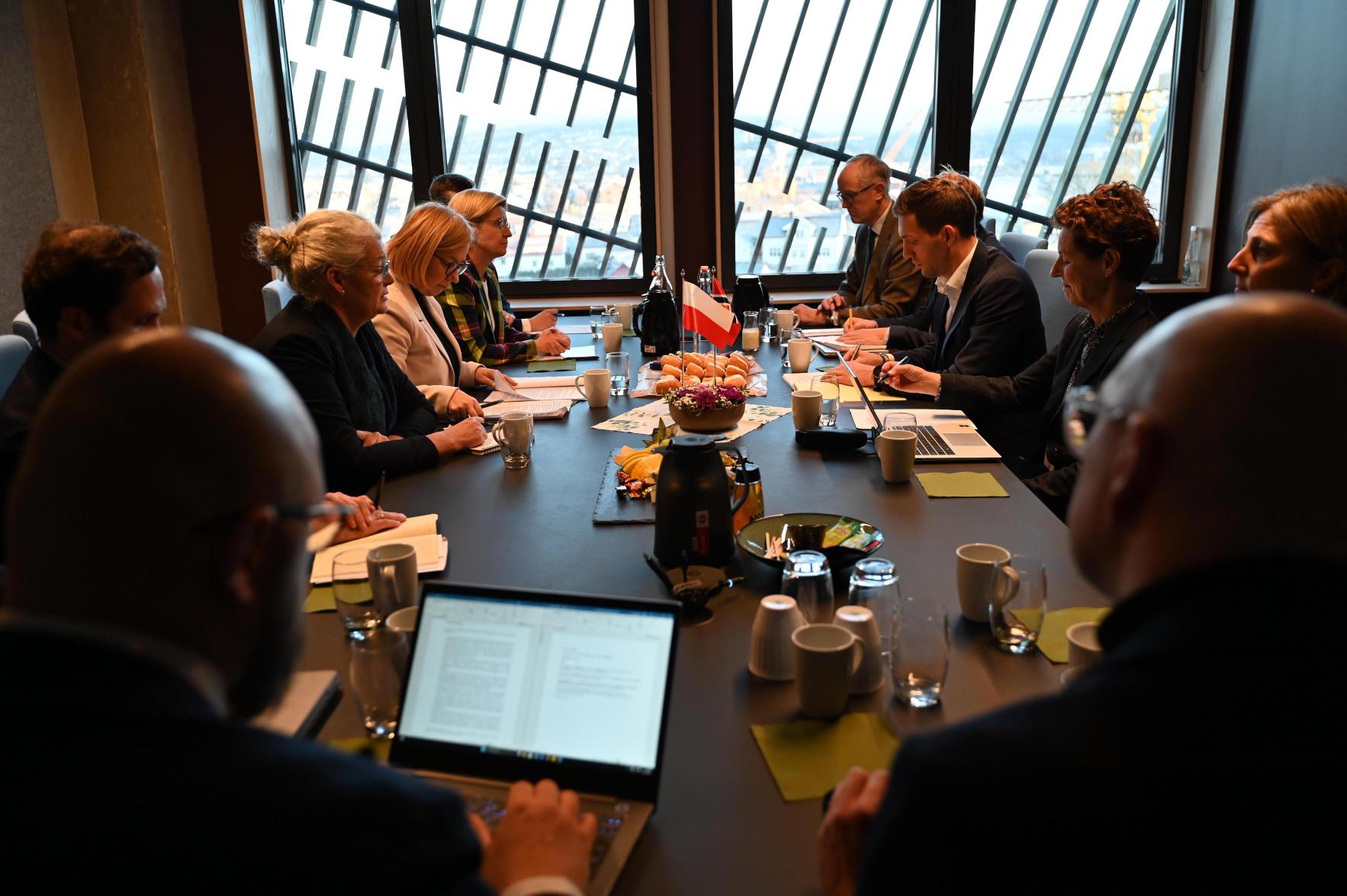
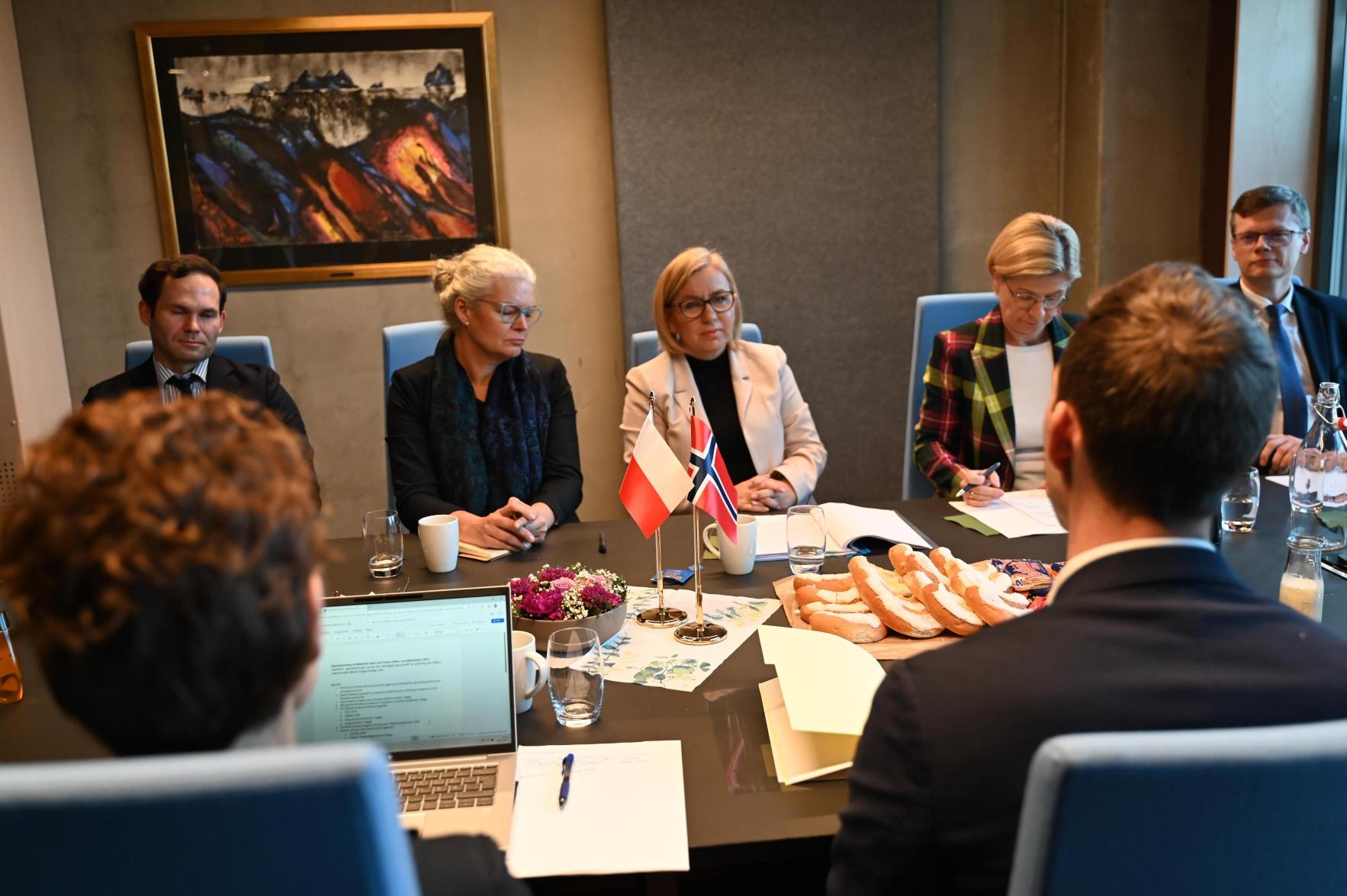
Poland and Norway are strengthening their cooperation. A Polish delegation led by Minister of Climate and Environment Paulina Hennig-Kloska held talks with Norwegian ministers of climate and environment and energy, as well as with representatives of entities implementing breakthrough technologies related to carbon capture and storage (CCUS) as an important element of the decarbonisation process.

Highlights:
- Poland and Norway are strengthening cooperation on technologies important for the transition process, including CCUS and offshore.
- The ministers' talks in Norway also focused on aid to Ukraine, particularly during the winter, and the experiences of both countries in combating climate misinformation.
During their visit to Norway, the Polish delegation led by Minister Paulina Hennig-Kloska met with Norwegian government ministers and representatives of entities implementing breakthrough CCUS technologies. Norway is a leader in carbon capture and storage solutions. Poland is working on legislative changes to help implement such investments in our country and, together with Polish entrepreneurs, is preparing for this by seeking experience e.g., in Norway.
Poland and Norway are strengthening their cooperation. An exchange of experiences in the field of new technologies necessary for the transformation process is underway. Together with my counterpart in the Norwegian government and the Minister of Energy, we discussed, among other things, CO2 capture and storage technologies, as Norway is a leader in these innovative solutions. In many respects, we can envy the Norwegians. Their pride in how the country is implementing zero-emission technologies is evident in many places
– noted Minister Paulina Hennig-Kloska.
Norwegian Minister of Climate and Environment Andreas Bjelland Eriksen spoke about building public support in Norway for new technologies, including CCUS, emphasising the need for rapid action in the area of transformation. The Minister also expressed his understanding of the Polish approach to EU climate policy. At a meeting with Norwegian Energy Minister Terje Aasland, in addition to CCUS, the main topics of discussion were investments in offshore wind farms and Polish and Norwegian efforts to decarbonise. Minister Paulina Hennig-Kloska pointed out that Polish companies can also make an important contribution to Norway's energy transition and environmental protection. CCUS and offshore are among the important areas of such cooperation.
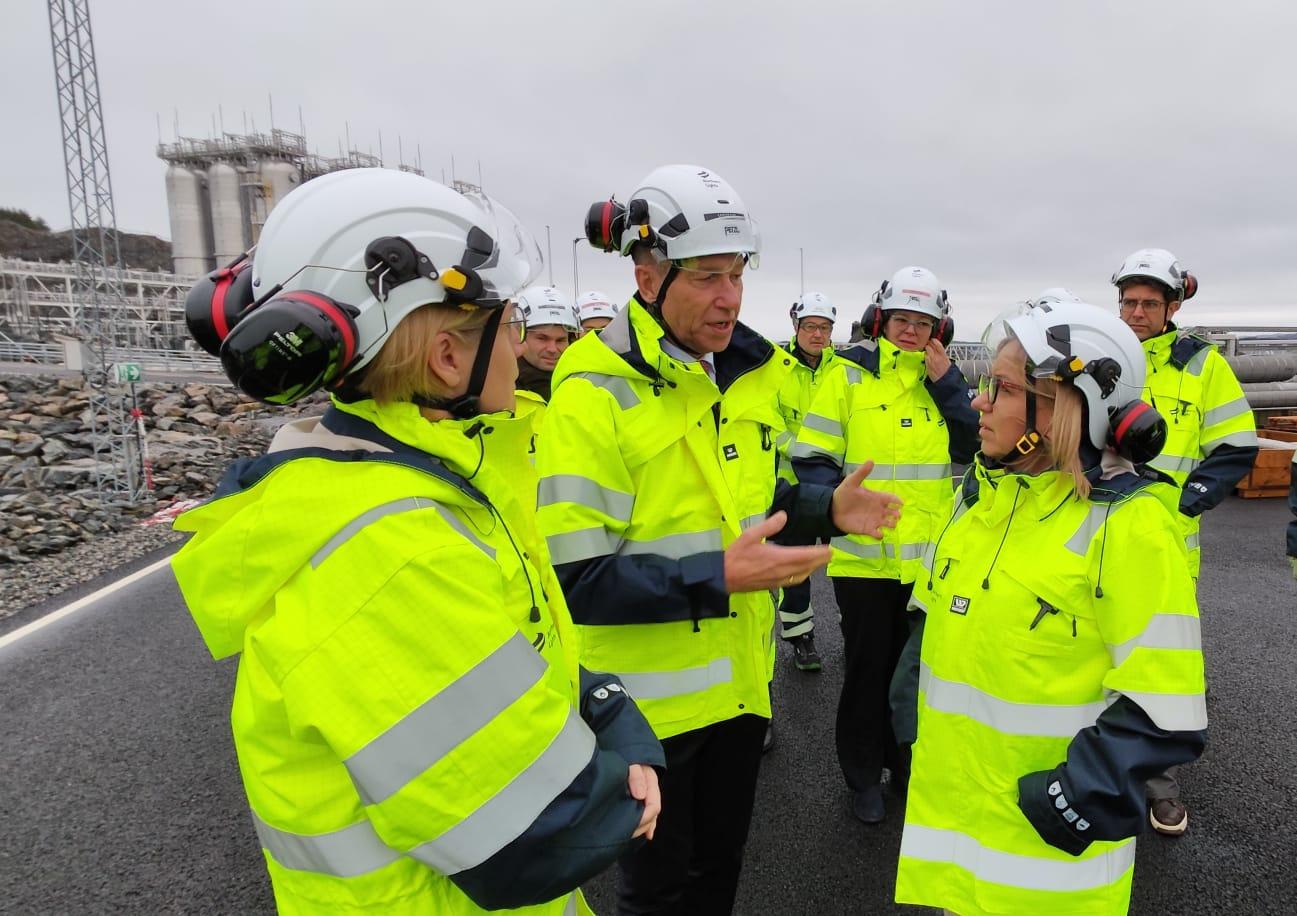
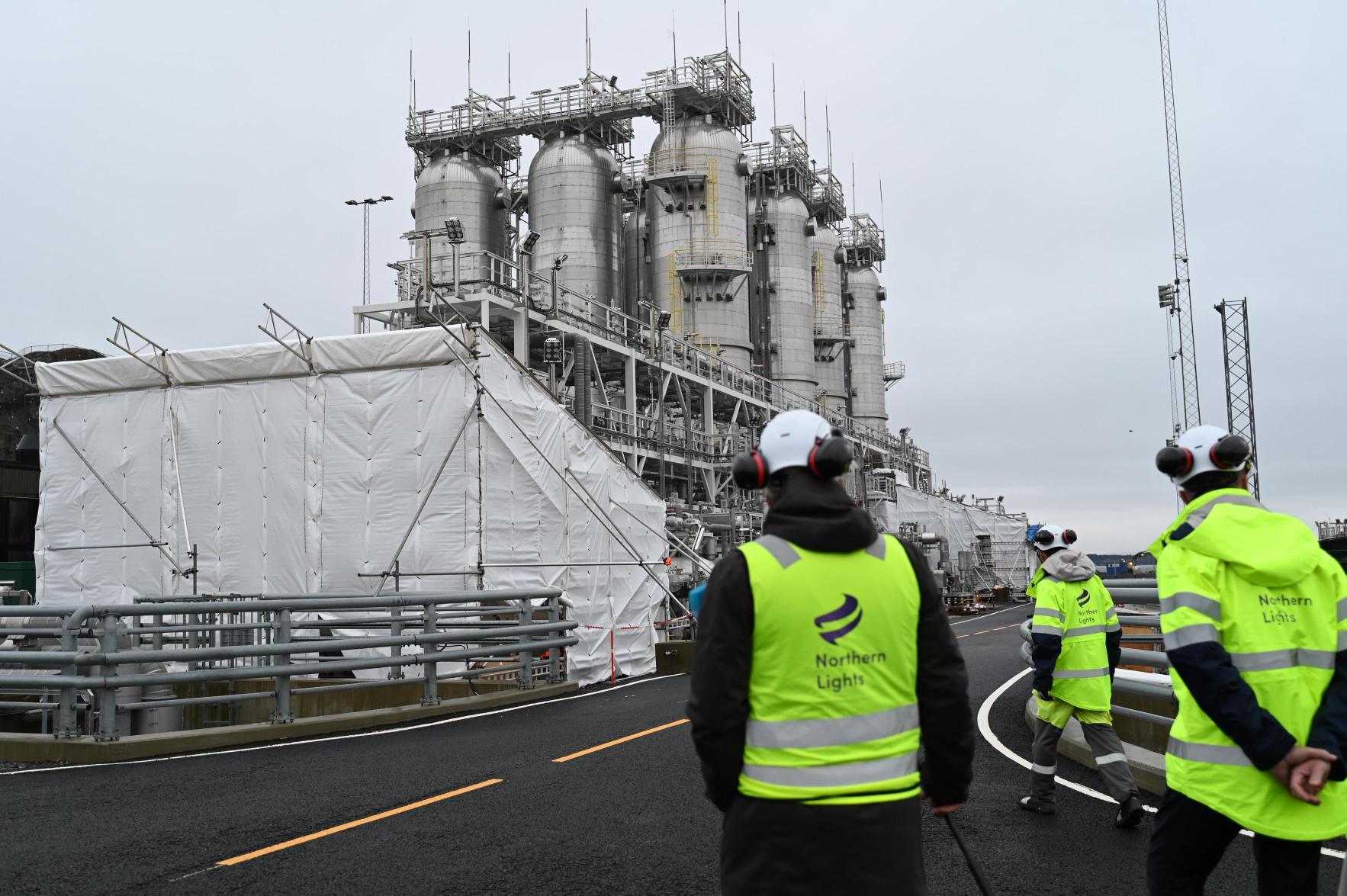
The delegation's agenda also included study visits to sites important for carbon capture and storage technology. These included the innovative Northern Lights facility near Bergen, where there is a collection and transhipment centre from which CO2 is transported to underground storage sites located under the seabed.
Another topic discussed during the visit to Norway was aid for Ukraine, particularly in the context of the country's ability, under attack from Russia, to maintain energy and heat supplies for its inhabitants during the winter.
Norway is becoming an increasingly close partner of Poland in the green transition process, as confirmed by the Polish-Norwegian cooperation agreement signed on 21 May this year in Warsaw by Ministers Hennig-Kloska and Aasland.