Poland and Brazil working together to promote reliable climate information
21.01.2026
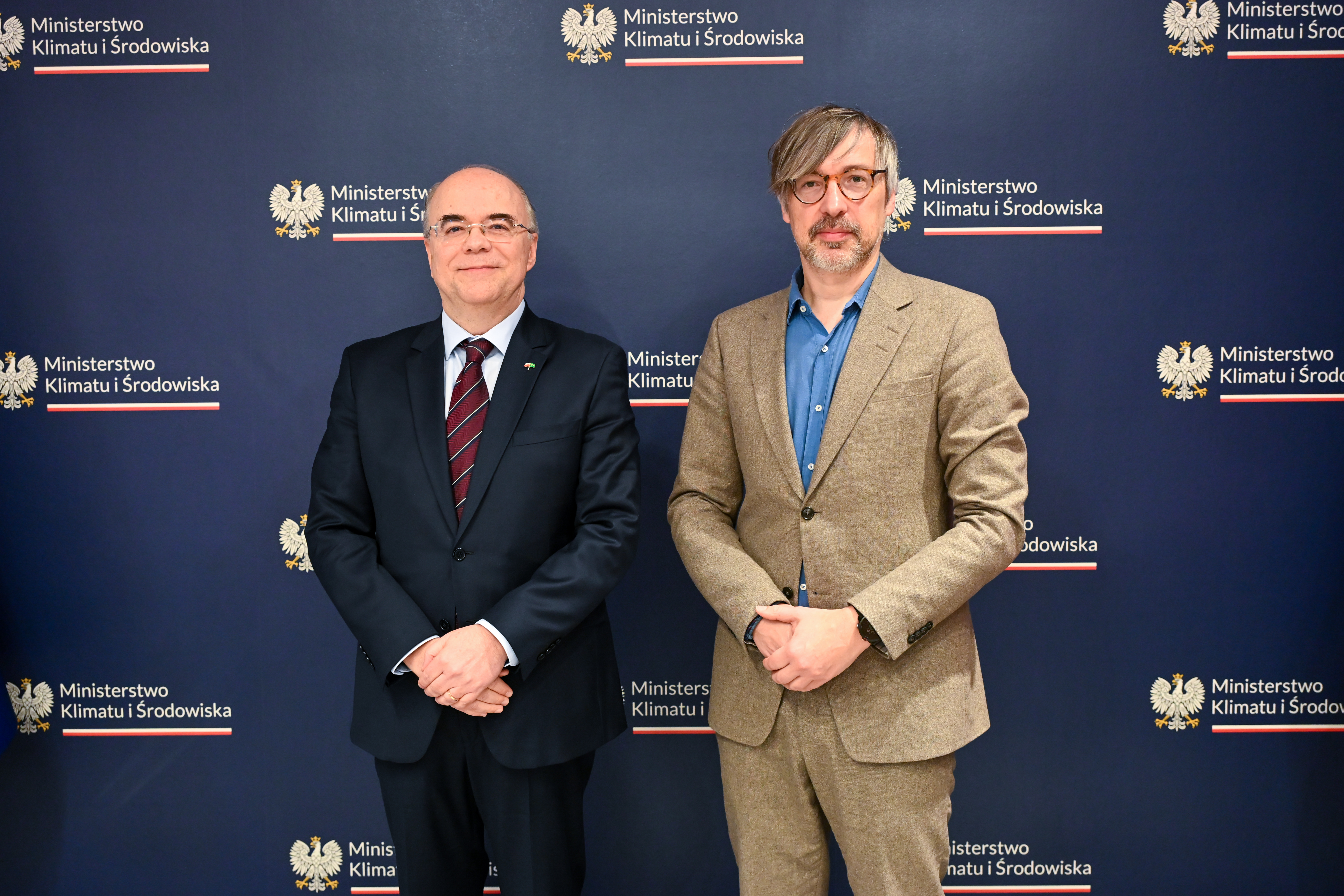
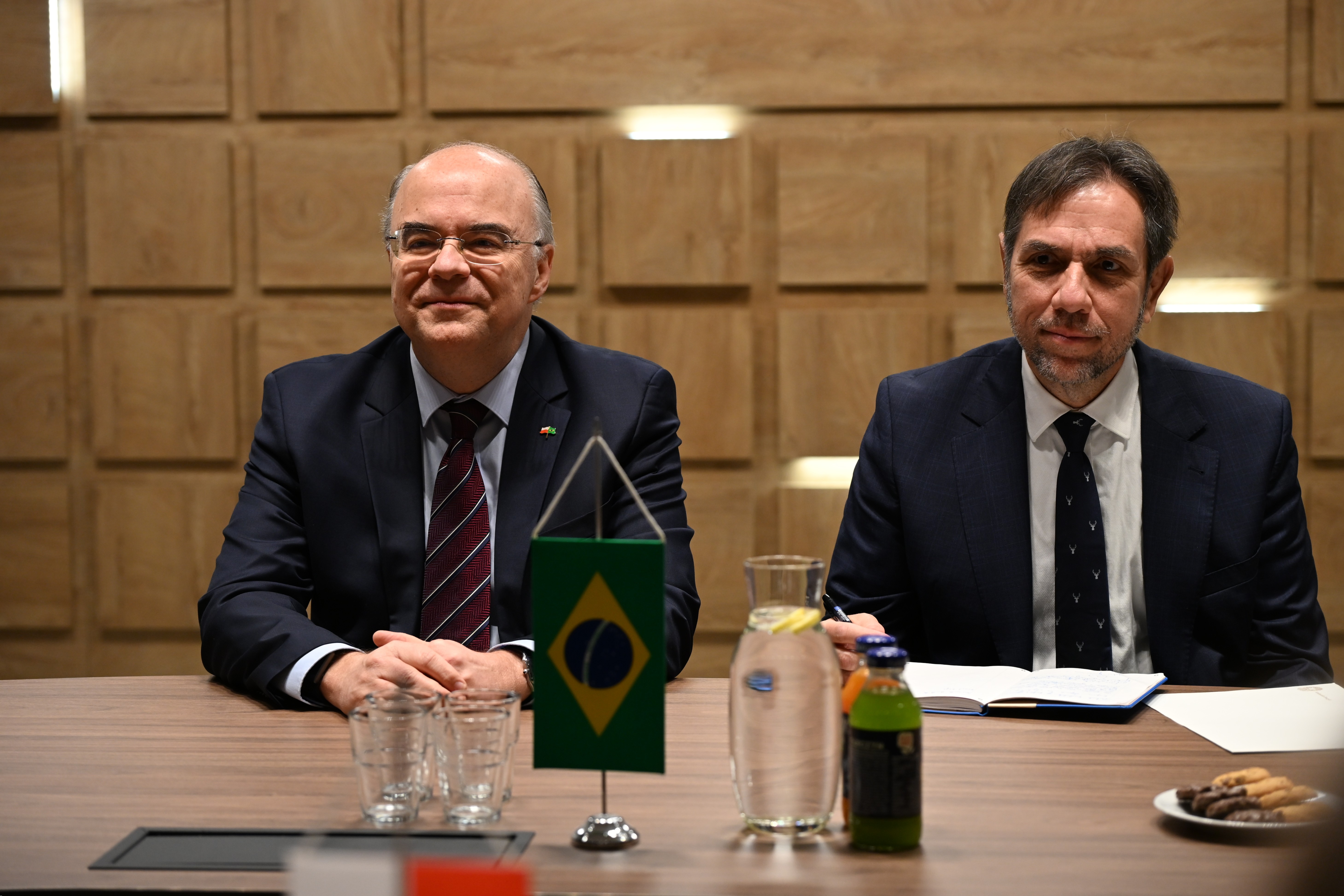
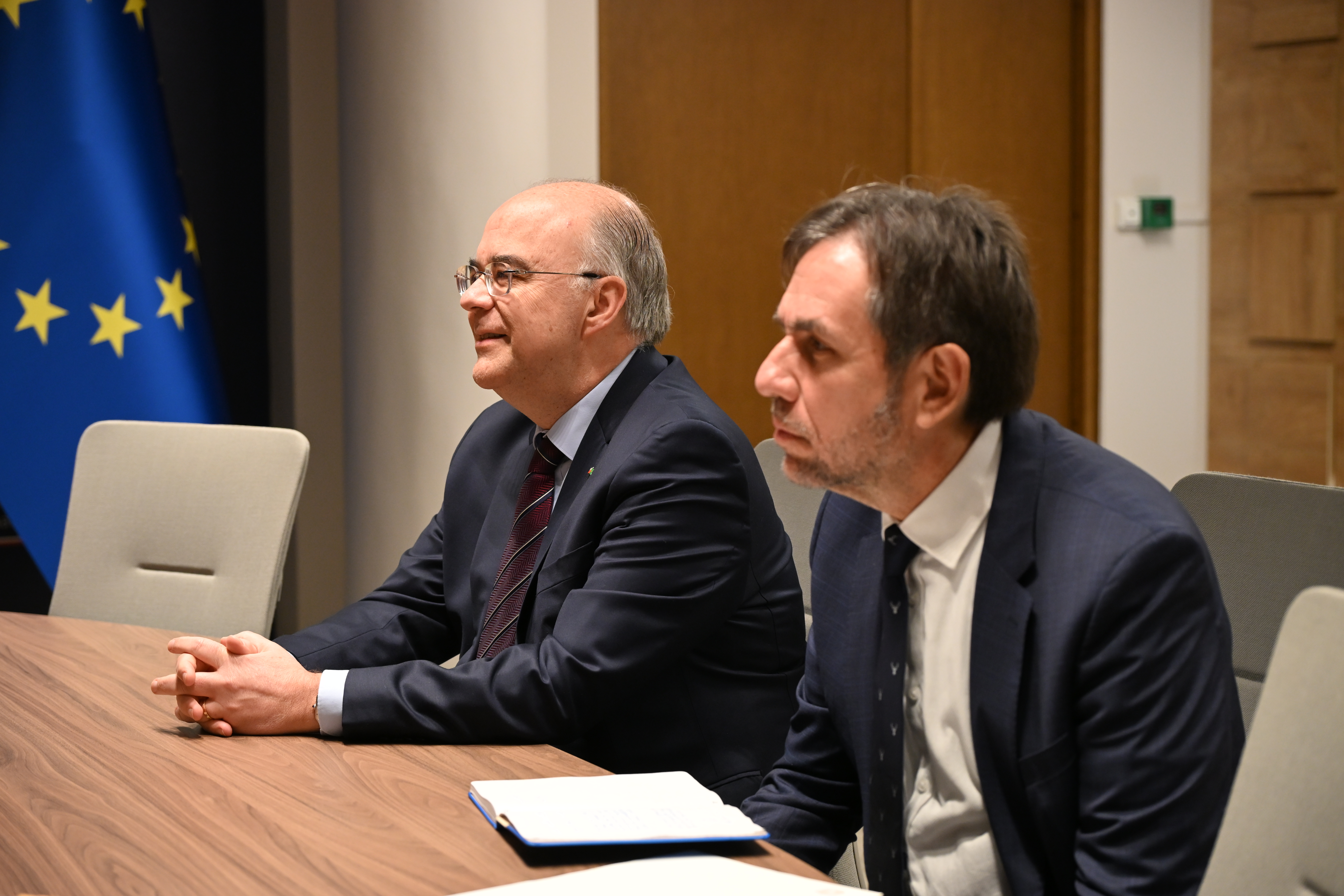
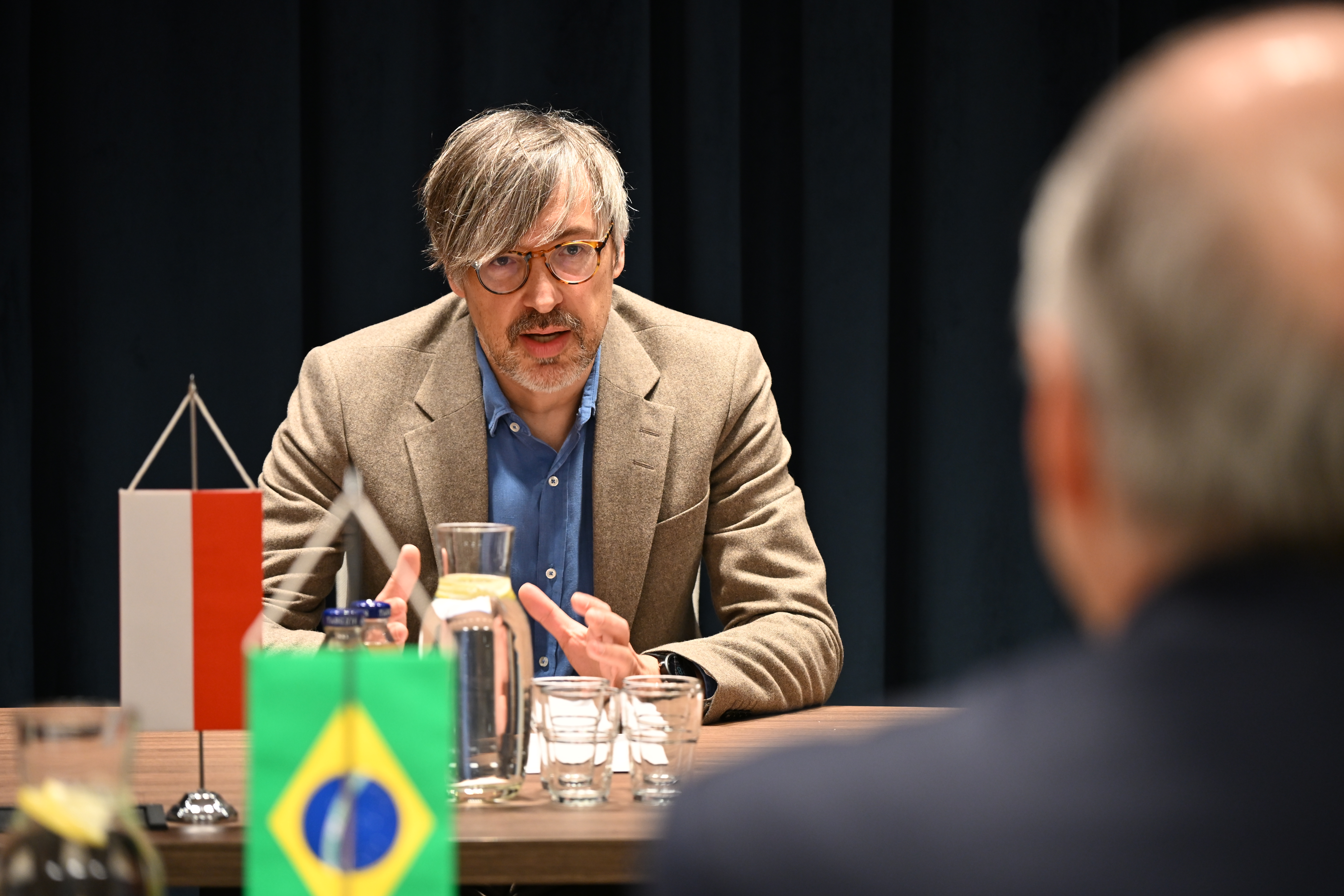
During the COP30 climate summit in Belém, Poland joined the group of countries supporting the Declaration on Information Integrity on Climate Change. This document, prepared by UNESCO and the UN in cooperation with Brazil, introduces the topic of information reliability to the COP climate summit agenda for the first time in history. On 21 January, Deputy Minister Krzysztof Bolesta met with Brazilian Ambassador Haroldo de Macedo Ribeiro to summarise the results of COP30 and highlight the desire for international cooperation on the reliability of information on climate change.

Highlights:
- During COP30, Poland joined the Declaration on Information Integrity on Climate Change prepared by UNESCO and the UN in cooperation with Brazil.
- For the first time in the history of global climate negotiations, the document includes the topic of counteracting climate misinformation on the COP agenda.
- The aim of the Declaration is to promote universal access to reliable information on climate change.
- Joining the declaration is part of Poland's activities within the EU, including during its EU Council Presidency.
Declaration on Information Integrity on Climate Change
The Declaration on Information Integrity on Climate Change was announced on 12 November 2025 at COP30 in Belém as part of the Global Information Integrity on Climate Change (GIICC) initiative, led by UNESCO and the UN in cooperation with Brazil. Its origins date back to the G20 summit in Maceió in 2024, where the need for global cooperation in the fight against climate misinformation was first identified.
The aim of the declaration is to promote universal access to consistent, reliable and evidence-based climate data, which is the foundation for building public trust, mobilising citizens and pursuing effective climate policy.
To date, 22 countries have signed the Declaration: Armenia, Austria, Belgium, Brazil, Canada, Chile, the Czech Republic, Denmark, Estonia, Finland, France, Germany, Iceland, Luxembourg, the Netherlands, Norway, Poland, Portugal, Slovenia, Spain, Sweden and Uruguay.
The Ministry of Climate and Environment fully shares the position of UNESCO, the UN and Brazil that the integrity of information is a fundamental prerequisite for effective climate policy, social resilience and the stability of democratic institutions. This Declaration allows us to go beyond the purely national and EU perspective, strengthening Poland's actions also in the global dimension, creating the basis for a joint response to the challenges of climate disinformation, which is today an element of hybrid warfare affecting our public policies and slowing down the transition from fossil fuels
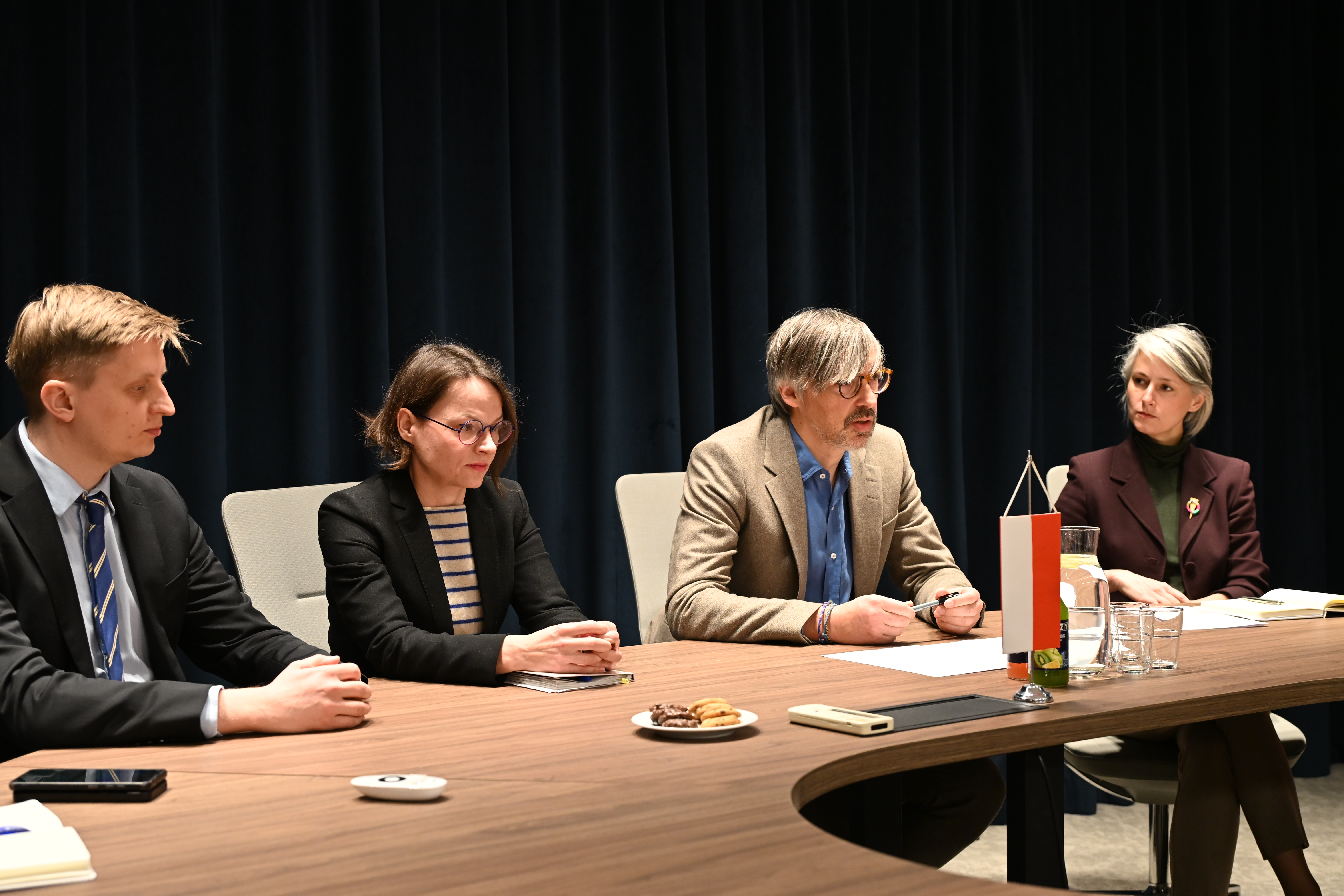
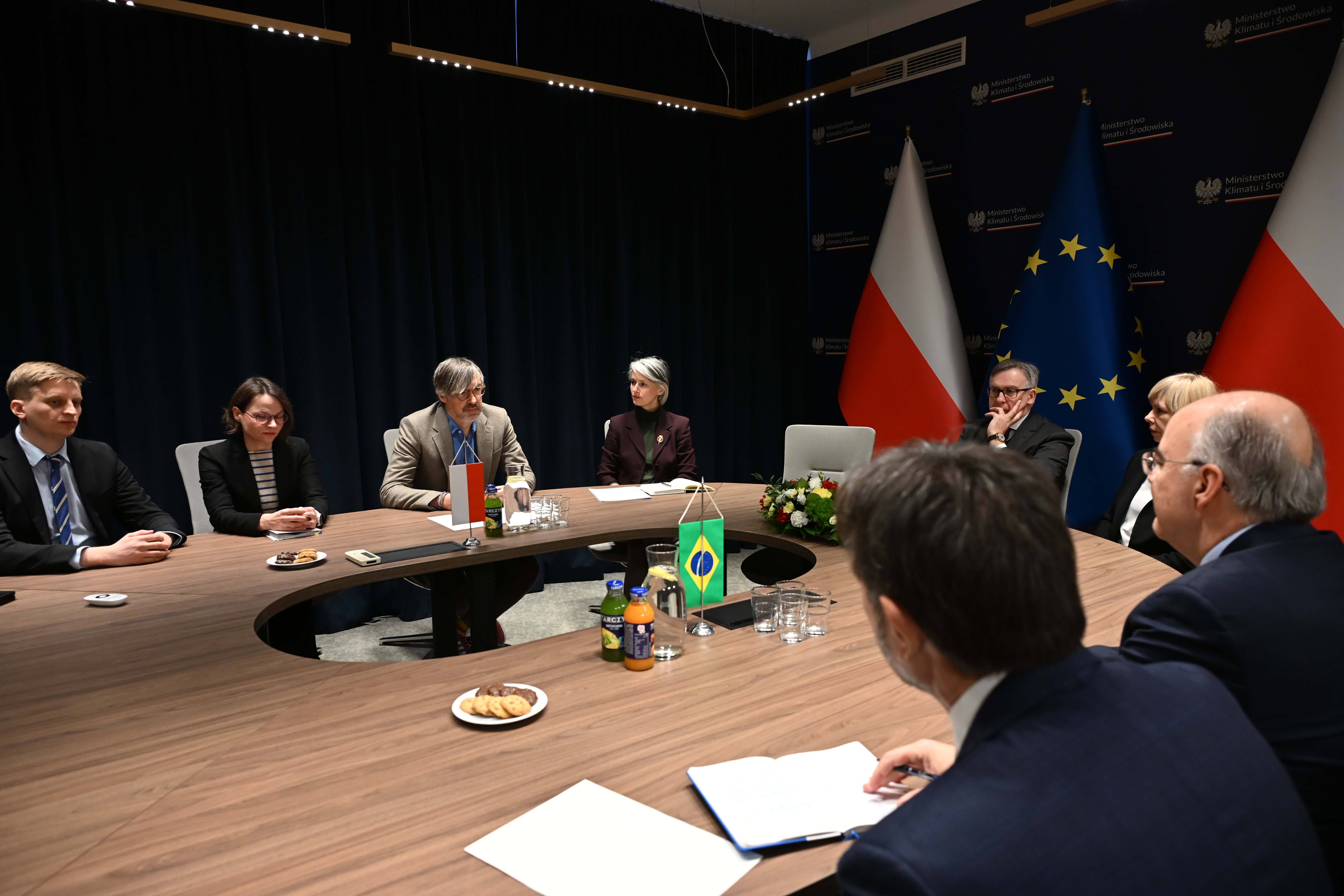
– said Deputy Minister Krzysztof Bolesta during a meeting with the Brazilian ambassador in the presence of a delegation from the Ministry of Foreign Affairs, which took place on 21 January at the headquarters of the Ministry of Climate and Environment. During the meeting, Deputy Minister Krzysztof Bolesta declared his readiness to continue cooperation on countering climate disinformation.
We welcome Poland's decision to join the Declaration on Information Integrity on Climate Change. We have many shared experiences, which is why we particularly appreciate Poland's commitment during COP30 to promoting a just transition, which is now at the centre of global climate talks. Thank you for your partnership and joint efforts to promote reliable information on climate change
– commented Brazilian Ambassador Haroldo de Macedo Ribeiro during the meeting.
Cooperation with Brazil, the country holding the COP30 presidency and one of UNESCO and the UN's key partners in the work on the Declaration, plays an important role in establishing global standards for the reliability of climate information.
Poland's role in promoting information integrity
The Ministry is implementing comprehensive initiatives to counter climate misinformation, including public and media education, cooperation with experts, non-governmental organisations and the media, as well as the development of early response mechanisms and the disclosure and correction of false information (debunking). These activities are systemic in nature, ranging from changes in formal education and support for journalists to platforms for cross-sector dialogue and dedicated financial instruments. In the coming years, the Ministry of Climate and Environment plans to further intensify these activities and strengthen international cooperation.
In addition, during the Polish Presidency of the EU Council, guided by the voice of civil society and the conclusions of expert reports, the Ministry of Climate and Environment introduced the topic of counteracting climate misinformation to the European agenda. On Poland's initiative, the fight against climate misinformation and the role of climate education in these efforts were included in the EU's contribution to the Paris Agreement in 2025. This was part of broader efforts to strengthen the security of Poland and the EU in various dimensions, including health and the economy, while protecting the climate and energy transition from Foreign Information Manipulation and Interference (FIMI), in particular from the Russian Federation.