Polish-German Council for Environmental Protection
10.03.2026
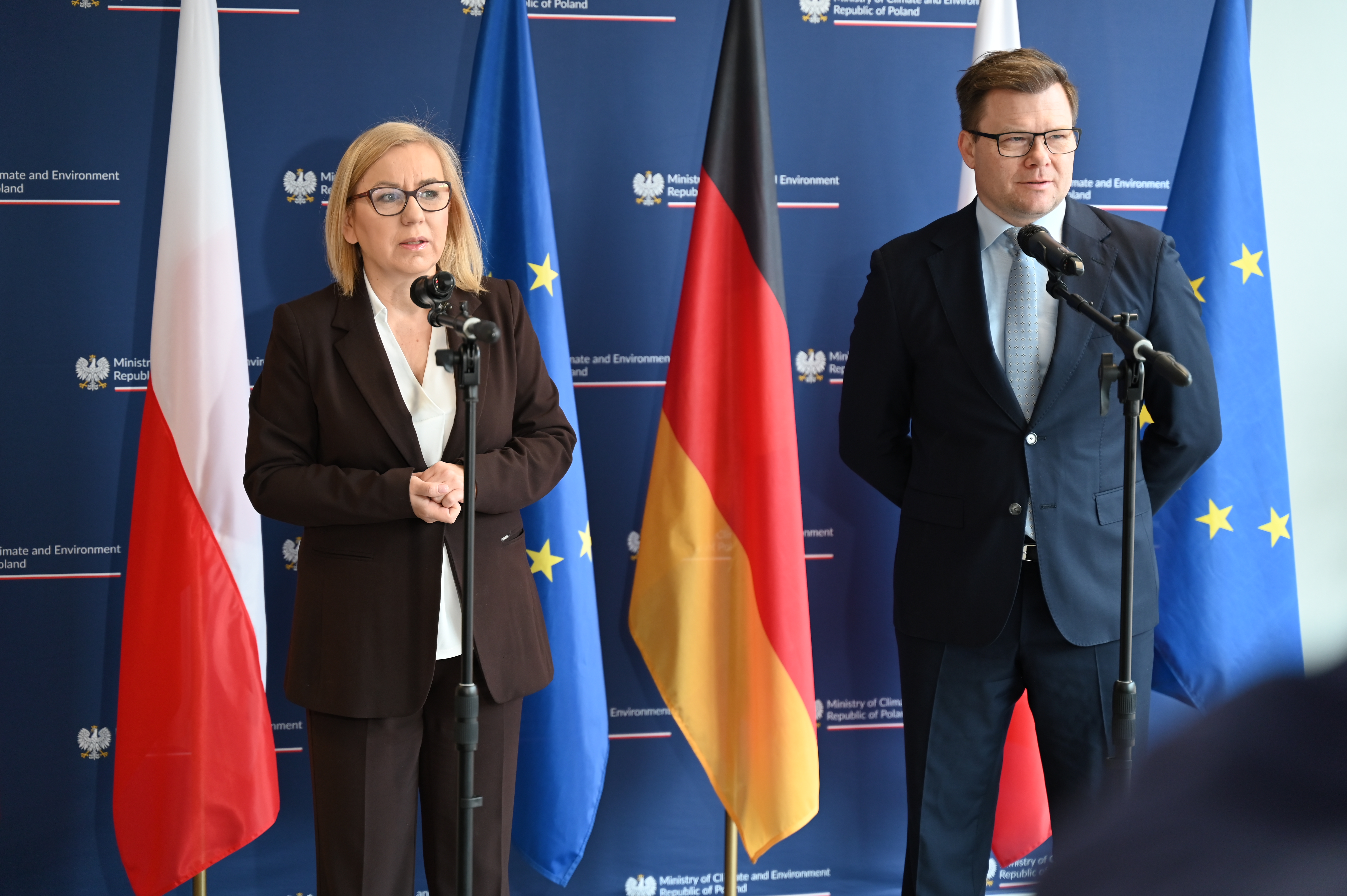
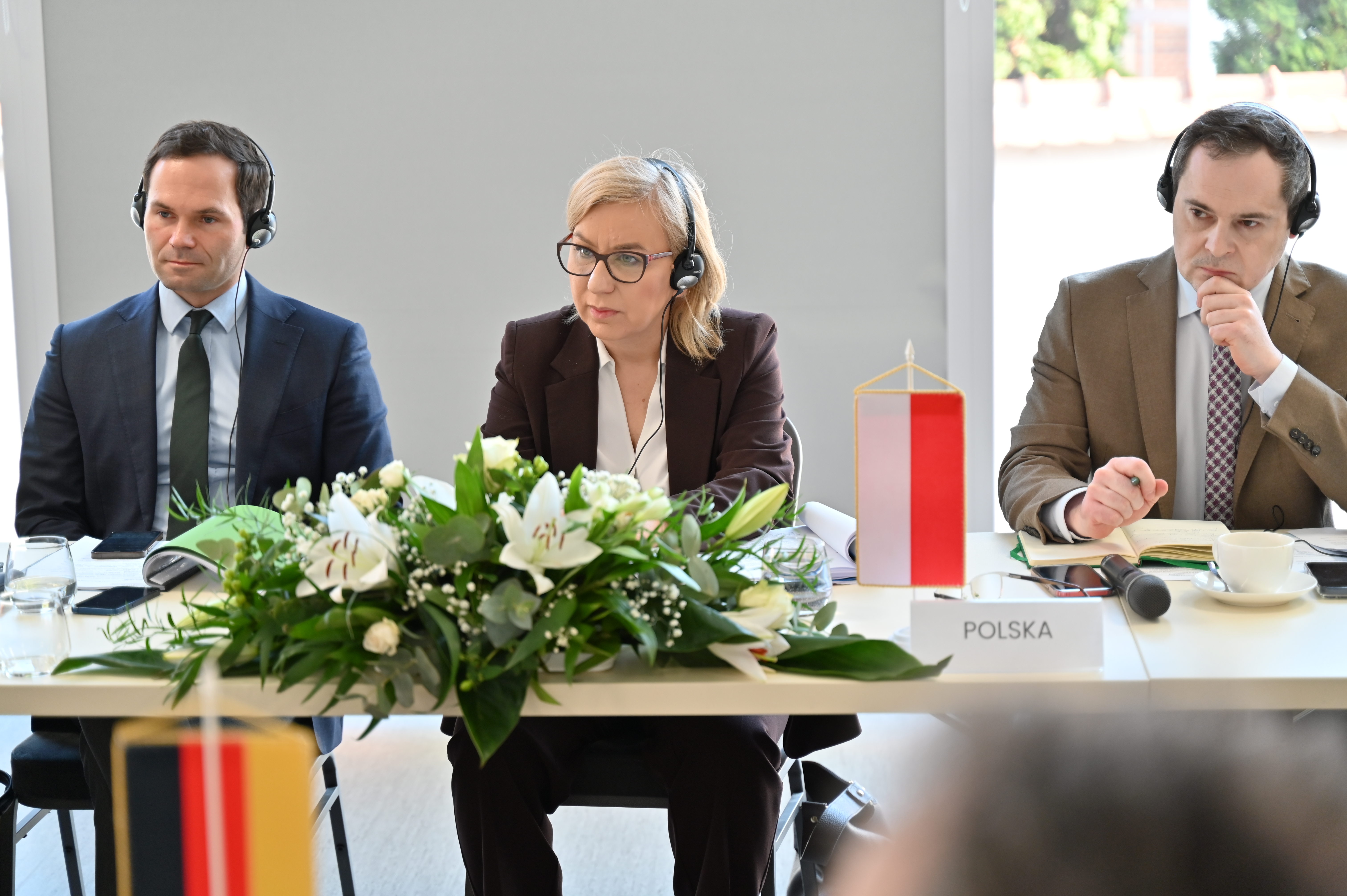
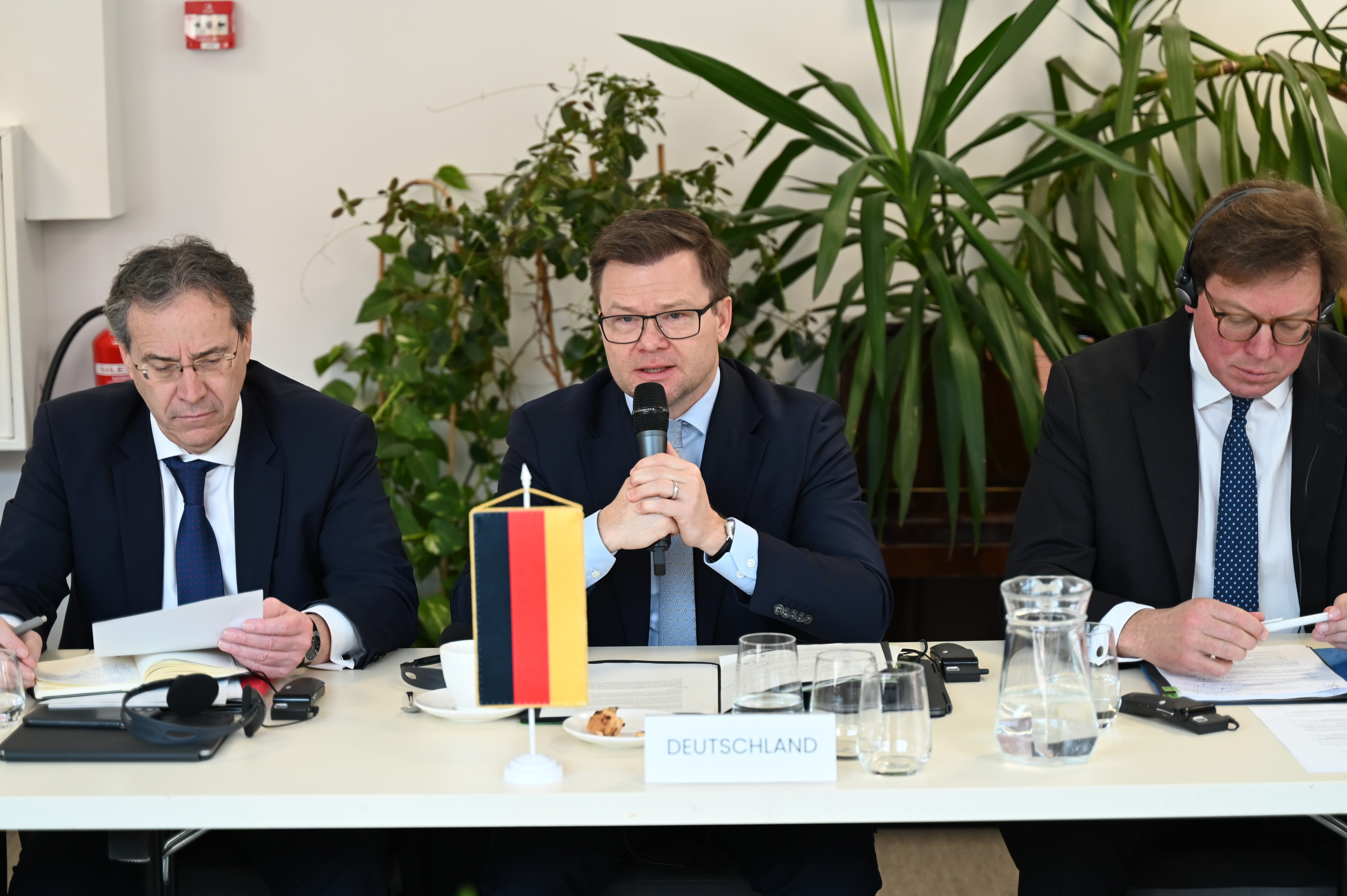
Cooperation concerning the Oder River, assessment of the current state of the Baltic Sea, restoration of natural resources, and cross-border issues such as illegal waste shipments and the Schwedt Refinery were the main topics of the Polish-German Environmental Council. Poland was represented by Paulina Hennig-Kloska, Minister for Climate and the Environment, whilst the German side was led by Carsten Schneider, Federal Minister for the Environment, Climate Action, Nature Conservation and Nuclear Safety. The meeting took place on March 10, 2026 in Gniezno.

Highlights
- On March 10, 2026, a meeting of the Polish-German Environmental Council was held in Gniezno, attended by the Minister for Climate and the Environment, Paulina Hennig-Kloska, and the German Federal Minister for the Environment, Carsten Schneider.
- The meeting focused on cooperation between Poland and Germany in the field of environmental protection and strengthening the resilience of ecosystems.
- Poland presented actions to improve the condition of the Odra River, including the development of a water monitoring system and a plan to reduce the river's salinity by 2030.
- The meeting also discussed the state of the Baltic Sea environment, the restoration of natural resources and selected cross-border issues related to environmental protection.
The Polish-German Environmental Council was established in 1991 as a forum for Polish-German dialogue and cooperation on priority issues relating to environmental protection, nature conservation and climate action. In addition to representatives of the Polish and German government administrations, the Council’s meetings are also attended by representatives of provincial authorities bordering Germany and of the federal states of Brandenburg, Mecklenburg-Western Pomerania and Saxony. The Council’s last meeting took place in 2022.
We are meeting in a very special year. The year 2026 marks the 35th anniversary of the signing of the Polish-German Treaty on Good Neighbourhood and the establishment of the Weimar Triangle. These are important anniversaries for cooperation between our countries and within Europe. I would like to emphasise the vital role that trust-based cooperation between Poland and Germany plays in environmental protection. This has also been demonstrated by the crises of recent years, which were successfully overcome thanks to the efforts of Polish and German experts
– said Minister of Climate and Environment Paulina Hennig-Kloska.
Cooperation on ecosystem conservation
One of the main topics of the meeting was cooperation regarding the Oder River. The parties discussed the activities undertaken so far related to monitoring water quality and counteracting ecological threats, including golden algae blooms. Poland regularly exchanges data and reports with German experts, and as part of its national activities, the Interministerial Team for the Oder River operates.
The Ministry of Climate and Environment is also implementing an investment plan for the mining sector, aimed at reducing salinity in the Oder River. By 2030, measures are planned to be implemented that will enable a reduction in salinity during the summer months of up to around 60%. At the same time, a water quality monitoring system is being developed, which will be expanded to include further automatic monitoring points between 2026 and 2028.
During the meeting, measures to restore ecosystems, including the protection of wetlands, were also discussed. In Poland, work is underway on the Wetland Protection Strategy and the National Natural Resources Restoration Plan. The parties have expressed their willingness to exchange experiences regarding the implementation of these measures, including the funding of restoration projects and dialogue with stakeholders.
Common challenges in the Baltic Sea
The ministers also discussed the state of the Baltic Sea environment and the challenges associated with its protection. It was emphasized that maintaining the good condition of marine ecosystems requires cooperation between all countries in the region and taking into account the cumulative impacts of investments on a scale of the entire basin.
In the context of the energy transition, attention has been drawn to the development of offshore wind energy and the need to take its environmental impact into account. The parties have declared their willingness to continue cooperating on assessing the impact of investments on marine ecosystems.
Another key issue was the environmental risks posed by the activities of the so-called ‘shadow fleet’ transporting Russian oil. Poland emphasised the need for decisive action at European Union level, including strengthening monitoring and enforcement measures to prevent potential environmental disasters in the Baltic Sea.
Cross-border matters
Current cross-border issues were also discussed during the meeting. One such case involves the illegal shipment of waste from Germany to Poland. Poland maintains its position in the proceedings before the Court of Justice of the EU concerning approximately 35,000 tonnes of waste illegally transported to the territory of the Republic of Poland and is awaiting the judgment in this case.
The parties also exchanged information regarding air quality monitoring in connection with the operations of the Schwedt refinery. Poland carries out its own measurements at the border, including at the station in Widuchowa. The data indicate that sulphur dioxide concentrations remain low and are on a downward trend.
During the talks, issues related to the planned construction of wind farms in the Tantow area and the possible impact of the expansion of the Neisse-Klein Priebus flood embankment were also raised.
Continuation of the dialogue
The meeting was also attended by representatives of regional authorities from Poland and Germany, who shared their experiences and views on cross-border cooperation.
Today’s talks confirm that Poland and Germany share a common vision of protecting the environment and building resilient ecosystems. We have made progress in many areas, and our experts will continue to work on solutions to issues that require further discussion
– concluded the Minister of Climate, Paulina Hennig-Kloska.
Future activities within the framework of the Polish-German Environmental Council will focus on further strengthening expert cooperation and implementing joint initiatives to protect the environment in the border region and the Baltic Sea.