TTE Council under the banner of energy security
23.06.2025
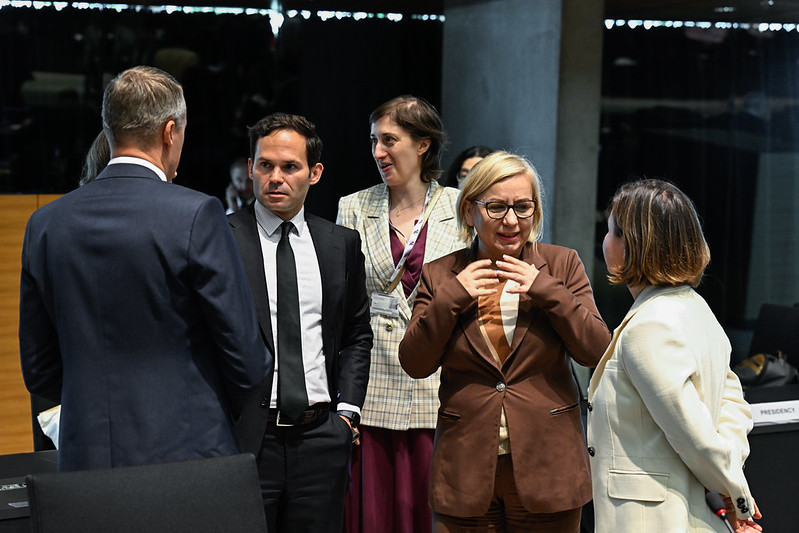
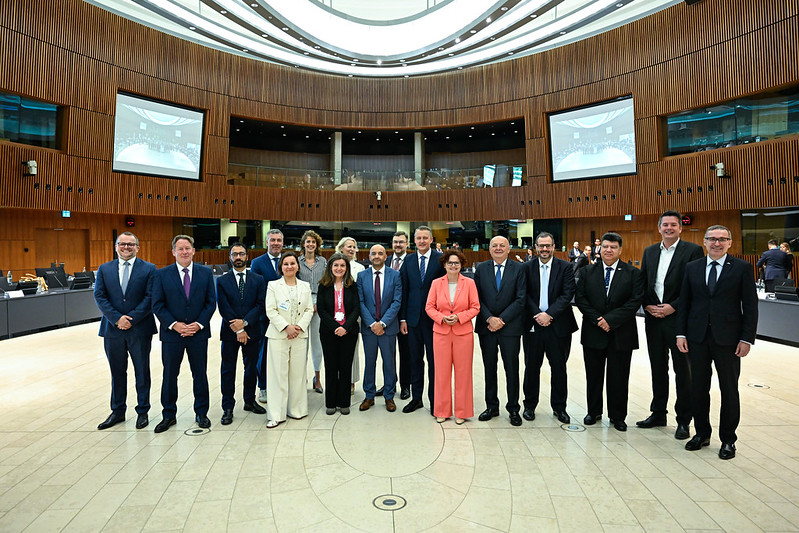
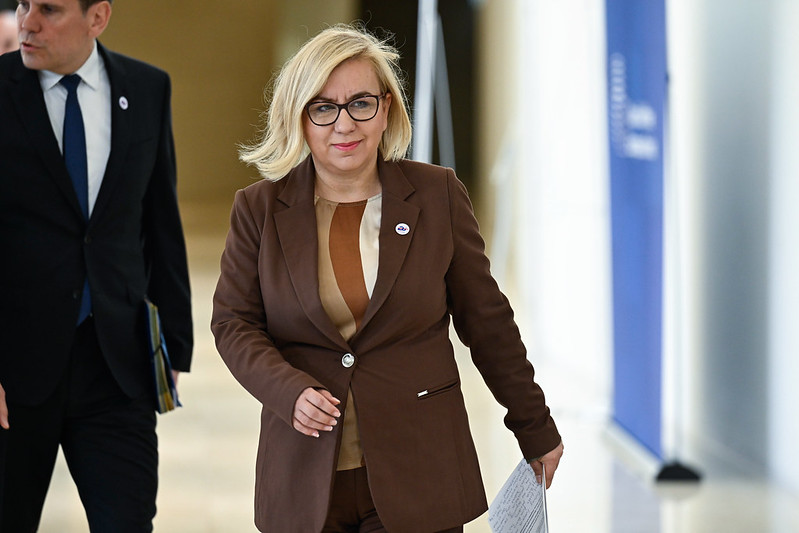
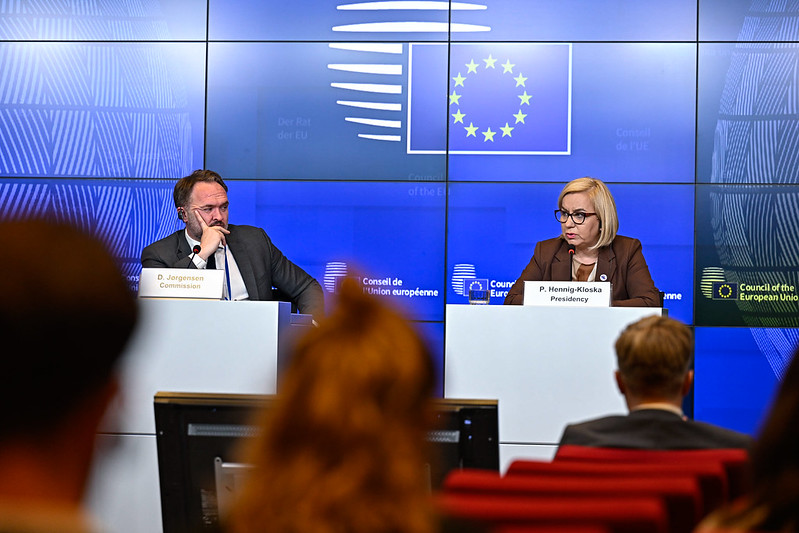
Energy security is the security of citizens - we worked on ensuring this at the next Council meeting devoted to energy. The deliberations focused on key challenges for the EU's common energy policy, including the implementation of the REPowerEU plan, i.e. moving away from fuels from Russia, and strengthening energy security. Ministers also adopted Presidency conclusions setting out a framework for further integration and improved security in the energy market. The Energy Council (TTE), which took place on June 16, 2025 in Luxembourg, was chaired by the Minister for Climate and Environment, Paulina Hennig-Kloska.

Key information
• Energy security directly translates into human security, which is why it was at the centre of the work of the Polish Presidency of the Energy Council
• The Polish Presidency, supported by 24 Member States, adopted conclusions on strengthening the energy union by enhancing energy security.
• The conclusions underline that the European Union is progressing towards a comprehensive transformation of its energy systems to ensure competitiveness, affordability, sustainability and security.
• The document also identifies specific actions needed to strengthen Europe's energy security, such as ensuring the protection of critical infrastructure, access to new technologies or protection against disinformation.
• In the Presidency conclusions, we also propose reducing regulatory burdens, which will help develop the energy market.
• We also had a discussion about completing the transition away from fossil fuel imports from Russia and towards renewable energy sources. The Commission has promised to swiftly adopt a legislative proposal on this matter, and the Danish Presidency has declared that it will treat work on the REPowerEU legislation as a priority.
• Reducing dependence on fossil fuel imports strengthens Poland and Europe.
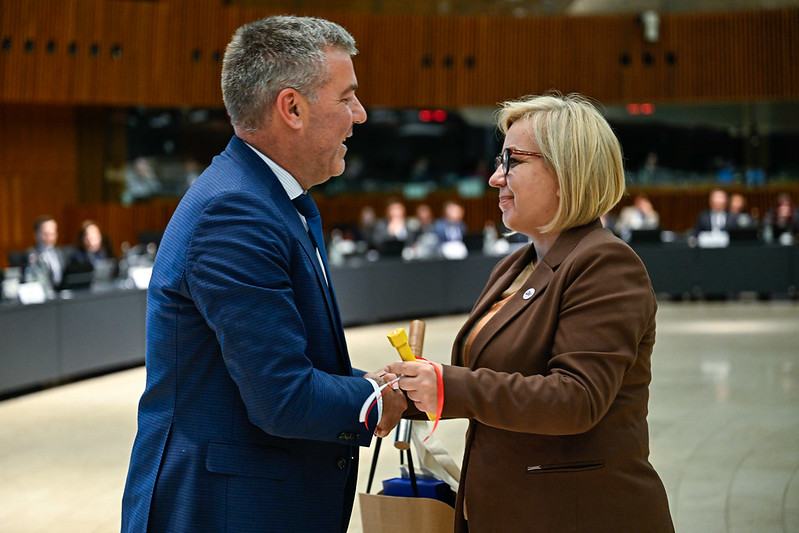
• On the sidelines of the meeting, Poland, together with Lithuania, Latvia and Estonia, signed a memorandum of cooperation on energy infrastructure security.
• Protecting the energy infrastructure in our region is becoming an important challenge in the context of hostile Russian actions.
Working to improve energy security is improving the security of people across the Union. Our task is to ensure that people and economies do not lack energy. That is why, during the Presidency, we have worked to strengthen the Union's energy dimension
- said Paulina Hennig-Kloska, Minister of Climate and Environment.
For the European Union to be competitive, energy secure and develop sustainably, a profound change in energy systems is needed.
The key points here are:
• reducing dependence on fossil fuel supplies,
• investment in and protection of infrastructure,
• simpler recipes.
The aim of the changes is to create a resilient, clean and integrated energy market that protects consumers and strengthens Europe's independence.
REPowerEU – The Union is implementing the presidency priorities
The Presidency's main priority in the field of energy was to strengthen the EU's energy security. In this area, Poland is in favour of:
• a complete shift away from Russian energy imports,
• price reductions,
• reform of the EU's energy security regime, which includes both physical infrastructure and cyber security, as well as the equitable development of all sources of clean energy.
The first item of business at the TTE Council was a discussion on the REPowerEU action plan, which the Commission published on May 6, 2025. RePowerEU is a plan for the Union to move completely away from fossil fuel imports from Russia and accelerate the transition to renewable energy. Today, Poland is independent of oil, coal or gas imports from Russia.
Further work on the plan was a priority for the Polish Presidency. At the TTE Council, a discussion was held on next steps. An important element of the meeting was the EC's declaration on the publication of a legislative proposal implementing the plan and the announcement of the next presidency to work swiftly on this legislation. The Danes have unequivocally declared that they will work from day one to complete the EU REPower - Poland will support this process.
Why the REPower EU discussion is important
We are facing an unprecedented energy crisis from 2022 onwards. It stems from Russia's deliberate treatment of energy as a weapon. The European Union's coordinated response has contained and mitigated the worst effects of this crisis. However, it will not be resolved as long as the Union is dependent on fossil fuel imports from Russia. Energy imports from Russia are linked to the continuation of financial support for the Kremlin.
This is why the European Commission is stepping up its efforts to become independent of Russian energy and stop importing it altogether. On February 26, 2025, the Commission presented two action plans on affordable energy and cable security – initiatives aimed at limiting future price shocks and strengthening vital energy systems.
On May 6, 2025, the European Commission unveiled an action plan for the implementation of REPowerEU, with nine key actions, including:
• diversification of supply sources,
• developing clean energy to build resilience and energy independence,
• improving energy efficiency,
This strategy is not only a response to the crisis, but also part of a long-term vision for strengthening the Union's energy security.
Electricity market development
In its conclusions, the Polish Presidency recorded that the EU supports the reduction of administrative and regulatory burdens on Member States, industry and citizens. The key to achieving this is to simplify regulations and speed up investment processes.
While reducing the burden and providing cheap energy for people and the economy is a priority, these measures must be implemented in line with the goals of achieving climate neutrality.
The conclusions state that Member States may implement short-term support measures for households and businesses facing high energy costs, but must take into account the stability of the energy market.
Energy infrastructure
Investment in modern electricity infrastructure is a key element in building energy security for Poland and Europe. It is also necessary to work on cross-border interconnections in the construction of an integrated energy market, more resilient to crises and able to manage energy surpluses efficiently.
This theme was also raised at the TTE Council, where, Estonia, Lithuania and Latvia presented a call to include the protection and resilience of critical energy infrastructure among the key priorities of the next MFF.
Protection of Baltic Sea energy infrastructure
On the sidelines of the Transport, Telecommunications and Energy (TTE) Council, on June 16, 2025, Poland, Estonia, Lithuania and Latvia signed a memorandum of understanding on cooperation in the protection and resilience of energy infrastructure, with particular emphasis on offshore infrastructure.
More information: https://www.gov.pl/web/klimat/memorandum-w-sprawie-ochrony-infrastruktury-energetycznej-morza-baltyckiego