New stations will be installed to assess the country's radiation situation. Letter of intent between the President of the National Atomic Energy Agency and the Voivode of Warmia-Masuria
10.08.2026
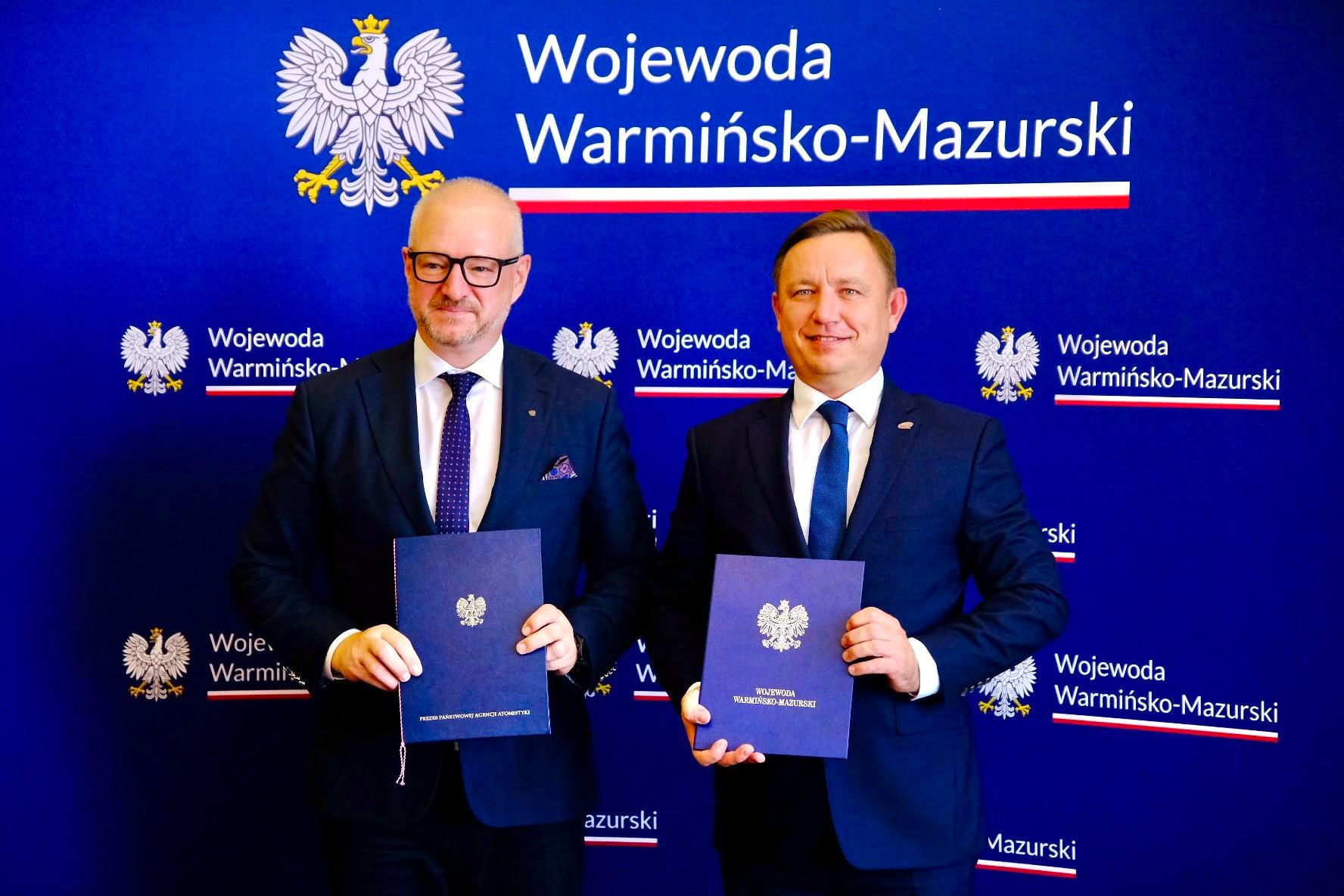
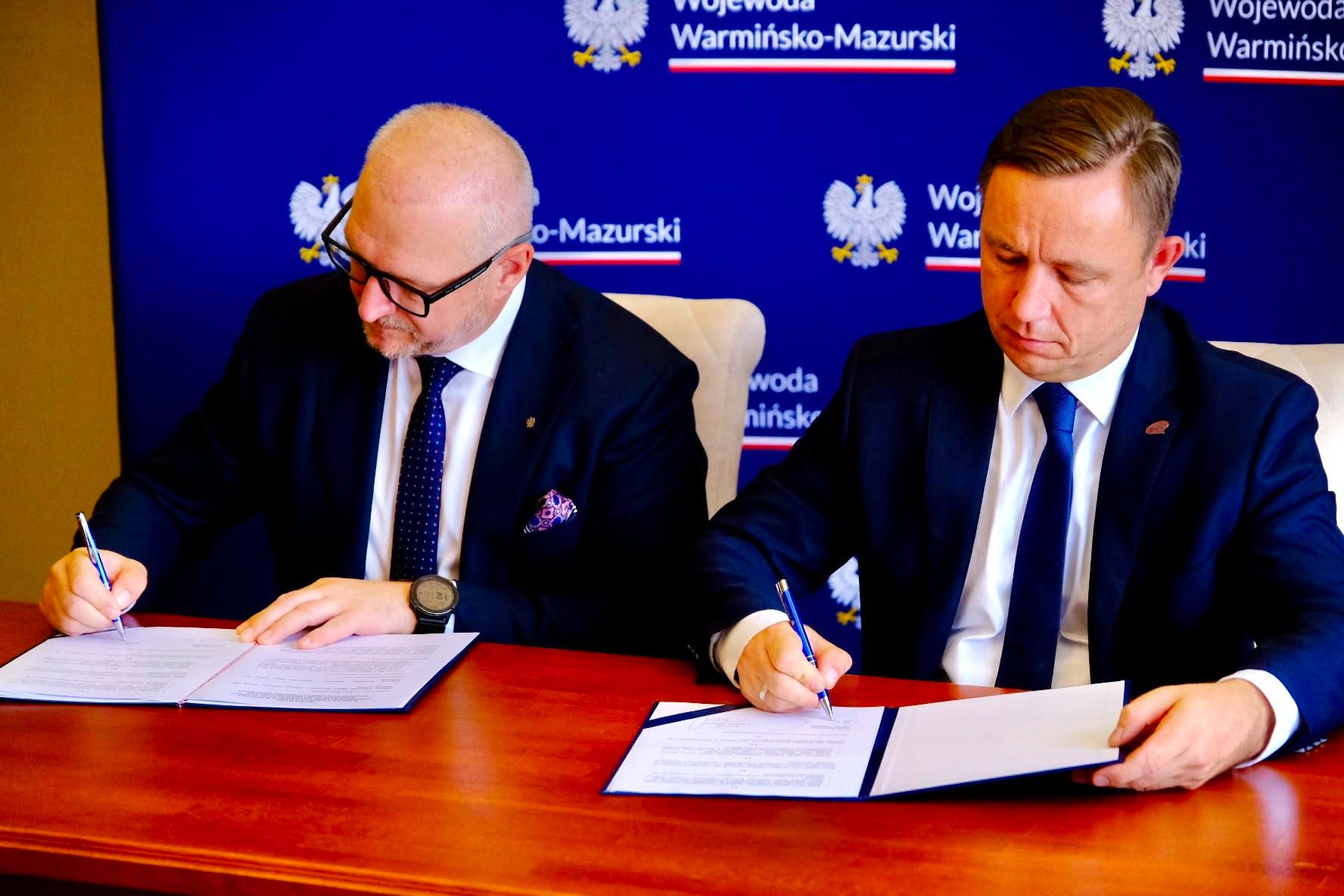
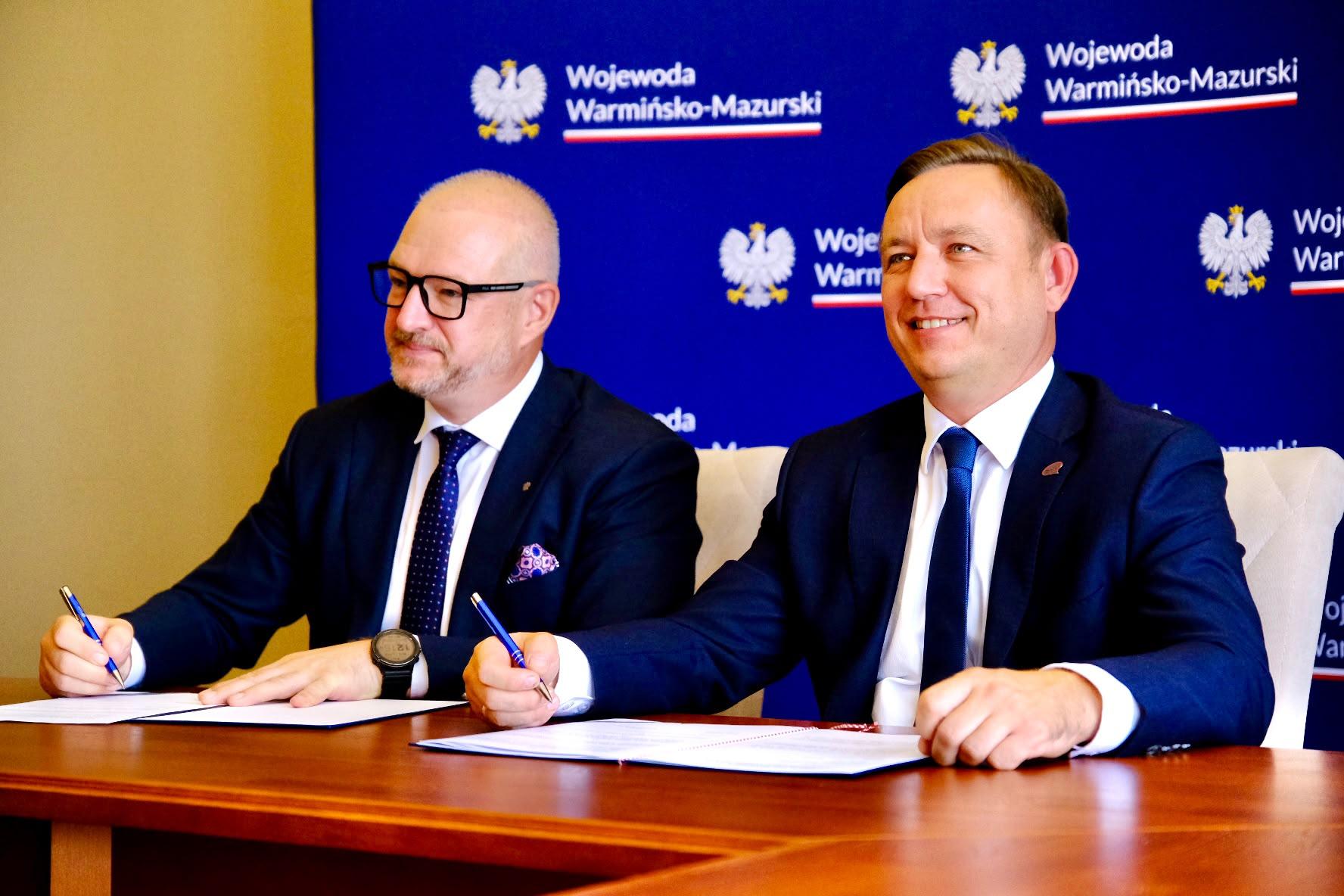
The President of the National Atomic Energy Agency, Andrzej Głowacki, and Radosław Król, the Voivode of Warmia-Masuria, signed a letter of intent regarding the development of radiation monitoring in the voivodeship. The letter outlines the principles of cooperation between the PAA and the voivodeship authorities in the installation of new measurement stations.

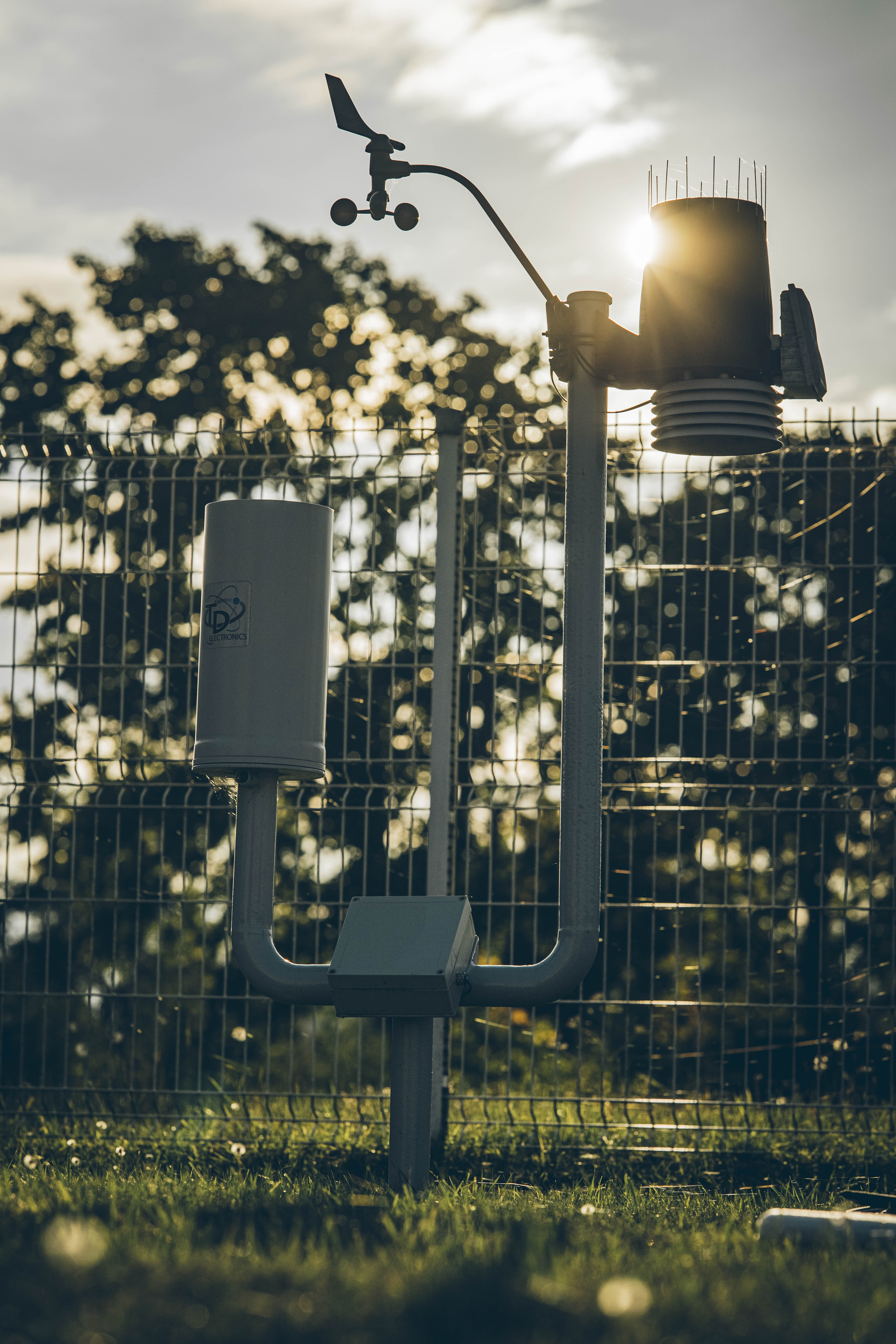
Currently, two stations for early detection of radioactive contamination, known as Permanent Monitoring Stations (PMS), operate in the Warmian-Masurian Voivodeship. One is located in Olsztyn, and the other in Gołdap. The letter of intent, signed today at the office of the Voivode of Warmia-Masuria, provides for cooperation in the deployment of additional stations throughout the voivodeship.
– It is very important for us to have good cooperation with the voivodeships in terms of our radiation safety – emphasizes Andrzej Głowacki, President of the National Atomic Energy Agency. – For several years, we have been gradually expanding the nationwide network of early detection stations belonging to the National Atomic Energy Agency. As part of this effort, we are installing new measurement stations and modernizing those that require it. Finding a location for new stations is not easy, because although the stations themselves are small, their location is subject to numerous conditions, including terrain and land development, urbanization, and distances from other stations – explains the President of the PAA.
In the coming years, the PAA plans to install nine radiation monitoring stations in the Warmian-Masurian Voivodeship. – Radiation remains beyond the reach of human senses, so fast and reliable measurement is crucial. The nine new stations will increase the number of stations in Warmia and Mazury from two to eleven. We will be responsible for identifying suitable locations and securing land from the State Treasury. In a voivodeship with over 200 kilometers of border with Russia, amidst the war in Ukraine, such information is strategically important: it gives services time to make decisions, provides residents with reliable information, and limits the potential for disinformation – says Radosław Król, Voivode of the Warmian-Masurian Voivodeship.
This is the eighth letter of intent regarding the development of radiation monitoring signed by the President of the National Atomic Energy Agency with provincial authorities. Previously, the PAA signed similar letters of intent with the Łódź, Podlaskie, Lublin, Podkarpackie, Pomeranian, Lesser Poland, and Masovian Voivodeships.
Radiation monitoring in Poland – PAA maintains 24/7 vigilance
Currently, 65 early detection stations for radioactive contamination are operating in the country, managed by the PAA. Many of them are located along the eastern border, due to the geopolitical situation. The agency will be installing new units throughout Poland. The development of radiation monitoring is primarily linked to the Polish Nuclear Power Program, which is the government's plan to build large-scale nuclear reactors in the country, which will generate electricity. According to the program, there are to be at least 145 such stations nationwide by 2033.
Each station measures the level of ionizing radiation in the surrounding air. The results of these measurements are sent to the PAA Radiation Emergency Center in Warsaw. On-duty personnel analyze the transmitted data continuously, and radiation monitoring is conducted by the PAA 24/7.
The measurement results from radiation monitoring stations are available to everyone on the Agency's website: https://monitoring.paa.gov.pl/maps-portal/.
How to read a radiation map?
The results of individual early detection stations for radioactive contamination, published on the national radiation map, are expressed in microsieverts per hour (µSv/h). Station readings vary depending on the location and local conditions (terrain, geological structure, etc.).
In most cases, stations installed as part of the Polish radiation monitoring system show values below 0.1 µSv/h. Individual devices record dose rates above 0.1 µSv/h in dry weather. During rain, especially after a long period without precipitation, the natural background of ionizing radiation can temporarily increase to 0.2 µSv/h, and even in some cases to almost 0.3 µSv/h.
Important! These values are within normal limits and should not cause concern.
A range above 0.3 µSv/h in Poland requires verification of the source of the elevated ionizing radiation level. However, remember that in many places in Europe, 0.3 µSv/h is the natural background level. It is important to remember that if radiation levels exceed the standard, the PAA will issue a relevant announcement. Currently, the radiation situation in the country is normal – there is no threat to human health and life or to the environment.