Prime Minister after EC summit: Poland was among countries proposing the most far-reaching sanctions to cut off the flow of money to Russia's budget
25.03.2022
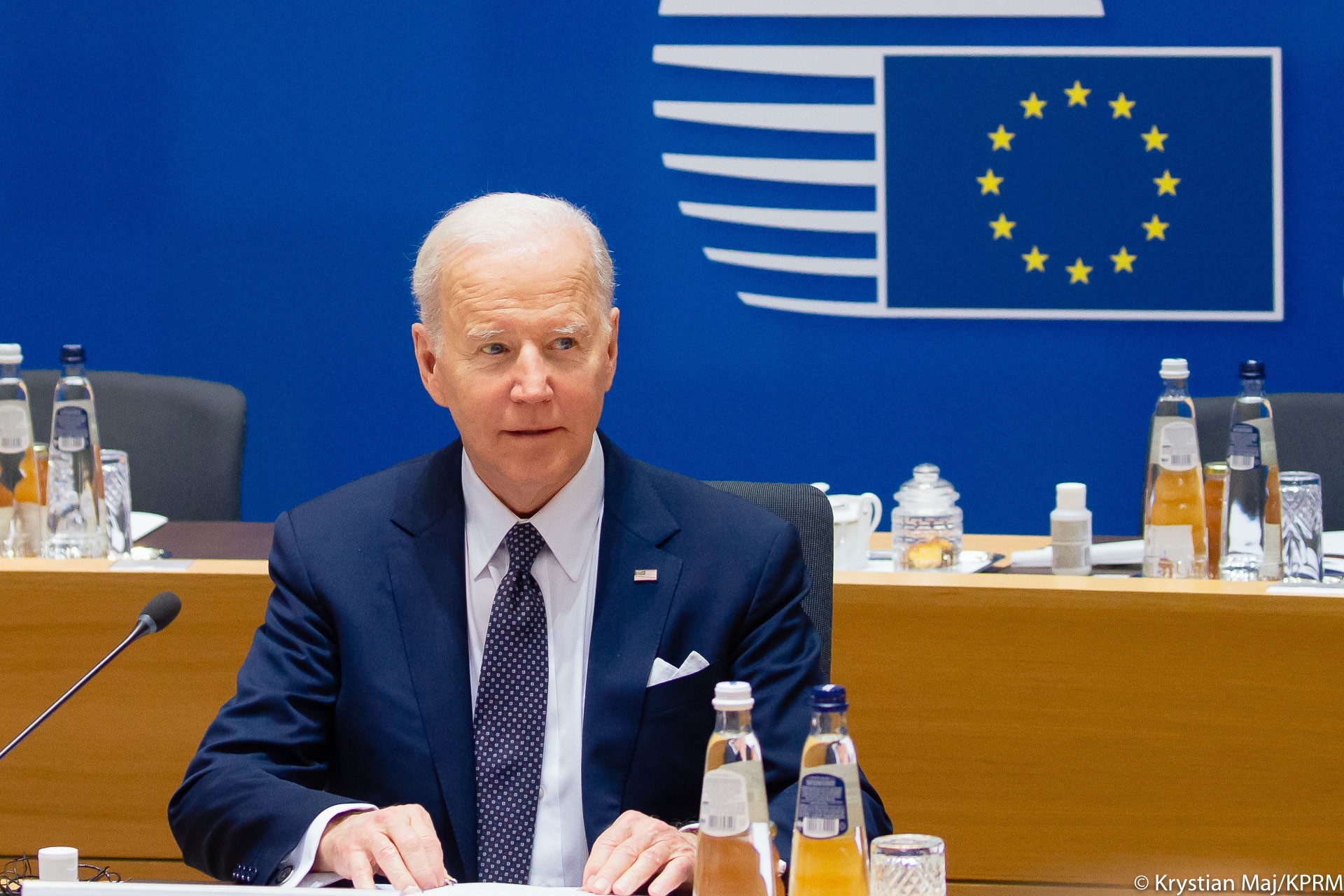
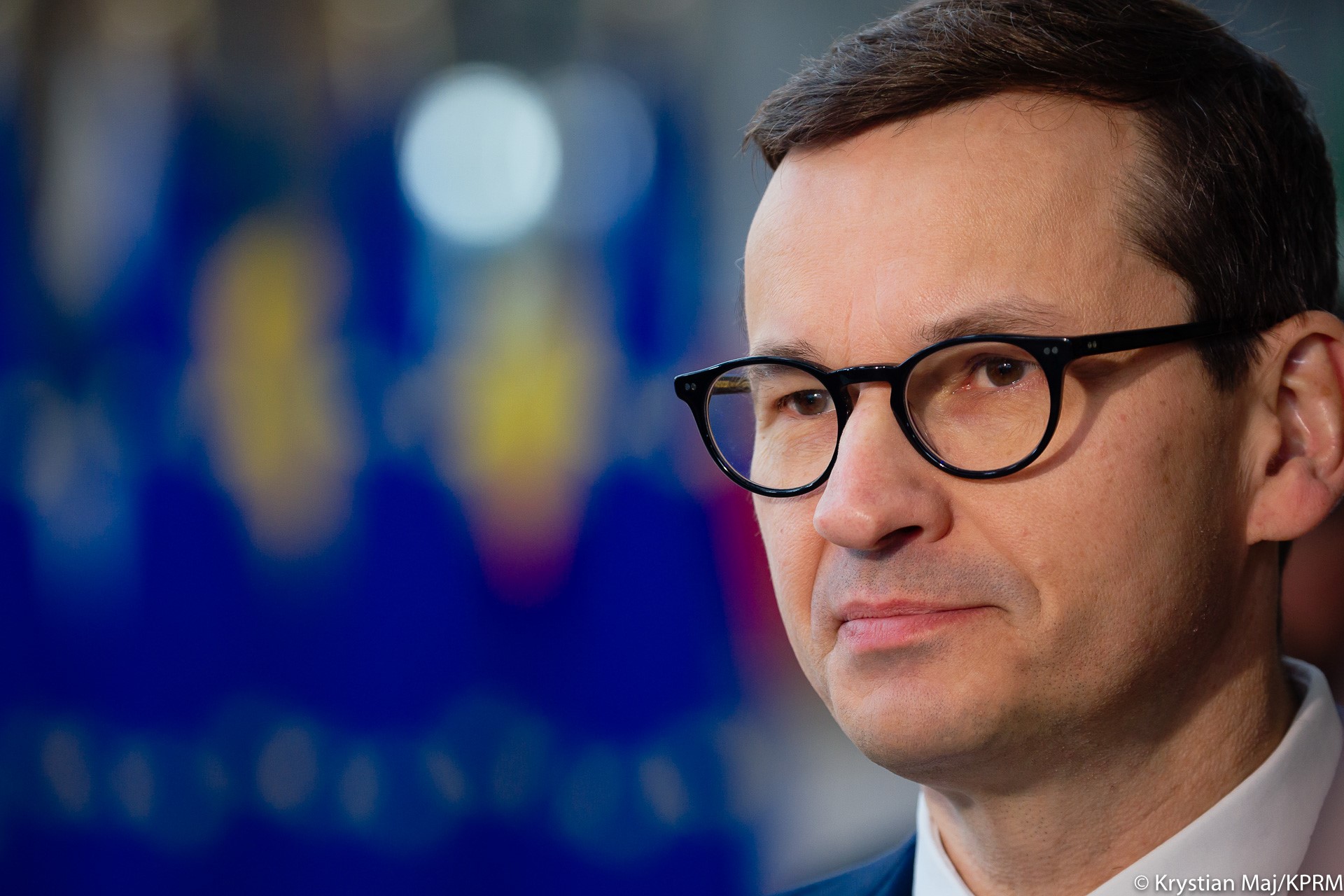
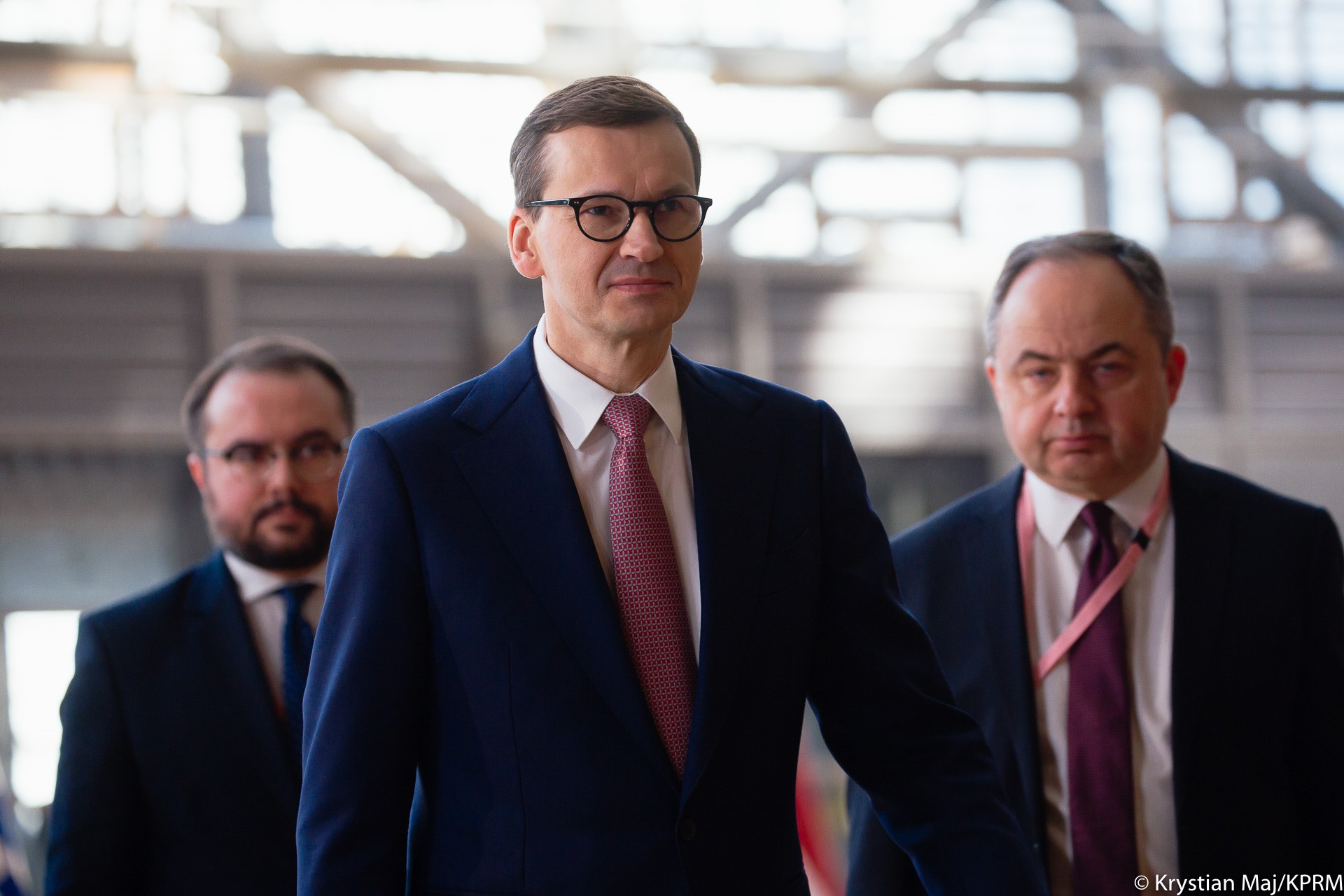
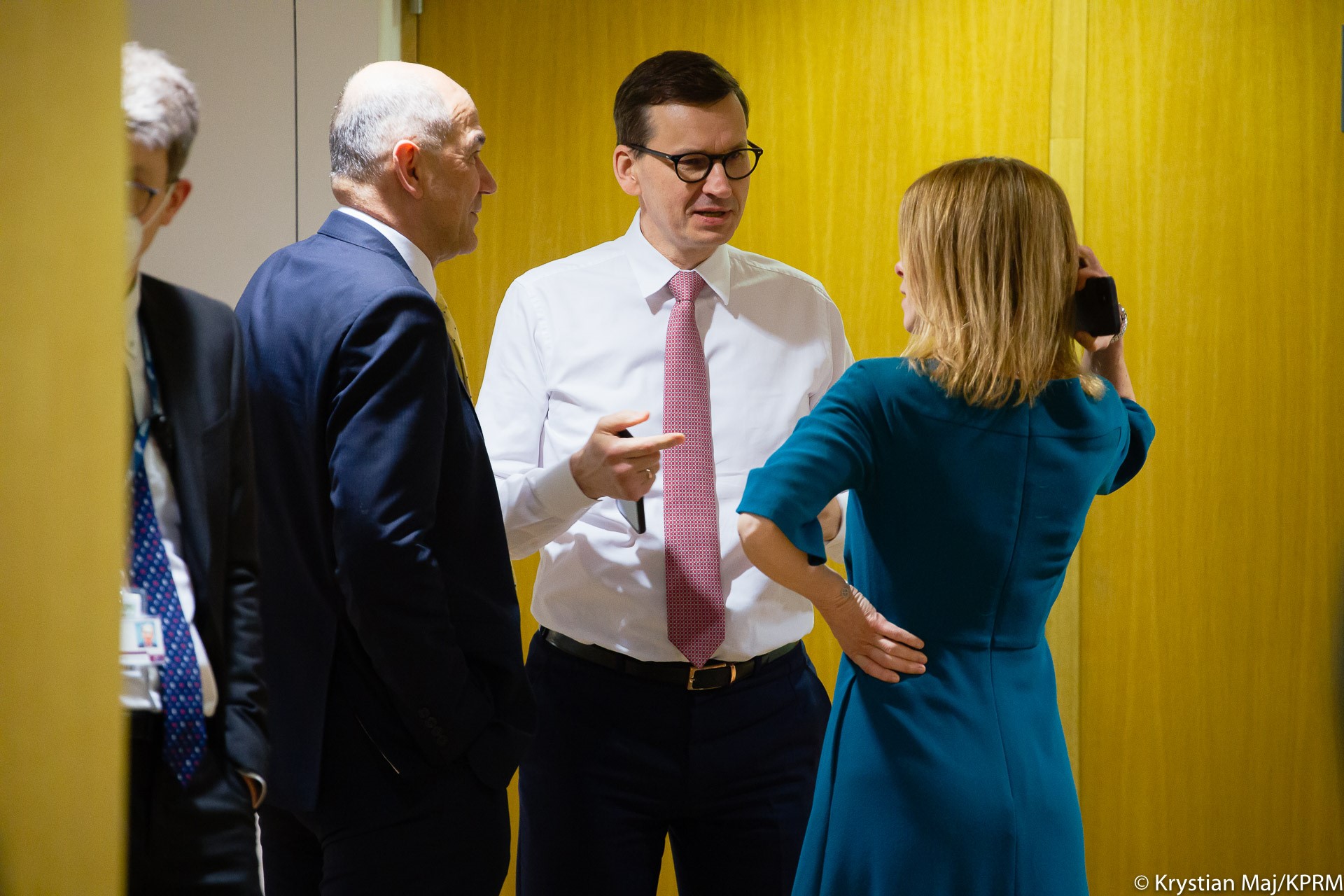
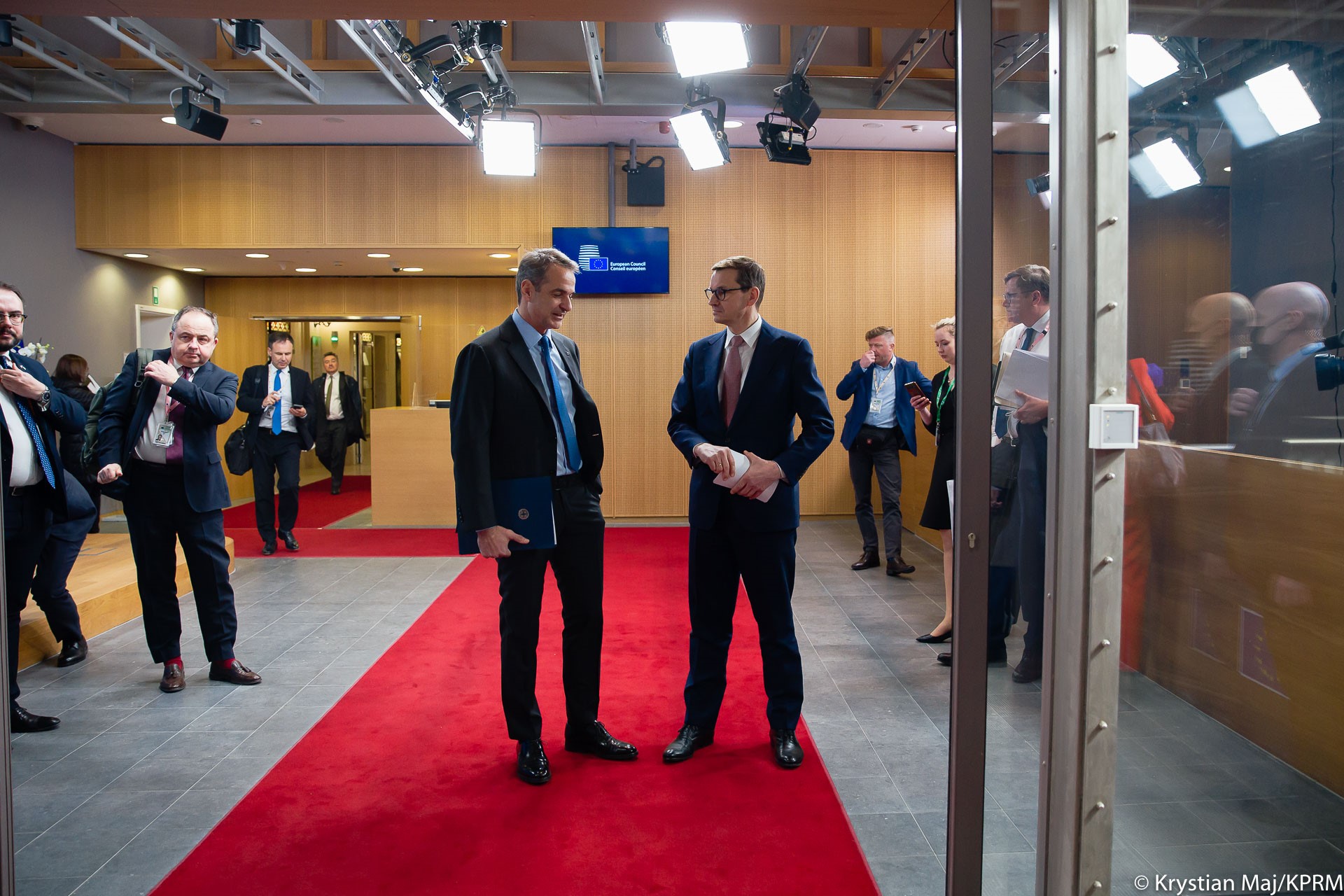
The two-day European Union summit in Brussels attended by the Head of the Polish Government Mateusz Morawiecki ended. In addition to European leaders, it was also attended by US President Joe Biden. The European Council meeting was devoted to Russia's brutal aggression against Ukraine. Leaders of the countries focused primarily on discussing issues related to the economic consequences of the war and security in its broadest sense – including energy and defence. Assistance to refugees was also an important point of discussion. During the summit, Prime Minister Mateusz Morawiecki stressed the need to continue imposing tough sanctions against Moscow. The Head of the Polish Government also drew attention to the need to reduce the trade in oil, gas and coal with Russia.

Sanctions against Russia as one of the main topics of the European Council Summit
Sanctions and restrictions imposed on Russia were one of the main topics addressed at the summit. Prime Minister Mateusz Morawiecki presented Poland's position, which is to continue imposing tough sanctions on Moscow: “Poland was among those countries that proposed the most far-reaching sanctions – further, very extensive sanctions that will cut off the flow of fresh resources, the flow of money to the Russian state budget.”
The European leaders were joined online by the President of Ukraine. Prime Minister Morawiecki emphasised that President Zelensky's statement complemented the current knowledge and very strongly influenced the leaders of the individual member states to make the decision to quickly develop another serious sanction package in the coming days. Another package on top of all the measures that have already been adopted so far.
Polish proposal on a solution package
At the European Council summit, the Head of the Polish Government proposed a ten-point package which was discussed in Brussels: “I proposed a 10-point package. I presented it to my colleagues from the European Council and some of these points became the subject of a very heated discussion. I am sure that by doing so we are also setting a certain threshold, a bar to which other countries will have to refer.”
Polish proposals included:
- Blocking of transport – exports and imports, with the exception of humanitarian goods that are transported to Russia through Poland, Lithuania, Latvia and Estonia,
- full embargo on Russian oil, gas, coal,
- exclusion of the possibility of European ports receiving Russian ships,
- ban on Russian propaganda in the European Union,
- suspension of visas for Russians,
- exclusion of Russia from various international organisations.
Moving away from Russian supplies
Another important issue addressed by the European leaders was the question of moving away from Russian supplies. “Putin treats war as a mechanism for forcing certain actions and behaviours. Putin treats war, as well as the refugee crisis, as a mechanism for blackmail. This blackmail becomes evident in gas prices, electricity prices, oil prices and prices of all petrochemical products,” said Prime Minister Morawiecki.
The Head of the Government added that Poland was already aware of such risks several years ago: “Coal, oil, gas – Poland will be one of the first European Union countries to show that it is possible to move away from Russian carbohydrates in such a short time. I am convinced that others will follow our lead. Some will take a little bit more time because they are only now literally copying the strategic, investment, construction and business measures that we took several years ago. The measures that we took are being implemented today by others. Unfortunately, however, others have to wait for their implementation.”
Prime Minister Morawiecki said that next week, he and Minister of Climate and Environment Anna Moskva will present a plan regarding moving away from Russian hydrocarbons as soon as possible.
The war in Ukraine and the prices of gas, oil and electricity
“It took us several hours to discuss how to reduce gas prices. Two weeks ago, in Paris, I proposed mechanisms to reduce gas prices, which also indirectly affect electricity prices and the entire energy market,” said the head of the Polish government. The Prime Minister proposed, among other things, regulatory measures, price caps, maximum gas price, tax mechanisms, but most importantly, confiscation of the assets of Russian oligarchs. He explained that this involves “the confiscation of the assets of the Russian Federation located in the European Central Bank in order to be able to compensate for these very high gas prices and help in the reconstruction of Ukraine and in the management of the refugee crisis.
Refugees fleeing war as one of the topics of discussion in Brussels
Poland is a country to which more than 2.2 million people fleeing the war in Ukraine have already come since the outbreak of the war. “The countries of the European Union thank us for our great effort in accepting refugees as well as for the way we do it: for registering them, taking care of them properly from the very beginning, for opening our doors and our hearts to these refugees – for trying to make sure that they find their place in the Polish society, that they can be integrated into the Polish society as soon as possible," said the Prime Minister.
In Brussels, the Head of the Polish Government raised the issue of the need to take in refugees: “This was met with great understanding.” The Prime Minister added that procedures at the European Commission take a long time. However, our country does not wait for the EC decisions and supports Ukrainians seeking refuge from the war in Poland on an ongoing basis: “We are the ones making this effort, it puts a strain, above all, on the Polish budget. We have adopted appropriate laws, legislation. The European Union, among others, is already addressing these issues so that we can receive adequate funds, compensating for this great effort with which Poland must now cope.”
Solidarity and unity in helping Ukraine
The Prime Minister stressed that Poland and the Baltic States were among the countries that most strongly urged their partners to take far-reaching measures in terms of providing defensive weapons and humanitarian aid or creating humanitarian corridors: “I talked about the humanitarian mission, the one we talked about in Kiev, of course. I talked about our trip to Kyiv and about their needs in Kyiv – we know this very, very well. However, this also requires courage – decisions on the part of the entire European Council and the entire European Commission. We are setting the bar high because the threats to world peace and to the entire European Union are enormous.
“We appeal to others to maintain unity, as we managed to do in the first four weeks, but also to take decisive action so that we can continue such an approach to this extremely dramatic event that is unfolding before our eyes, that is the war in Ukraine," said Prime Minister Morawiecki.