Prime Minister Mateusz Morawiecki: The European Commission has a tool in its hands for reducing energy prices
07.10.2022
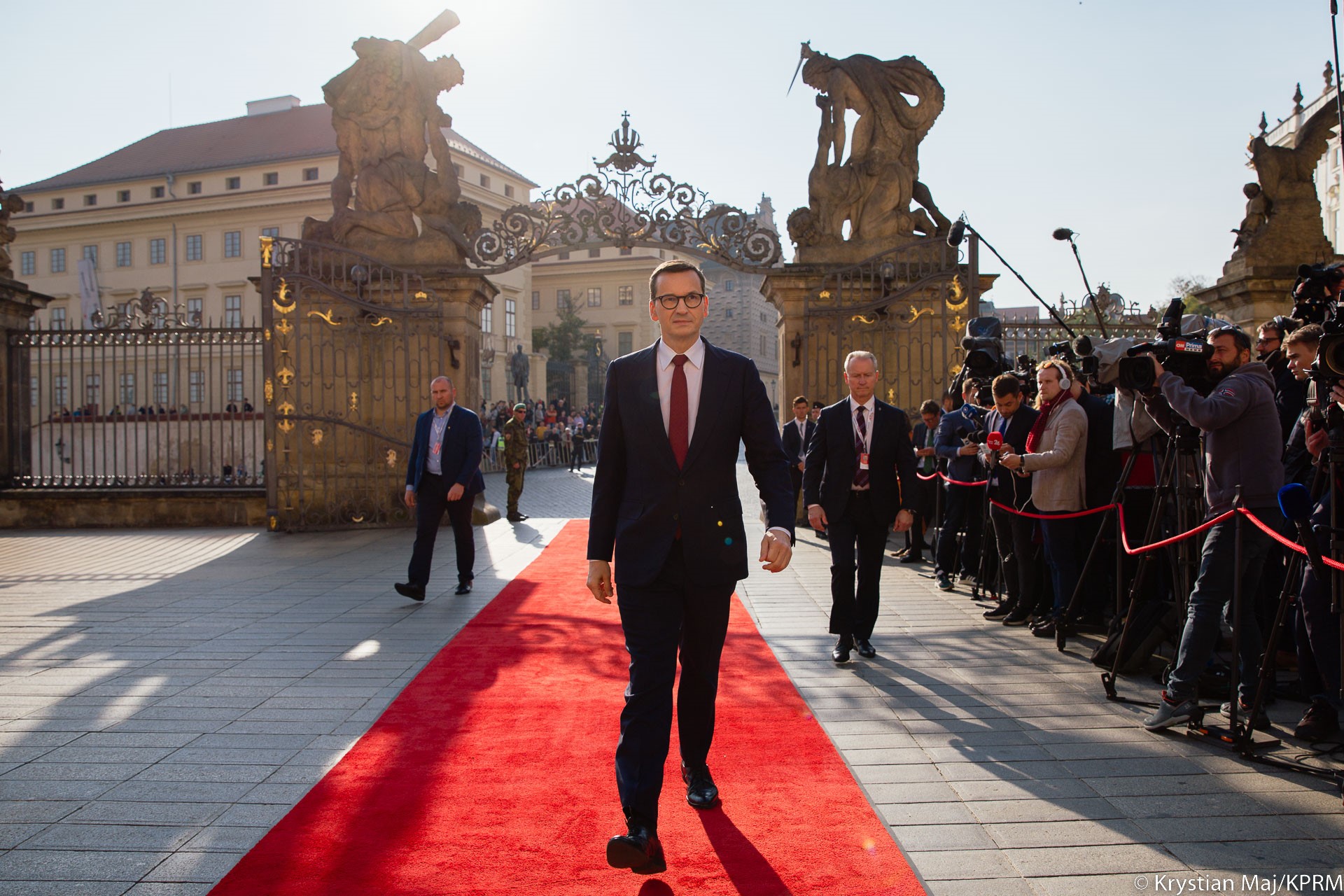
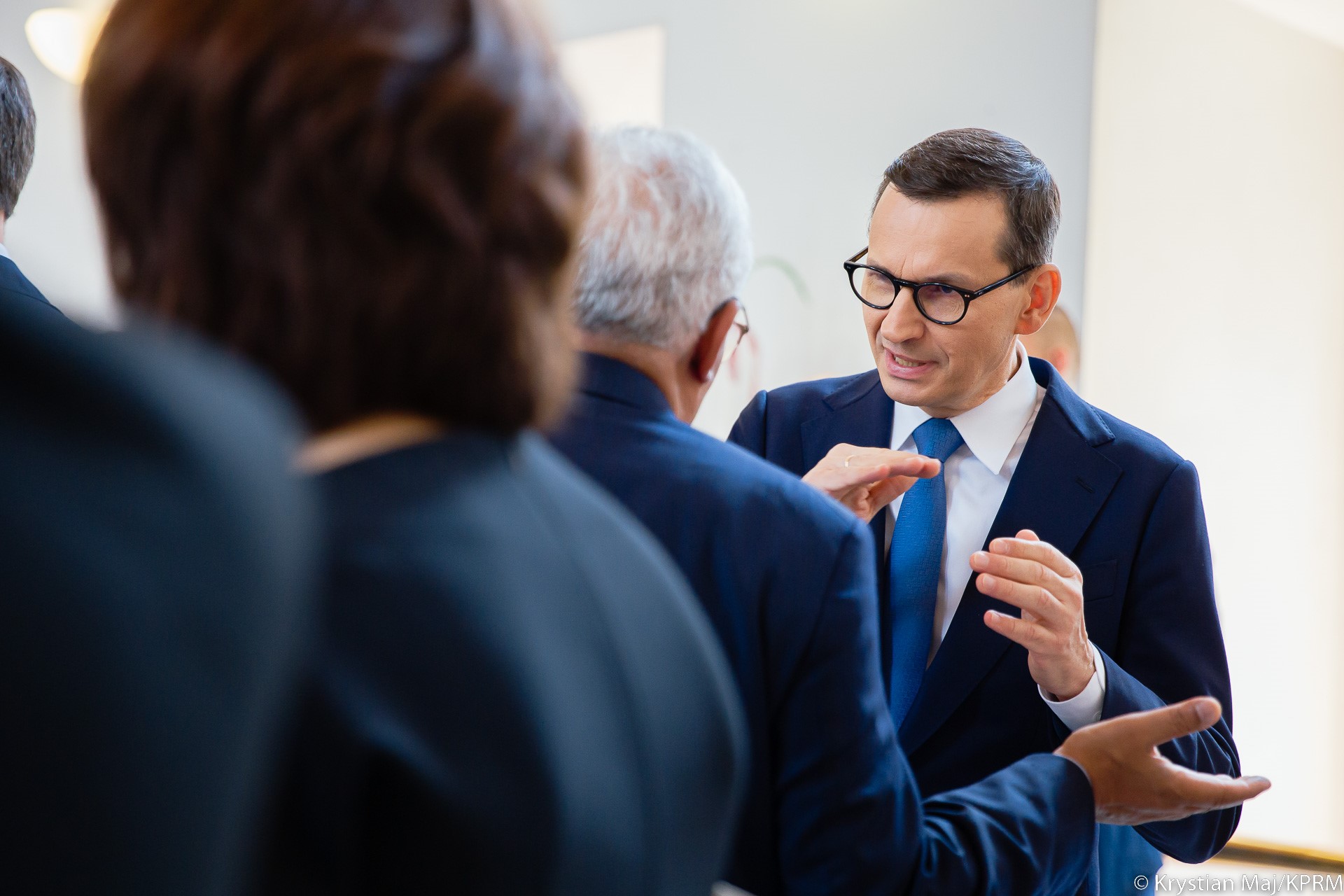
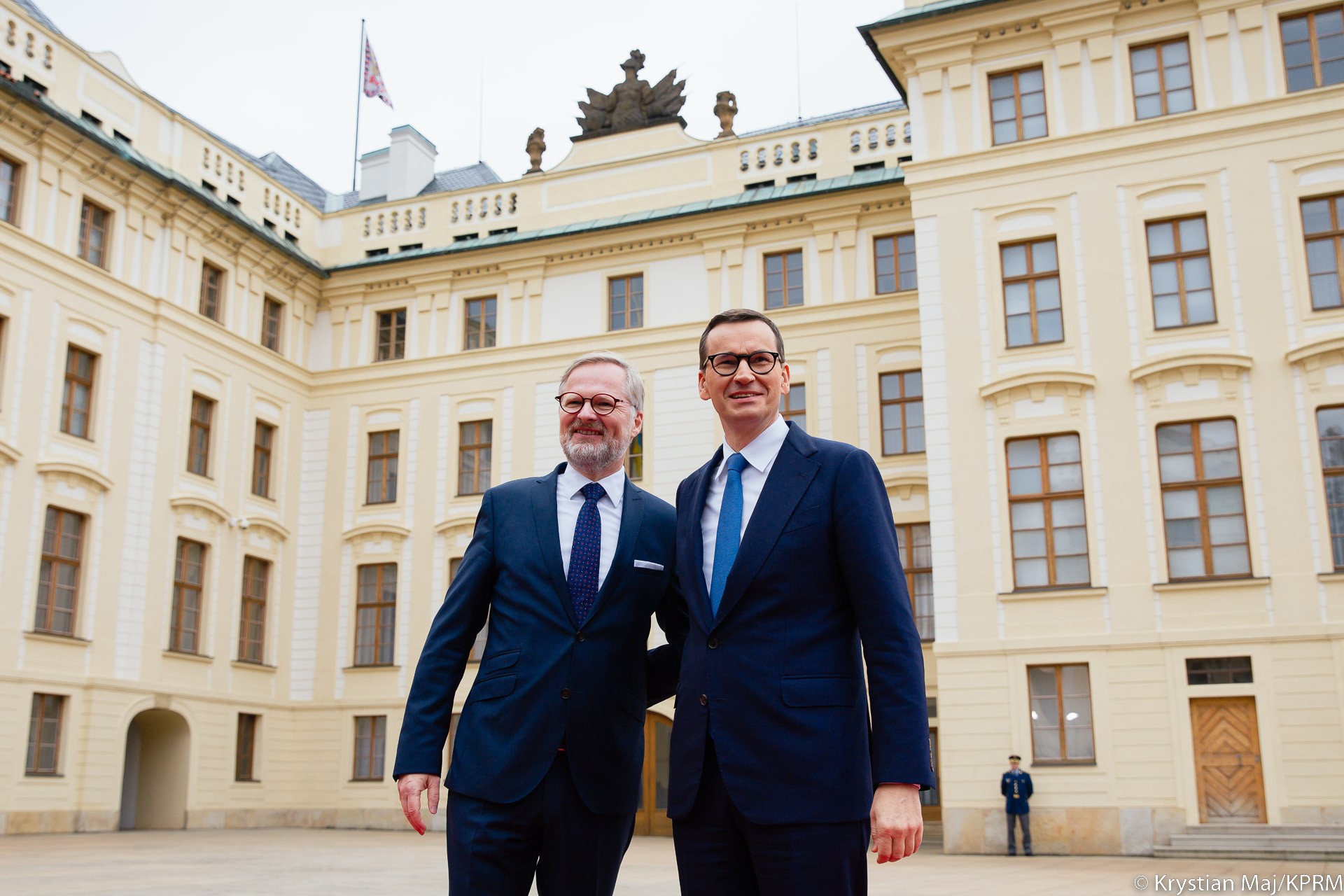
Prime Minister Mateusz Morawiecki has participated in an informal summit of the European Council in Prague, in which energy prices, support for Ukraine and economic issues were discussed. Amongst other things, the Head of the Polish Government made his demand for the right to receive CO2 emission allowances or freeze their price at 20-30 euros. This solution would cause a rapid drop in energy prices in Poland. Yesterday, in the capital of the Czech Republic, Prime Minister Mateusz Morawiecki took part in a meeting of the European Political Community.

Limits on gas prices
European Union leaders discussed a cap on gas prices and called on the European Commission to act swiftly on the issue.
"I hope that after the turmoil of recent months, what we have managed to discuss today leads us to positive conclusions, so that we will finally be able to use the great power of the European Commission to introduce a cap on gas prices" – stressed Prime Minister Mateusz Morawiecki.
Poland’s call for changes to the CO2 emission allowance system
The Head of the Government presented Polish concepts for reducing energy prices in the EU. The only tool that is completely in the hands of the European Commission is CO2 emission allowances. "These allowances mean that currently one megawatt hour is several hundred zloties more expensive" - said the Prime Minister. "It can cost PLN 300-400 more, because of the cost of CO2 emission allowances alone" - he explained.
The Head of the Government emphasised that Poland realised the need for climate policy, but today the whole of Europe is subject to enormous tensions arising from the war in Ukraine. "For the sake of citizens, it is therefore necessary to provide many CO2 emission allowances" - said the Prime Minister. "This is an instrument that is very quickly available. Immediately, all Poles would have cheaper energy if the European Commission were able to act," he added. Another option is to administratively freeze the price of CO2 emission allowances at EUR 20-30.
Risks on financial markets
The head of the Polish government also drew the attention of EU leaders to the risks appearing on financial markets. "What has happened on financial markets over the past week, such as the weakening of the British pound or the Japanese yen, is a symptomatic and very dangerous phenomena," he said. "In the financial markets, there is a lot of debate about whether we are in danger of another Lehman Brothers crisis," he explained.
Prime Minister Mateusz Morawiecki also mentioned that many EU leaders were very critical of German plans to save their industry by spending 200 billion euros. "The richest country in the European Union is trying to take advantage of the crisis in order to achieve a competitive advantage for its companies in the single market," he said. "It's not fair. Many countries have stigmatised this," he added.
Meeting of the European Political Community
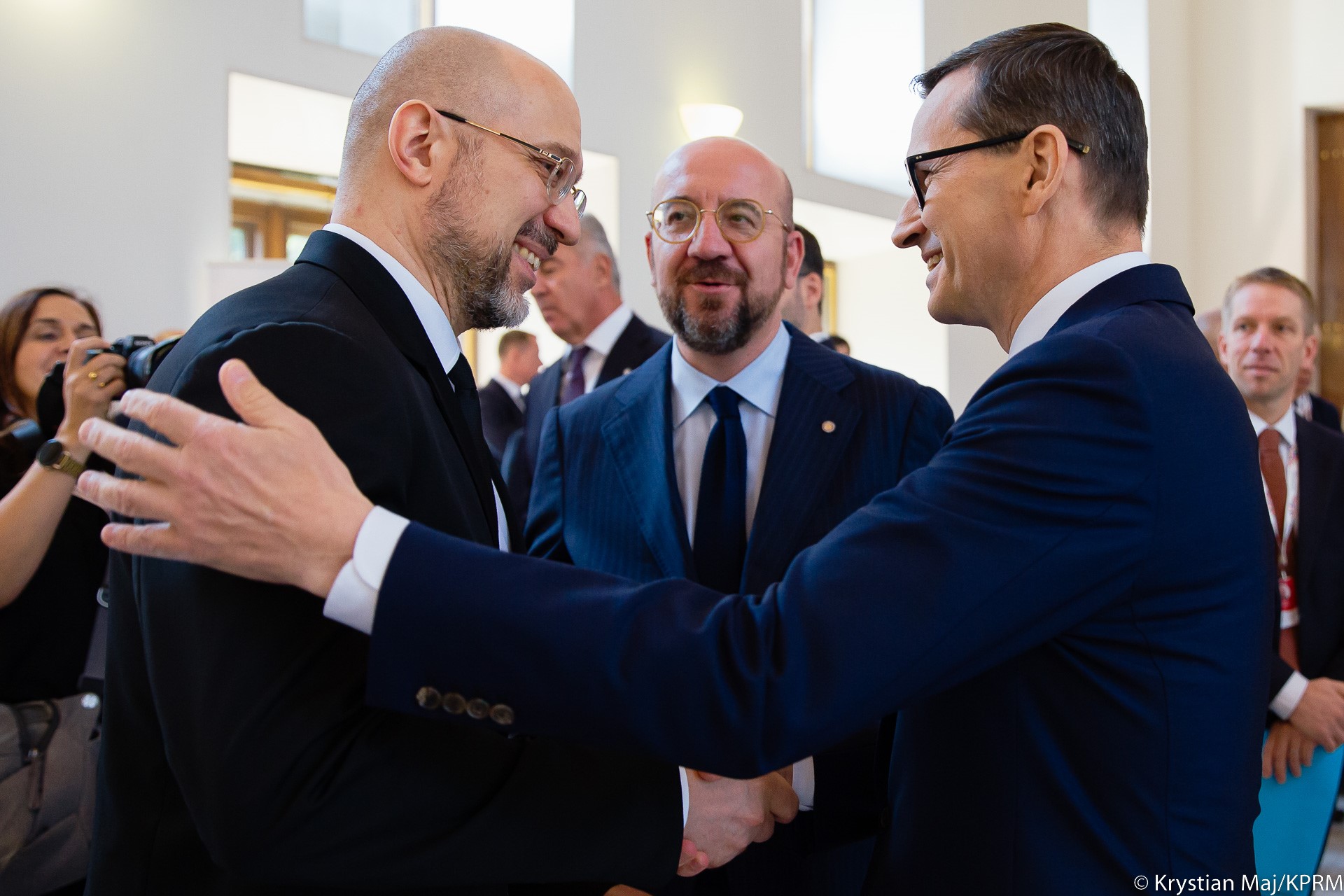
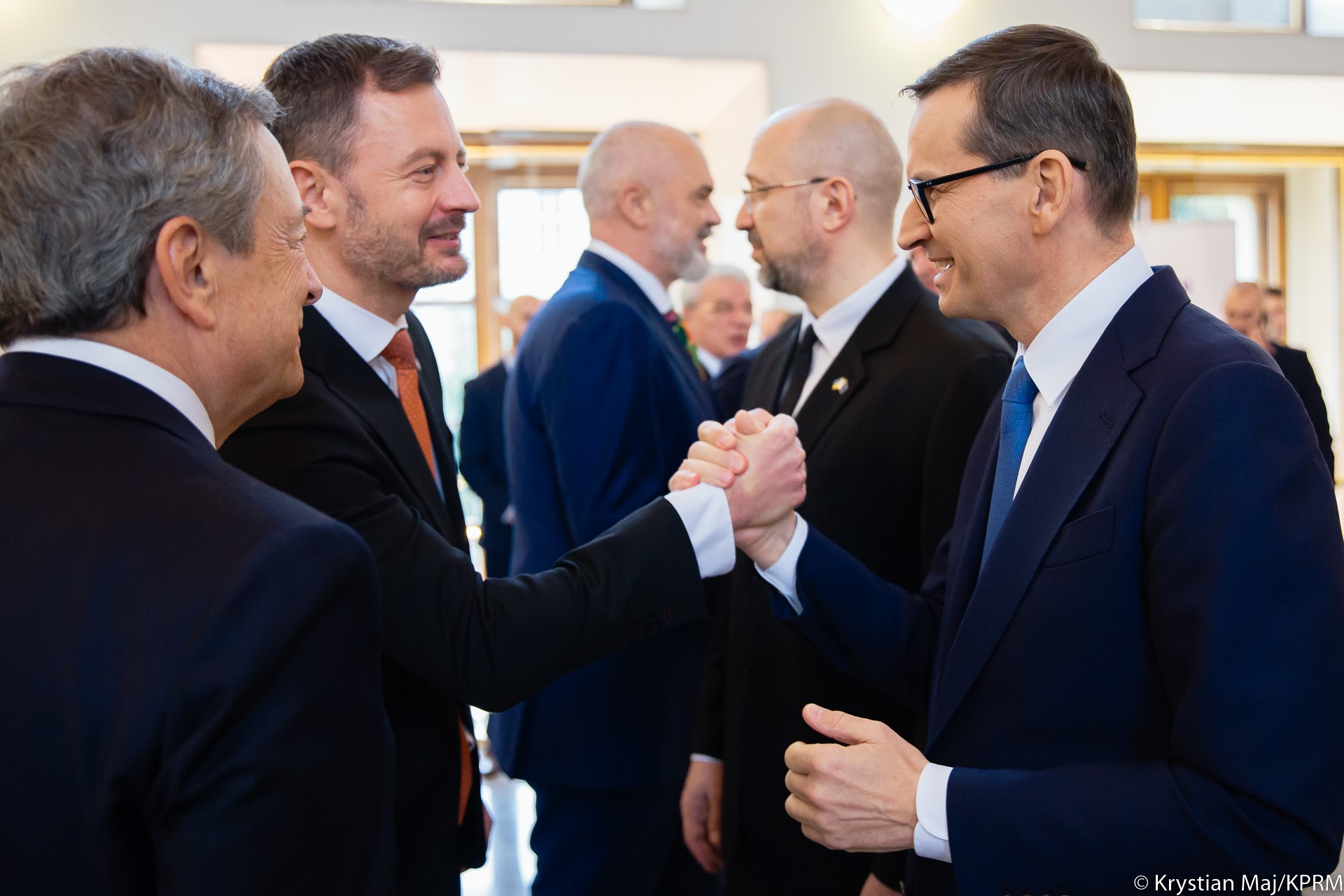
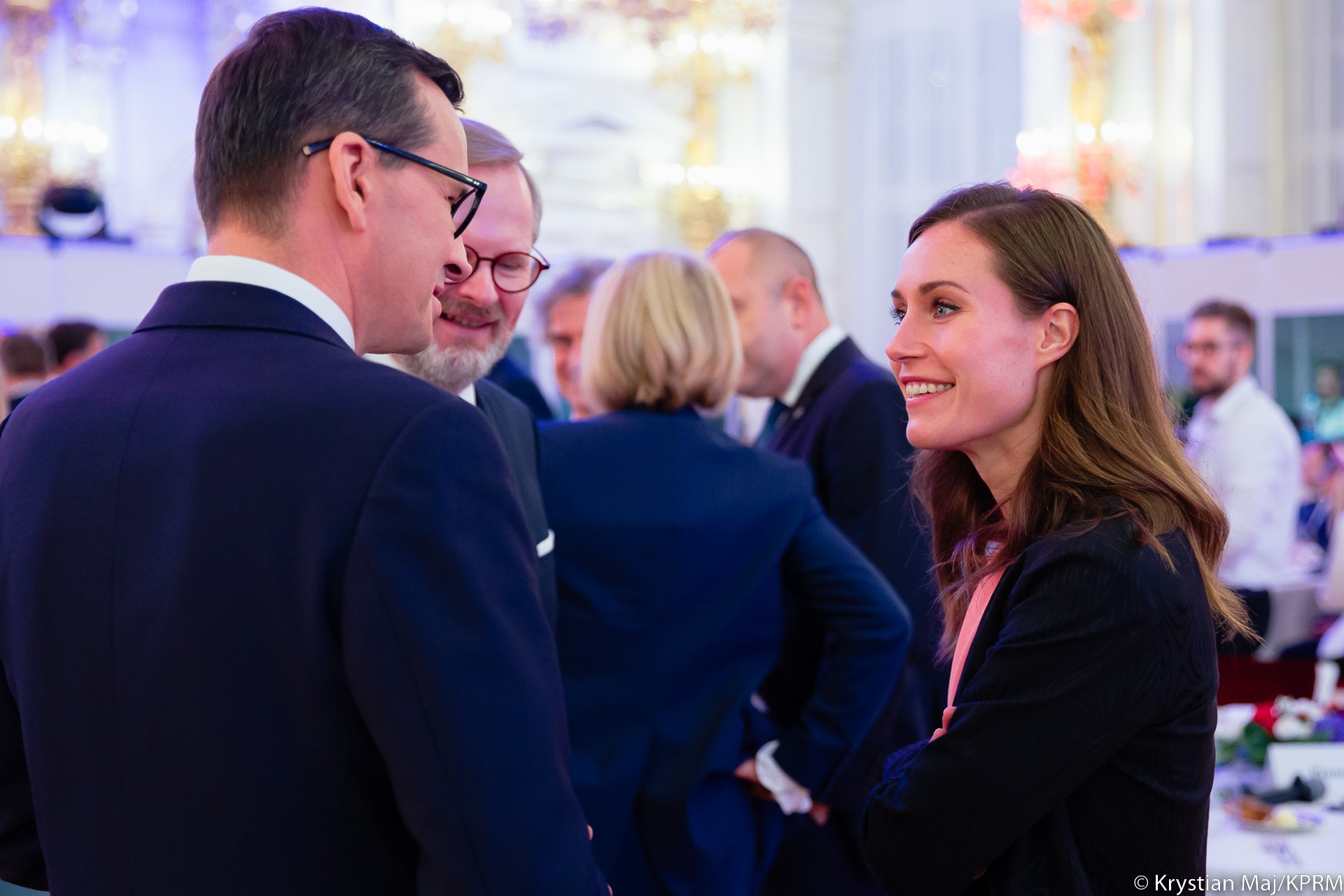
On 6 October, Prime Minister Mateusz Morawiecki participated in the first meeting of the European Political Community in Prague, involving EU leaders and 17 leaders of European partner countries.
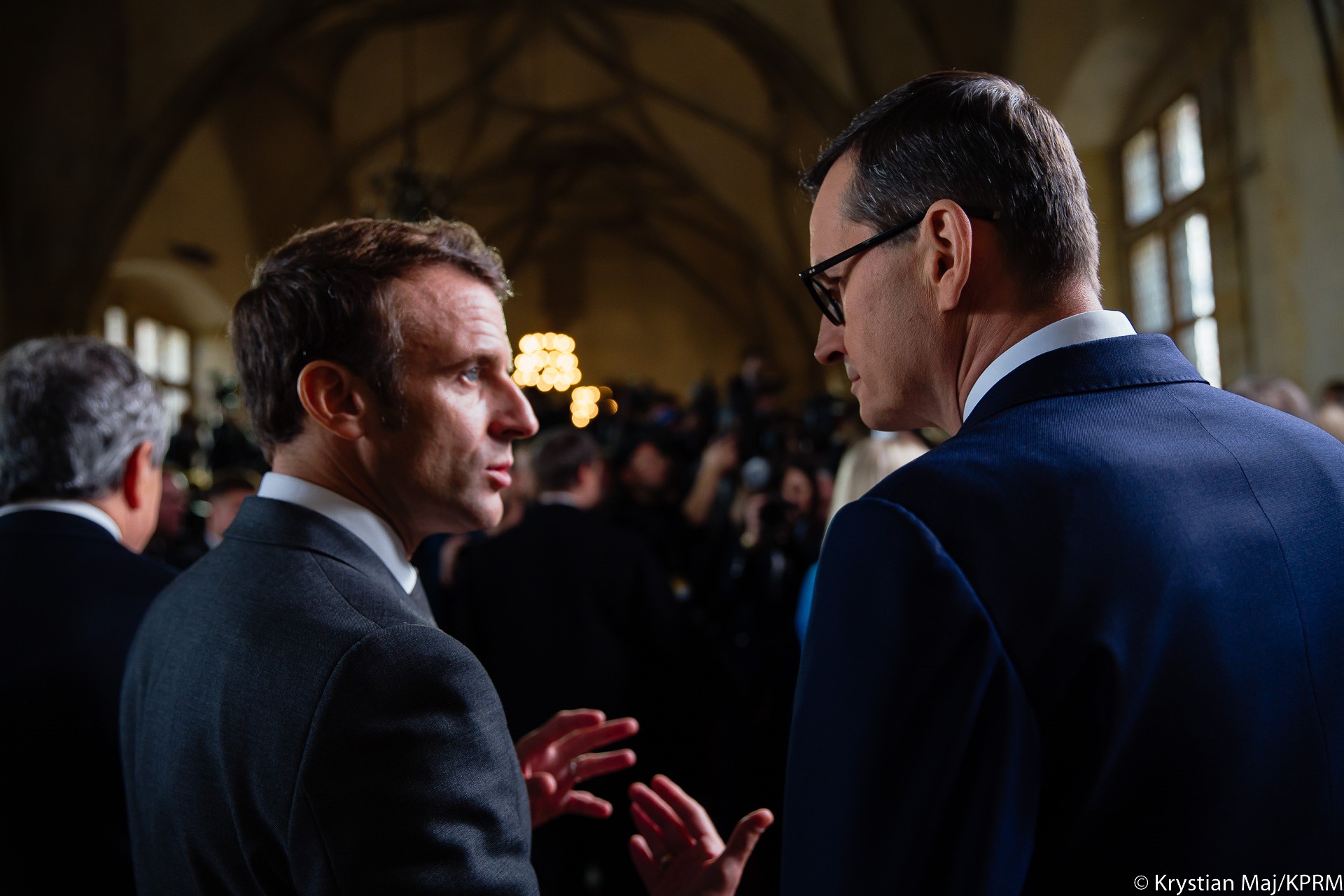
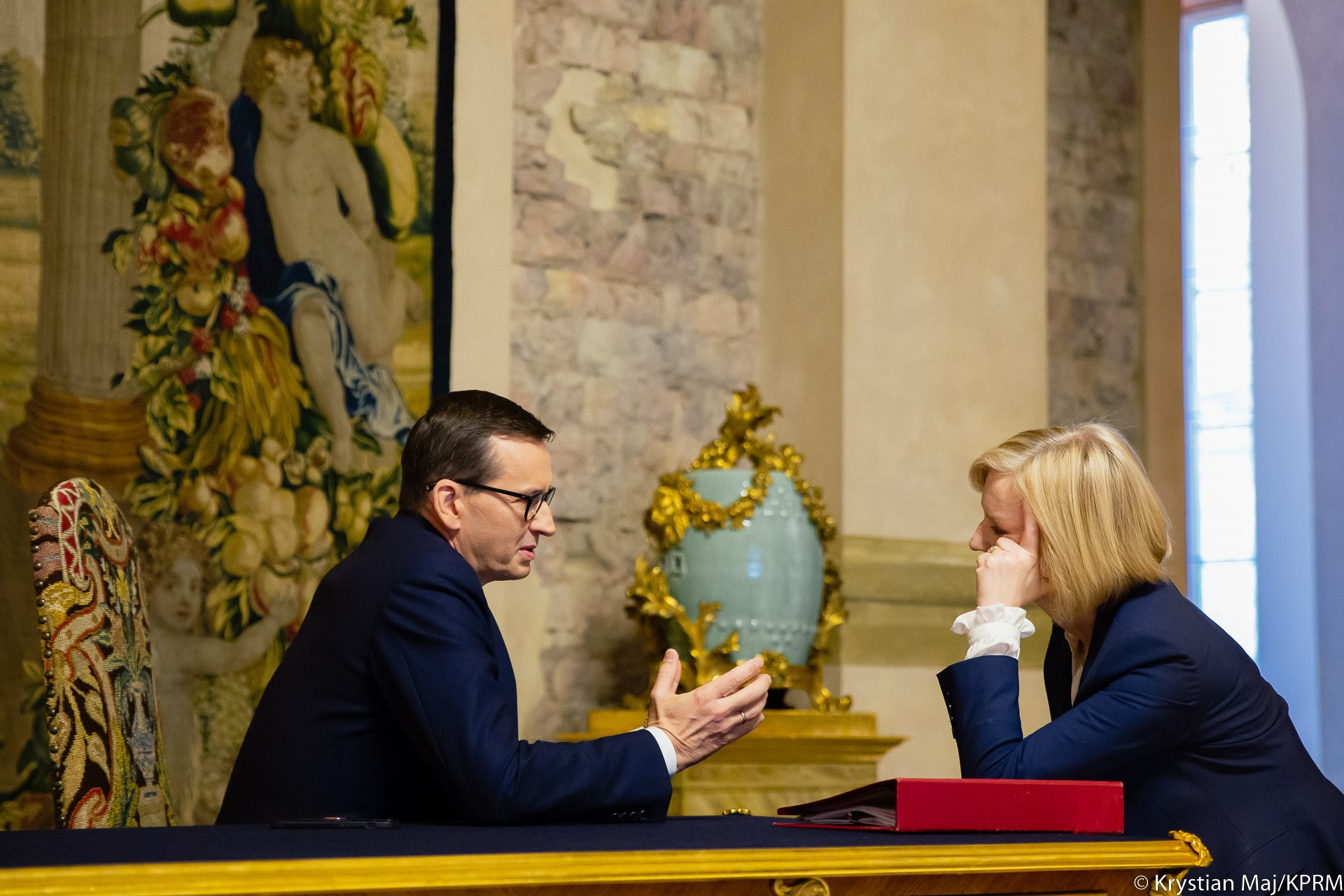
The Head of the Polish Government talked with the Prime Ministers of Great Britain, Hungary and Norway, as well as the Presidents of Turkey and Serbia as well as other leaders. The Polish Prime Minister stressed that these countries also had an impact on the course of events related to the war in Ukraine and the energy crisis. The topics of the meetings were increasing dialogue and cooperation in Europe on issues related to security, energy, the economic situation and the adoption of further sanctions against Russia.
One of the leaders Prime Minister Mateusz Morawiecki spoke to was the head of the Hungarian government Viktor Orban. The Polish Prime Minister stressed that there was no Hungarian blockade on the eighth package of sanctions against Russia. He added that we were in full agreement within the entire Visegrad Group on this issue. "Just as Russian gas has become a curse for Europe, so today, in solidarity, we all want to consign Russian gas and raw material imports to the past," he said. "It's not just sanctions, it's a step towards building a world without war, independent of these raw material imports," he explained.