Prime Minister Mateusz Morawiecki: there will be no final Polish-Ukrainian reconciliation without finding all the remains of the victims of the Volhynian Massacre
11.07.2023
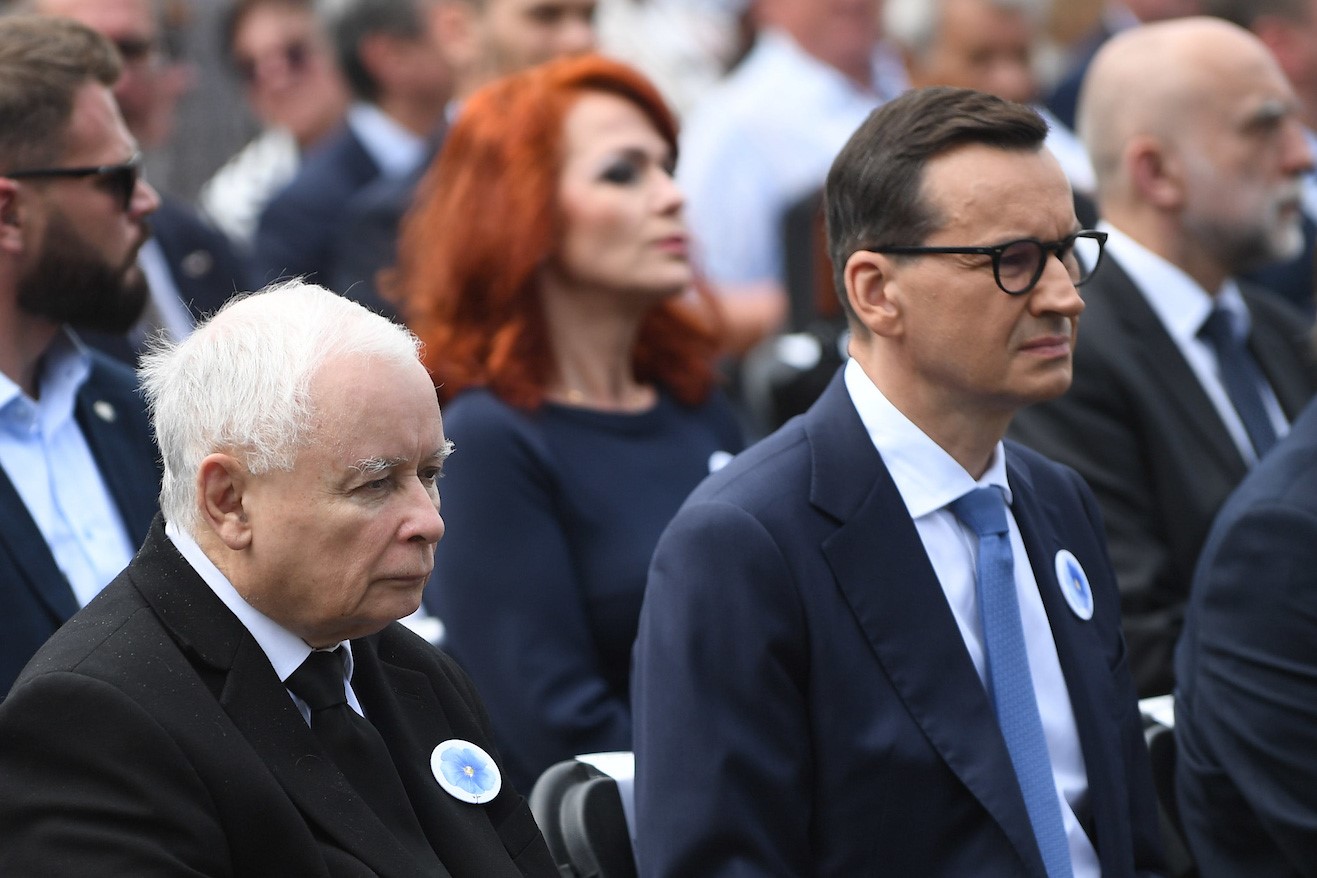
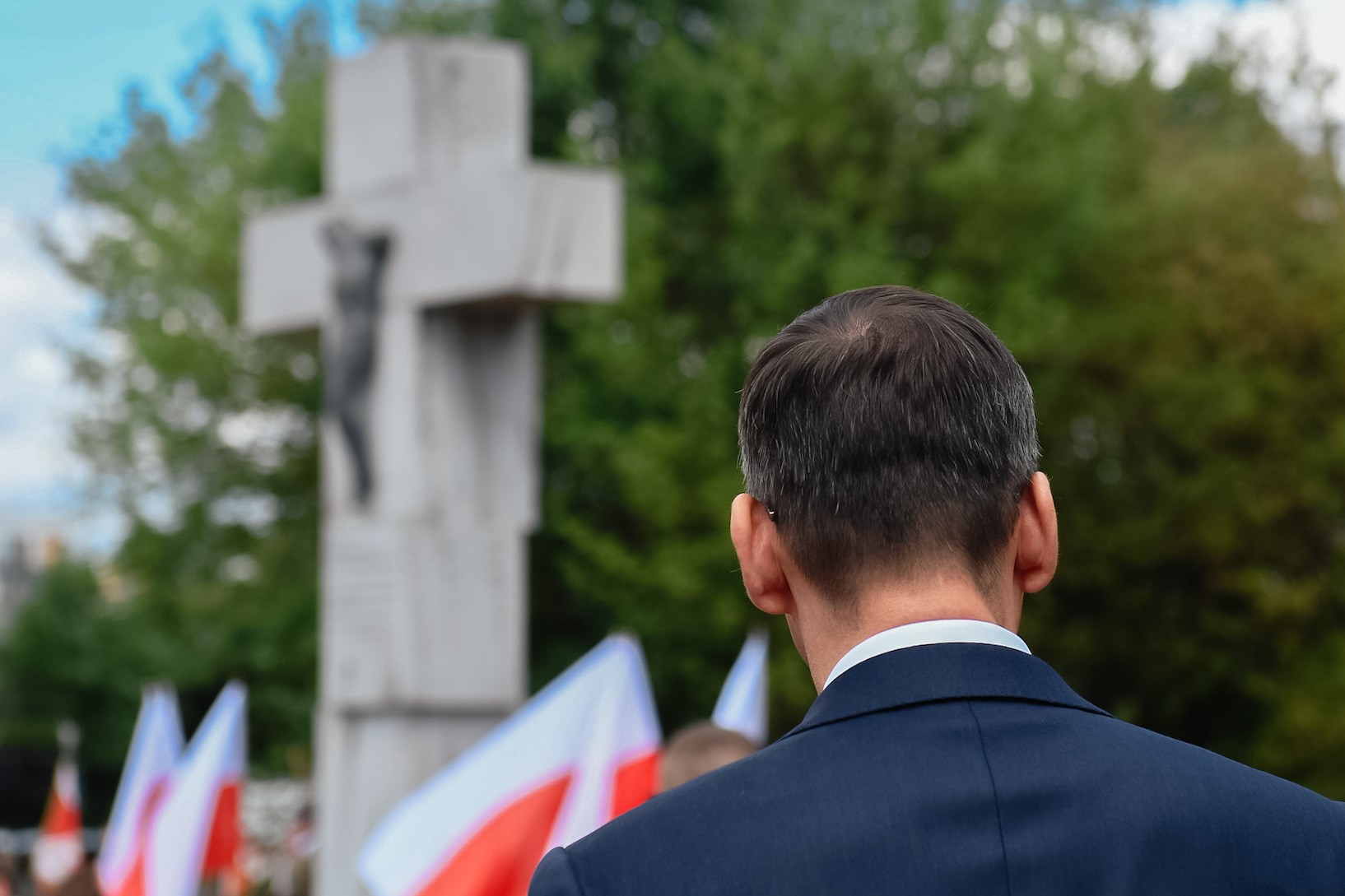
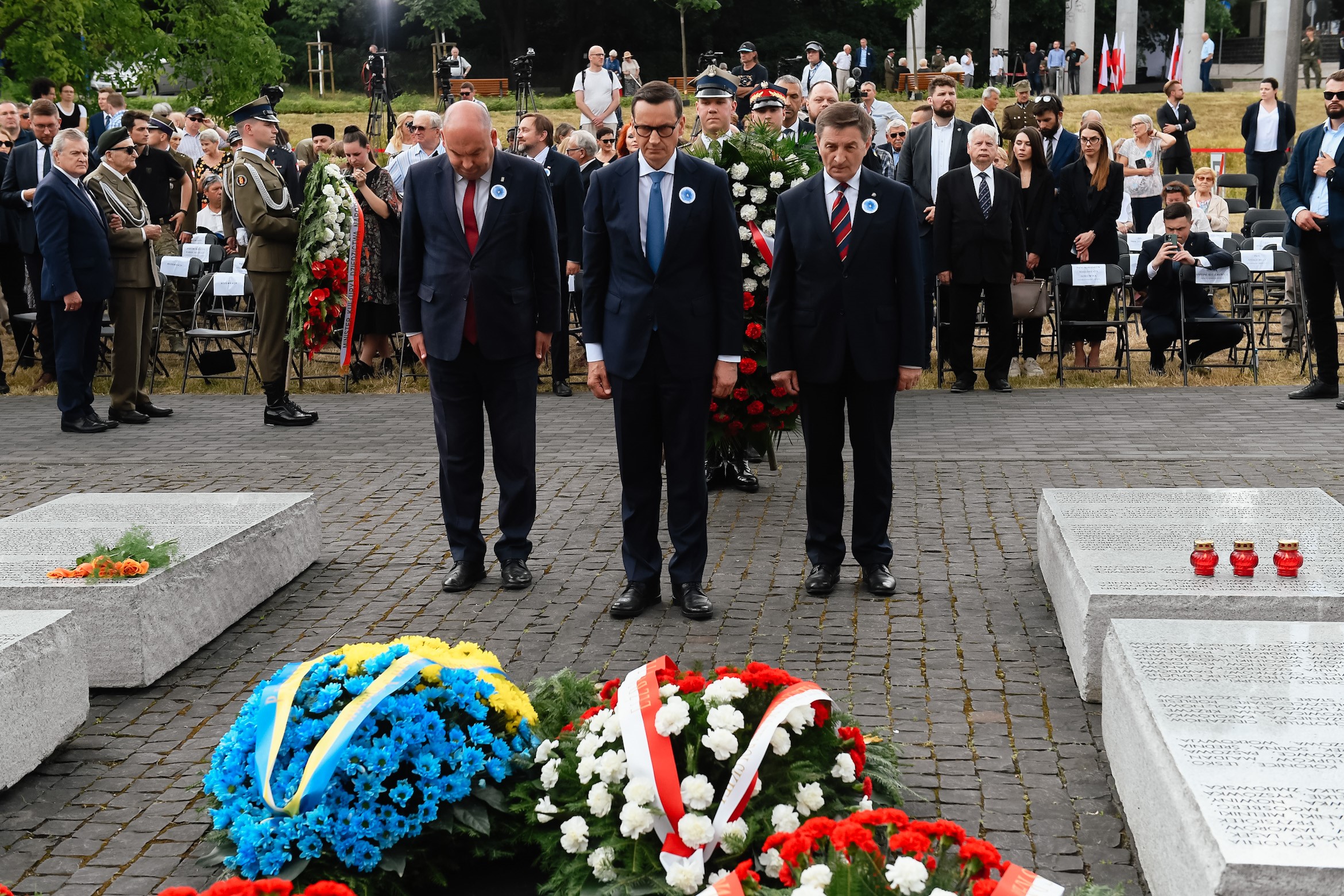
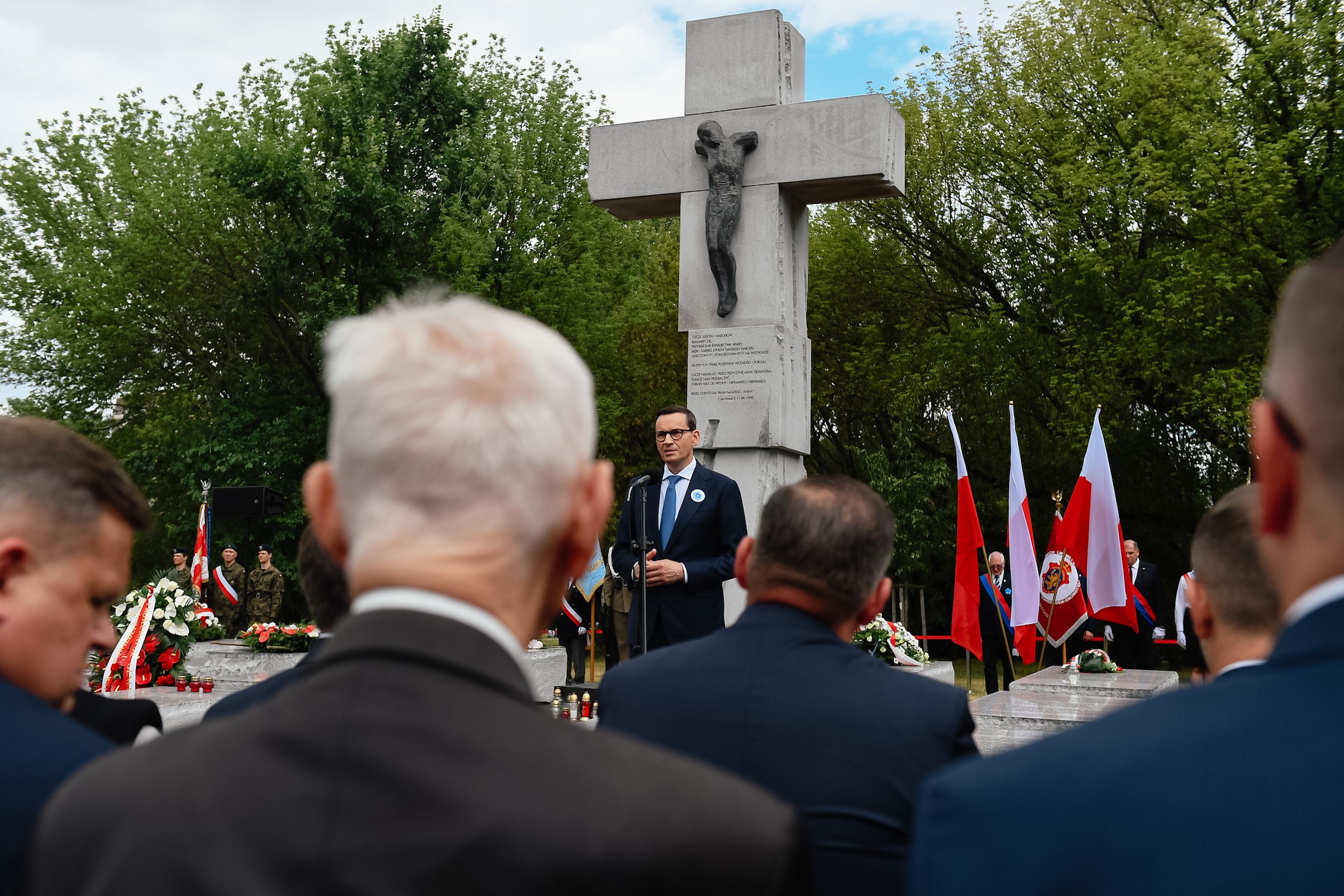
On the 80th anniversary of the Volhynian Massacre, Prime Minister Mateusz Morawiecki participated in the commemoration of the National Day for the Remembrance of the Victims of Genocide perpetrated by Ukrainian nationalists against citizens of the Second Polish Republic. Volhynia is still an open wound in the history of our nations. To build a common future with Ukraine, we must put the painful past in order.

Genocide of Poles by Ukrainian Insurgent Army
Prime Minister Mateusz Morawiecki paid tribute to the Poles who were murdered by the Ukrainian Insurgent Army. 80 years ago, the Ukrainian Insurgent Army launched a coordinated attack on villages in Volhynia inhabited by Poles.
- That land witnessed an exceptional crime. It witnessed hell within hell prepared by Ukrainian nationalists for their neighbours. That crime was so exceptional that it must be given its own name - genocide. A terrible, cruel genocide – stressed the head of government.
The Volhynian massacre must be explained to the end
Eighty years after the Volhynian Massacre, Polish people want to find the resting places of their ancestors to organise a dignified burial for them.
- Today, our Ukrainian neighbours and allies definitely understand better how important it is for us to find every place, all the remains, and bury them in a Christian way, place a cross, light a candle and pray. And we will not rest until the last remains are found – emphasised Prime Minister Mateusz Morawiecki.
As the head of the government explained, the issue of finding the remains of the victims of the Volhynian Massacre is not only a Polish issue, but also a Ukrainian one.
- There will be no final Polish-Ukrainian reconciliation without finding all the remains and honouring them in a proper way - declared the Prime Minister.
On the 80th anniversary of the Volhynian Massacre, the head of the government also laid flowers on the Tomb of the Unknown Soldier and in front of the monument to the 27th Volhynian Infantry Division of the Home Army.
Search works for the remains of the victims of the Volhynian Massacre
For several weeks, based on the arrangements with the Ukrainian side, a search has been underway for the remains of the victims of the crime in the village of Puźniki in the Buczacki district, where, in February 1945, the UPA band murdered around 100 Poles - mainly women and children.
On the Polish side, the work is being carried out by experts from the Pomeranian Medical University and the Institute of National Remembrance inter alia. More than a hectare of the land has already been searched and more than 500 boreholes and 80 pits have been drilled. State-of-the-art equipment is being used in the search - geo-radars and magnetometer probes as well as metal detectors. The work will continue until the task is completed.
National Day for the Remembrance of the Victims of Genocide
The Day for the Remembrance of the Victims of Genocide was established by the Sejm in 2016. It commemorates the events of 11 and 12 July 1943, when the Ukrainian Insurgent Army launched a coordinated attack on villages inhabited by Poles located in the former Volhynian Voivodeship. The Ukrainian Insurgent Army took advantage of the fact that the people were gathered in churches, on Sunday 11 July. The "Volhynia Bloody Sunday" is considered to be the climax of the genocide committed by Ukrainian nationalists against Poles in the period from 1943 to 1945. Approximately 100,000 Polish people were killed as a result of the genocidal actions in Volhynia.