Prime Minister on the National Cancer Network: it is part of our investment in healthcare
03.01.2023
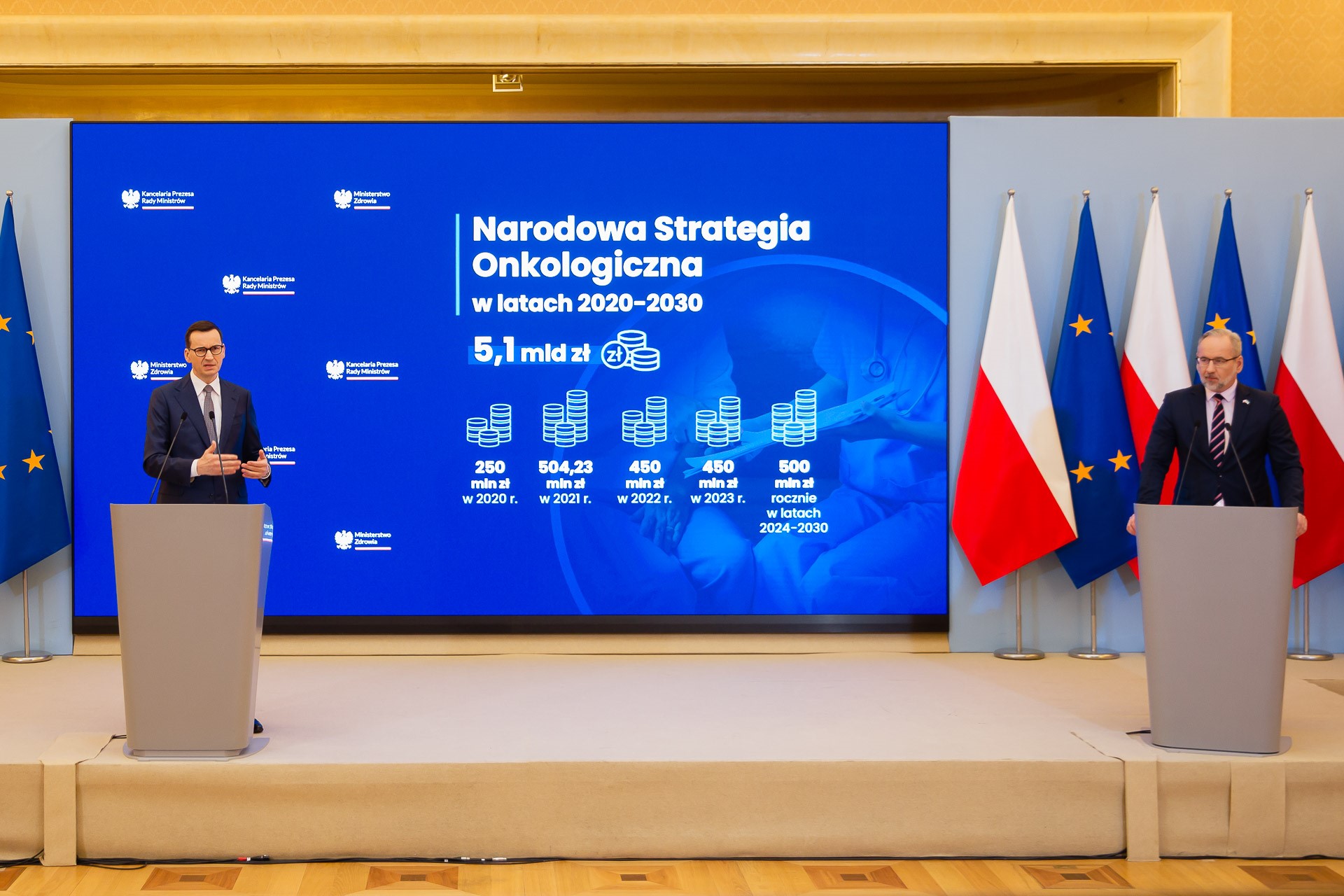
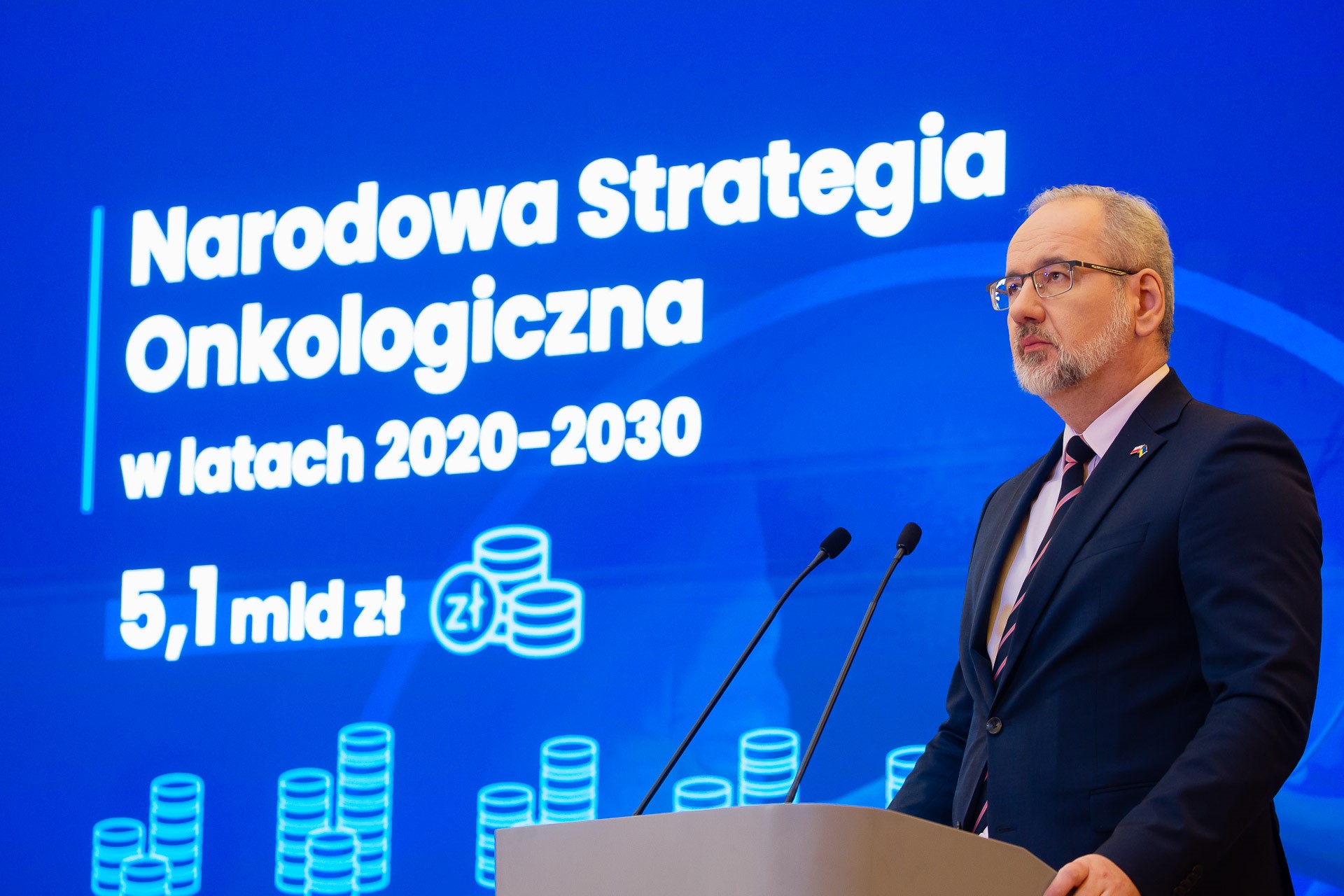
The government wants to improve access to oncology treatment. Hospitals that meet the eligibility criteria will form a National Cancer Network (NCN). The government is allocating more and more resources to the treatment of all oncological diseases. It plans to spend more than PLN 5 billion on the National Oncology Strategy between 2020 and 2030. "We will do everything in our power to implement the next stages of these solutions as soon as possible," indicated the Prime Minister.

National Cancer Network - fast and effective treatment for everyone
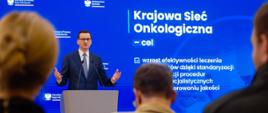
"The NCN assumes procedures for the detection of cancer at the earliest possible stages of its occurrence, which will enable quick and effective treatment of this difficult disease. It will also ensure that patients have access to the best possible treatment and care," said the Prime Minister, presenting a new model for managing oncological care in Poland.
The National Cancer Network will comprise Level I, II and III Specialised Cancer Treatment Centres together with Competence Centres, Satellite Facilities and Cooperative Centres. Early detection of cancer will be possible through the standardisation of highly specialised procedures and their quality control. This will enable rapid and effective treatment of oncological diseases.
Benefits for the patient
- Provision of oncological care based on the same diagnostic and therapeutic standards for each patient.
- Implementation of treatment stages with the collaboration of specialists from various medical disciplines.
- Obligation for NCN entities to appoint a coordinator for each patient.
- Establishment of a nationwide oncology helpline - information on the organisation of oncology care within the NCN and the possibility to enrol for primary care.
- Obligation to conduct a systematic evaluation of patient satisfaction.
More information on detailed solutions
National Cancer Strategy 2020-2030 - improving cancer prevention, diagnosis and treatment
Prime Minister Mateusz Morawiecki stressed that the government has been fighting for a Poland of equal chances for years. Thanks to proposed solutions such as, among others, the implementation of the National Oncology Network or the National Oncology Strategy (NOS), access to help for patients will be fair and equal throughout our country.
The NOS is a comprehensive cancer programme that has been eagerly awaited by doctors and patients. It sets out 5 key areas for improving the effectiveness of cancer therapies and adapting system solutions to the needs of cancer patients.
The objectives of the Strategy include:
- improvement of prevention, early detection, diagnosis and treatment of cancer,
- development of the oncology healthcare system by focusing on the patient and their needs, with particular emphasis on improving the quality of life of patients and their families,
- ensuring equal access to high-quality healthcare services in the field of oncology, provided in accordance with current medical knowledge.
Increase in healthcare spending - nearly PLN 160bn spent on healthcare in 2022.
There is nothing more important to the government than ensuring the safety and health of Poles. That is why it is constantly striving to improve the functioning of healthcare. Without increased funding, this will not be possible. Therefore, over the next six years, the government wants to increase spending on health to 7 per cent of GDP. The additional money will be earmarked for, among other things, investment and modernisation of medical infrastructure.
In 2022, the amount of nearly PLN 160 billion was spent on healthcare. It is estimated that the planned expenditure on healthcare in 2023 might even exceed PLN 165 billion (approximately 6.3 per cent of GDP) with anticipated changes to the NHF financial plan. Compared to 2015, this will be an increase of 114 per cent.
In 2022, thanks to the government's actions, it was possible, among other things, to:
- introduce a wider range of diagnostic tests in Primary Health Care,
- broaden the access to specialist treatment through the primary care physician - coordinated care in the Primary Health Care
- increase the minimum wages in health care - by an average of 30 per cent,
- increase the number of available places at medical universities.