Day of Remembrance for the Victims of the Katyn Massacre in Johannesburg
12.04.2026
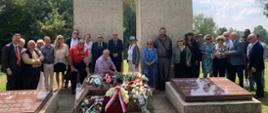
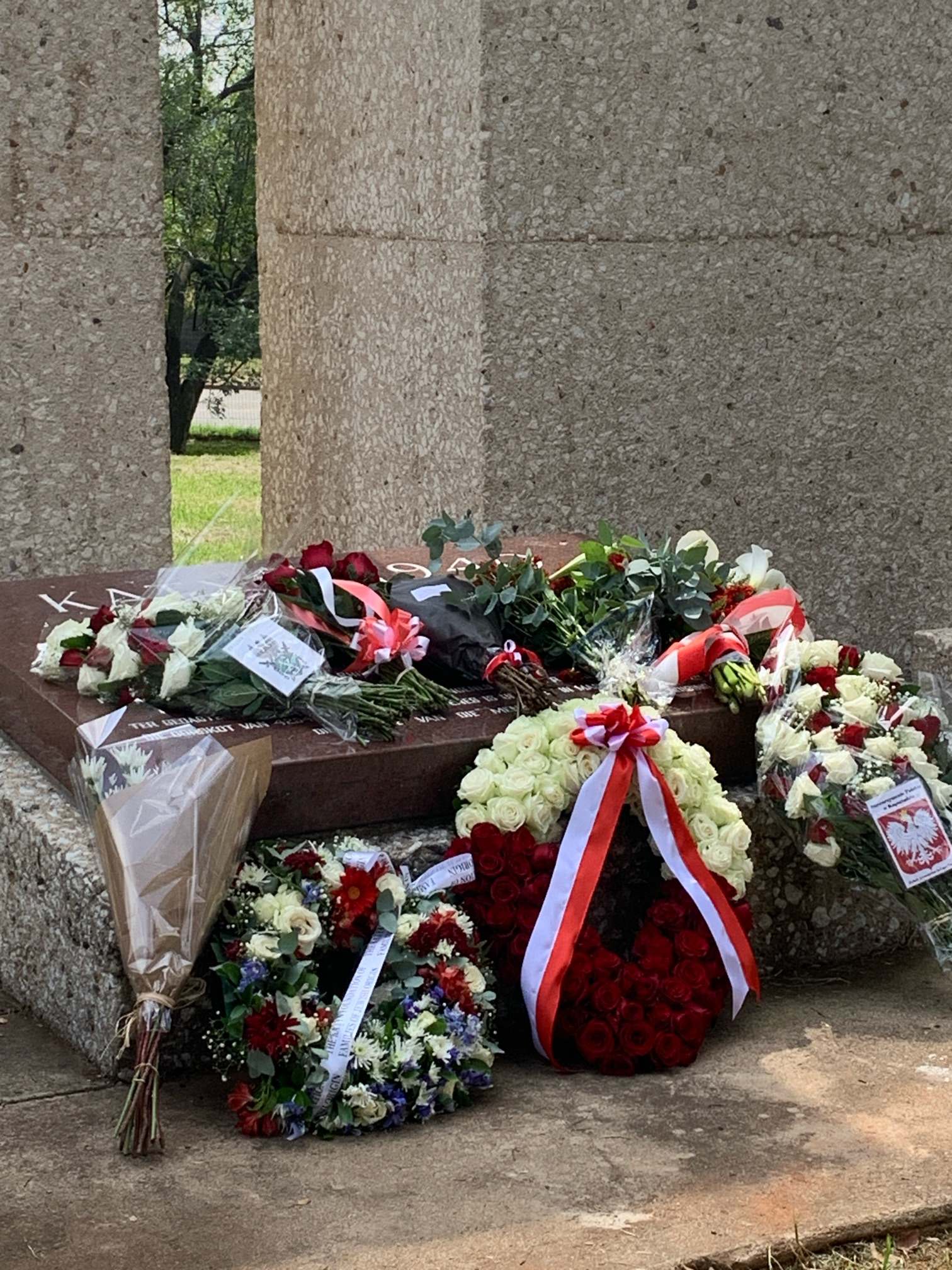
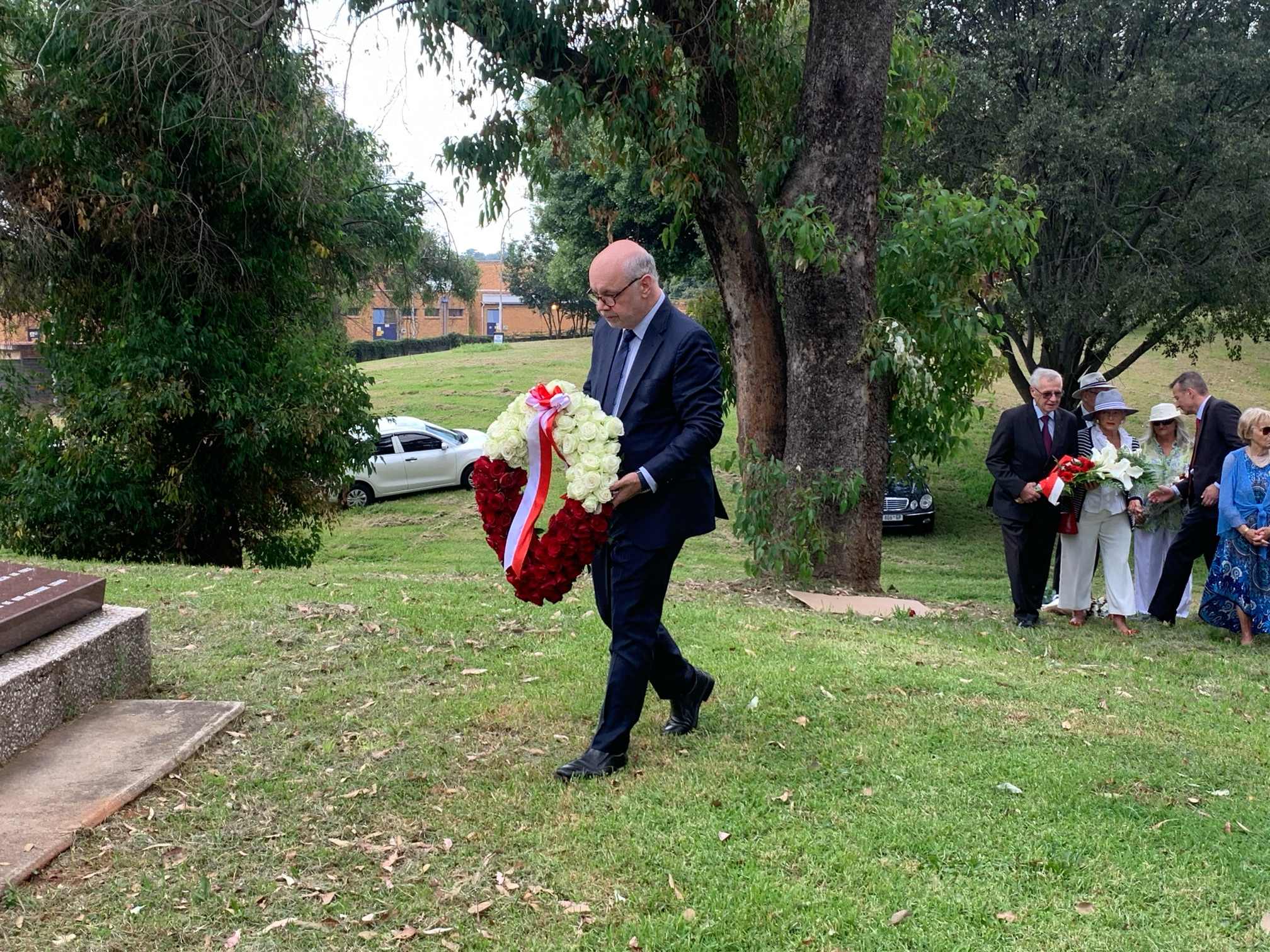
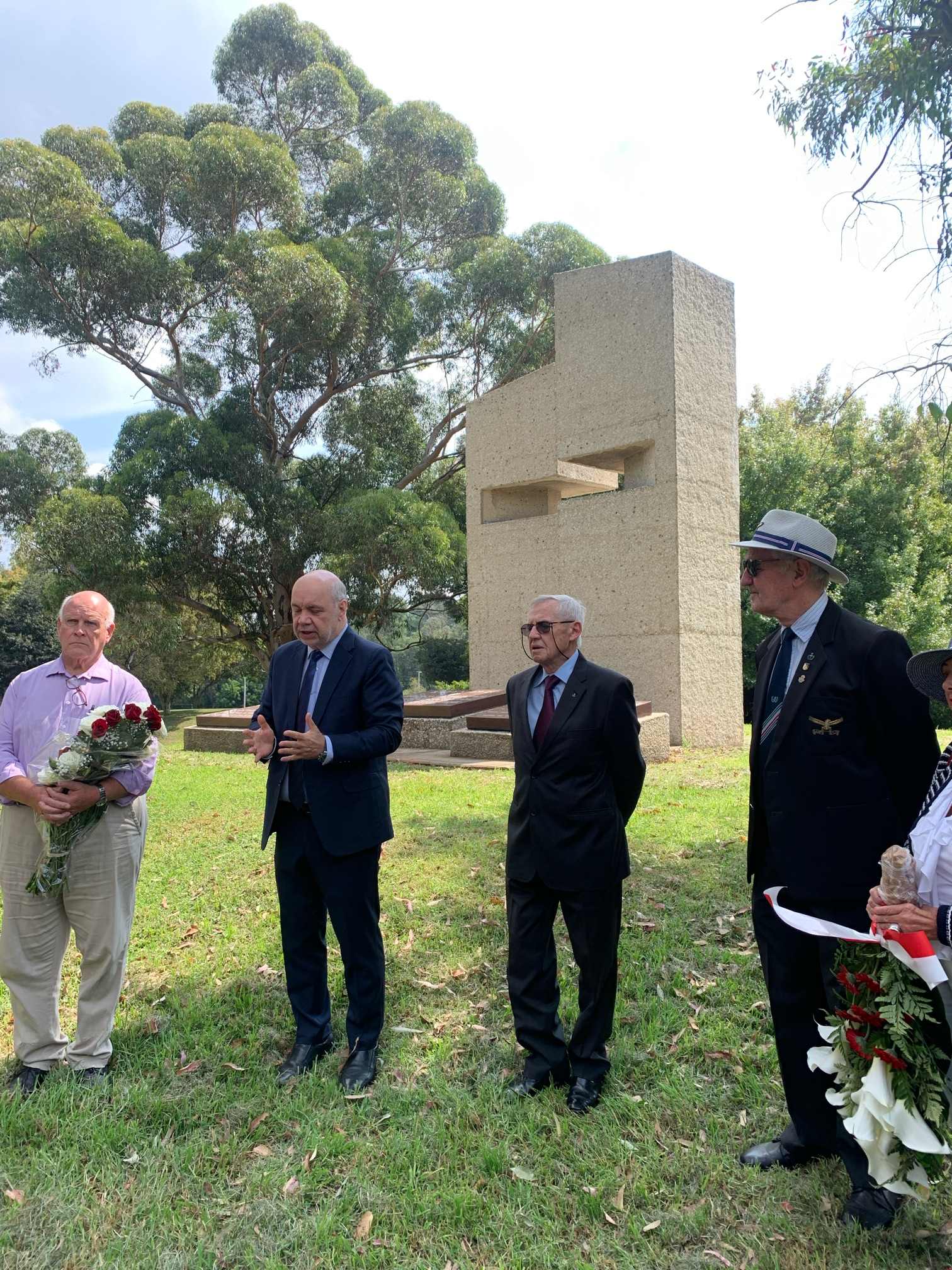
On the occasion of Day of Remembrance for the Victims of the Katyn Massacre, Jacek Chodorowicz, Chargé d'Affaires of the Embassy of the Republic of Poland in Pretoria, laid a wreath at the Katyn Monument in Johannesburg. The ceremony, which took place on April 12, 2026, was also attended by the Polish Consul, Robert Rusiecki, and representatives of Polish diaspora organizations.

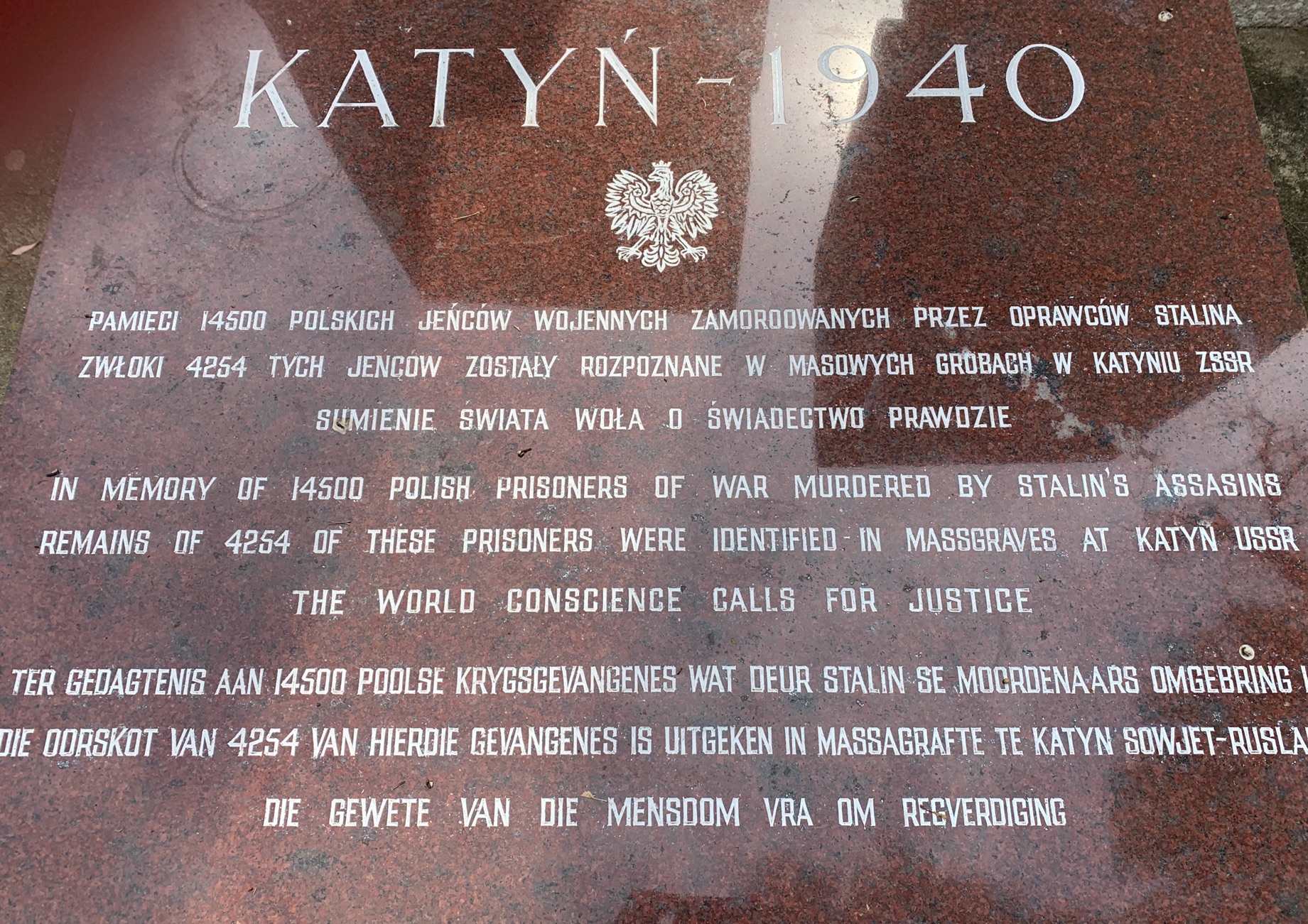
The memory of the 22,000 Polish Army officers, police officers, and officials murdered by the NKVD in 1940 remains vivid among Poles living in South Africa. Representatives of numerous organizations gathered at the Katyn Memorial located in James and Ethel Grey Park on the Melrose Estate in Johannesburg: the Polish Association of Siberian Deportees in Southeast Africa, the Warsaw Flight Committee, the Polish Heritage Foundation, the Polish Union of Johannesburg, the Foundation of Katyn Families of Jewish Origin, and members of the Polish Parish of St. Joseph the Worker.
Participants also paid tribute to the victims of the Smolensk disaster, remembering them on the 16th anniversary of the tragedy.
A Unique Symbol of Remembrance
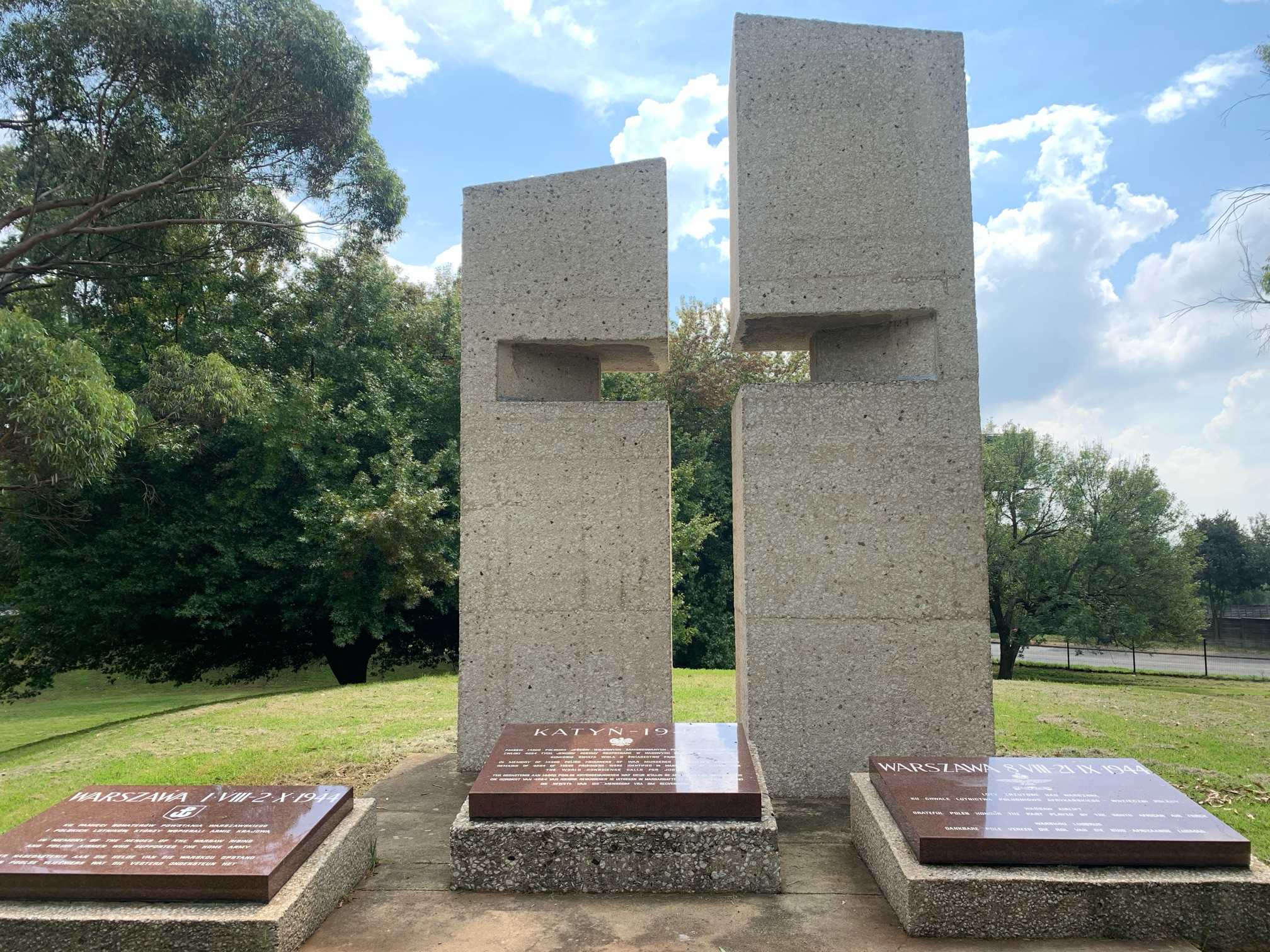
The Katyn Memorial in Johannesburg is the world's first monument commemorating the Katyn Massacre. It is also the most important monument funded by Poles in South Africa. It contributes to building a sense of multicultural heritage and embodies the bonds between the South African and Polish communities.
The structure is made of reinforced, hammered concrete, with three red granite plaques. The sculpture's theme evokes ancient Slavic forms, combined to create an interplay of open and complete spatial forms, creating the image of a nonexistent cross.
The monument was created to commemorate the victims of the Katyn Massacre, executed by the Stalinist regime in 1940. The monument was later expanded to commemorate the Warsaw Air Raids and the Home Army during World War II.
The commemoration of the Katyn Massacre in South Africa began with a simple plaque in 1973. In the following years, the newly formed Katyn Memorial Committee approached the Johannesburg City Council with a request to find a suitable site for its construction.
Professor Stefan Smoleniec was elected chairman of the committee overseeing the planning and construction of the monument. Funds were raised, and the City Parks Department helped secure a site in James and Ethel Gray Park. The designers were of Polish descent: Andrzej Romanowicz and Adam Snopek (architects) and Leonard Rynkiewicz (structural engineer). Bishop Szczepan Wesoły consecrated the completed Monument on May 9, 1981.
In 1981, after the monument's erection, the commemoration of the Warsaw air raids was moved from the Cenotaph in the city center to the Katyn Memorial in Melrose. The ceremony commemorates the Allied supply flights that brought aid to Warsaw, in which 69 South African airmen died.
In 1989, the decision was made to add two stone pulpits with plaques commemorating the sacrifice of the South African airmen and Home Army soldiers. The design for the expansion was prepared by a team of architect Andrzej Romanowicz and structural engineer Karol Gołda. Holes were drilled in the two new pulpits and filled with shell casings from Warsaw and Katyn. The central pulpit (Katyń) contains soil from Katyn; the left pulpit (Home Army) contains soil from the graves of insurgents at Powązki Cemetery; and the right (South African Air Force) – the soil from the Liberator Jack van Eyssen crash site in Michalin near Warsaw. The additional pulpits were blessed by then-Prelate Jan Jaworski on September 8, 1990.
Every year, the Polish diaspora in South Africa gathers several times at the Katyn Monument to commemorate important anniversaries for our nation.
Photos: Consul Robert Rusiecki/Embassy of the Republic of Poland in Pretoria