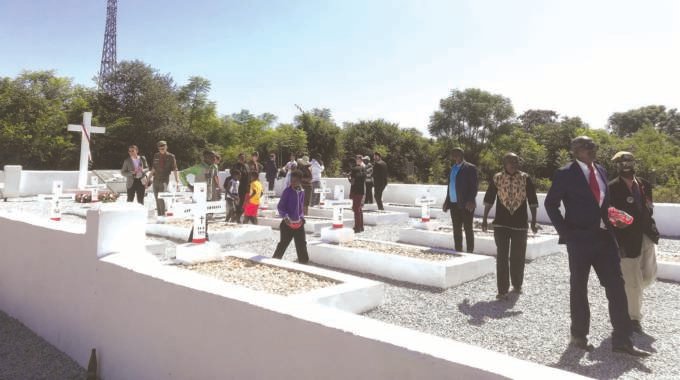
Delegation of the Institute of National Remembrance visits South Africa and Zimbabwe
06.05.2022
On April 25 - May 1, 2022 a delegation from the Institute of National Remembrance (IPN) paid a working visit to South Africa and Zimbabwe. The main purpose of the trip was to promote the flagship project of the Institute - "Trails of Hope. The Odyssey of Freedom” - and the opening of the restored Polish cemetery in Rusape (Zimbabwe).

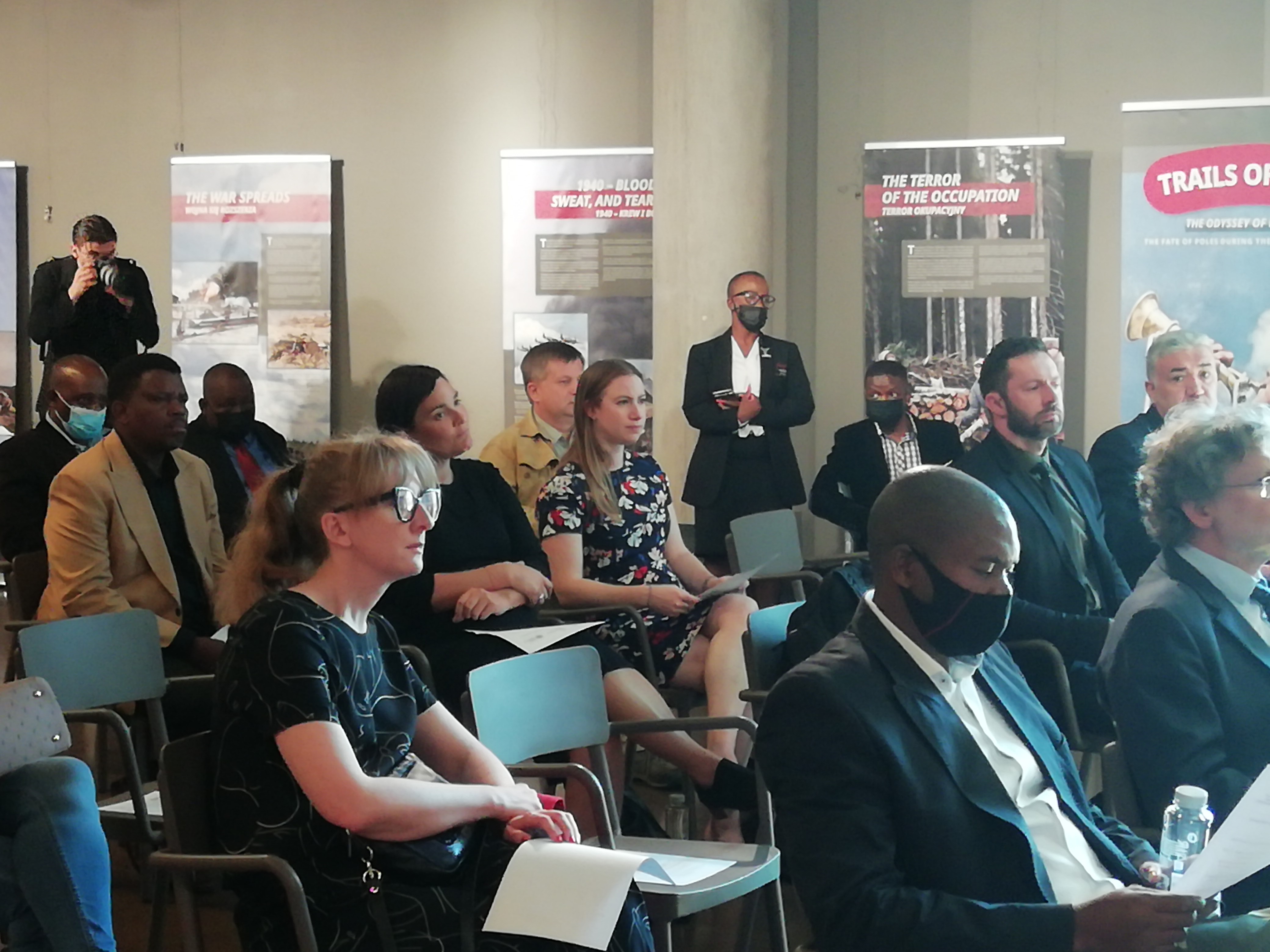
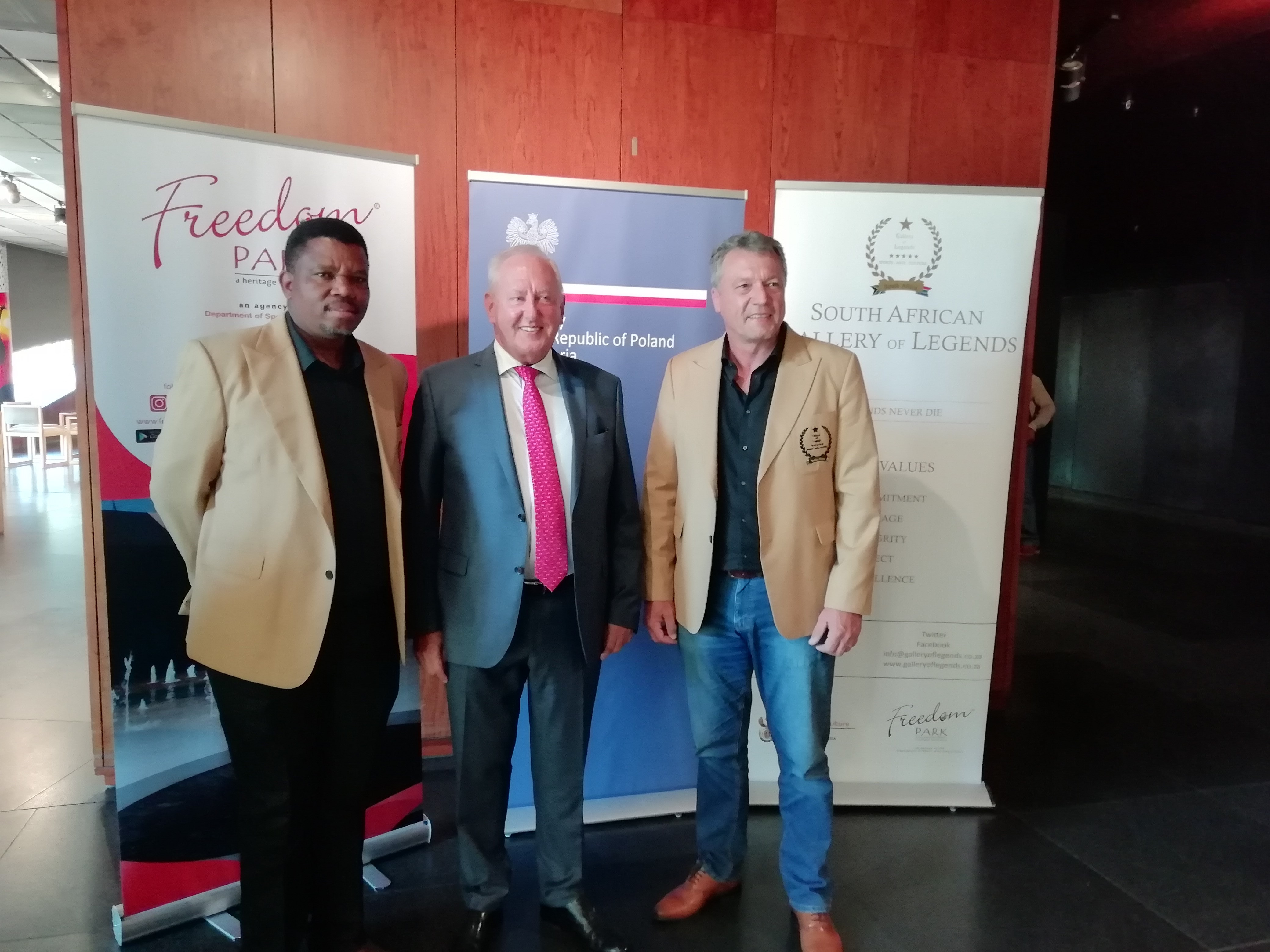
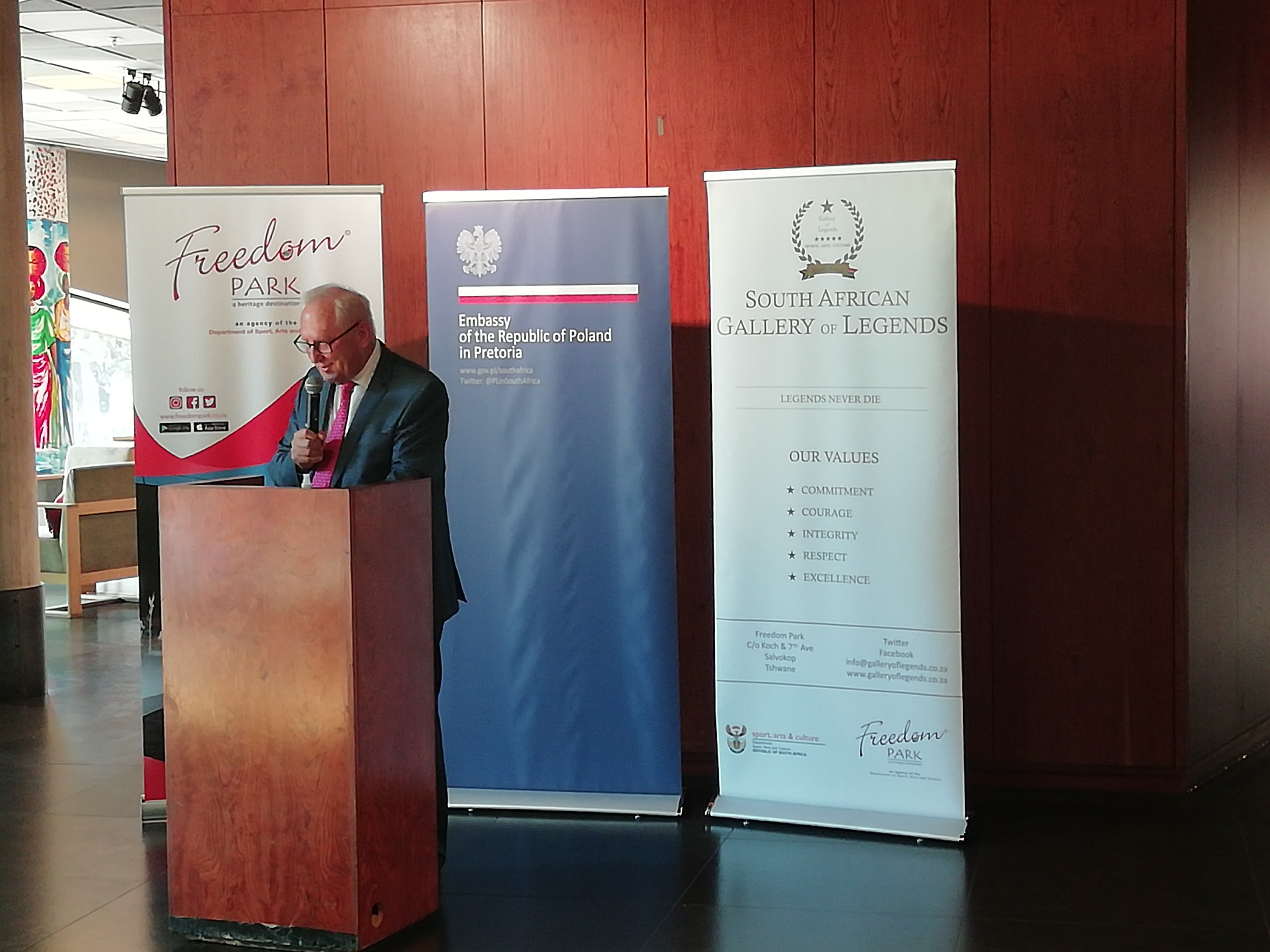
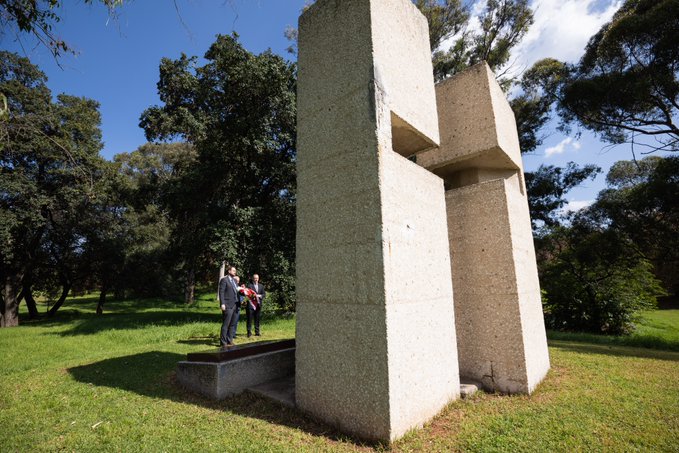
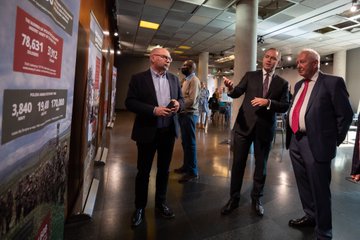
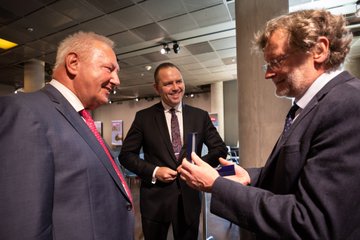
In connection with the 80th anniversary of the beginning of the journey of General Anders' army evacuated from the USSR, the Institute of National Remembrance has launched an international educational and commemorative project entitled “Trails of Hope. The Odyssey of Freedom”, which aims to commemorate the military effort of the Polish Armed Forces during World War II and the fate of civilians evacuated from the USSR with the Anders Army. South Africa is the first country to officially present the exposition. The official opening took place on April 26, 2022 at the "Freedom Park" in Pretoria. The event was attended by the President of the Institute of National Remembrance, Dr Karol Nawrocki, the Polish Ambassador to South Africa Andrzej Kanthak, the Lithuanian Ambassador to South Africa Dainius Junevičius, historians and employees of the museum, and invited guests. On April 27, 2022, the delegation visited the National Museum of Military History in Johannesburg. During the meeting, both institutions discussed cooperation and exchange of experiences in the field of research on the common history of both countries. On April 28, 2022, the President, Karol Nawrocki, officially presented the exhibition "Trails of Hope. The Odyssey of Freedom” at the Polish parish in Norwood in Johannesburg during the meeting with the local Polish community. Before the meeting in the church, Ambassador Andrzej Kanthak, IPN President Karol Nawrocki and Consul Michał Gierwatowski laid wreaths at the Katyn monument in Johannesburg.
During the visit to Johannesburg, the delegation also had the opportunity to visit a crèche run by Polish missionaries from the Congregation of the Sisters Servants of the Blessed Virgin Mary. A few years ago, the centre was supported by the Polish Aid project.
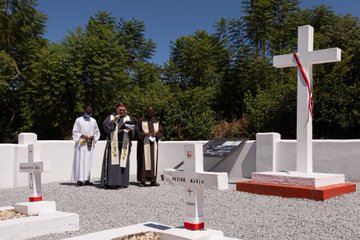
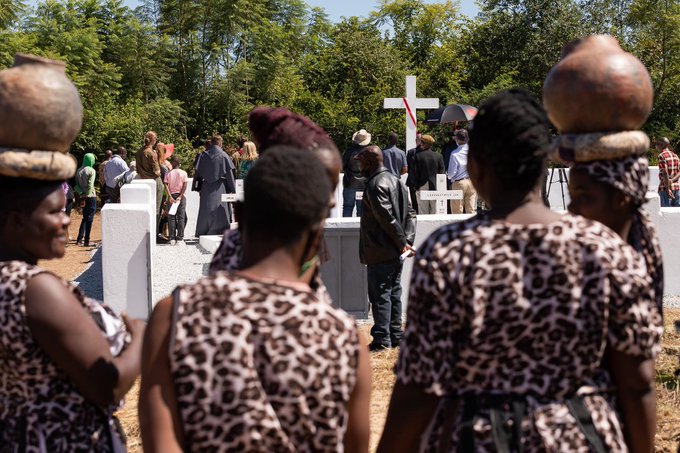
During their stay in Zimbabwe, the Polish delegation took part in the opening ceremony of the cemetery of Polish settlers in what was then Rhodesia, restored as part of the "Scout Africa" project. The project was completed in 2020, but only now, due to the pandemic, it has been officially presented. There are 13 Polish graves at the Rusape cemetery, most of them from 1943. The official ceremonies were attended by representatives of local authorities, scouts and members of the Zimbabwean parliament representing the Makoni district. Almost 100 people took part in the ceremony. The visit to Zimbabwe was also an opportunity for the Institute of National Remembrance to establish cooperation with the State Archives in Harare in terms of access to the archive collections concerning Polish settlers in Rhodesia (now Zimbabwe), which date back to the mid-twentieth century. During the meeting with the Director of this institution, it was agreed to digitize all materials concerning Poland and Poles and the possibility of their later use in historical research and official publications of the Institute of National Remembrance. The visit of the IPN delegation to South Africa and Zimbabwe was met with great interest. The ceremony of the official opening of the Rusape cemetery was covered in the main issue of ZBC news.
The project related to the renovation of the Polish cemetery in Rusape is the first of the planned activities to be carried out in the countries of accreditation of the Embassy of the Republic in Pretoria. This year, renovation works are planned to be carried out at the Polish monument in B'wana Kubwa and at the nearby cemetery. In Harare, during the visit, several Polish monuments were identified at the town cemetery, including tombstone of Ignacy Ziętkiewicz, Consul General of the Republic of Poland from 1949.
Photos: Grażyna Koornhof/Embassy of the Republic of Poland in Pretoria/ Mikołaj Bujak/Instytut Pamięci Narodowej
Photos (13)
 Display photo 2 in the gallery.
 Display photo 3 in the gallery.
 Display photo 4 in the gallery.
 Display photo 5 in the gallery.
 Display photo 6 in the gallery.
 Display photo 7 in the gallery.
 Display photo 8 in the gallery.
 Display photo 9 in the gallery.
 Display photo 10 in the gallery.
 Display photo 11 in the gallery.
 Display photo 12 in the gallery.
 Display photo 13 in the gallery.