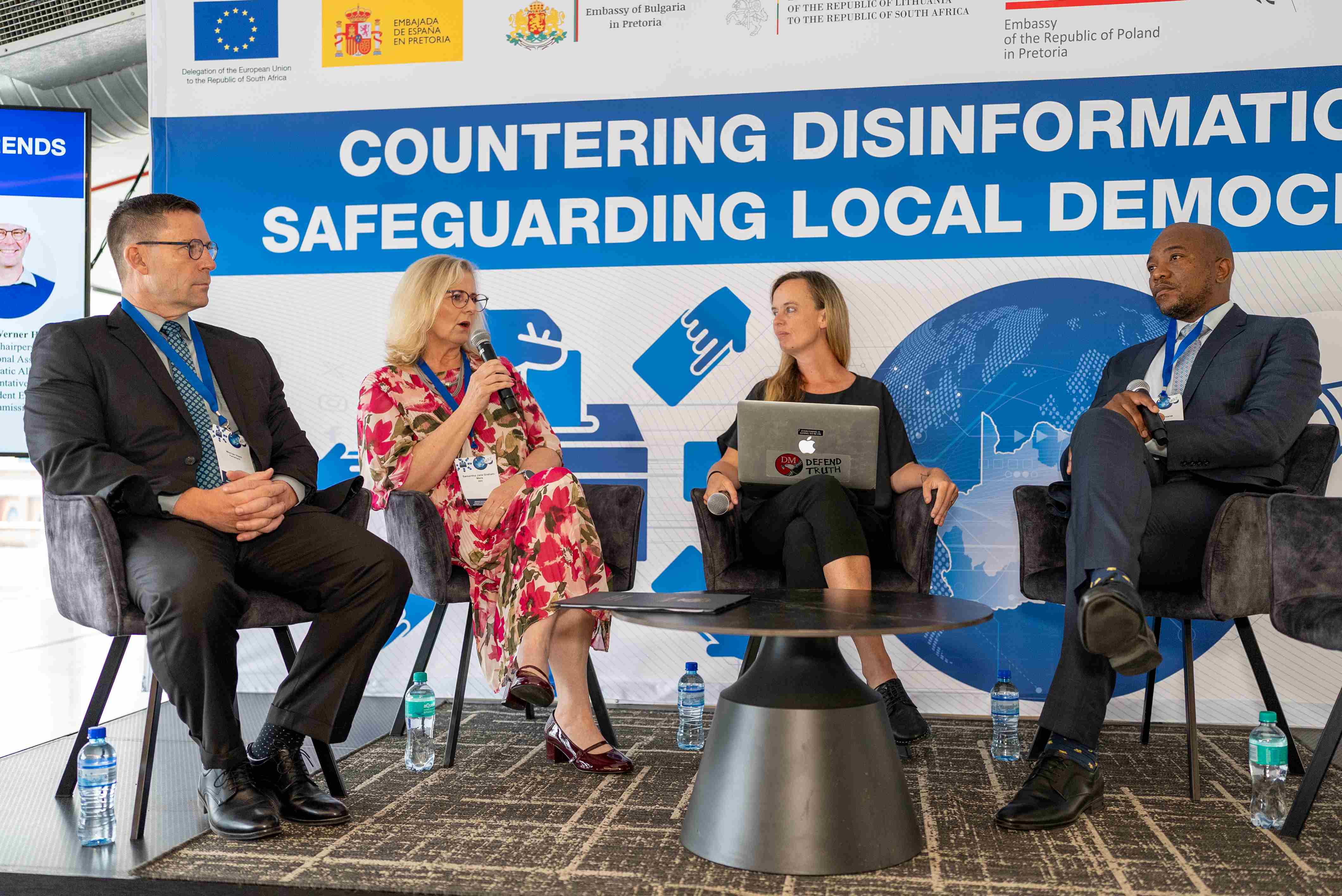
Disinformation Dialogue 2026 in Cape Town with the participation of a Polish expert from PISM (Polish Institute of International Affairs)
18.02.2026
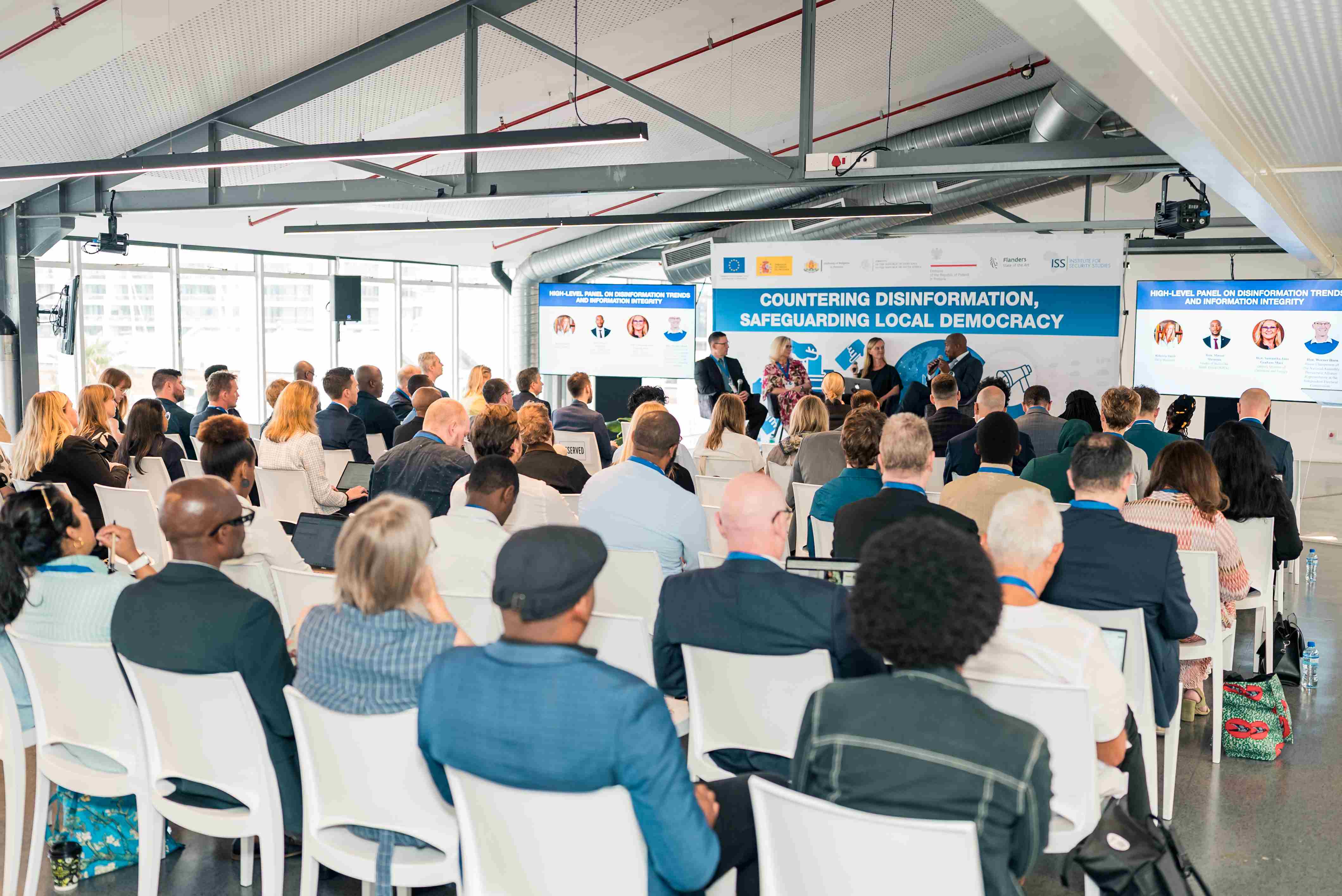
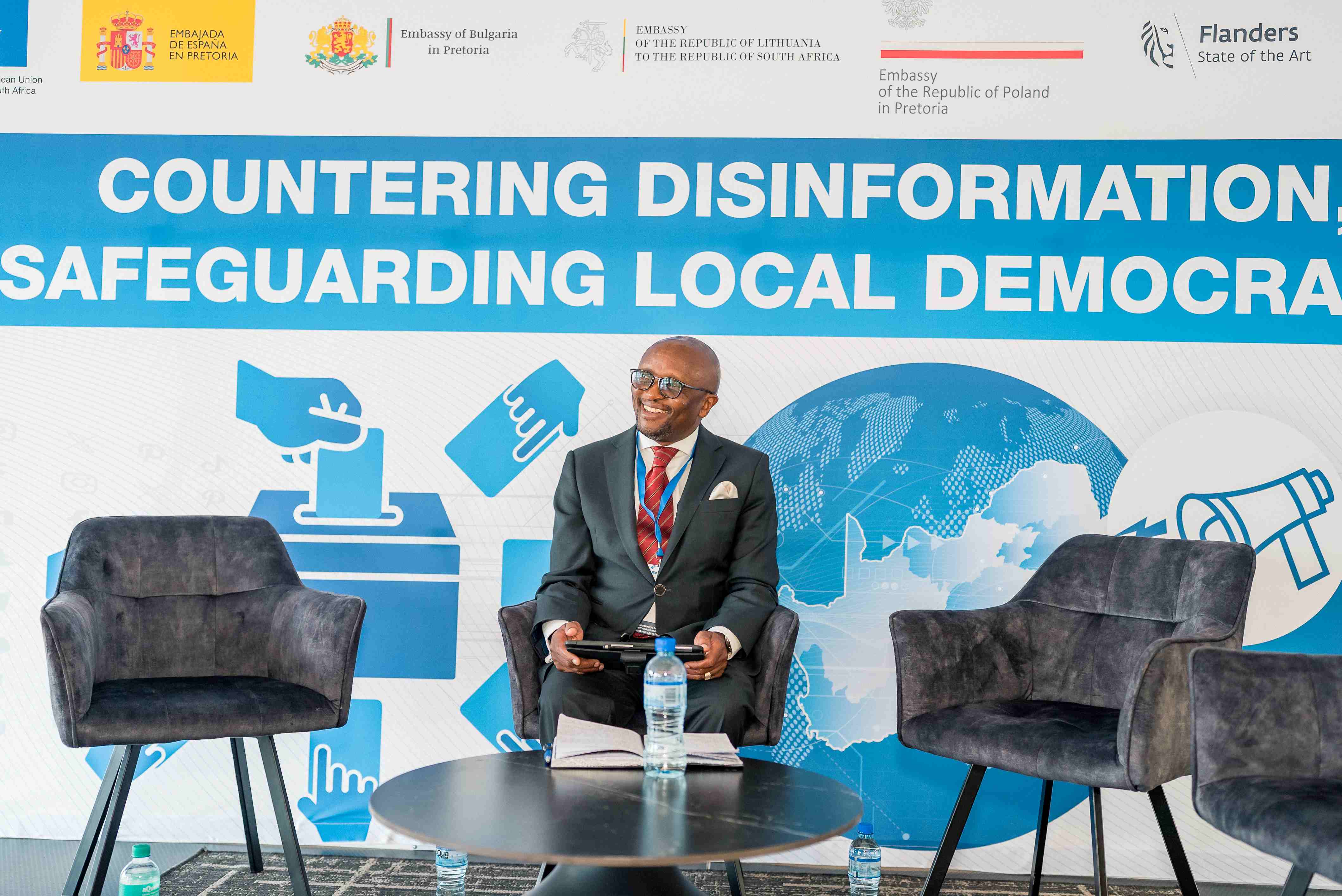
The third edition of the "Disinformation Dialogue" conference took place in Cape Town on 18 February 2026. This year, for the first time, a Polish panelist Dr. Filip Bryjka, an analyst from the Polish Institute of International Affairs (PISM) participated in the event. The main theme of the discussion was "Countering Disinformation. Securing Local Democracy."

Disinformation Dialogue is the most prestigious, recurring event dedicated to disinformation in South Africa. The third edition of the conference in Cape Town was co-organized by the Embassy of the Republic of Poland in Pretoria with the EU Delegation, the diplomatic missions of Belgium (Delegation of Flanders), Bulgaria, Spain, and Lithuania. The local partner was the think tank Institute for Security Studies (ISS).
Given the upcoming local elections in South Africa, the main theme of the discussion was "Countering Disinformation. Securing Local Democracy." Ambassador Sandra Kramer and Dr. Fonteh Akum welcomed the guests. Joanna Kruze represented the Embassy of the Republic of Poland in Pretoria.
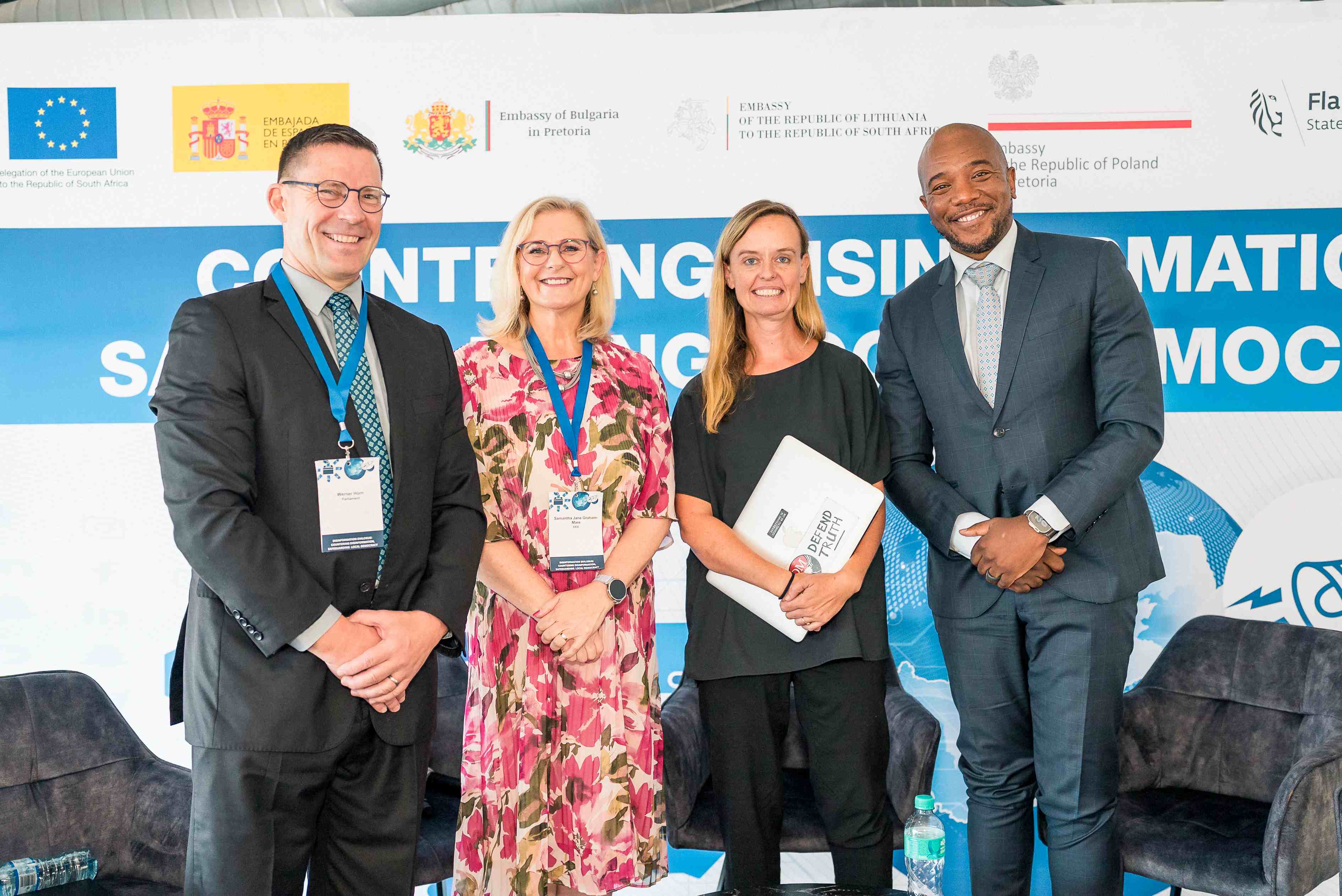
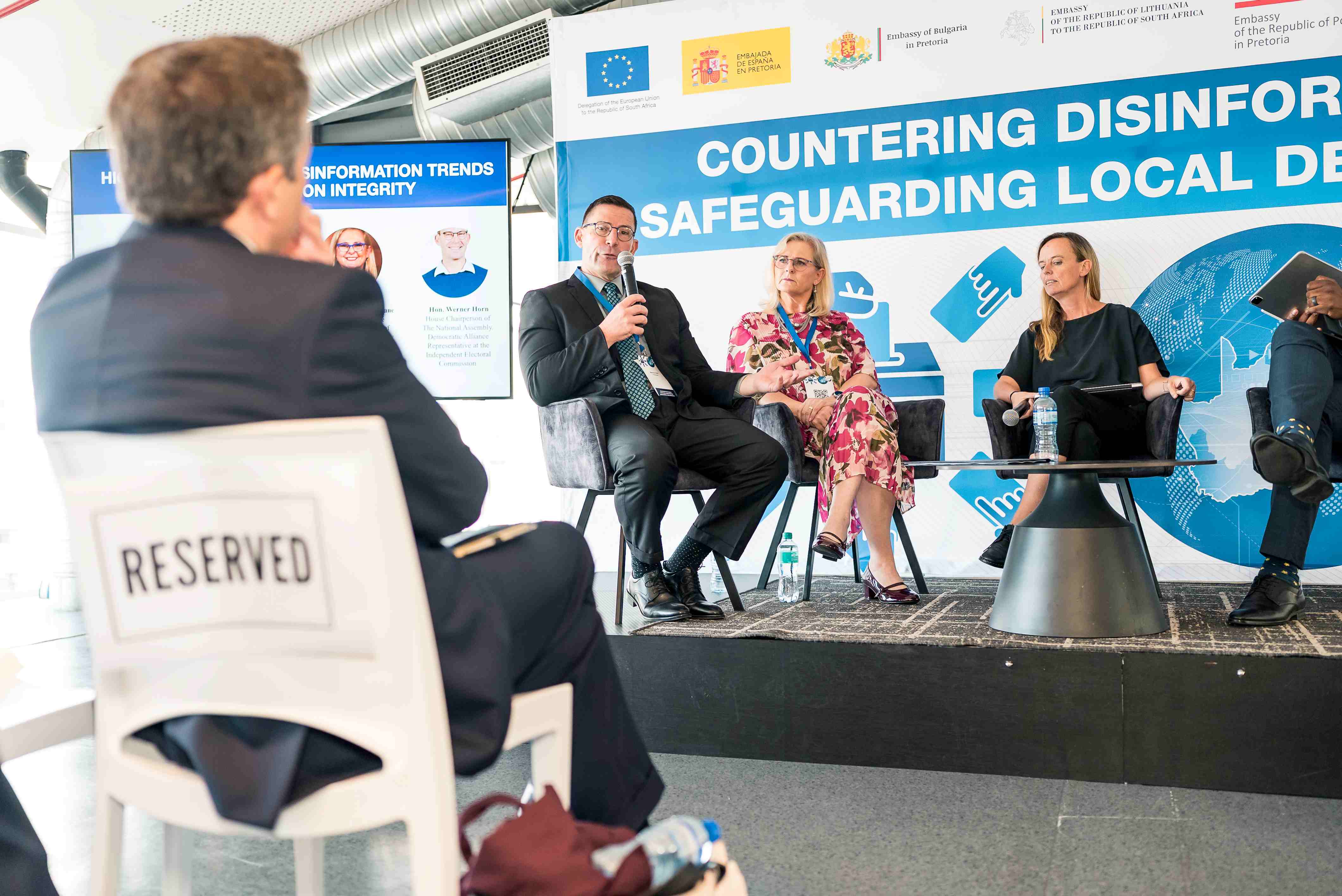
The conference consisted of three panels. During the first panel, Deputy Minister of Energy and Electricity Samantha Jane Graham-Maré, MP Mmusi Maimane, Speaker of the National Assembly Werner Horn and Rebecca Davis of the Daily Maverick discussed the need for appropriate legislation and politicians' direct engagement with voters. The Chairman of the Independent Electoral Commission (IEC), Mosotho Moepya, assured that the IEC recognizes the significant impact disinformation can have on the upcoming local elections and emphasized the importance of ensuring that elections remain fair and equitable despite new technologies (such as deepfakes).
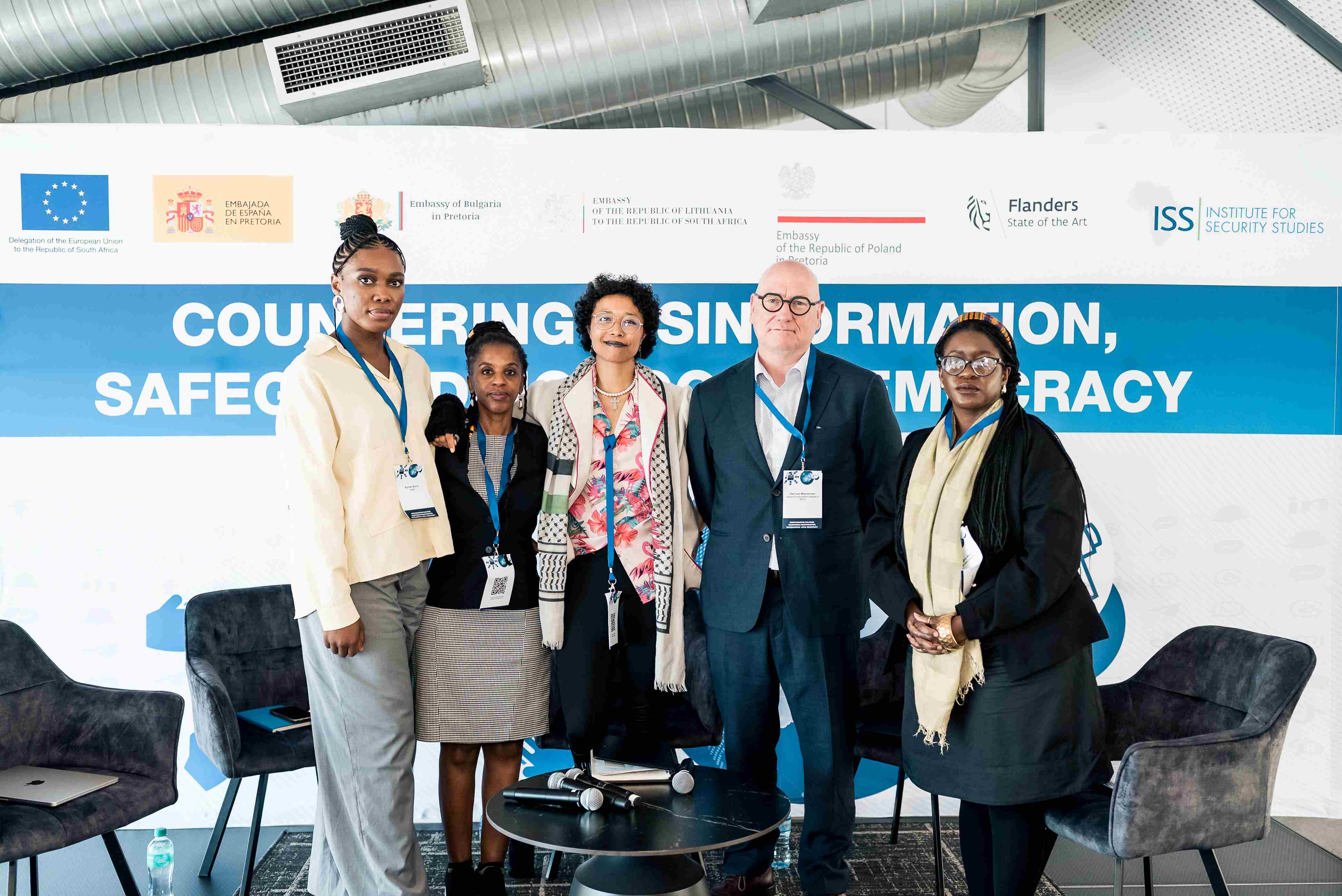
The second panel presented the perspectives of South African academics and the media. Prof. Herman Wasserman from Stellenbosch University, activist Kirsten Poking, SABC journalist Jacqui Hlongwane, and Dr. Shingi Mtero from the Nordic Africa Institute emphasized the importance of educating young people and adults so that voters can distinguish credible information from manipulated information.
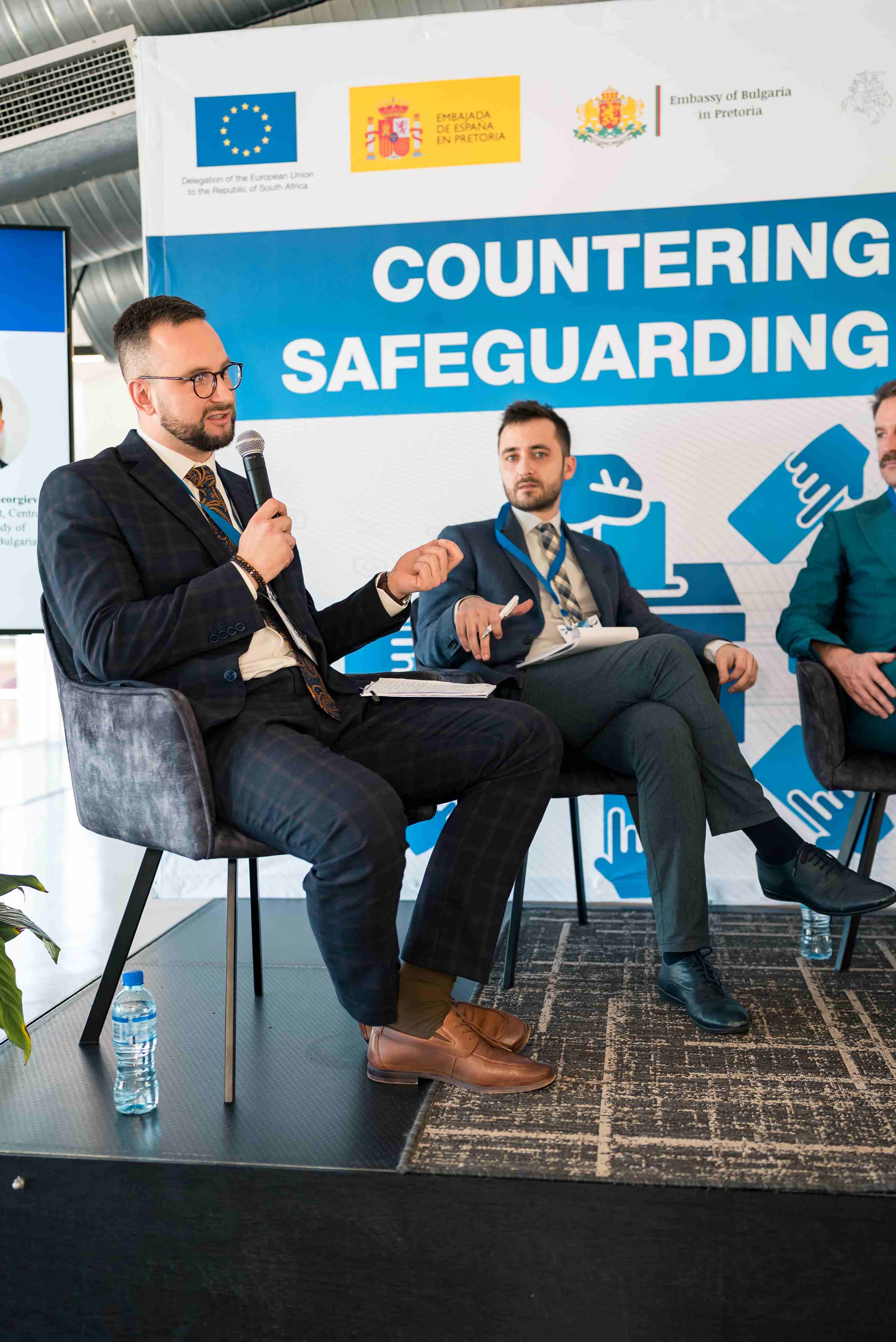
During the third panel, experts from several European countries, including Dr. Filip Bryjka from the Polish Institute of International Relations, Dr. Margarita Šešelgytė from Vilnius University, Jan Jagers from the fact-checking platform deCheckers, and Goran Georgiev, an analyst at the Bulgarian Center for Democracy Studies, presented experiences from our region, responding to questions from Professor Sisanda Nkoala from the University of the Western Cape. It was noted that Russia's hostile actions have increased in intensity, and, for example, in the case of Poland, they have moved from exclusively online activities to kinetic threats (e.g., arson, attacks on infrastructure).
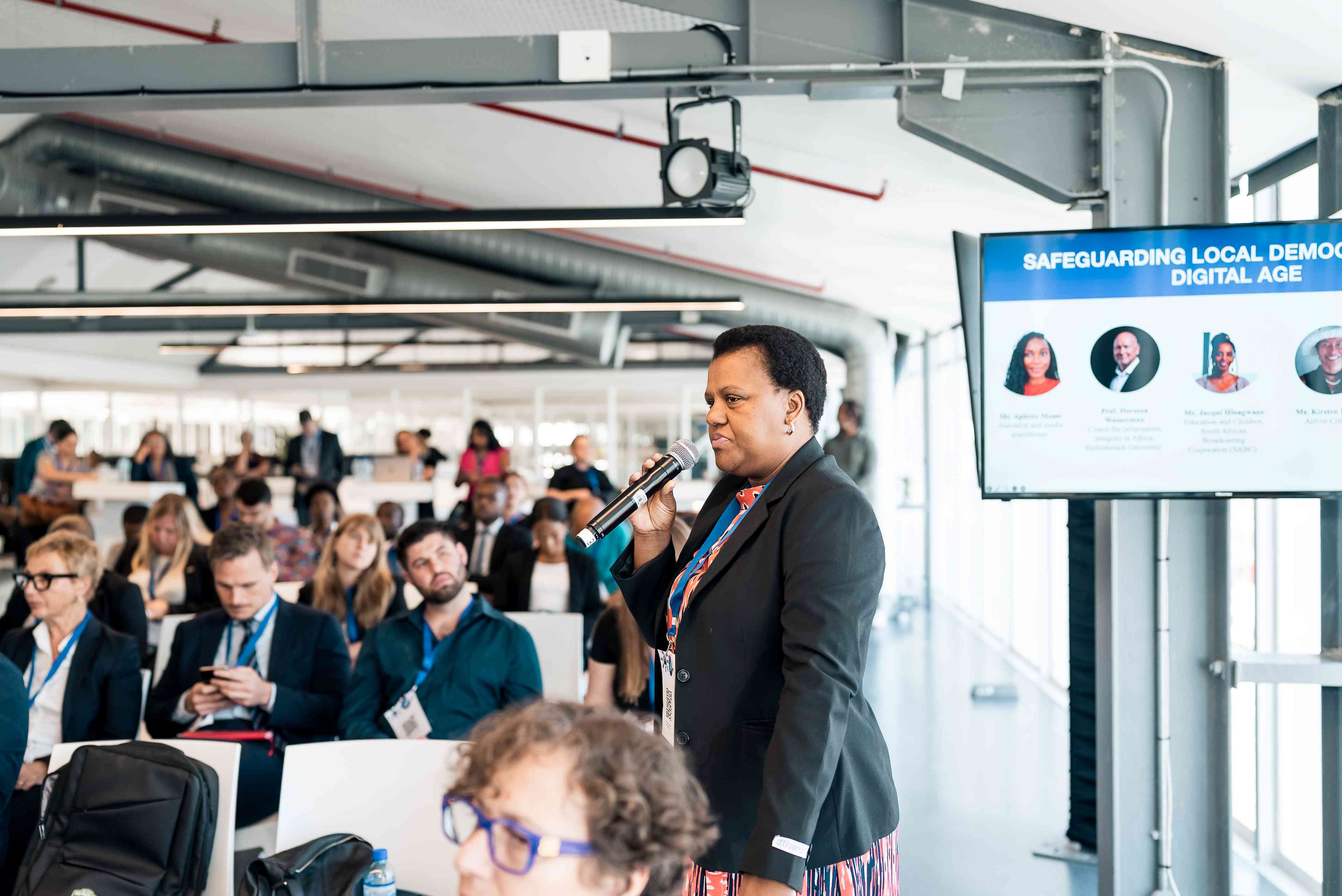
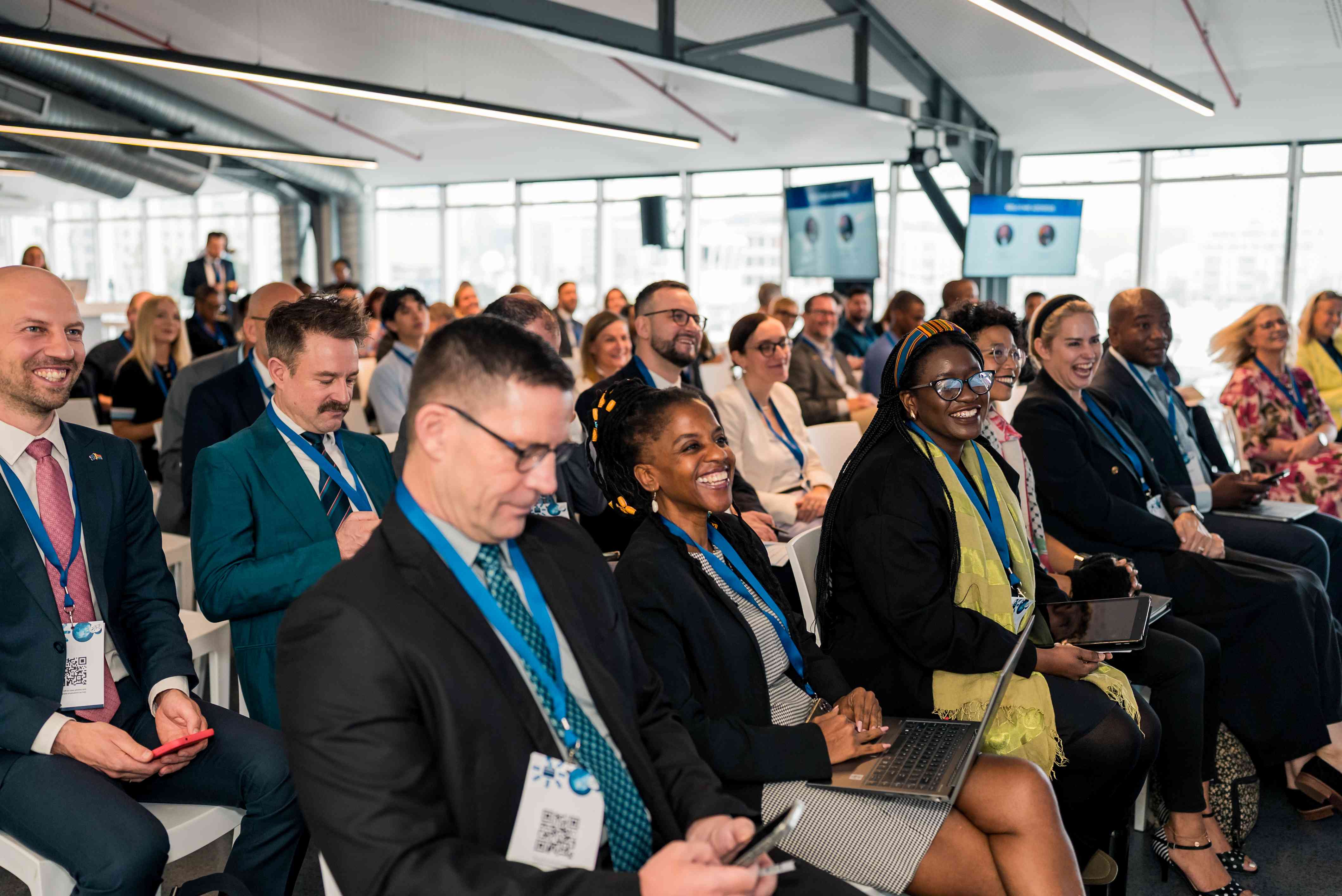
The panelists' discussions were accompanied by questions from the large audience.
Photos: EU Delegation, ISS
Photos (11)
 Display photo 2 in the gallery.
 Display photo 3 in the gallery.
 Display photo 4 in the gallery.
 Display photo 5 in the gallery.
 Display photo 6 in the gallery.
 Display photo 7 in the gallery.
 Display photo 8 in the gallery.
 Display photo 9 in the gallery.
 Display photo 10 in the gallery.
 Display photo 11 in the gallery.