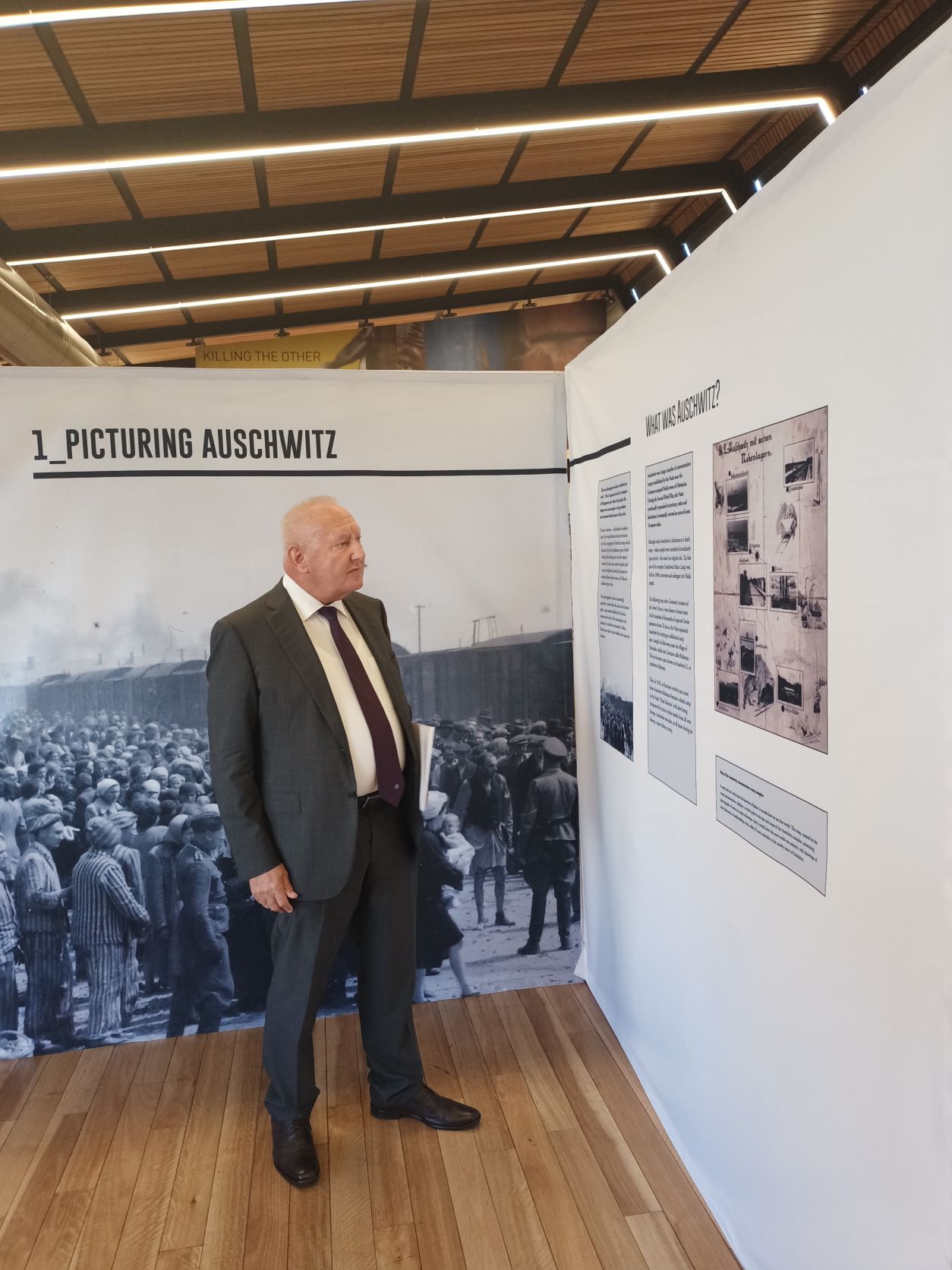
Opening of the Exhibition "Seeing Auschwitz" in Johannesburg
13.11.2022
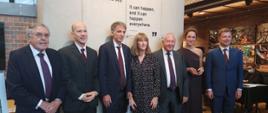
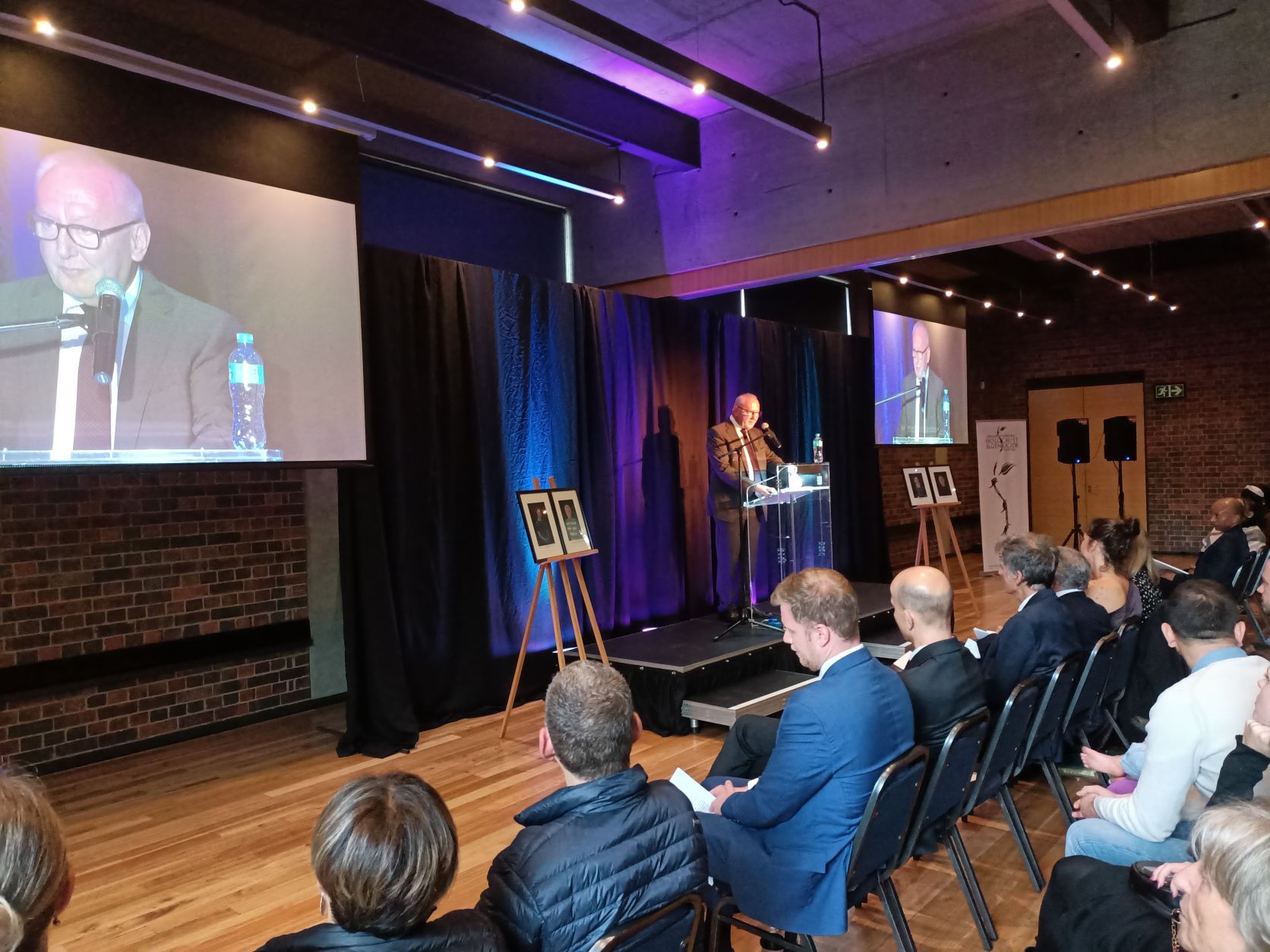
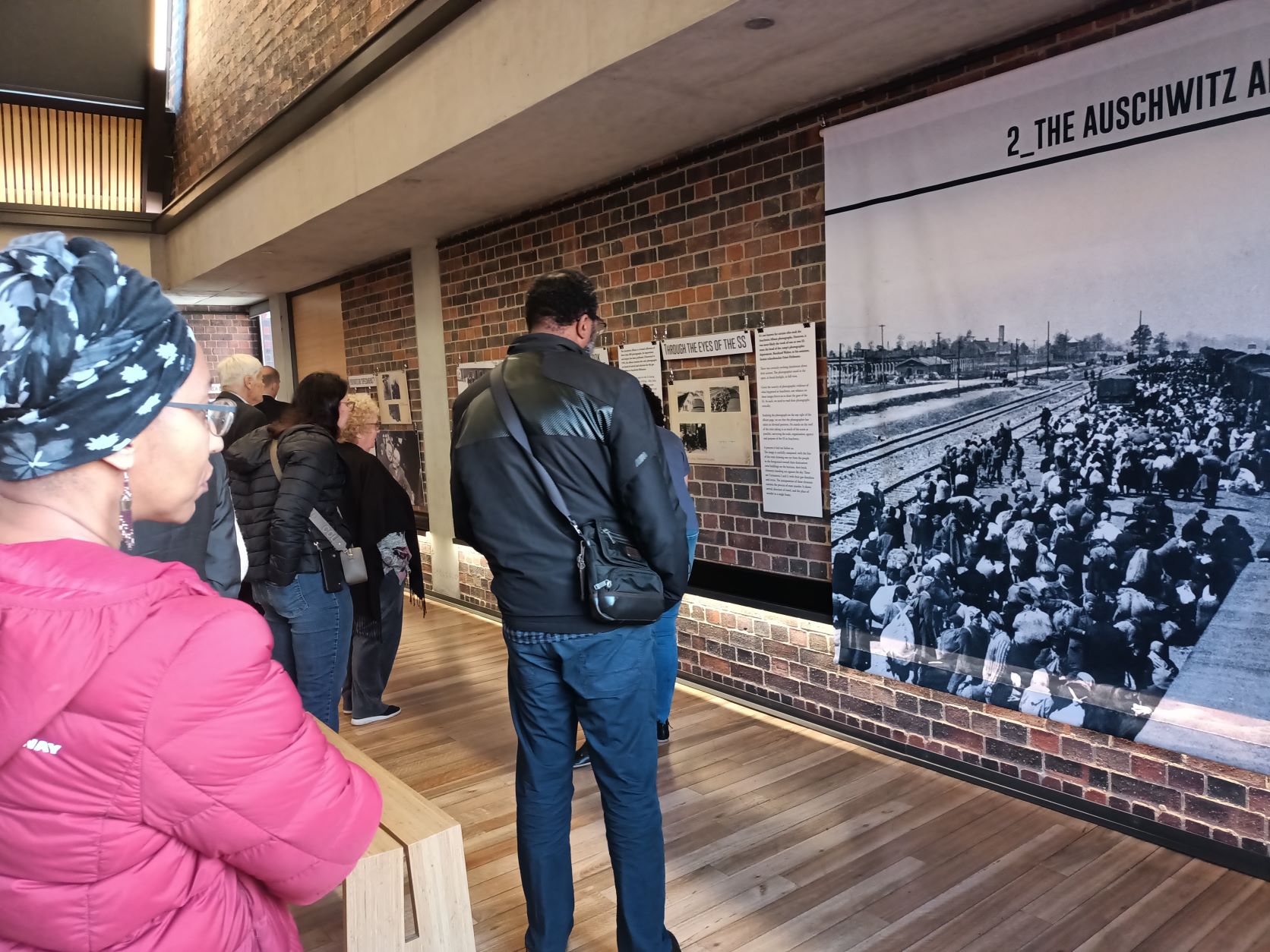
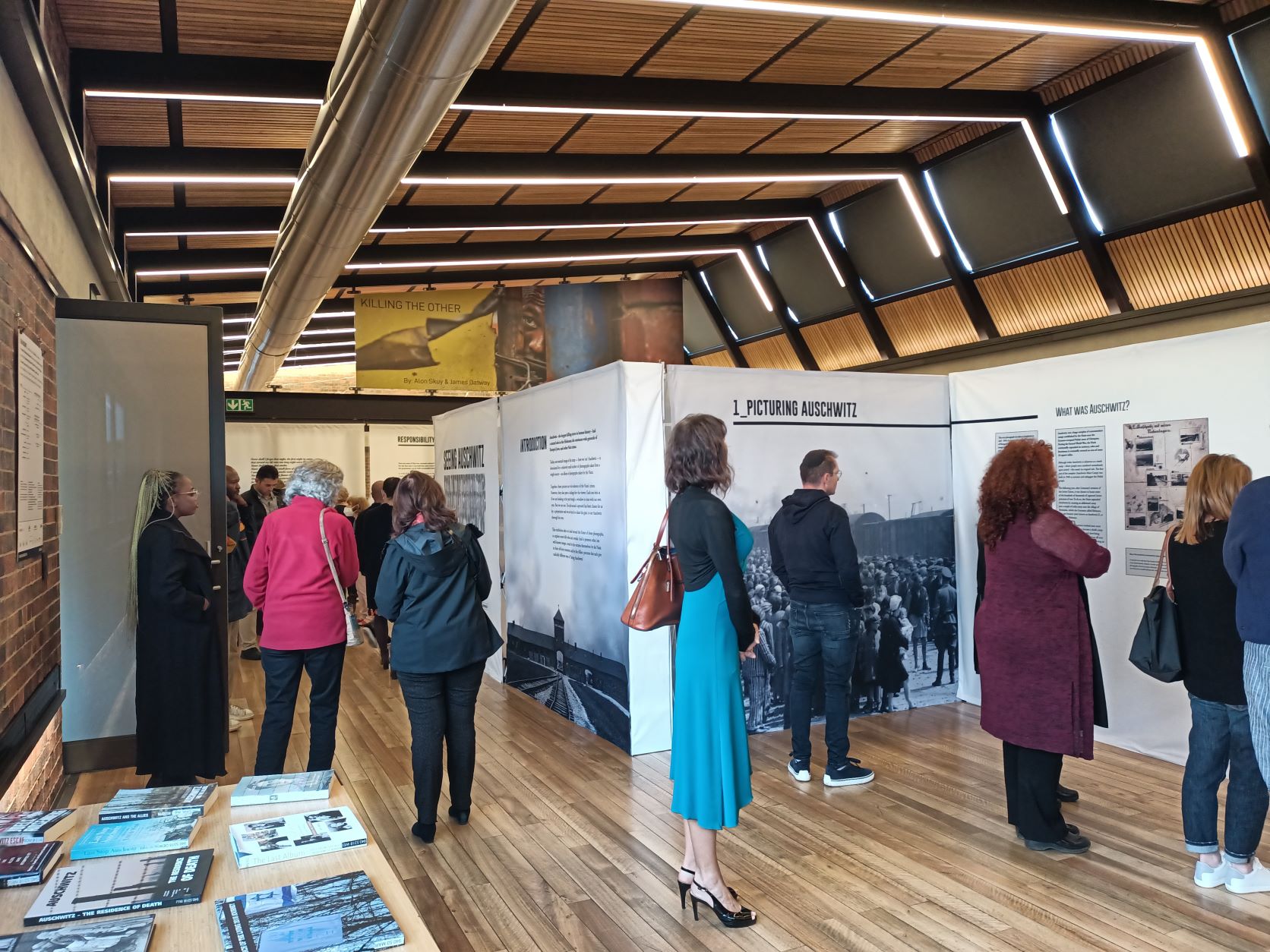
The "Seeing Auschwitz" exhibition was officially opened on Sunday, November 13, 2022, at the Johannesburg Holocaust and Genocide Centre (JH&GC). The exhibition was organized on the initiative of JH&GC in cooperation with the Embassy of Germany, the Embassy of Israel, the Embassy of Austria, the Embassy of the Republic of Poland in Pretoria and the Rosa Luxemburg Foundation.

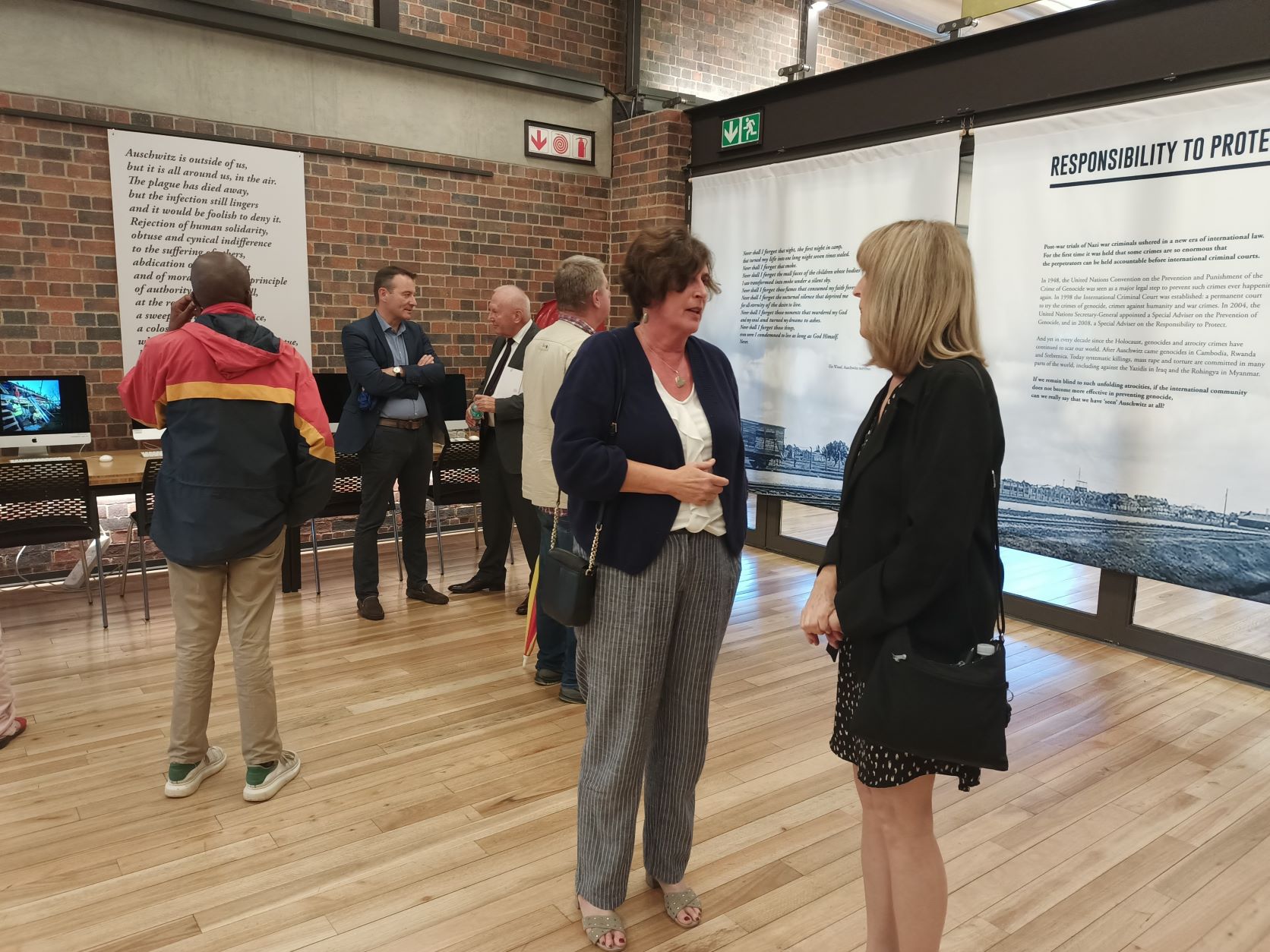
The event was moderated by Mduduzi Ntuli, occasional speeches were delivered by Israeli Ambassador Eli Belotsercovsky, German Ambassador Andreas Peschke, Polish Ambassador Andrzej Kanthak, Austrian Deputy Ambassador Oliver Gruenbacher, JH&GC chairman Michael Katz, film producer and director of the "March of Remembrance and Hope" organization in Austria, Iris Singer, and JH&GC founder and director Tali Nates. The speakers referred to both the tragic balance of World War II and the genesis of the Auschwitz concentration camp, the largest extermination center in the history of mankind, the tragic fate of the convicts, but also wondered about the source of the Holocaust, and what attitudes led to mass genocide. Attempts were made to find out what caused the seemingly normal people to commit a mass crime? Concern was also expressed that resurgent anti-Semitism, stereotypes, prejudices and hate speech could lead to another Holocaust. The war in Ukraine and the mass genocides committed by Russian soldiers in Ukraine were mentioned.
Ambassador Andrzej Kanthak spoke about the increasingly frequent tendencies of Holocaust denial and the distortion of the historical truth about this event. The Ambassador drew the attention of the event participants to the harmful and painful trends for the attribution of responsibility for crimes committed during the Second World War to Poland. One of their manifestations is the definition of concentration camps established by Nazi Germany in occupied Poland during World War II as "Polish death camps" - wrong codes of memory and the need to combat them.
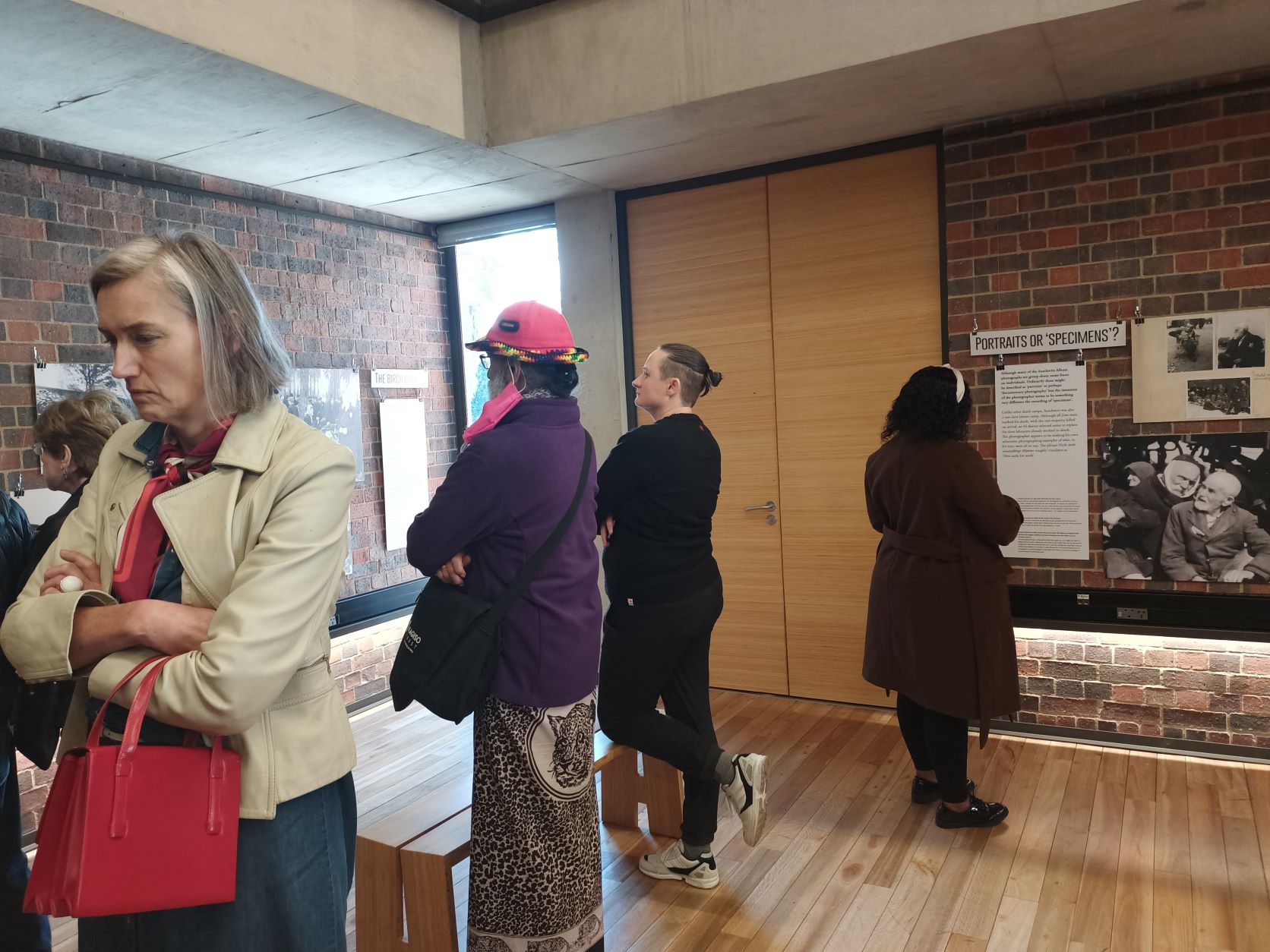
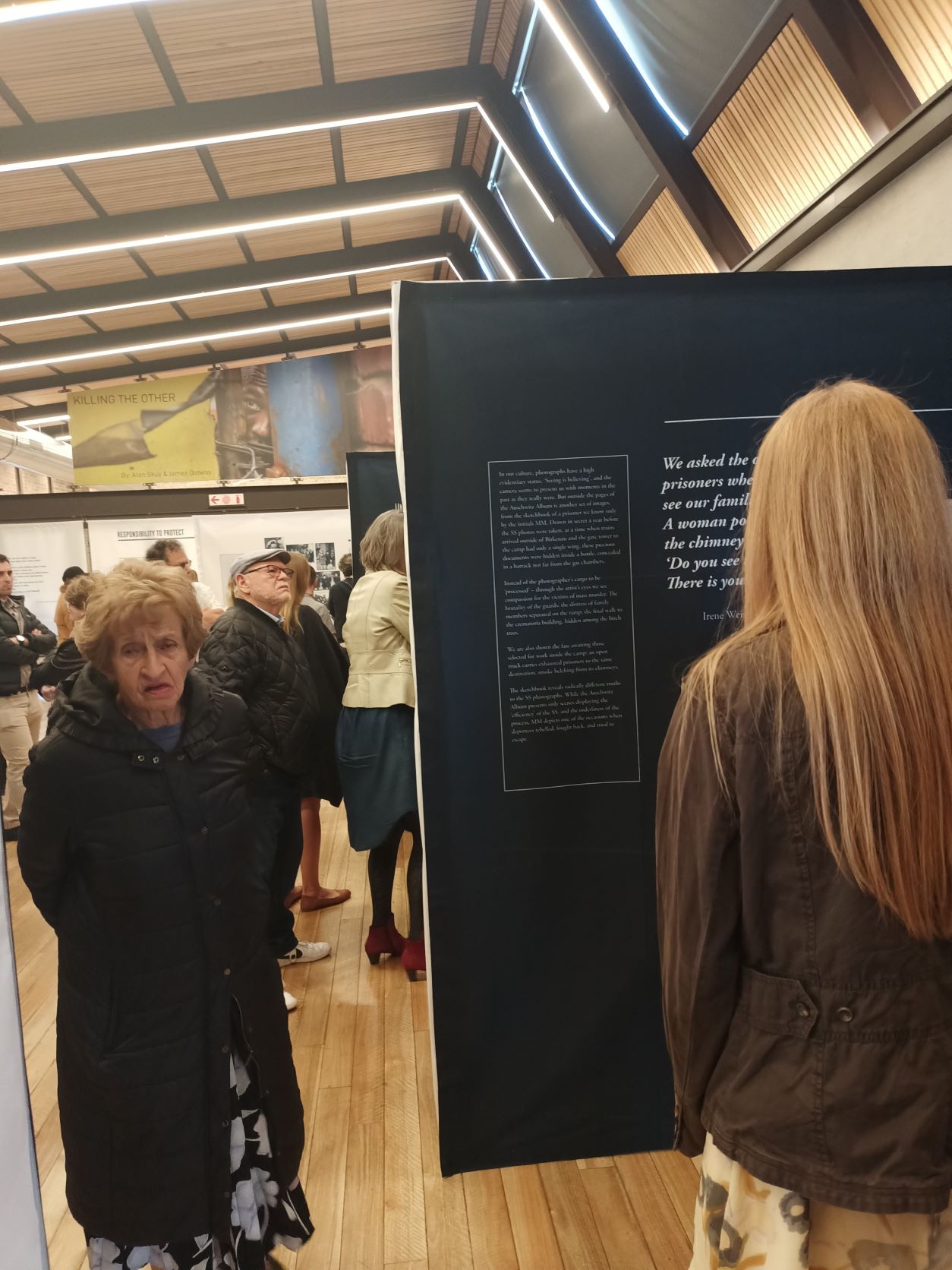
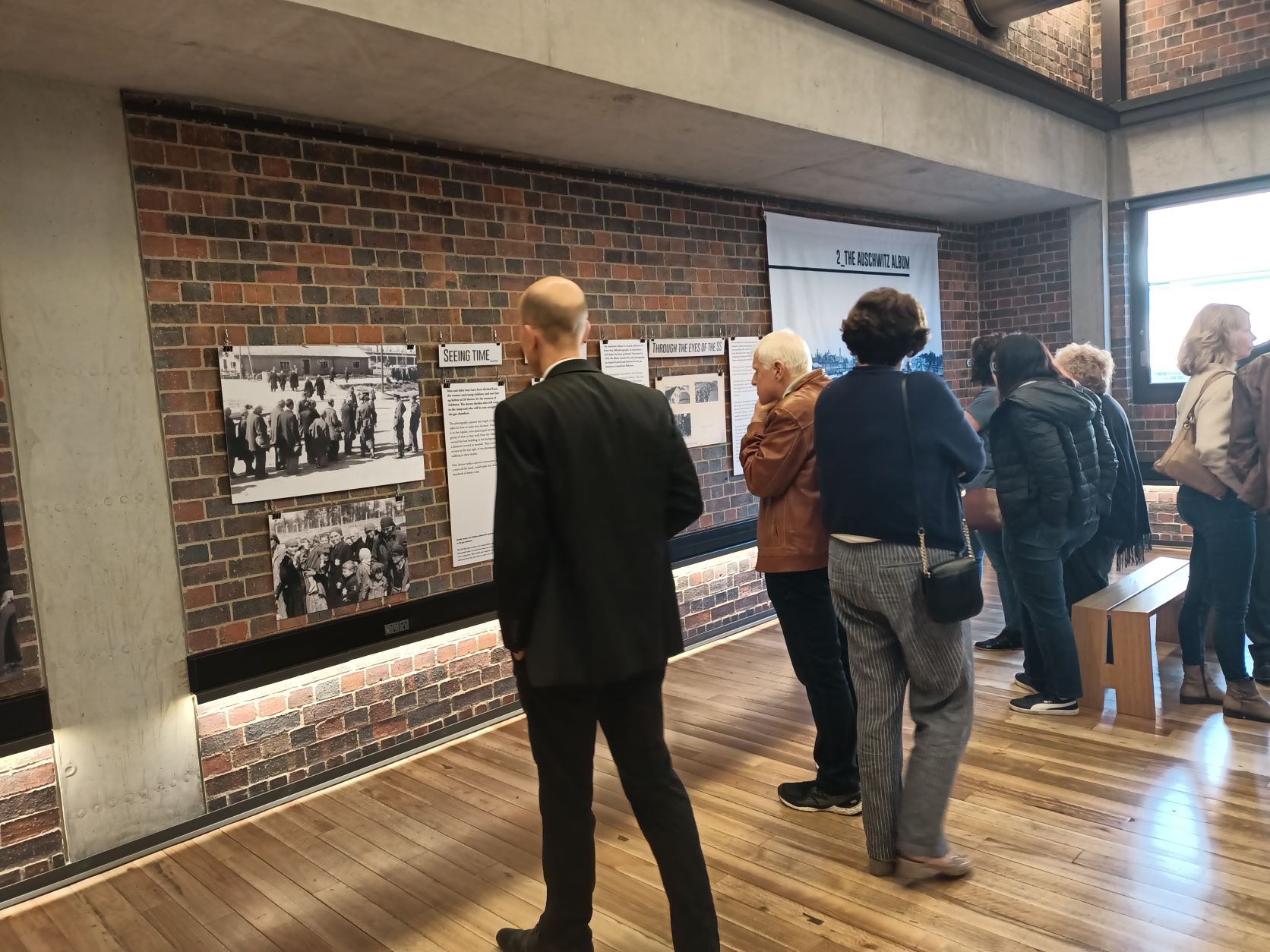
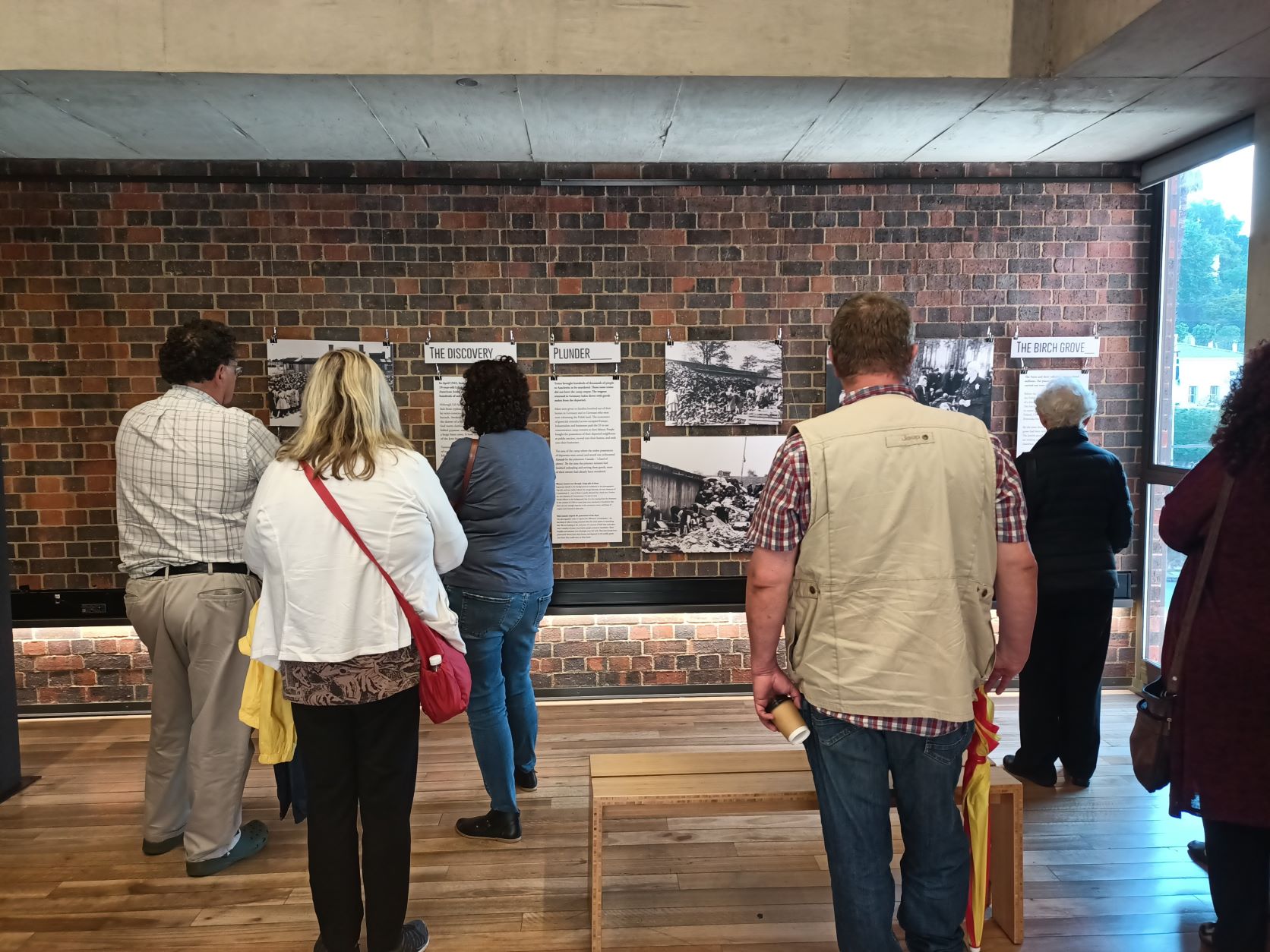
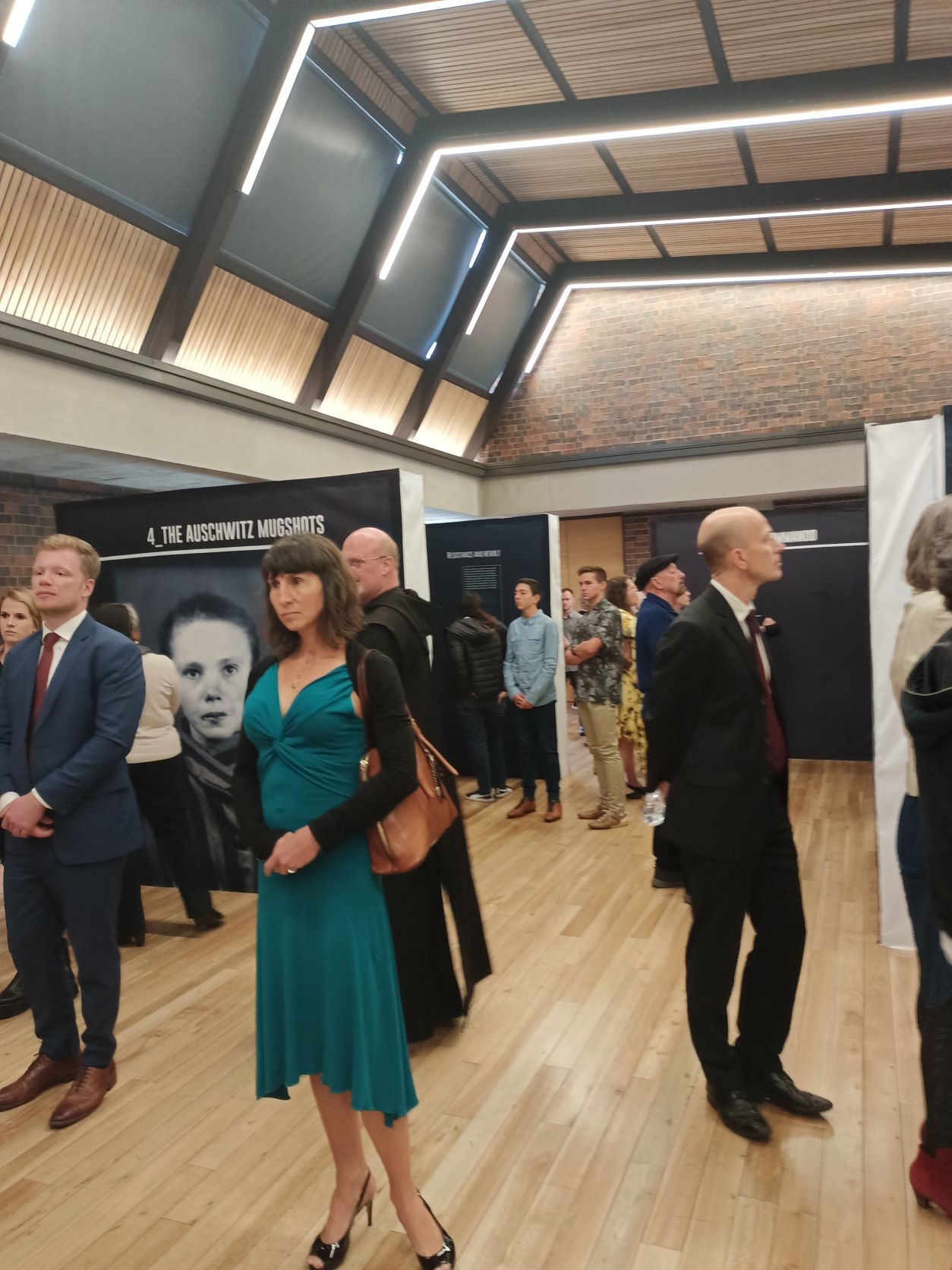
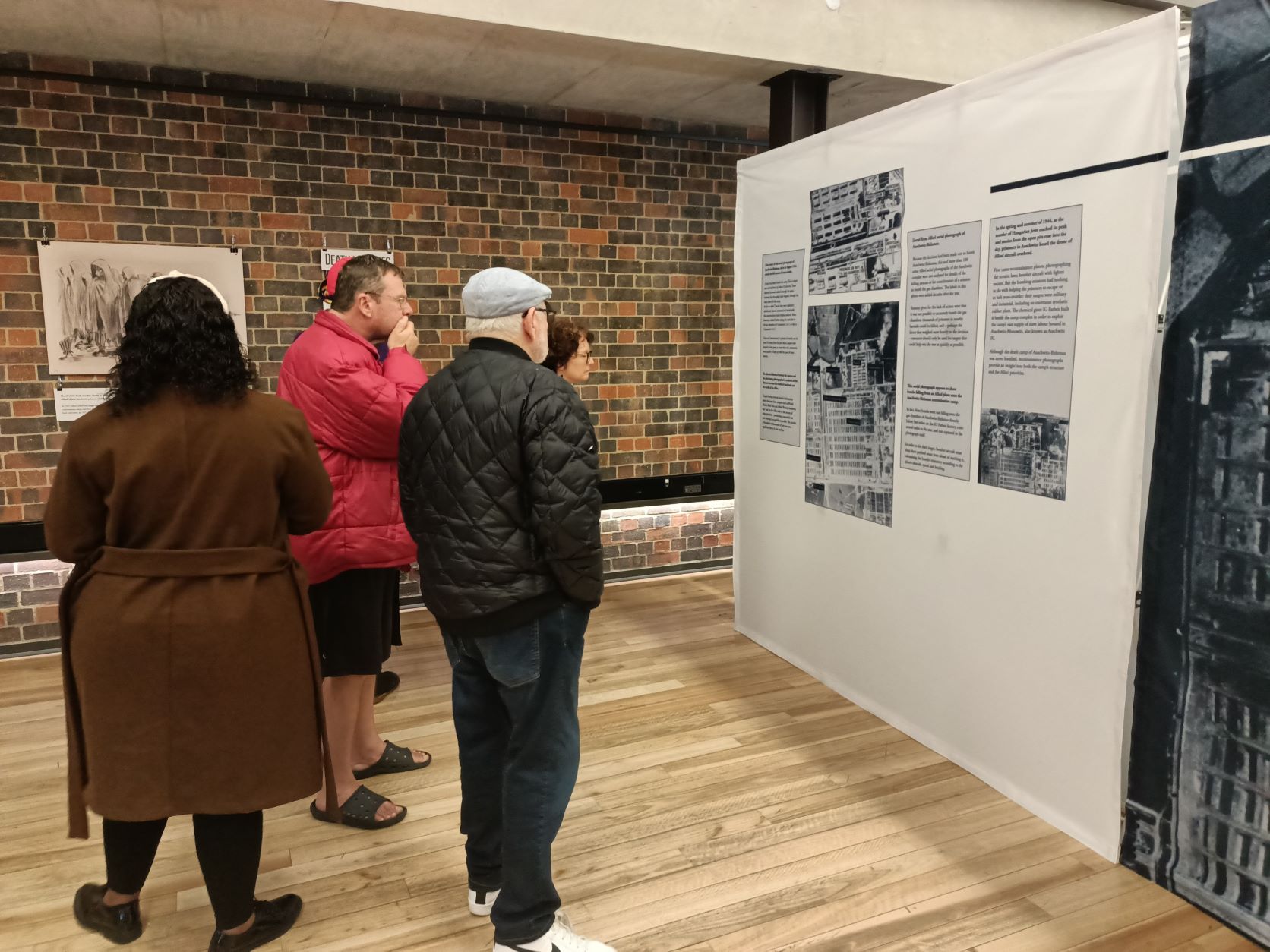
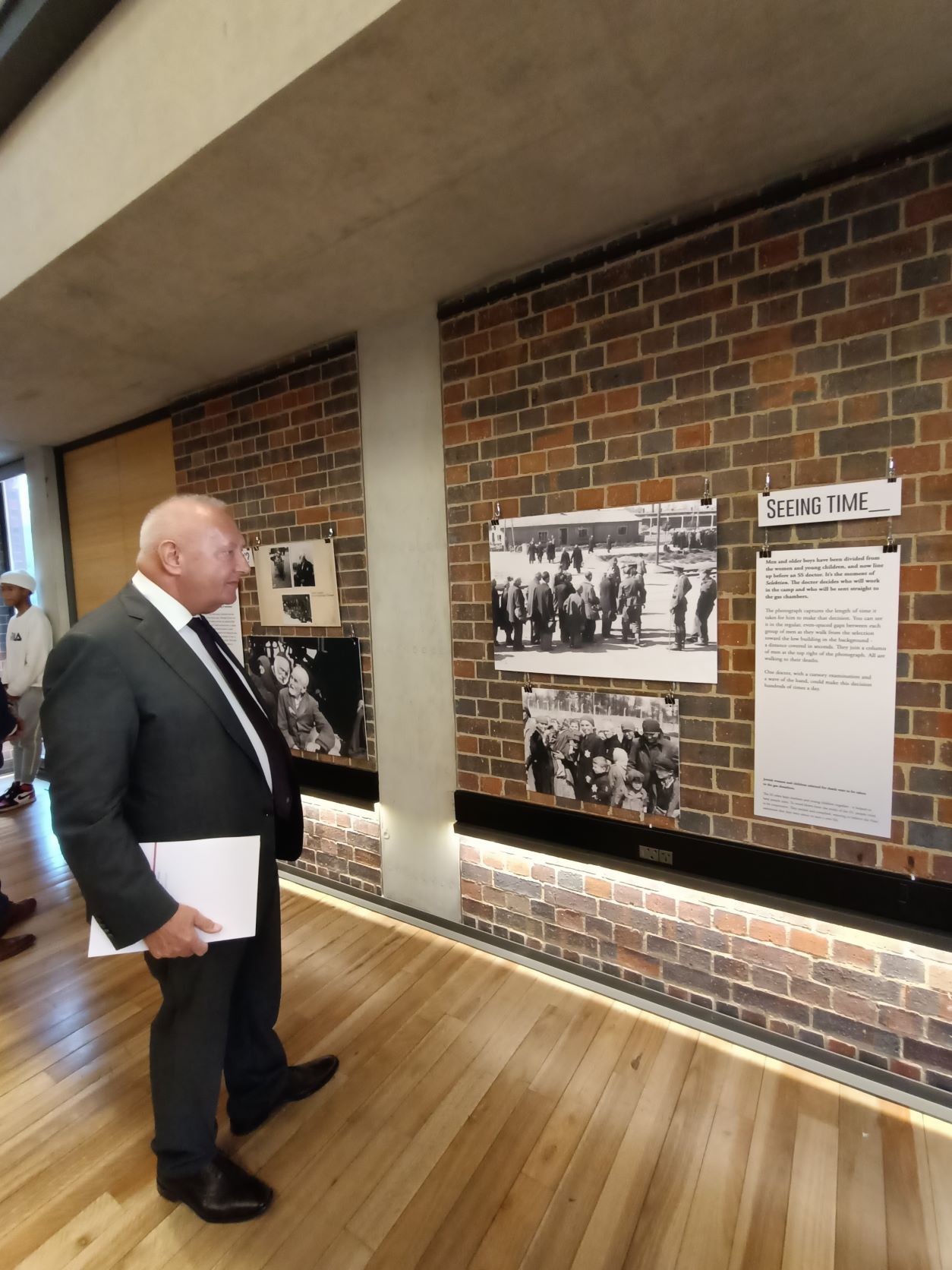
The exhibition "Seeing Auschwitz" was created by the Spanish company Musealia together with the Auschwitz-Birkenau State Museum in Poland, the United Nations, UNESCO and the Centro Sefarad-Israel organization. The exhibition presents a collection of over 100 unique photographs taken by torturers and liberators, drawings of victims and survivors and testimonies of survivors, each of which sheds light on the people and scenes that took place behind the wires and walls of KL Auschwitz, providing unwavering photographic evidence of the crimes committed during the Holocaust.
The huge collection of photos comes from a variety of sources, including aerial photos of the camps, many of which were taken by the South African Air Force's 60th Squadron, one of the leading photographic units operating in Europe during World War II. The exhibition also includes documentation of the deportation process and "everyday life" in Auschwitz, as well as an insight into life before the war and before imprisonment in concentration camps.
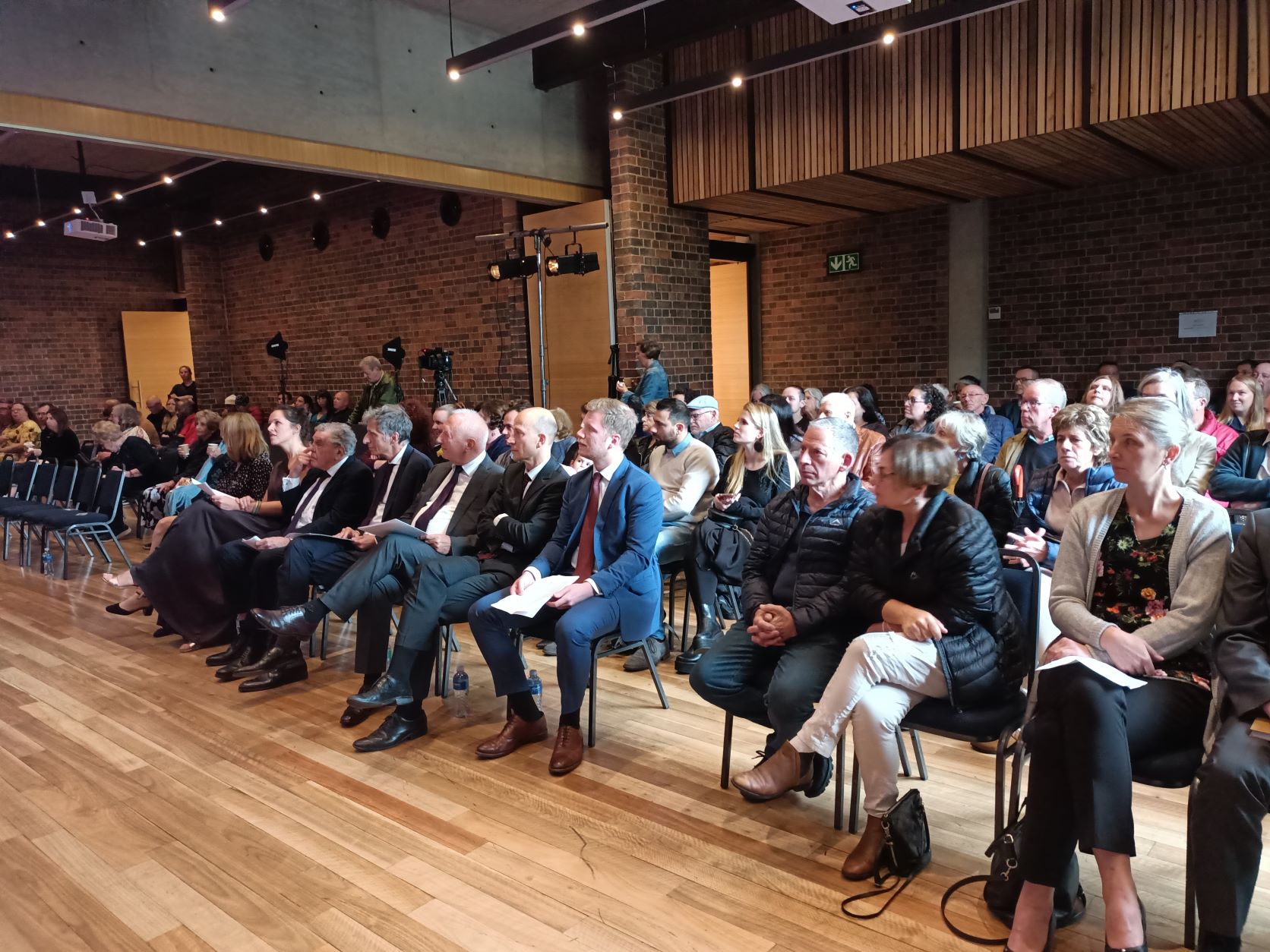
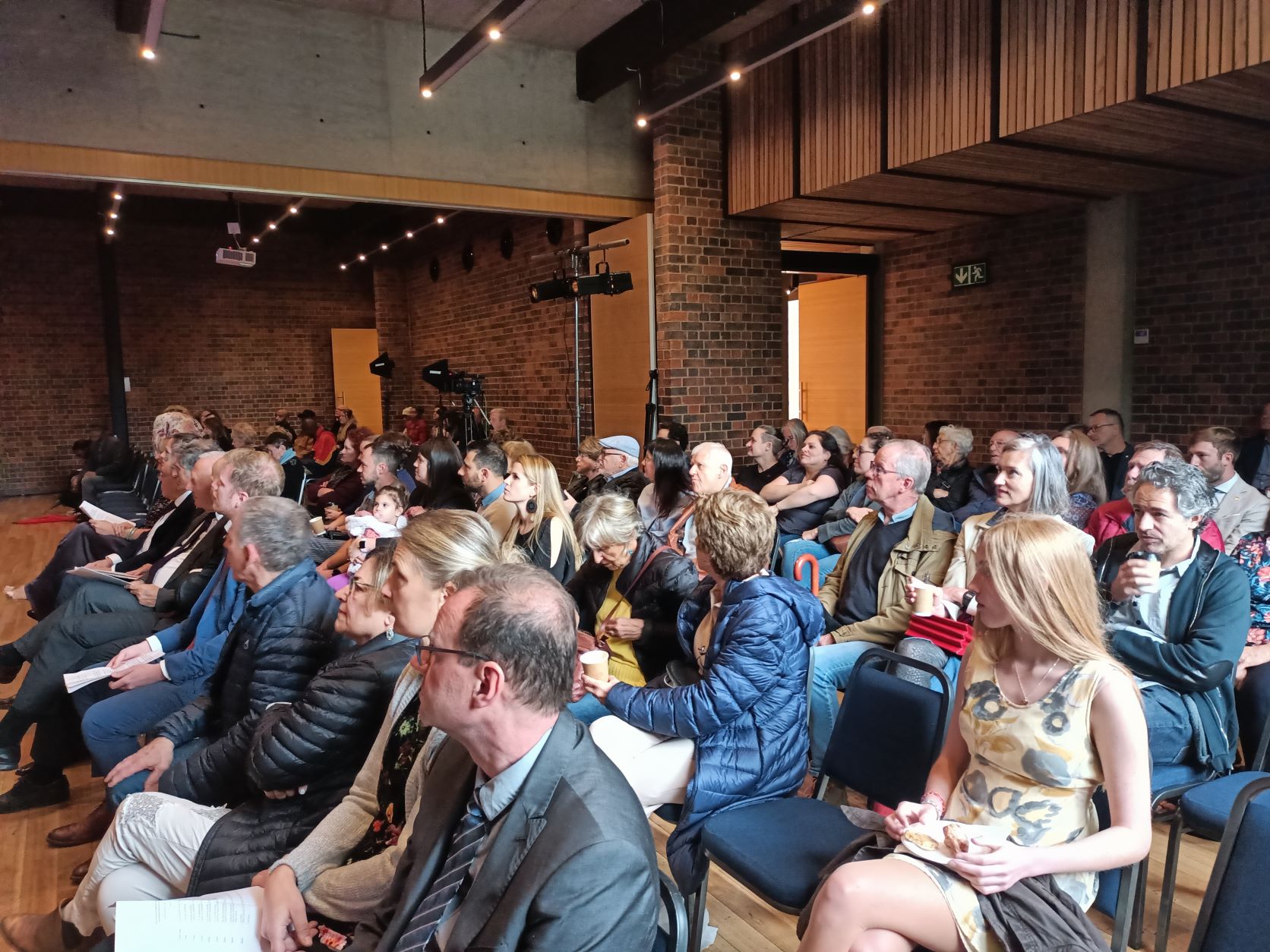
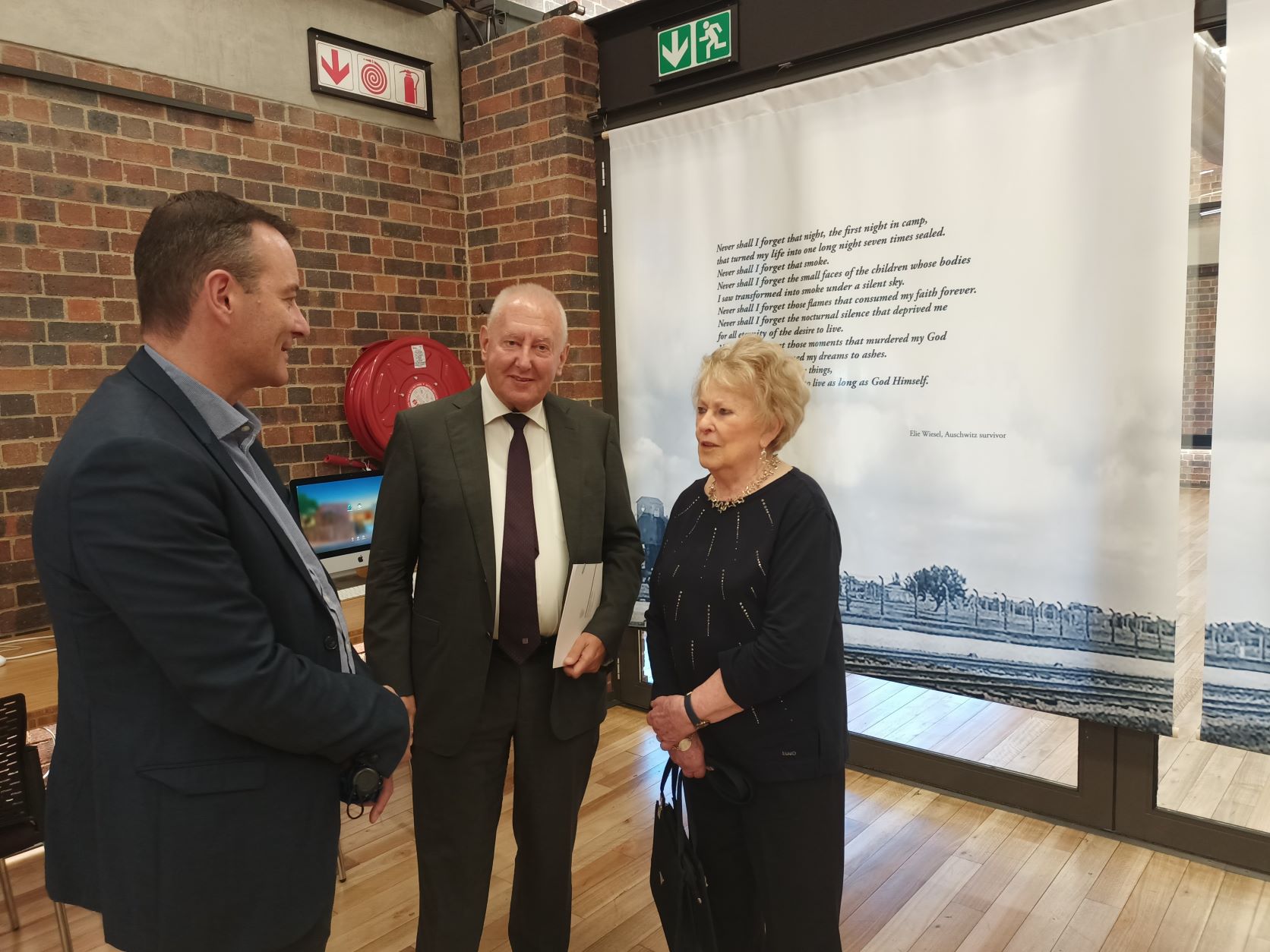
The opening of the exhibition was attended by Holocaust witnesses, representatives of the diplomatic corps, opinion-forming and business circles, the media and the Jewish diaspora. The exhibition aroused great interest and attracted numerous audiences.
"Don't be indifferent when any minority is discriminated against, because the essence of democracy is that the majority rules, but democracy is that minority rights must be protected at the same time.
Do not be indifferent when any authority violates accepted social contracts that already exist.
Be faithful to the Eleventh Commandment: Do not be indifferent.
Because if you don't ... you won't even look at you or your descendants as some Auschwitz suddenly falls from heaven. "
- Marian Turski, a former prisoner of the Auschwitz extermination camp warned the nations, during the celebration of the 75th anniversary of his liberation.
The exhibition will be on display at JH&GC for the next 4 months, and then will be presented in Durban and Cape Town.
We invite you to see the exhibition, a shocking visual journey through the crimes that the Nazis tried to hide.
Photos: Grażyna Koornhof / Embassy of the Republic of Poland in Pretoria
Photos (16)
 Display photo 2 in the gallery.
 Display photo 3 in the gallery.
 Display photo 4 in the gallery.
 Display photo 5 in the gallery.
 Display photo 6 in the gallery.
 Display photo 7 in the gallery.
 Display photo 8 in the gallery.
 Display photo 9 in the gallery.
 Display photo 10 in the gallery.
 Display photo 11 in the gallery.
 Display photo 12 in the gallery.
 Display photo 13 in the gallery.
 Display photo 14 in the gallery.
 Display photo 15 in the gallery.
 Display photo 16 in the gallery.