Poland participates in the interactive "Speak-Dating" event
06.11.2025
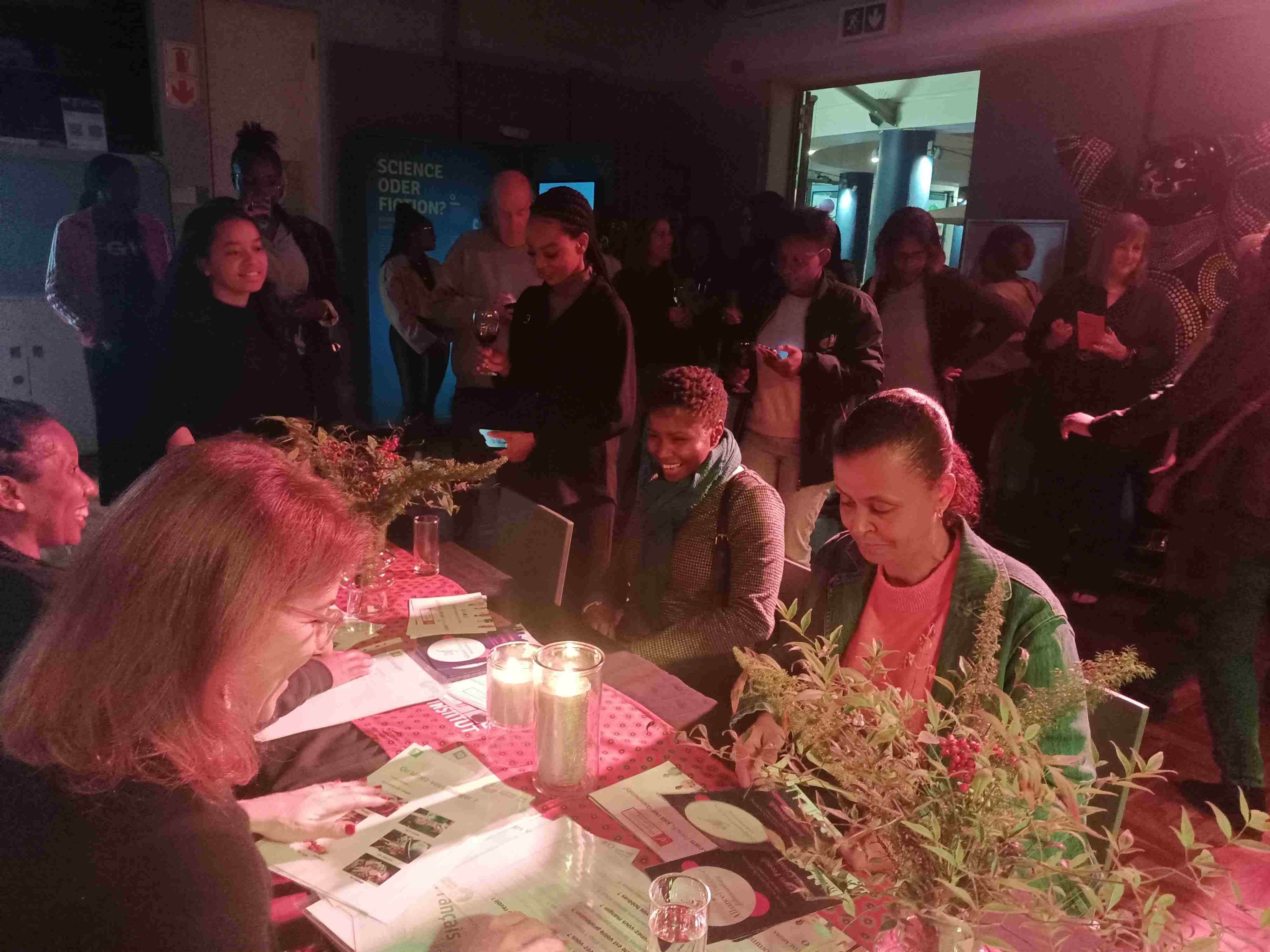
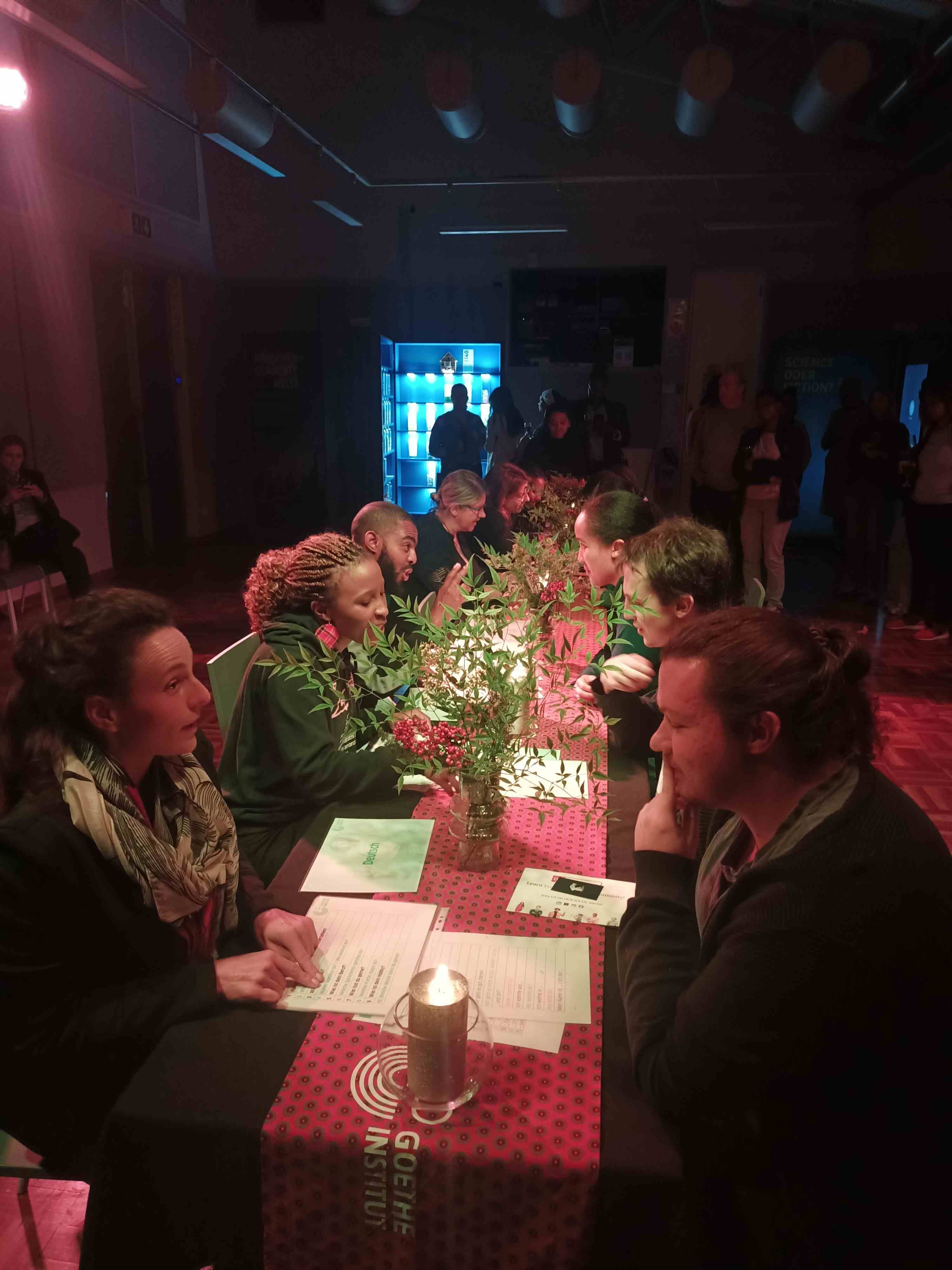
On 6 November 2025 the Goethe Institute in Johannesburg organized a meeting for language enthusiasts, as part of a multilingual "speak dating" session. The Embassy of the Republic of Poland in Pretoria participated in the event for the second time. The Goethe Institute's initiative was met with great interest from Johannesburg residents, and participants eagerly took advantage of the opportunity to learn Polish and several other languages.

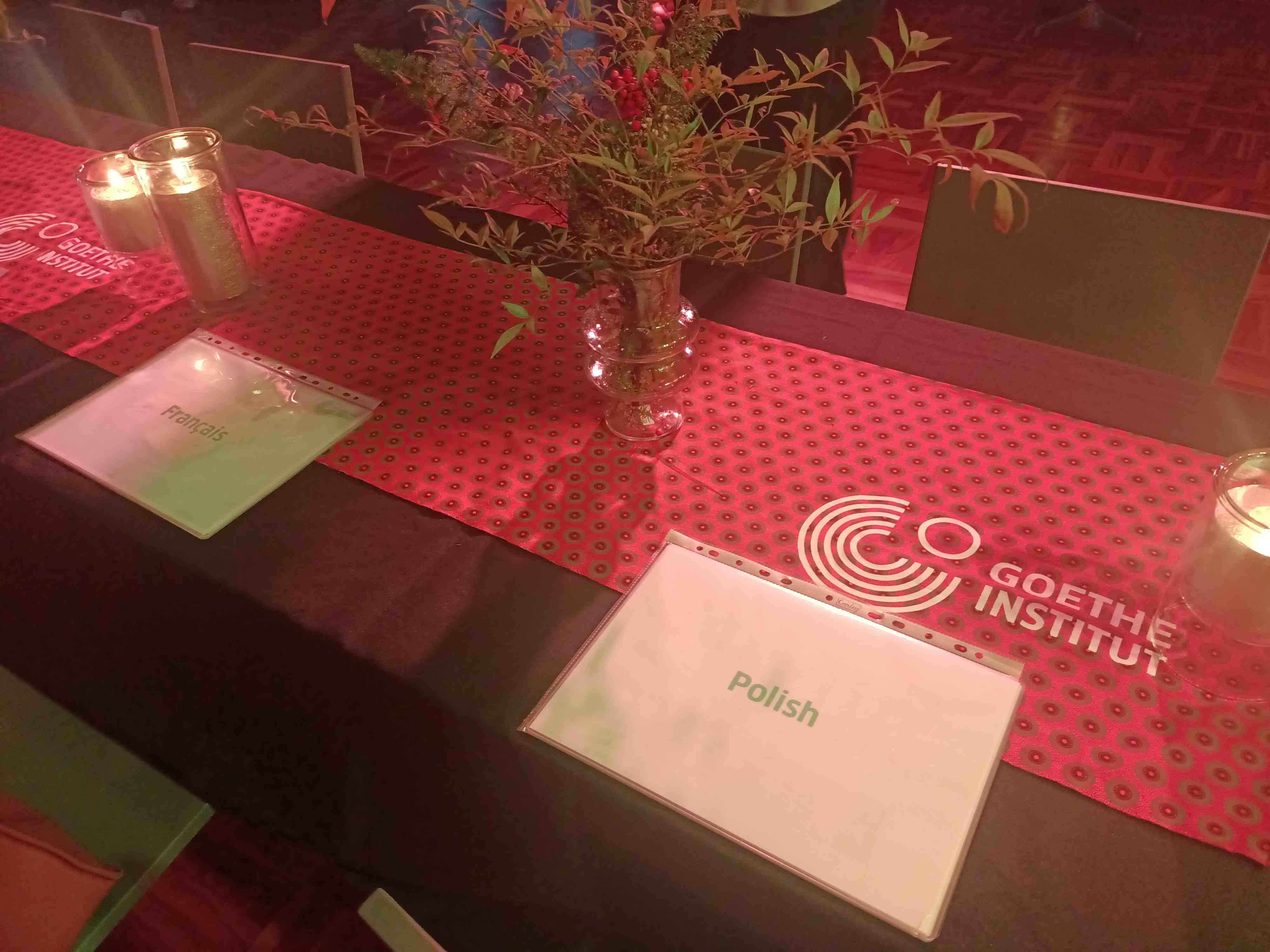
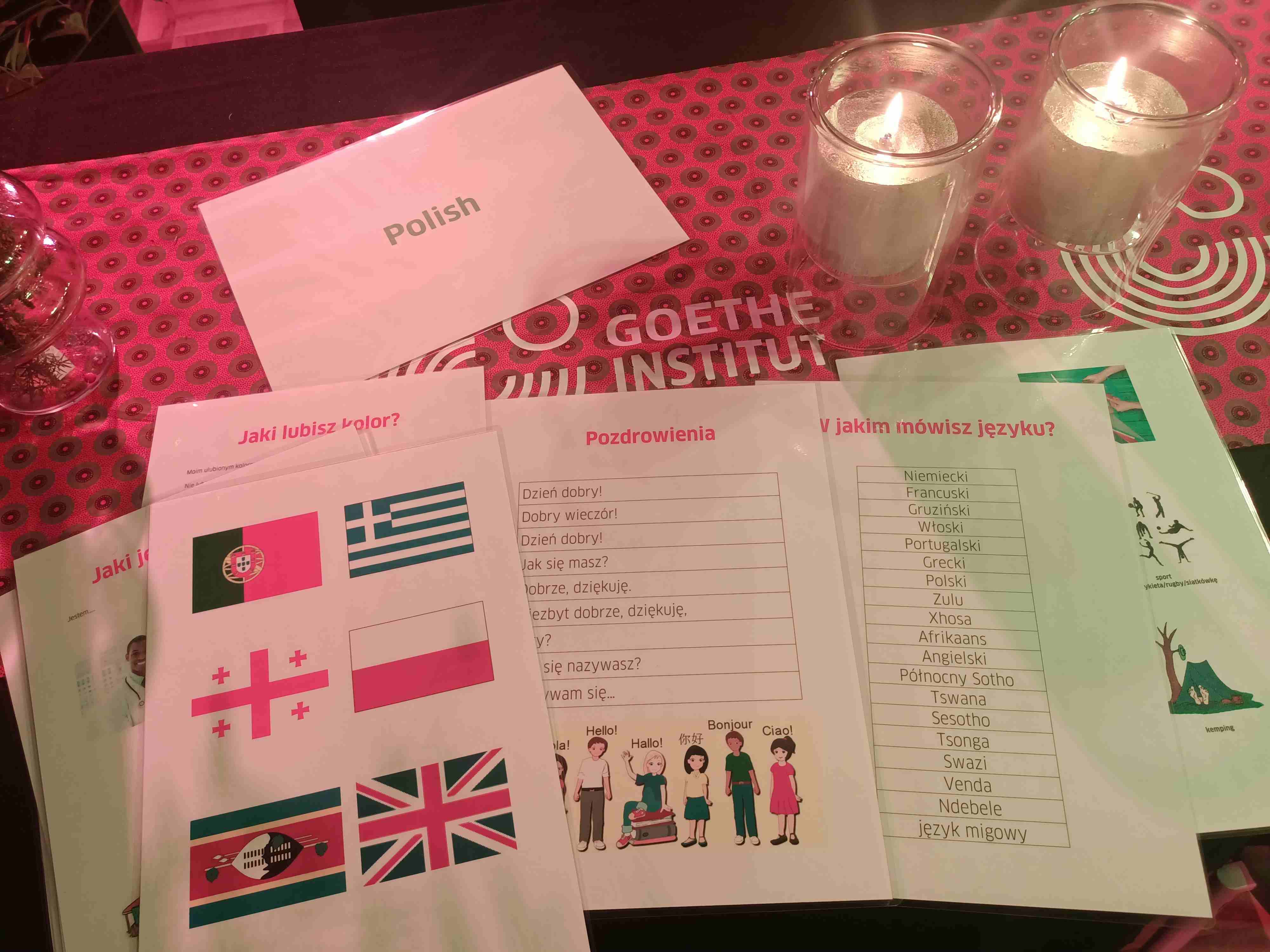
“Speak Dating” is an informal two-minute speed dating format, where people quickly learn phrases in various languages from native speakers. The event promotes cultural exchange without the pressure of a classroom. Participants learn phrases in each available language on the following topics: greetings, colors, flags, food, hobbies, languages, music, numbers, and professions. After two minutes of the session, a bell rings, and participants move on to the next booth and begin learning a new language. Because most participants are beginners and only have the opportunity to experience a language for two minutes, they typically only manage to learn greetings in this limited time.
"Speak-Dating" encourages people to learn new languages. Regardless of linguistic talent, many people are truly fascinated by other languages, and learning a few words during a trial lesson can spark a lifelong passion!
Languages play a significant role in shaping culture, identity, education, and social order, making them a fundamental part of our lives. It's estimated that there are currently around 6,000-7,000 languages in the world, over 200 of which originate in Europe. A significant portion of the world's population speaks only a handful of languages, and most of these are spoken by a few thousand or even a handful of people. In fact, 96% of languages are spoken by just 4% of the population. It's no wonder, then, that according to UNESCO, at least 43% of the languages spoken globally are threatened with extinction. Although monolingualism is widely considered the norm, it turns out that half to two-thirds of the world's population is bilingual to some extent, and a significant number are even multilingual. This suggests that multilingualism is more suited to the realities of modern life.
Photos: Grażyna Koornhof/Polish Embassy in Pretoria