Southern Africa on the Edges of Polish Identity - 10th South Africa - Poland Heritage Conference
26.11.2023
The Polish Association of Siberians in South Africa, the Embassy of the Republic of Poland in Pretoria, the Holocaust & Genocide Centre in Johannesburg and the Sol Plaatje University organized on November 26, 2023 Historical Conference on heritage and connections between Poland and South Africa. It was the 10th edition of this event. The event was attended by residents of Johannesburg, representatives of the Embassy of the Republic of Poland in Pretoria, and the Polish and Jewish diaspora.

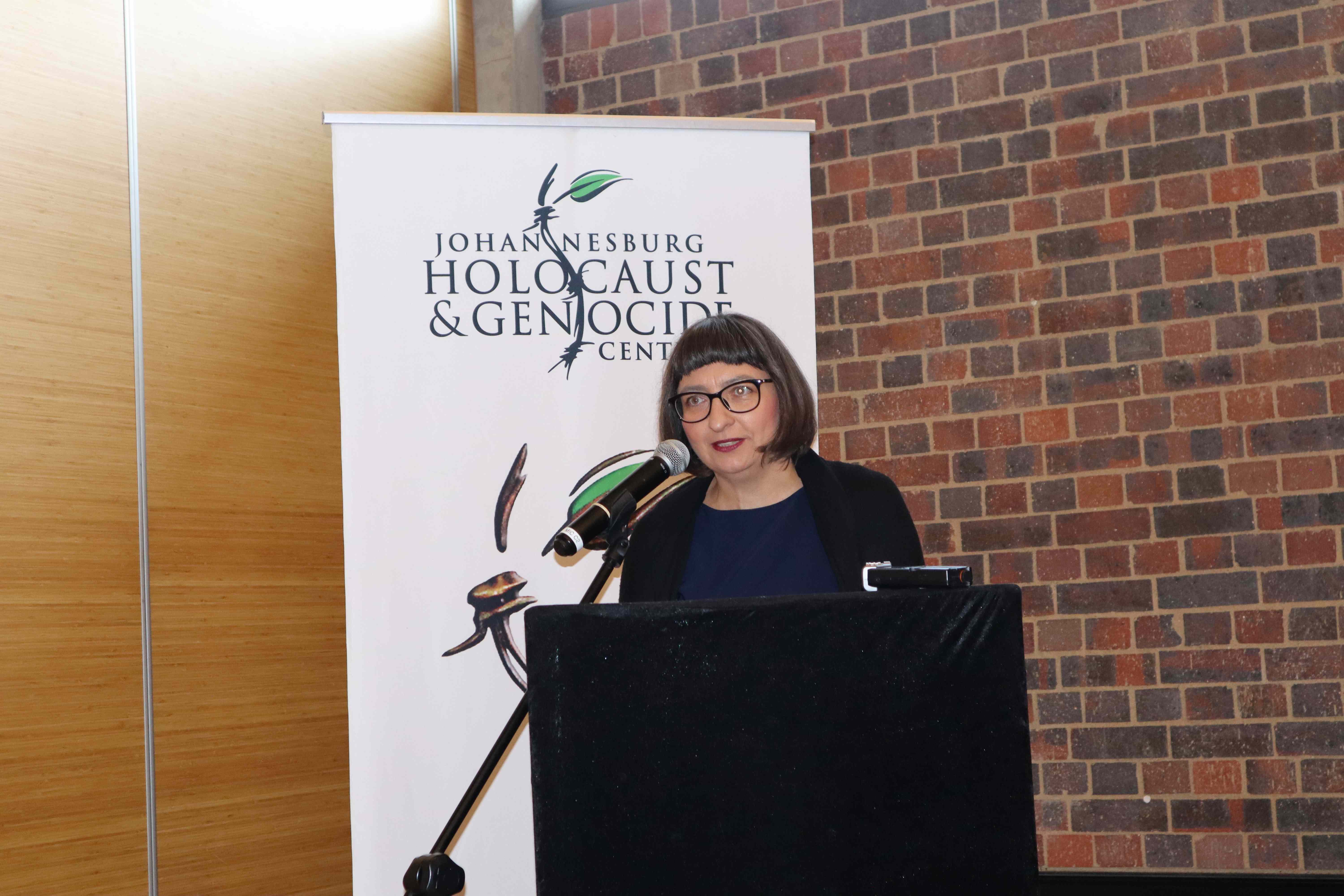
The event was hosted by the Holocaust & Genocide Centre in Johannesburg. The event was moderated by Stefan Szewczuk - president of the Polish Association of Siberians in South Africa. The introductory speech was delivered by Tali Nates, Director of JH&GC, and Iwona Jabłonowska, Deputy Ambassador of the Republic of Poland. Mrs. Jabłonowska reminded that this year we are celebrating the 80th anniversary of the arrival to the Union of South Africa (now Republic of South Africa) of a group of 500 Polish children who managed to escape from Siberian labour camps. Polish refugees were warmly welcomed by the local population. A camp was established in the town of Oudtshoorn, where Polish refugees created their "little Poland". Polish children who found shelter in the camp and after its closure in 1947 decided to stay in the Union of South Africa, actively contributed to the building of this country, influenced social life and its development in every respect. They constitute the foundation of the Polish community in South Africa, which today we estimate at 10-15 thousand citizens. The "Oudtshoorniacy" left behind a certain legacy, the commemoration of which is our common good and duty.
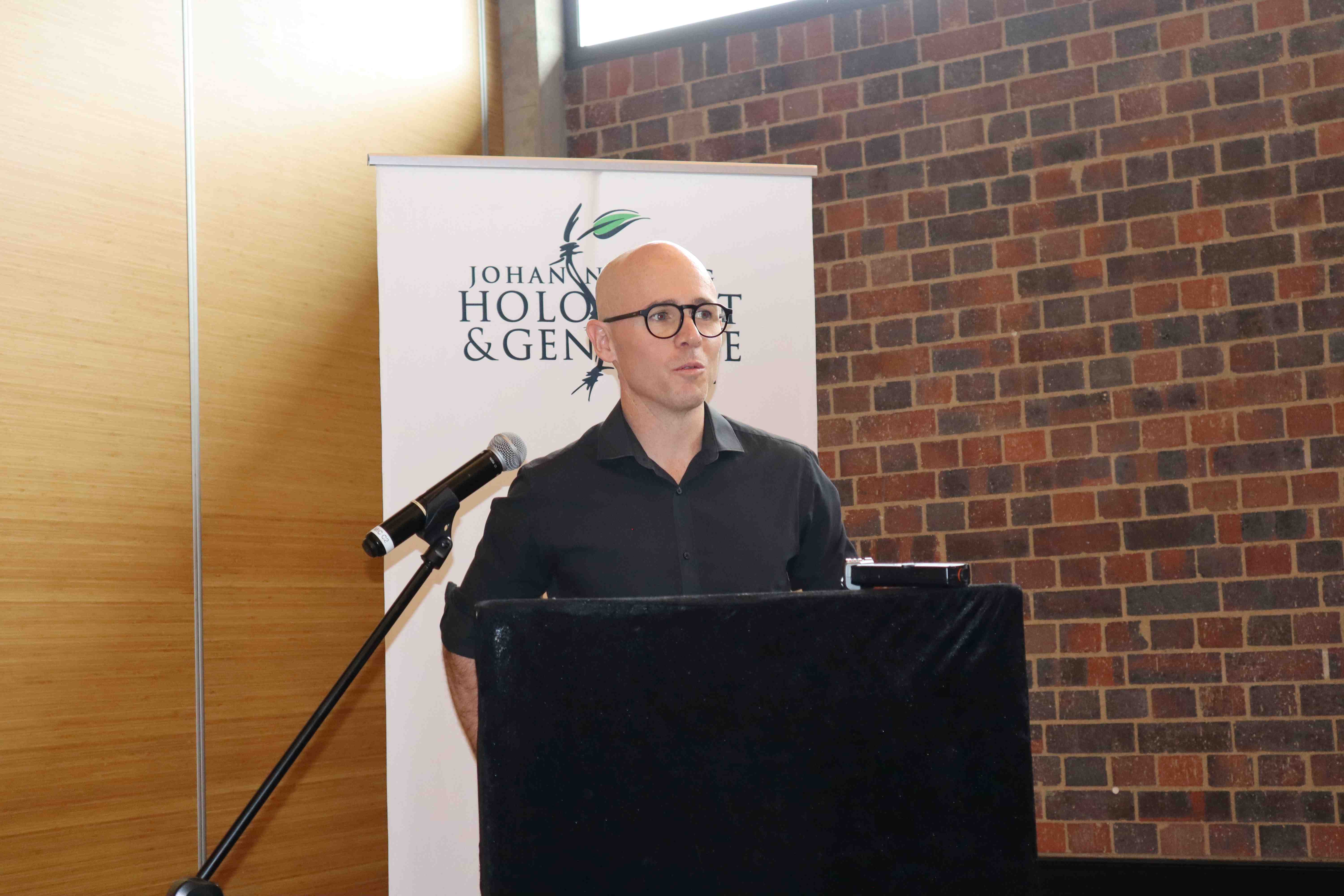
This year's conference was held under the slogan "South Africa - On the edges of Polish identity" with a presentation by Mary Mbewe from Mulungushi University in Zambia and Dr Ian Macqueen from the University of Pretoria. The Union of South Africa was not the only country on the African continent that provided shelter to Polish war refugees. The first group of exiles arrived in Africa in late 1942-44. Their ship docked in the port of Mombasa and from there they were sent to the camps in Kenya, Uganda, Tanzania (then Tanganyika), and Zambia and Zimbabwe (formerly Northern and Southern Rhodesia). There were 22 different camps housing 13,000–19,000 Polish exiles spread across East and Southern Africa. Ms. Mbene, who teaches history at Mulungushi University in Zambia, has undertaken intensive research on Polish refugees from World War II Poles found shelter in five camps in northern Rhodesia (now Zambia): Abercorn, Bwana M'Kubwe, Fort Jameson, Livingstone and Lusaka. Although the buildings in which Polish refugees lived have long disappeared, Polish graves and monuments remain and have recently been carefully renovated as part of the "Harcerska Afrika" initiative. The Zambian National Archives in Lusaka contains extensive archival materials regarding these Polish refugee camps. Dr Ian Macqueen gave a presentation entitled “Patrick Mabinda: The Experience of a South African Outlaw in Communist Poland (1977 – c. 1989). This research was conducted within the scope of the project "Roads to Freedom: the struggle for democracy in South Africa and Poland" and was funded by the University Capacity Development Program through the University of Pretoria. Dr Ian Macqueen is a Senior Lecturer in the Department of Historical and Heritage Studies at the University of Pretoria, South Africa, and a Research Fellow at the Institute for Society, Work and Politics at the University of the Witwatersrand.
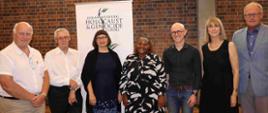
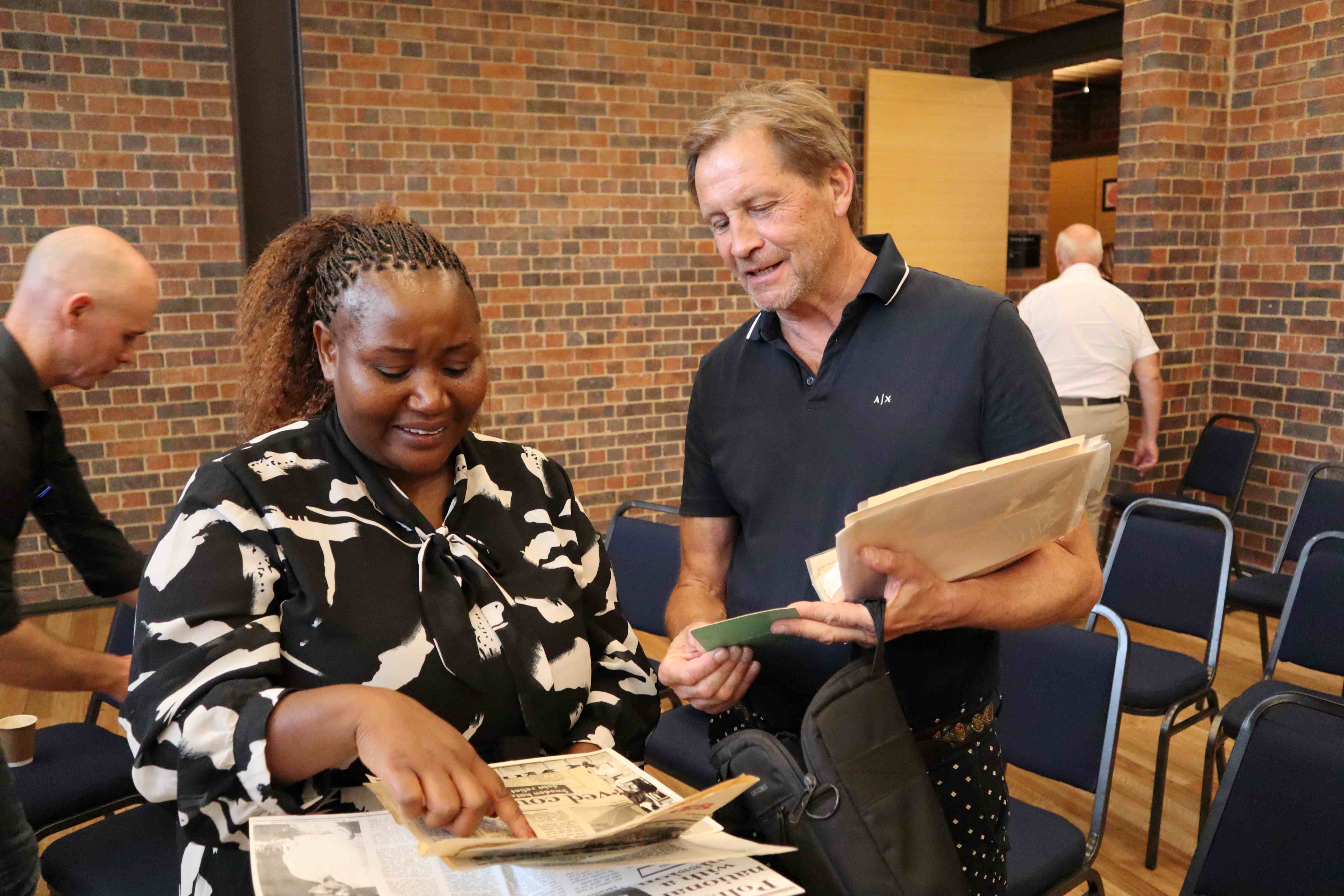
After the conference, guests could talk to the speakers and ask questions about the search for Polish traces in South Africa. The event was very interesting and informative.
Photos: Grażyna Koornhof/Embassy of the Republic of Poland in Pretoria