"The symbolism of Auschwitz" - Paweł Sawicki's lecture at the Johannesburg Holocaust & Genocide Centre
02.03.2023
KL Auschwitz was the largest of the former German Nazi concentration camps and extermination centers. Over 1.1 million men, women and children lost their lives here. Thanks to the constant efforts of former prisoners, in 1947, the Auschwitz-Birkenau State Museum was established on the site of the former camp complex. Today, Auschwitz is the most recognizable symbol of the Holocaust and the site of Genocide in the world.

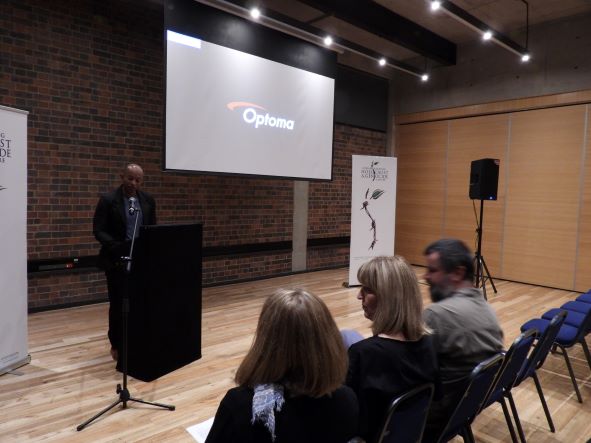
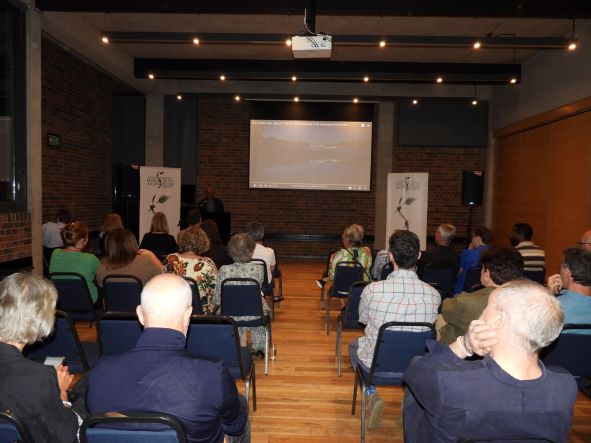
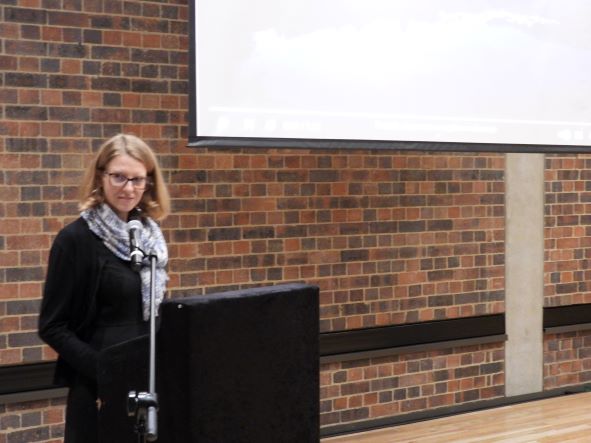
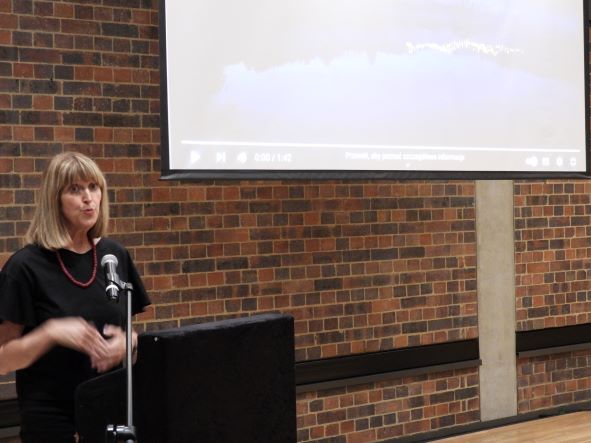
On March 2, 2023, an interesting lecture by Paweł Sawicki took place at the Johannesburg Holocaust & Genocide Centre on the symbolism and meaning of KL Auschwitz, the former German Nazi concentration and extermination camp. The event was organized in cooperation with the Embassy of the Republic of Poland in Pretoria, the Johannesburg Holocaust & Genocide Centre, the Auschwitz-Birkenau Museum and Memorial Site and the Rosa Luxemburg Stiftung Foundation. The event was attended by representatives of academic circles, the Polish and Jewish diaspora, and residents of Johannesburg. The occasional speech was delivered by Tali Nates, director of the Centre and Marta Gutkowska, consul of the Polish Embassy in Pretoria.
Thanks to Paweł Sawicki's presentation, the participants could broaden their knowledge about the Holocaust and the history of the former German Nazi concentration and extermination camp Auschwitz. When we talk today about Auschwitz as a place of remembrance, we must remember that it is a place where many different levels of consciousness and memories coexist. This is due to the very complex history of the former German Nazi camp. Initially, the prisoners and victims of the camp were Poles. Among its prisoners were also Jews, Roma, Soviet prisoners of war and prisoners of other nationalities and minorities. From 1942, the camp became one of the places of extermination of European Jews and Roma. Most of the Jews deported to Auschwitz were murdered in the gas chambers immediately after their arrival. Paweł Sawicki also spoke about the research carried out by historians of the Auschwitz-Birkenau Museum and Memorial Site, which concerns the key aspects of the development of the camp and its two functions: a concentration camp and an extermination center. The speaker mentioned the ongoing efforts of the Auschwitz-Birkenau Museum and Memorial to preserve this place as a historical monument and educate future generations about the dangers of hateful ideologies and the need for moral responsibility. Sawicki also discussed the challenges of social media and new technologies in the work of the Museum.
Paweł Sawicki is a spokesman and educator at the Auschwitz-Birkenau State Museum. He is responsible for the Museum's social media and is the coordinator of the exhibition project "Auschwitz: not so long ago, not so far away".
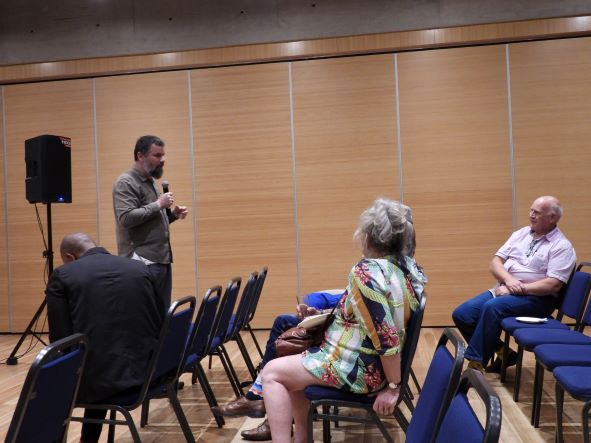
After the lecture, there was a discussion between the participants of the event.
Photos: Grażyna Koornhof/Embassy of the Republic of Poland in Pretoria