Highlights from the Polish Food Festival #KupujŚwiadomie
23.09.2026
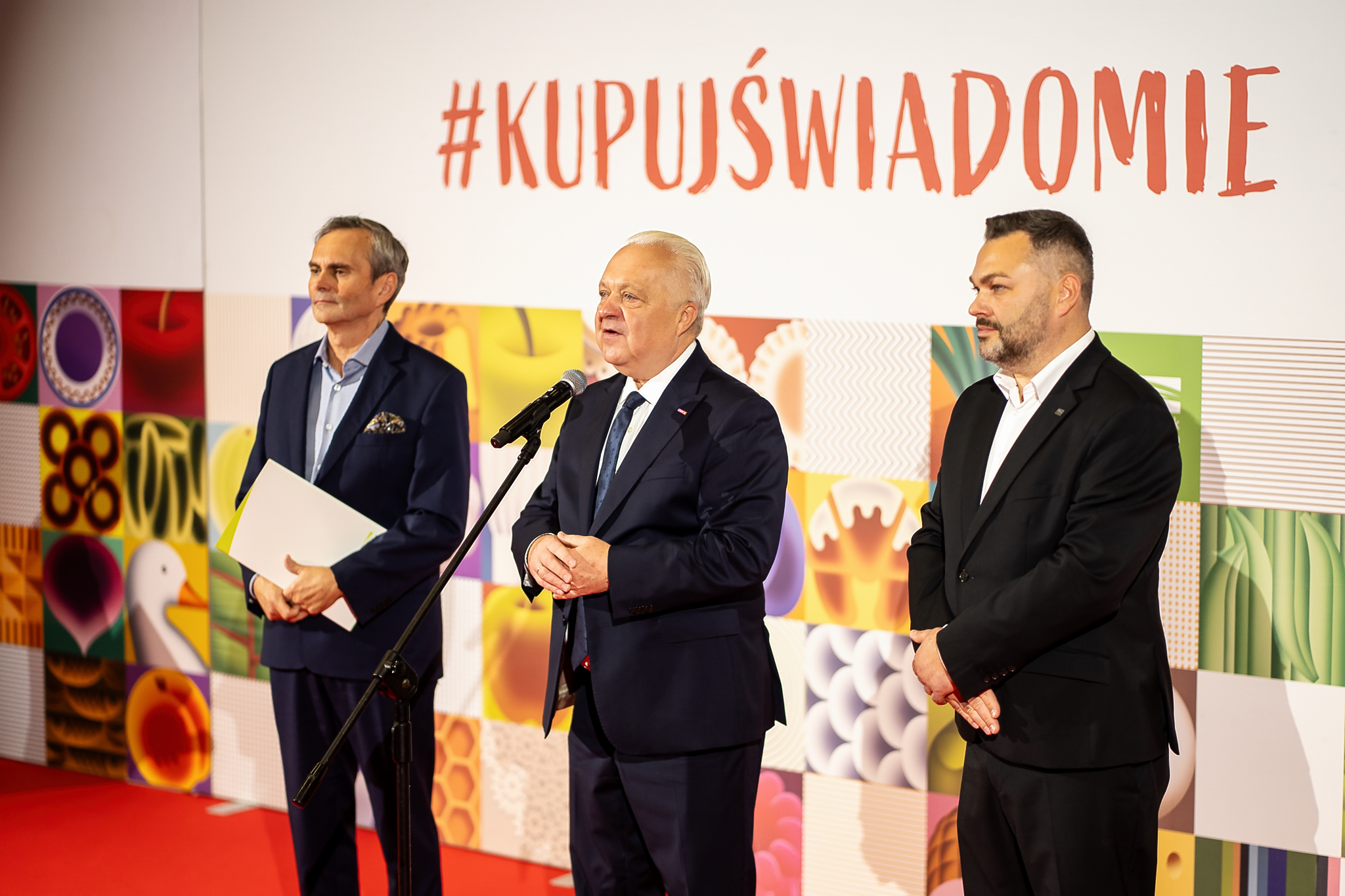
The #KupujŚwiadomie Polish Food Festival, organized by the National Support Centre for Agriculture (KOWR), has come to an end. This marked the fourth edition of the event-an initiative designed to showcase the diversity, high quality, and potential of Polish food.

Buy Consciously – Choose Polish Products
The festival promoted high-quality Polish food, supporting domestic production and local producers while encouraging responsible purchasing decisions. In line with the slogan "Buy Consciously" (#KupujŚwiadomie), KOWR educates consumers on national and EU quality assurance schemes, highlighting that every purchase is a choice. By reaching for high-quality Polish products, consumers directly support local producers, businesses, and family farms.
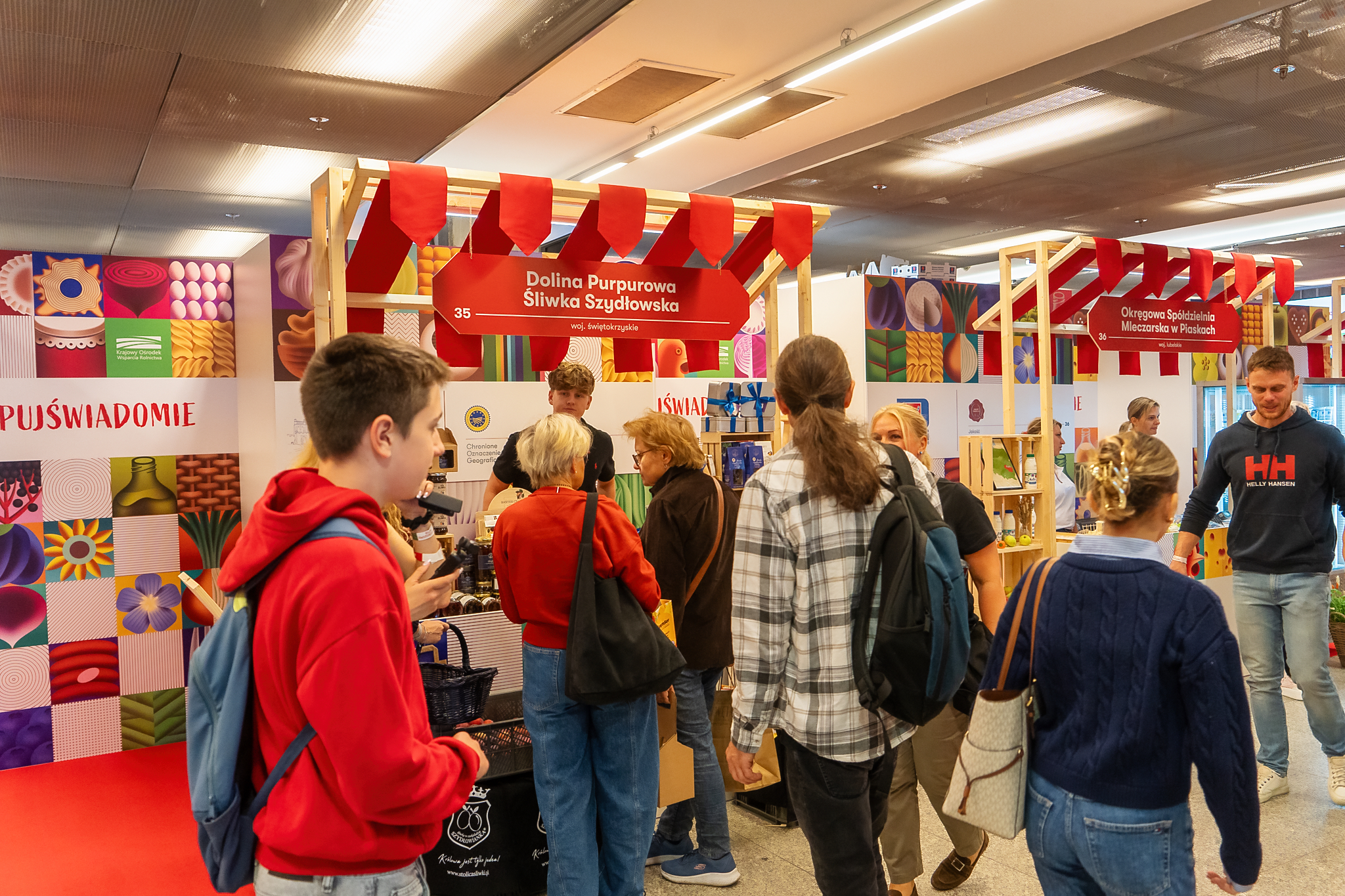
This year’s edition brought together 127 food producers from across Poland—true ambassadors of Polish flavour and premium quality. Combining tradition with modern innovation and local recipes with artisanal craftsmanship, these producers put their heart into everything that reaches our tables.
A Weekend Dedicated to Polish Flavours and Inspiration
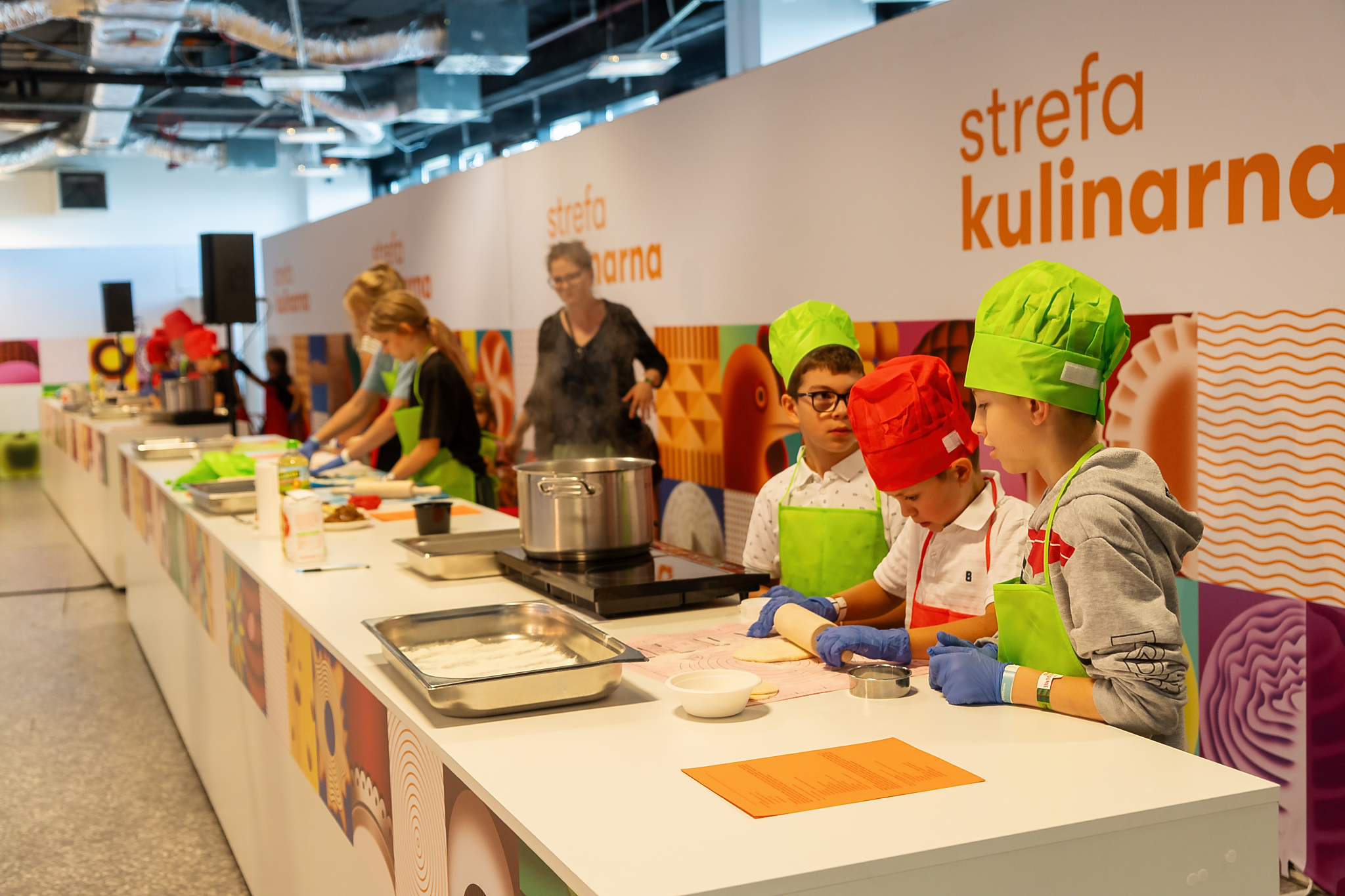
In addition to opportunities to meet exhibitors, the Festival programme featured 15 inspiring panel discussions and lectures with the participation of 62 experts, 12 product and craft demonstrations, 5 author meet-and-greets, and numerous attractions for children.
Throughout the event, discussions covered food quality schemes, the potential of Polish food, certified products and quality designations, as well as the importance of supporting domestic production and the competitiveness of local goods. The wide range of topics offered something for everyone—from production methods and quality standards to local traditions and conscious consumer choices.
A recording of the panel discussions can be viewed on the KOWR YouTube Channel.
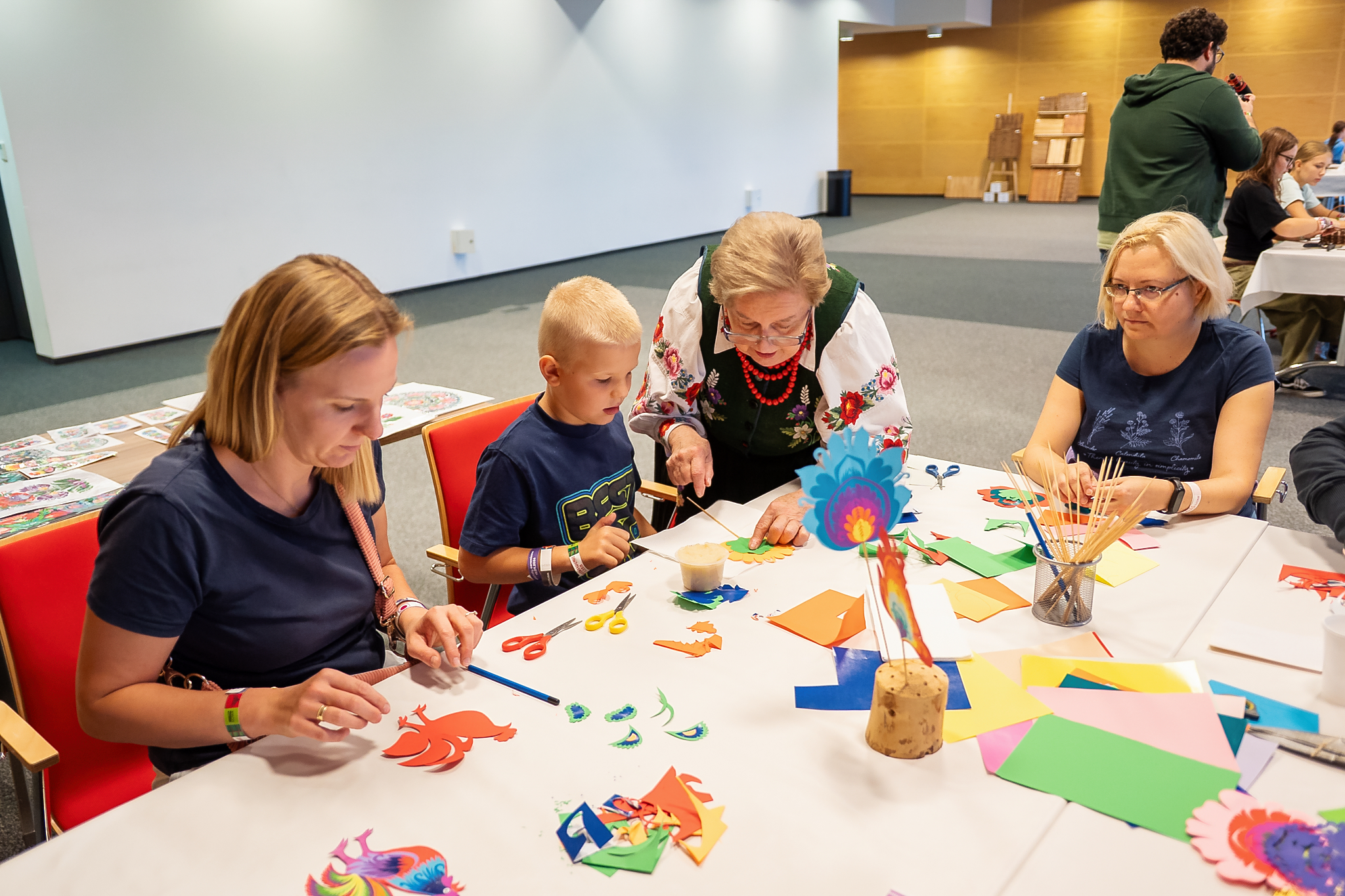
For visitors interested in regional culture and heritage, a variety of live demonstrations was available, including the traditional preparation of St Martin's croissants (rogale świętomarcińskie), Lublin onion breads (cebularze lubelskie), Łowicz paper-cuts (wycinanki łowickie), and Koniaków lace (koronki koniakowskie). Attendees of the inspiring lectures also had the chance to explore the fascinating world of bees, learn about the history of traditional broth (rosół) in Poland, and discover the secrets of traditional woodworking craftsmanship.
Education and Activities Prepared by Partner Institutions
The information and educational stands hosted by partner institutions, industry organisations, and other entities related to agriculture and the agri-food sector drew strong public interest, offering a wide array of food-related attractions and fascinating insights.
The stand of the National Institute of Culture and Rural Heritage served as a meeting point with traditional culinary culture and life in the former Polish countryside. Hands-on butter-churning workshops gave participants the opportunity to learn traditional production methods. Fruit growing and herbalism workshops introduced attendees to the world of fruits and herbs, showcasing the versatile uses of the Polish countryside's natural riches. Meanwhile, workshops on pressing flaxseed oil demonstrated the entire step-by-step process of crafting a natural product.
The Regional Branch of the Agricultural Social Insurance Fund (KRUS) in Warsaw organised an information and prevention stand aimed at promoting well-being, healthy eating, and farm work safety. The main highlight of the stand was an interactive educational game titled “Safe Farmer, Safe Countryside” (Bezpieczny Rolnik, Bezpieczna Wieś).
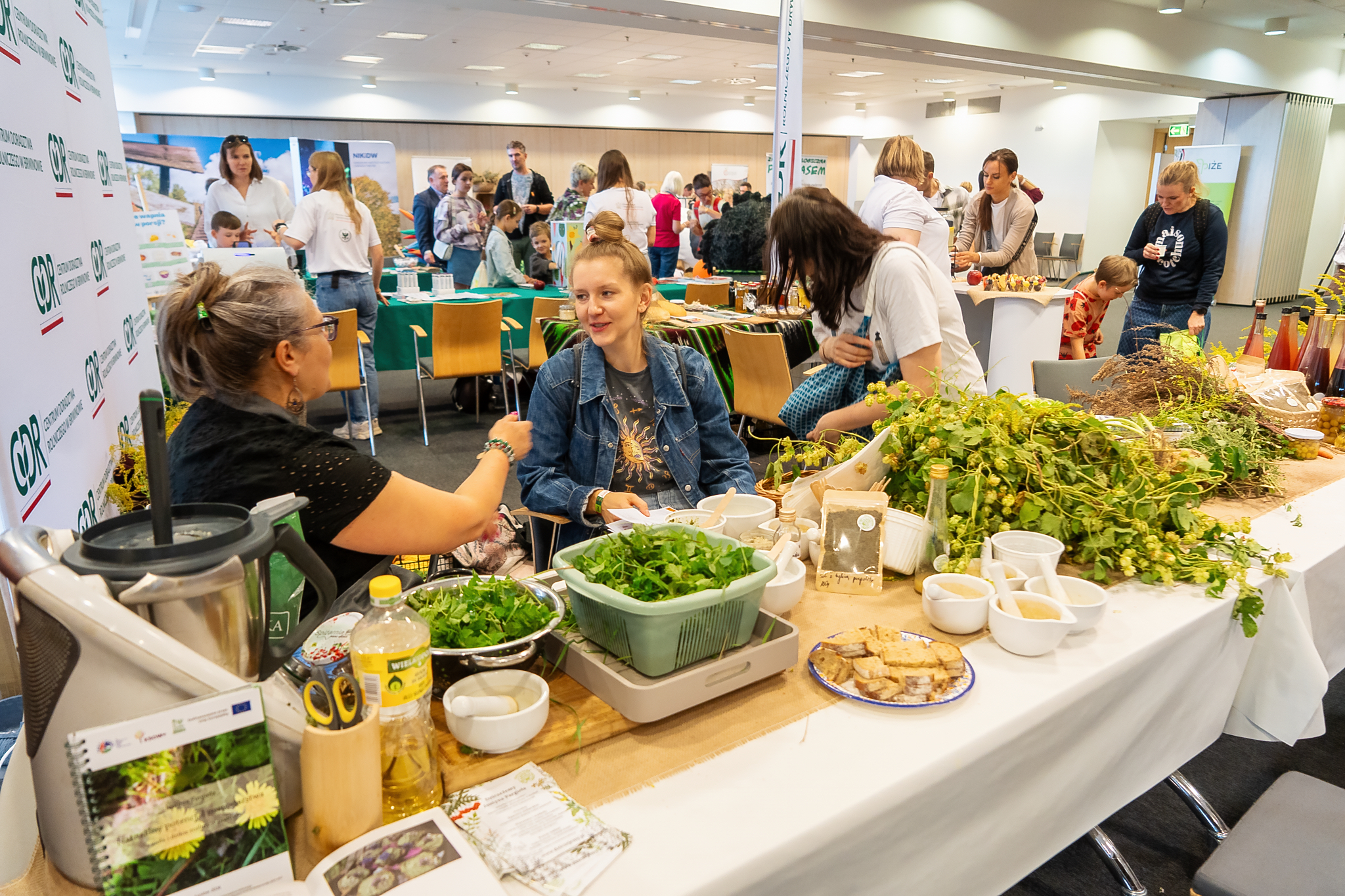
Workshops organised by the Agricultural Advisory Centre (CDR) aimed to show participants how to make informed choices while shopping, read food product labels correctly, and draw attention to food sourced directly from local farmers. On the second day, attendees had the opportunity to explore ways of incorporating wild plants as well as lesser-known and underrated vegetables into their daily diet.
The stand of the Agricultural and Food Quality Inspection (IJHARS) introduced topics related to food quality, quality scheme labelling, and the protection of regional and traditional products. IJHARS experts answered questions regarding food labelling, while visitors had the opportunity to learn about the food quality schemes operating within the European Union and discover the importance of certificates and designations that verify the unique origin and quality of products.
At the information and promotion stand of the Agency for Restructuring and Modernisation of Agriculture (ARiMR), visitors could obtain information regarding current calls for applications for ARiMR financial support.
The Voivodeship Sanitary-Epidemiological Station in Warsaw promoted healthy eating habits among adults, children, and youth, as well as the "Stay in Shape" (Trzymaj Formę) educational programme aimed at primary school pupils in grades 5–8, their parents, and guardians. Experts taught participants how to properly compose healthy meals using the Healthy Eating Plate (Talerz Zdrowego Żywienia) and the educational game "Eat Wisely – Healthy Food on Your Plate" (Jedz mądrze – zdrowe jedzenie na Twoim talerzu).
Body composition analysis via bioelectrical impedance analysis (BIA), evaluation of handwashing techniques using fluorescence, sensory tactile memory development, and carbon footprint assessment were among the activities featured at the stand of the Warsaw University of Life Sciences (SGGW). Visitors could also learn how to identify organic products and discover the optimal places for storing different types of food.
The Kraina Sadów i Ogrodów Association prepared a stand for the "It's Your Sure Thing!" (To Twój Pewniak!) campaign, with the Polish apple taking centre stage. Younger guests enjoyed brainteasers, arts and crafts, and creating a giant collaborative apple tart. Meanwhile, adults could pick up educational materials and learn more about produce grown with "zero pesticide residues".
#BuyConsciously Market and Activities with Chrumas
At the #KupujŚwiadomie (#BuyConsciously) market for children, young consumers could learn the principles of making informed food choices. In the "School Programme" zone, games and contests focused on healthy eating drew a lot of interest, as did the sports challenges championed by the Programme’s ambassador—Chrumas, a character beloved by children.