
Biocam R&D

 Project title
Biocam R&D
 Name of Beneficiary/Beneficiaries
Biocam Sp. z o. o.
 Name of programme
Innovative Development Operational Programme
 Competition
BRIdge Alfa
 Project value
PLN 1,070,000.00
 Funding value
PLN 856,000.00
 Project delivery period
from 8 May 2020 to 30 September 2024
Meet our team

See the results of our work
What problem does our project solve?
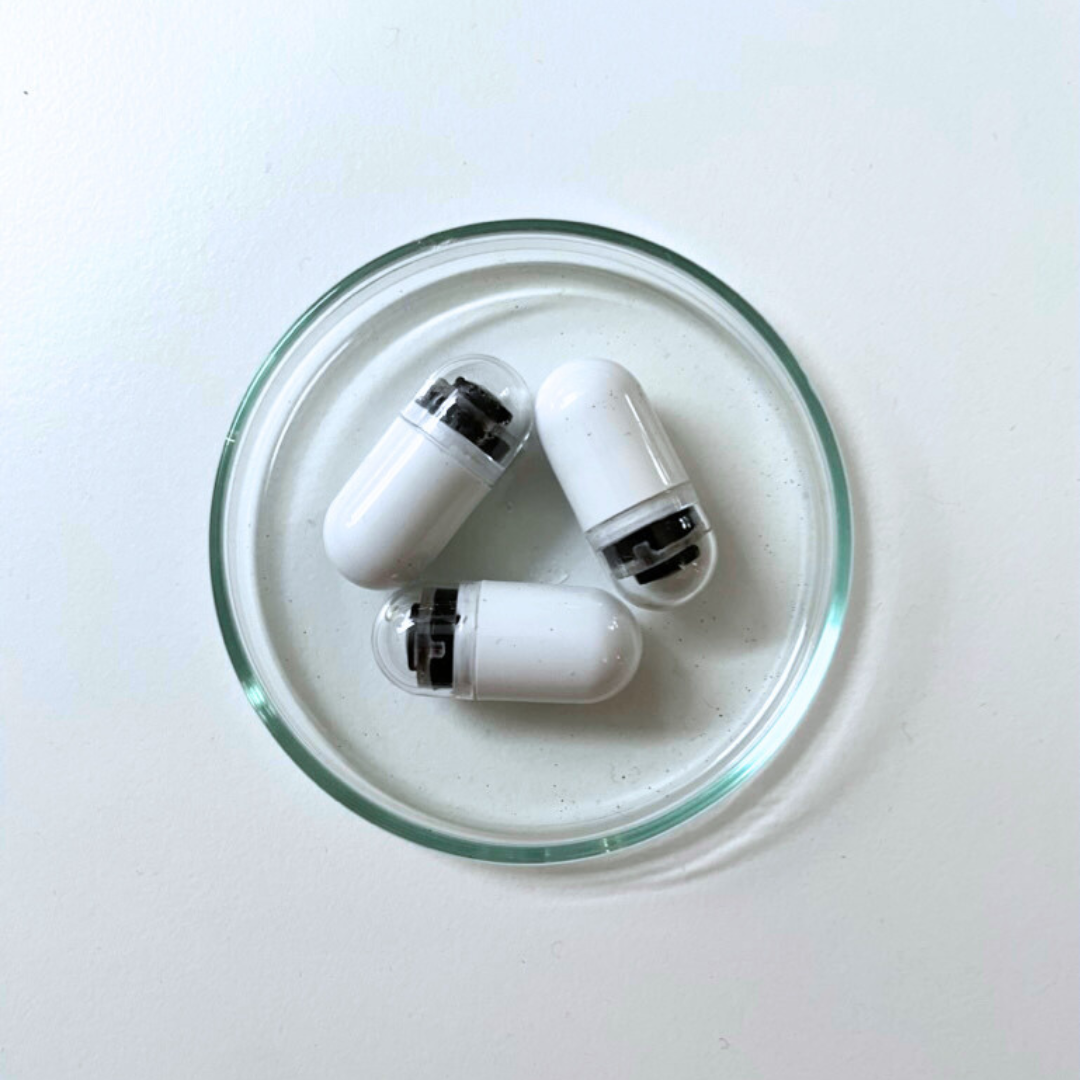
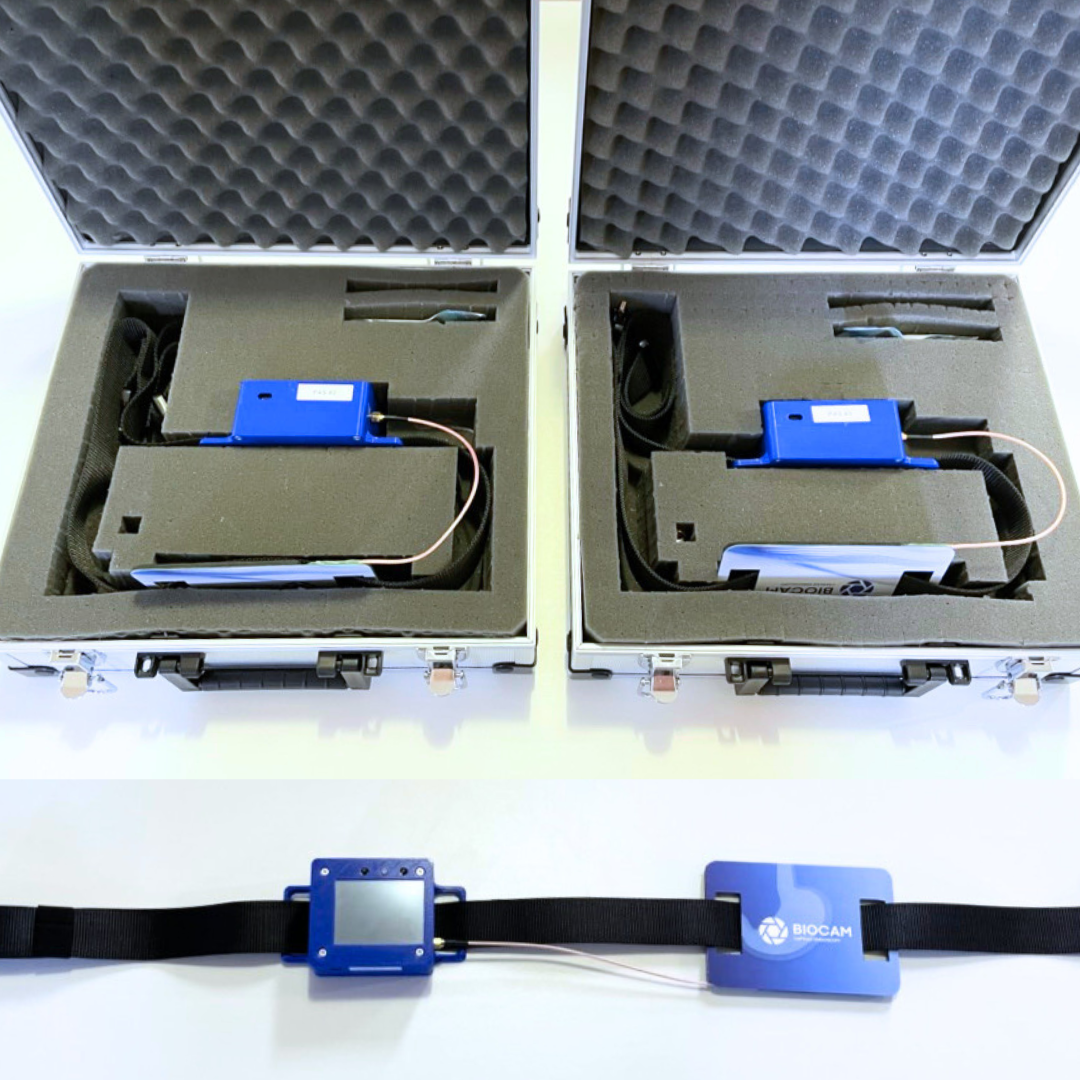
At BioCam, we bridge the medical device industry with AI to develop an innovative endoscopic capsule for non-invasive detection of gastrointestinal diseases. Traditional diagnostic methods, such as gastroscopy and colonoscopy, are invasive, uncomfortable, and deter many patients, resulting in low participation in screening programmes. Our goal is to popularise the endoscopic capsule as a patient-friendly method for remote examination of the entire gastrointestinal tract, which can also be conducted at home.
Our endoscopic capsule is equipped with advanced technology that captures approximately 74,000 images across various light spectra, providing enhanced diagnostic value. The proprietary AI system supports physicians in identifying and diagnosing lesion sites, which increases the accuracy and speed of diagnosis.
By automating image analysis, we reduce the examination time, saving time for both patients and physicians. By using artificial intelligence, we do not want to replace physicians but to assist them in their work.
By lowering the cost of examinations and improving patient comfort, we hope to encourage more people to undergo screenings when it is still possible to treat them.
Who will benefit from the project's results?
Our target customers in the medical market include private hospital networks, clinics, private insurers, medical device distributors, and large industry corporations interested in licensing our technology.
The ultimate beneficiaries of our technology are individuals with potential gastrointestinal health problems and those who want to take care of their health by undergoing regular preventive screenings. Our endoscopic capsule aims to facilitate quick and accurate diagnostics, significantly improving treatment outcomes and increasing the chances of recovery. Given the growing threat of colon cancer, particularly among working-age men, our technology can play a crucial role in earlier detection of this dangerous disease, improving patients' health and lives.
What was the biggest challenge for us in implementing the project?
One of the biggest challenges we faced during project implementation was the COVID-19 pandemic, which severely disrupted the supply chain for essential materials. The most significant difficulties were in obtaining integrated circuits like microcontrollers and CMOS sensors, crucial for the development of our endoscopic capsule. The pandemic led to reduced availability of these components and increased prices, impacting our schedule and budget.
Additionally, changes in the business strategies of integrated circuit manufacturers, who shifted their focus to automotive and IoT industries, further restricted access to traditional solutions. Coupled with the growing demand for remote diagnostic technologies, we had to alter the development direction of our endoscopic capsule.
The most significant technical challenge was to select the appropriate technologies, especially the radio technologies, so that they work seamlessly with each other and with the human body to eliminate signal loss and interruptions. Due to the niche nature of the operating environment, there was limited literature to rely on, requiring us to conduct all development work from scratch with testing in environments mimicking real-world conditions.
Our advice to other Applicants
Based on our experience in project implementation, we would like to share some advice for other applicants. First, building a multidisciplinary team that integrates diverse technical and medical competencies is invaluable. Such synergy enables faster and more effective problem-solving.
Second, flexibility and adaptability are essential. Our project faced numerous challenges, such as regulatory changes and the COVID-19 pandemic, which required quick responses and strategic adjustments. The ability to rapidly adapt to changing conditions is priceless.
Another key element is fostering business and academic partnerships. Collaboration with hospital networks, clinics, and other industry partners allows for a better understanding of market needs and tailoring the product to real-world user requirements.
In conclusion, the success of a project depends not only on the innovativeness of the technology but also on the ability to effectively manage the team, act flexibly, build partnerships, and pursue continuous development. We believe these principles can be valuable for other ventures and encourage their consideration during the implementation of future projects.