
Development of a prototype P-18PL early target detection radar operating in the metre wave band with phase-based scanning in two planes for Surface-to-Air Missile Systems (SAMs) P-18PL

 Project title
Development of a prototype P-18PL early target detection radar operating in the metre wave band with phase-based scanning in two planes for Surface-to-Air Missile Systems (SAMs) P-18PL
 Name of Beneficiary/Beneficiaries
PIT-RADWAR S.A. consortium (Consortium Leader)
Military University of Technology (Consortium Member)
 Name of programme
Programmes for National Defence and Security
 Competition
Competition No. 3/2012
 Project value
PLN 54,400,000.00
 Funding value
PLN 46,000,000.00
 Project delivery period
from 19 December 2012 to 18 December 2022
See the results of our work

Long-range early warning radar P-18PL in full configuration (Antenna Unit, Indicator Unit, Power Unit)
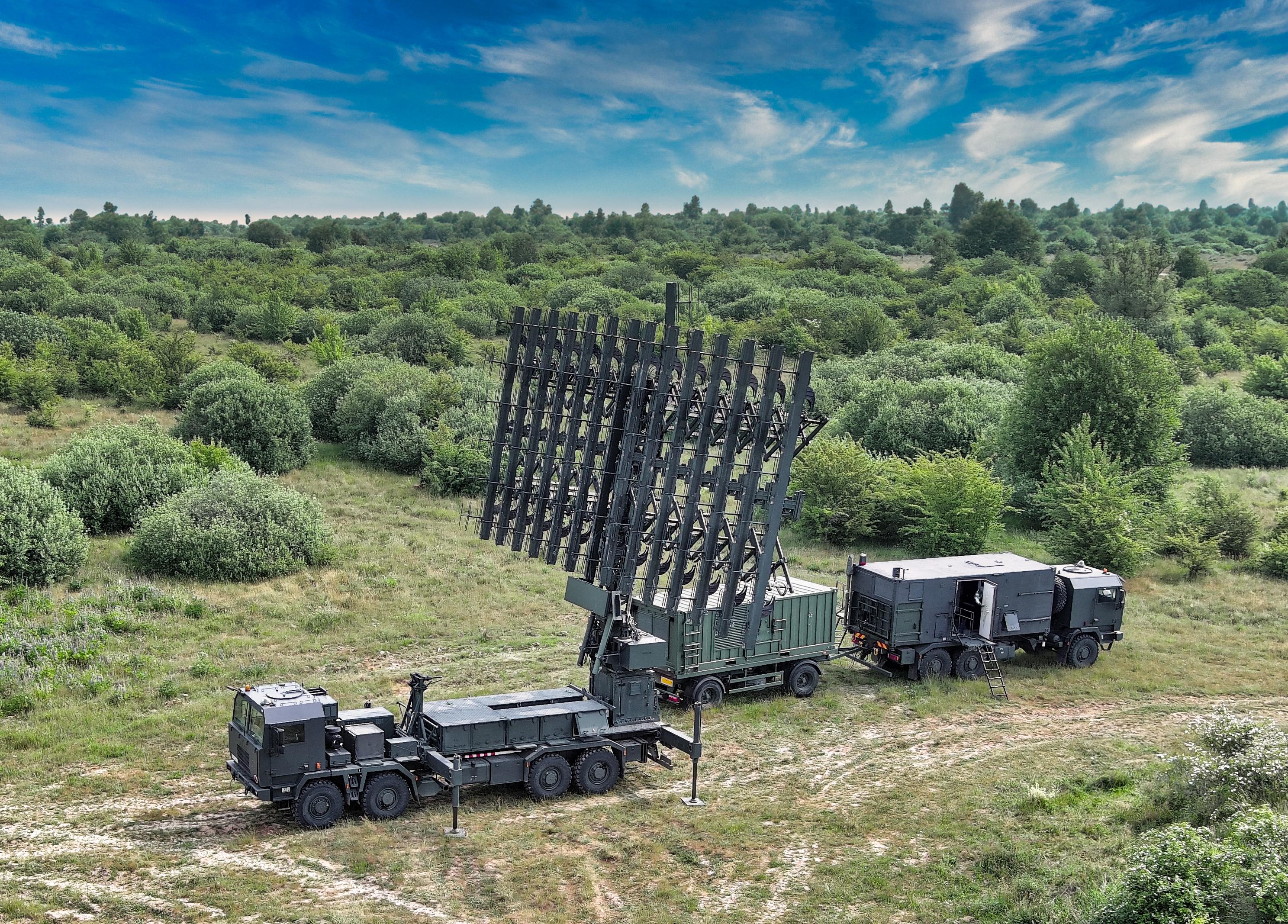
Long-range early warning radar P-18PL in full configuration (Antenna Unit, Indicator Unit, Power Unit)
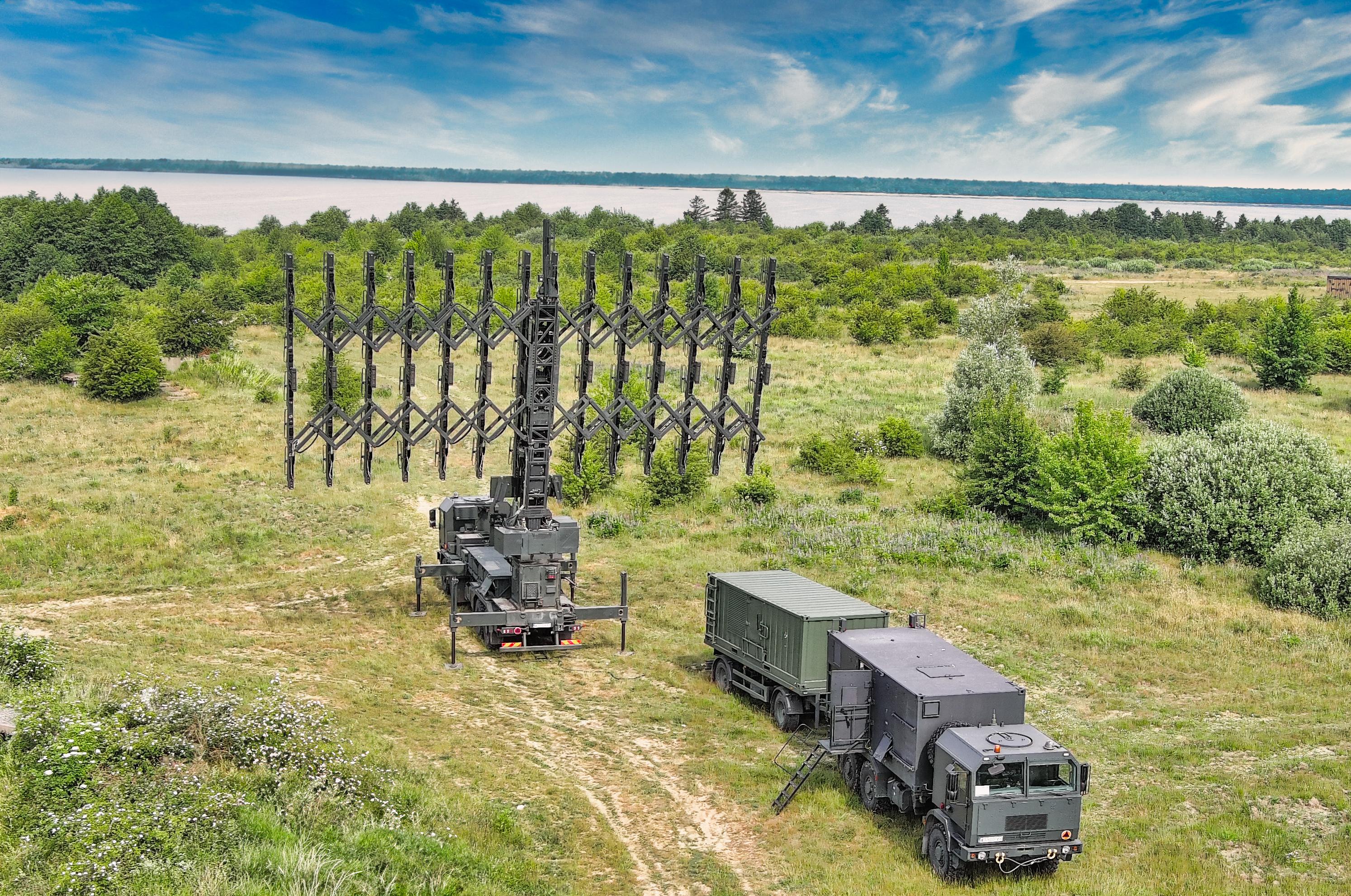
Long-range early warning radar P-18PL in full configuration (Antenna Unit, Indicator Unit, Power Unit)
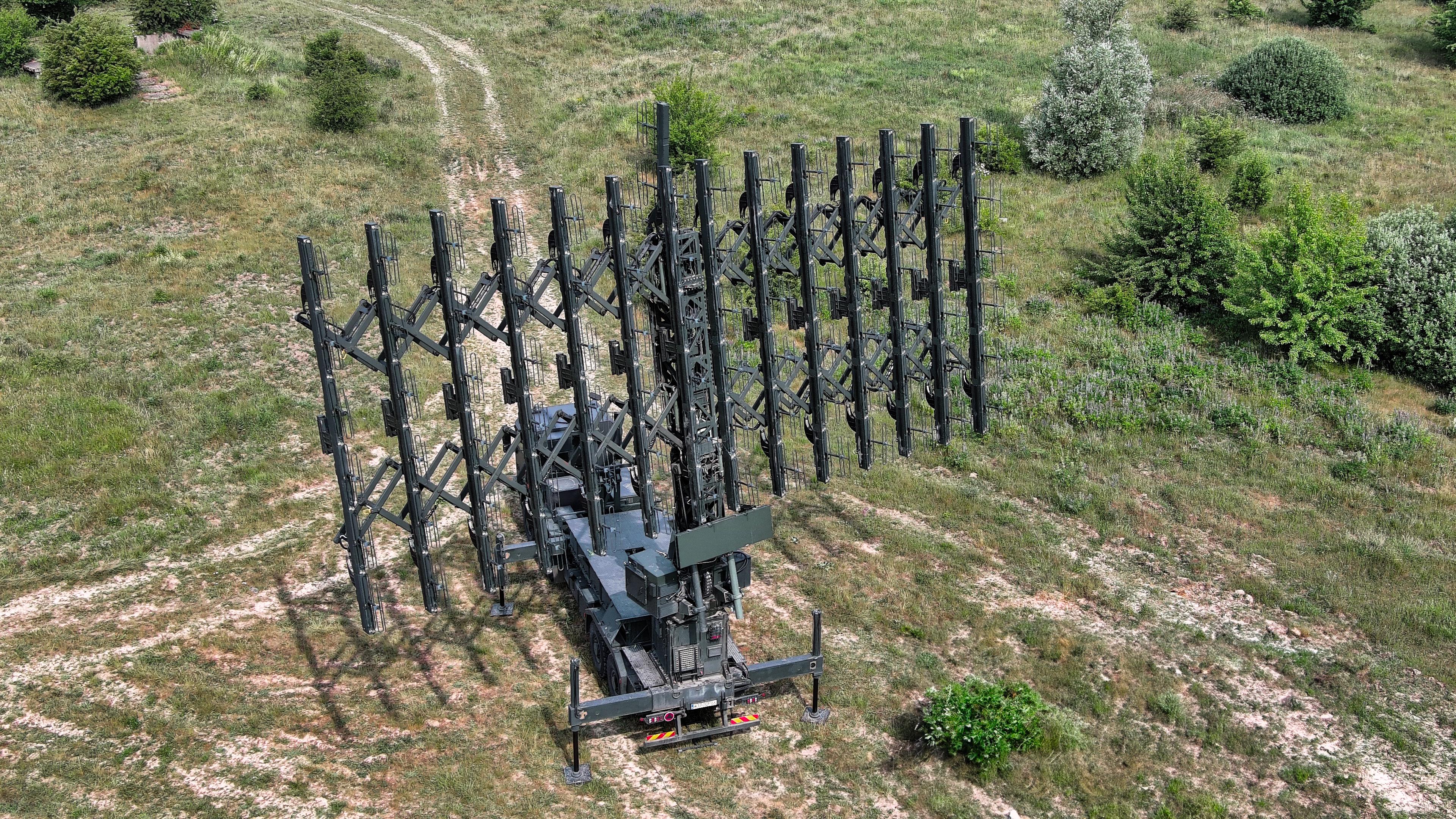
Long-range early warning radar P-18PL – Antenna Unit
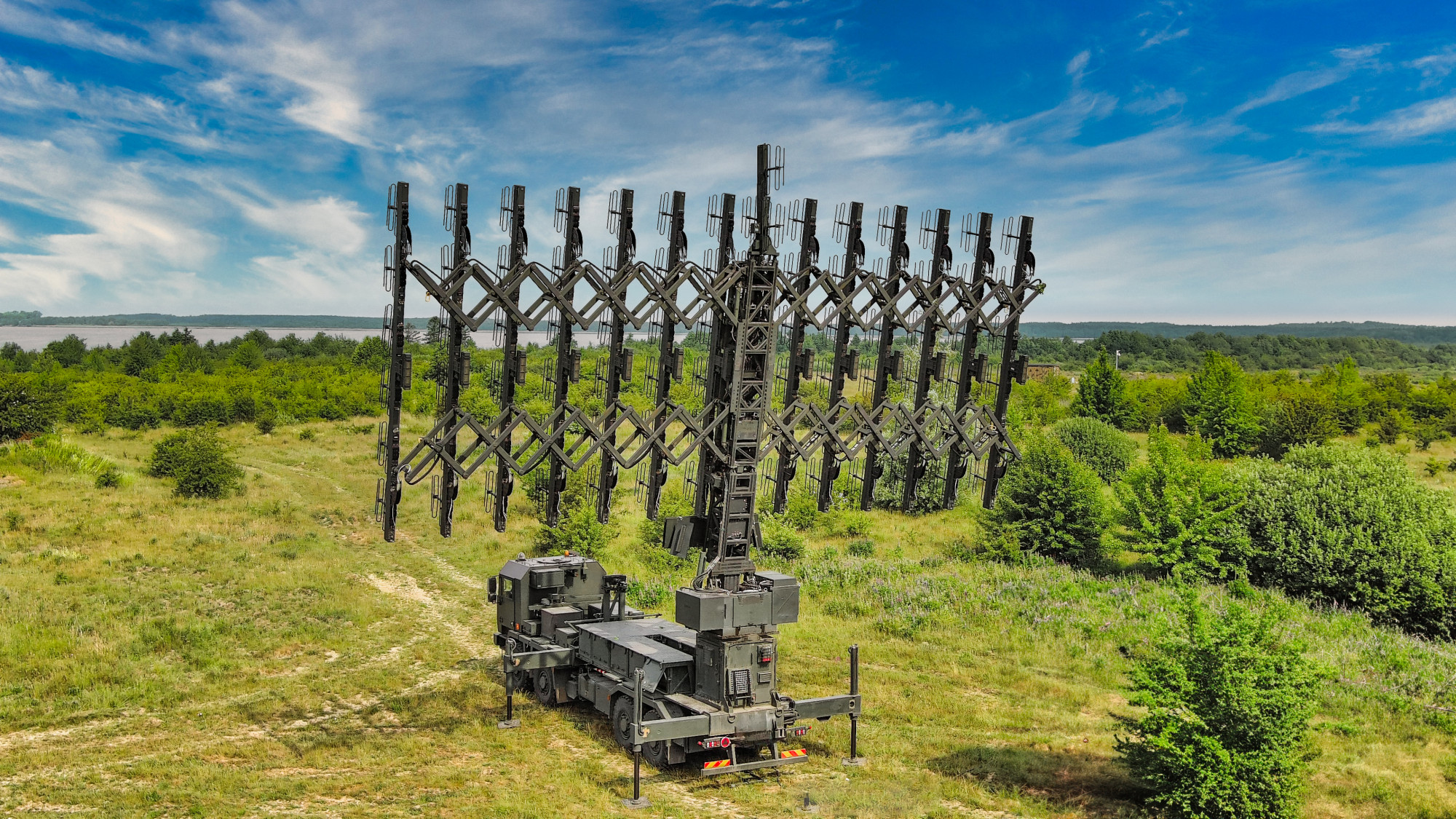
Long-range early warning radar P-18PL – Antenna Unit
Video
What problem does our project solve?
The P-18PL radar operates in the VHF band, distinguishing it from most designs by leading defence companies that primarily operate in the microwave band. The main features of the ‑P-18PL include the ability to detect and track ballistic and hypersonic missiles, detect various types of aerial objects, including those utilising stealth technology, detect hovering helicopters, and passive mode operation. Its innovative design allows it to achieve combat readiness in under 30 minutes.
The radar's main role is to monitor airspace and near-space, with a focus on early threat detection, determining the position of attacking objects, and identifying the type of threat (classification of attack methods). Early detection and threat identification enhance the effectiveness of active air defence systems.
The P-18PL is a three-dimensional radar (determining distance, azimuth, and altitude of detected objects) capable of scanning space in both azimuth and elevation planes. It features an active electronically scanned array (AESA) antenna with electronically controlled transmission beams and digital beamforming for reception.
The radar employs a multi-path processing structure, enabling it to detect objects with widely varying radar characteristics.
It can operate in omnidirectional observation mode with a rotating antenna or in sector observation mode, covering a 90° sector in azimuth at a maximum range of up to 900 km.
The omnidirectional mode, with adjustable antenna rotation speeds, is designed for airspace observation, e.g., for short- and medium-range air defence systems.
The sector mode is particularly suited for long-range missile defence systems. Adjustable range and data refresh rates allow the radar's parameters to be tailored to specific mission requirements.
Who will benefit from the project's results?
The radar can integrate with all command systems used by the Polish Air Force and Anti-Aircraft Defence forces. Ultimately, the P-18PL will operate within the Integrated Air and Missile Defence Battle Command System (IBCS) to support short-range air defence systems under the NAREW programme and medium-range systems under Phase II of the WISŁA programme. Potential applications of the P-18PL include:
- long-range radar for early detection of airborne threats and defence against ballistic and hypersonic missiles,
- target detection and indication for medium- and short-range air defence systems,
- short, medium or long-range airspace control radar,
- radar support for allied air force operations.
The radar’s ability to perform diverse tasks is enabled by multiple operational modes that flexibly adapt parameters such as range, detection altitude, and data refresh rate to mission needs.
What was the biggest challenge for us in implementing the project?
Developing an AESA-class antenna, requiring synchronisation of multiple components, calibration of their parameters, and managing large data streams.
Designing a detection path capable of identifying various types of objects with highly diverse echo signal characteristics.
Creating a mobile radar structure that meets road transport requirements and rapid deployment times while accommodating the antenna array dimensions necessary for VHF operation.