
Laboratory of Future Education

 Project title
Laboratory of Future Education
 Name of Beneficiary/Beneficiaries
University of Warsaw, Faculty of Education
 Name of programme
Knowledge Education Development Operational Programme
 Competition
Competences in Higher Education
 Project value
PLN 1,167,221.21
 Funding value
PLN 1,116,961.21
 Project delivery period
from 1 March 2019 to 30 September 2023
Meet our team
The project was managed and implemented by a qualified and experienced team. The project manager, substantive coordinators, and educators teaching students have been long-term employees of the Faculty of Education at the University of Warsaw—specialists in early childhood education, in its theoretical, empirical, and practical dimensions. They were supported by teachers—leaders in educational practice—and administrative-financial staff experienced in implementing EU projects.

Faces of the project:
prof. Małgorzata Żytko
Role: Project manager
Bio: Educator, researcher at the Faculty of Education, University of Warsaw, member of ATEE (Association for Teacher Education in Europe) and PTP (Polish Pedagogical Society). Scientific interests: psychological, pedagogical, and social aspects of child development and education, supporting the professional development of teachers, and designing and implementing innovative educational solutions for primary schools. Author of numerous publications, coordinator of research under national and international grants.
dr Małgorzata Sieńczewska
Role: Substantive coordinator (project implementation)
Bio: Educator, assistant professor at the Faculty of Education, University of Warsaw, author of scientific and educational publications, co-author of textbooks for grades 0-III, specialist in the use of drama and project methods in early childhood education, certified academic tutor, and expert in the application of innovative and novel teaching and learning methods.
Her scientific interests also focus on issues related to the popularisation of science and the effective use of modern technologies at different levels of education. She has been involved in a number of EU-funded projects.
dr Dorota Sobierańska
Role: Substantive coordinator (project evaluation)
Bio: Educator, assistant professor at the Faculty of Education, University of Warsaw. Trainer for courses that improve the professional qualifications of early childhood education teachers. Drama and theatre instructor. Member of the Board of the Foundation for Intercultural Education [Fundacja Edukacji Międzykulturowej] and the Mental Wellbeing Foundation [Fundacja Dobrostan Umysłu]. Scientific interests: psychological, pedagogical, and social aspects of early education, the use of active methods and ICT tools in science-technology education, and collaborative learning and teaching. Author of scientific and teaching texts and member of numerous project teams.
See the results of our work
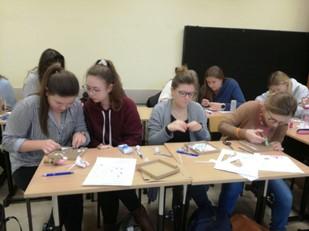
Classes on the use of design thinking in education – summer school
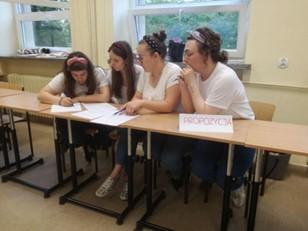
Modular exam in the form of an Oxford debate
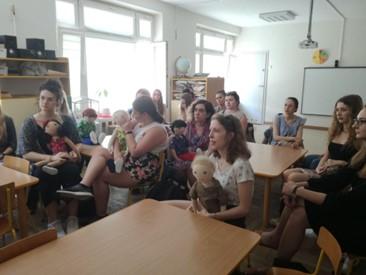
Summer school – visit of students to a kindergarten – learning about the Persona Dolls method
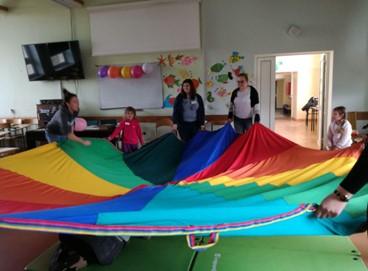
Tutoring for working with children with special educational needs – care sessions with Ukrainian children
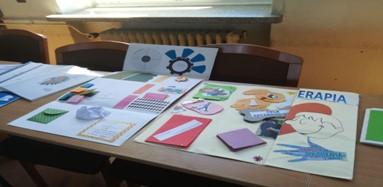

Lappbooks on therapeutic methods prepared by students
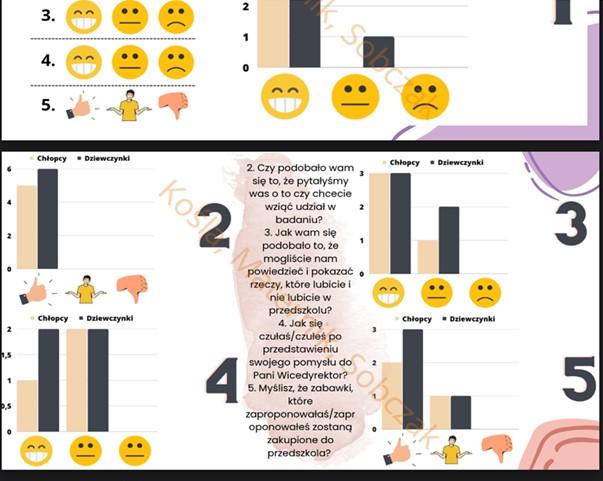
Participatory research in a kindergarten
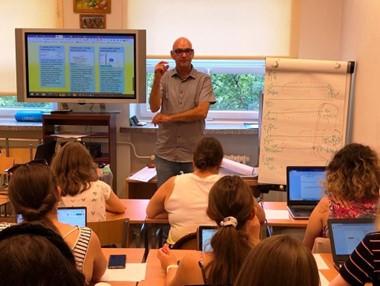
Summer school – meeting with prof. David Poveda from UAM Madrid, a Spanish expert on participatory research with children.
What problem does our project solve?
The goal of the project was to educate graduate students preparing to become preschool and early childhood education teachers by putting into practice part of the developed curriculum of the unified master's degree in this field. The curriculum focused on improving future teachers' competencies in the following areas: supporting the development of students and improving the skills of organising educational situations, using digital technologies in education, designing and implementing a personal and professional development plan, and creating a culture of the school as a modern, autonomous community. These competencies align with the requirements for teacher education and the Polish Qualifications Framework for social sciences, and also meet employer expectations regarding the qualifications necessary for professional success in the dynamically changing realities of the contemporary world. The programme was designed to address current and future needs of the economy, labour market, and society, as outlined by the Partnership for 21st Century Skills and the National Council for Social Studies. The methodology for working with students is based on an increased number of practical hours (building a relationship between theory and practice), active teaching-learning methods and personalisation of the learning process through individualised academic tutoring, fostering a reflective approach to the actions taken and a readiness for change in the education system. As part of the project, summer schools were also organised, during which participants visited innovative educational establishments, became acquainted with innovative learning methods, and carried out educational projects and prepared research projects using participatory methods. They also improved their language skills during sessions with international experts.
Who will benefit from the project's results?
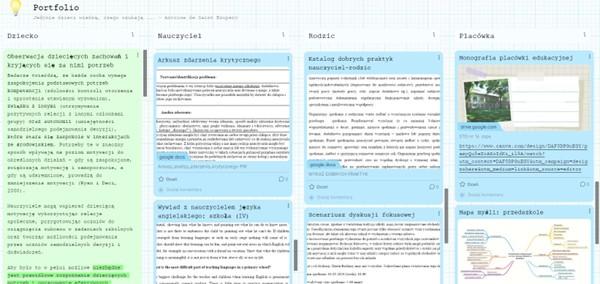
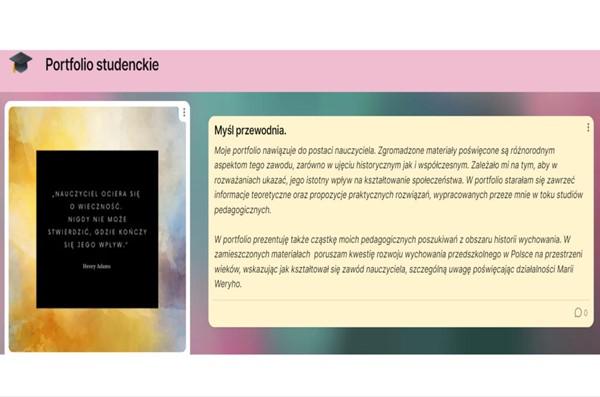
Participation in the second-cycle teaching studies improved students' personal and professional competencies necessary for the implementation of the tasks of modern education. The project also benefited teachers – educational practice leaders cooperating with the Faculty of Education during the studies, as well as academicians. Ongoing evaluation of the project's effects and results made it possible to introduce necessary changes and modifications to the developed curriculum, to re-test its assumptions and organisation in subsequent editions, as well as to develop research and teaching staff, all of which contributed to raising the quality of higher education. A significant outcome of the project was the development of a methodology for supporting personal development and building the professional identity of early childhood education teacher candidates. This was carried out in the course of studies through academic tutoring activities and creating an individual portfolio of students' developmental achievements.
What was the biggest challenge for us in implementing the project?
The biggest challenge was integrating the innovative solutions of the project into the teacher preparation curriculum, which had to align with the mandatory teacher training standards. The number of hours required by these standards is high, so adding additional activities, valuable from the project's perspective, was a challenge. However, the results were so compelling that the effort was worth it, and students appreciated the skills, experiences, and knowledge gained, which they applied in their work as preschool and early elementary school teachers. Additionally, the project was partially implemented during the COVID-19 pandemic, which was an additional impediment to the effective implementation of the study programme requiring close interaction with educational practice.
Our advice to other Applicants
We encourage you to take on challenges that introduce significant, groundbreaking solutions in teacher education. Only bold, innovative ideas have the chance to succeed, and it is worth anticipating difficulties, even beyond expectations, and planning alternative solutions to be prepared for unexpected situations.