
Young Innovator

 Project title
Young Innovator
 Name of Beneficiary/Beneficiaries
University of Warsaw
 Name of programme
Knowledge Education Development Operational Programme
 Competition
Competences in Higher Education
 Project value
PLN 199,128.47
 Funding value
PLN 190,308.47
 Project delivery period
from 1 June 2018 to 31 December 2021
Meet our team
dr Aleksandra Szyller
Role: Project manager
Bio: Educator, therapist, methodologist, teacher, trainer, assistant professor, and researcher at the Faculty of Education, University of Warsaw. Scientific interests: linguistic and mathematical aspects of child development and education, information and communication technologies (ICT), and teacher training. Author of books, scientific articles, teaching publications for teachers, and textbooks for children. Coordinator of pre-school and early school teaching practice.
prof. Małgorzata Żytko
Role: Project manager
Bio: Educator, researcher at the Faculty of Education, University of Warsaw, member of ATEE (Association for Teacher Education in Europe) and PTP (Polish Pedagogical Society).
Scientific interests: psychological, pedagogical, and social aspects of child development and education, supporting the professional development of teachers, and designing and implementing innovative educational solutions for primary schools. Author of numerous publications, coordinator of research under national and international grants.
dr Małgorzata Sienczewska
Role: teacher for creativity training and the Design Thinking method
Bio: Educator, assistant professor at the Faculty of Education, University of Warsaw, author of scientific and educational publications, co-author of textbooks for grades 0-III, specialist in the use of drama and project methods in early childhood education, certified academic tutor, and expert in the application of innovative and novel teaching and learning methods.
Her scientific interests also focus on issues related to the popularisation of science and the effective use of modern technologies at different levels of education. She has been involved in a number of EU-funded projects.
dr Maciej Słomczyński
Role: Chief methodologist, designer, and creator of toys using 3D printing technology.
Bio: Methodologist and trainer with over 20 years of experience and an interdisciplinary education. For the past 15 years, he has been a lecturer at the Open University of the University of Warsaw, specialising in the popularisation of science, receiving awards in 2021, 2022, and 2023. He is currently researching the use of generative AI models in problem-based learning.
mgr Karolina Prus-Wirzbicka
Role: methodologist, co-author of the project concept, teacher
Bio: trainer, early childhood education teacher, has been working for six years with the Faculty of Mathematics, Informatics and Mechanics, Faculty of Education, University of Warsaw, conducting methodical and practical classes for future teachers. Author of educational materials and textbooks (CEO, Szkoła z Klasa, PWN Wydawnictwo Szkolne, Mac Edukacja).
mgr Ewelina Gorczyca
Role: methodologist, teacher
Bio: Educator, early education teacher, trainer. Since 2019, she has conducted methodological and practical classes at the Faculty of Education, University of Warsaw. Author of educational materials (textbooks, lesson scenarios, online courses) in the field of mathematical education and cognitive science. Methodologist for teaching at an international primary school. Coordinator and expert in e-learning at the Center for Citizenship Education.
mgr Elżbieta Sochaj
Role: teacher

What problem does our project solve?
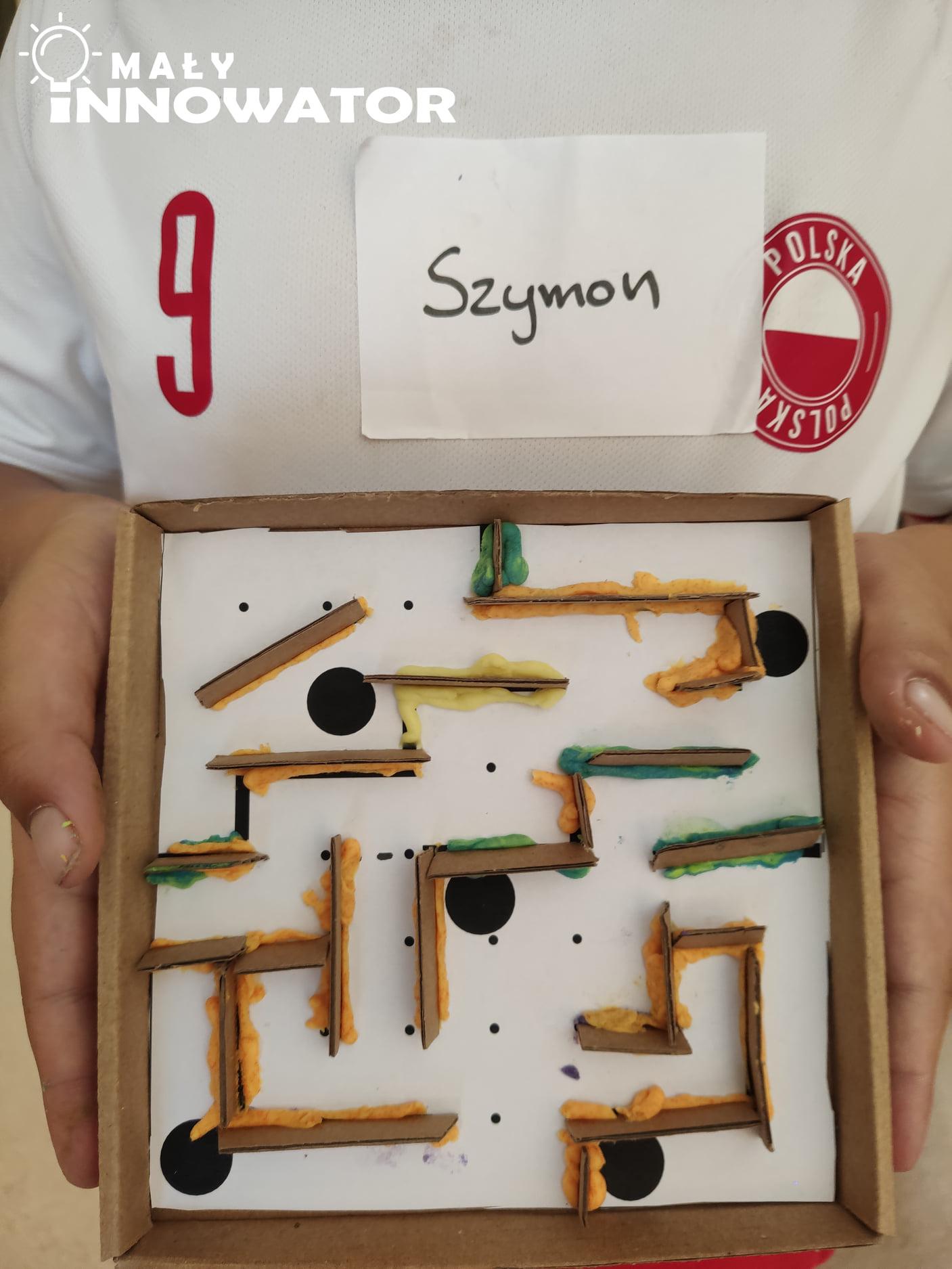
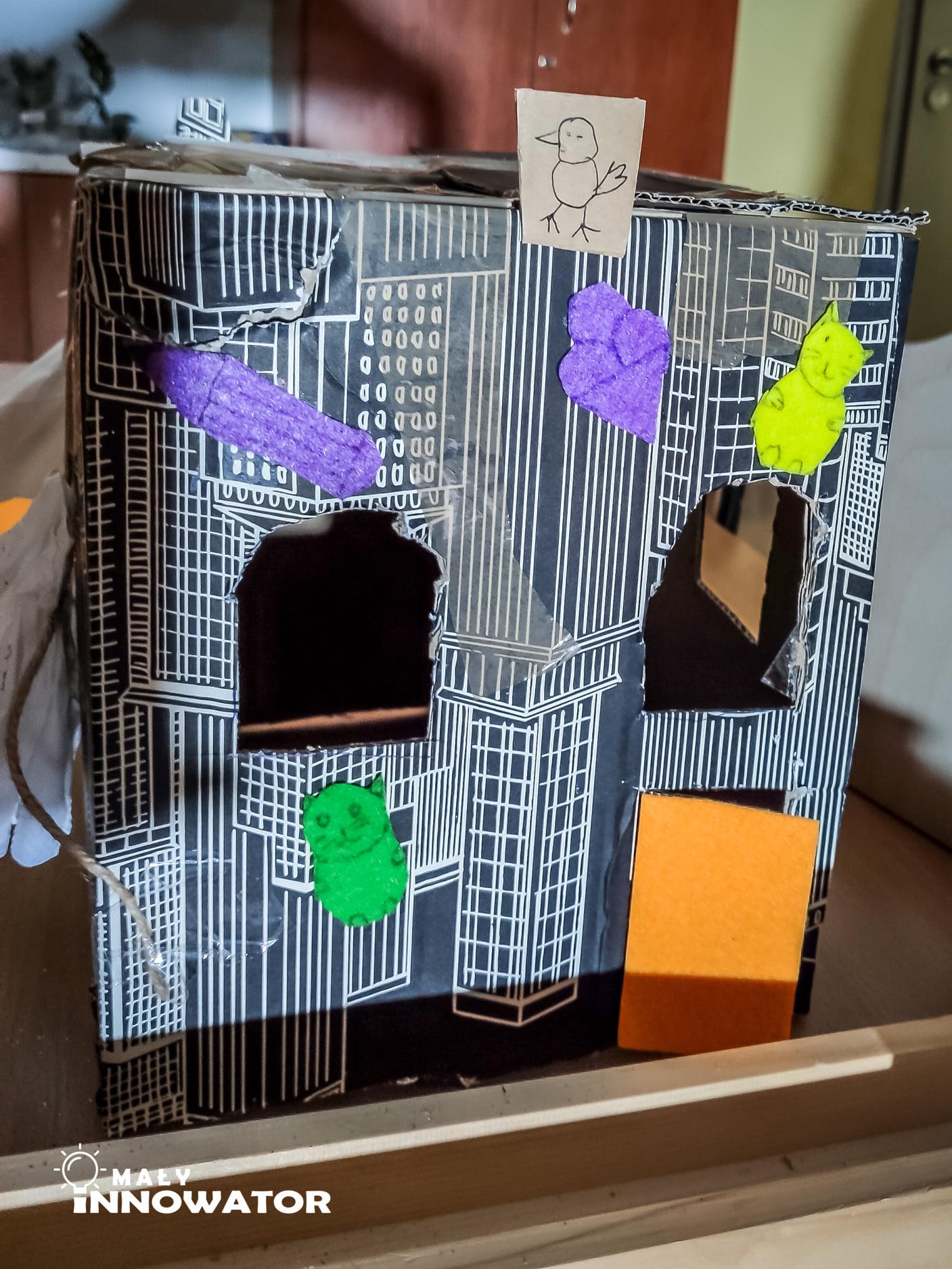
The main goal of the project was the effective implementation of methods and teaching tools that engage students during the learning process, achieving the planned outcomes within the on-site project classes. As a result, a solution was introduced as part of the university's third mission to support the local community. The project has contributed to the development of competences adapted to the needs of the labour market, the economy, and society. The developed curricula were applied in primary schools as extracurricular activities to stimulate educational and cultural activities, develop students' key competencies and familiarise them with new technologies, such as 3D printing, by creating toys through the Design Thinking process.
Participation in the activities, designed according to the STEAM model, enabled interdisciplinary learning, the development of creative thinking, and the enhancement of problem-solving and innovation skills.
Who will benefit from the project's results?
The project results benefit two main groups:
academic teachers: case studies (each group representing a different toy recipient) and teaching tools (3D-printed toys) illustrating the implementation of the Design Thinking process can serve as sources of knowledge and inspiration in project-based classes with students;
students: the opportunity to independently create the developed toy (STL files) during practical sessions with a 3D printer.
What was the biggest challenge for us in implementing the project?
The biggest challenge during project implementation was the pandemic, which significantly affected the organisation of classes and the recruitment process. Remote classes were not feasible for the prototyping and printing stages of toy creation, so this solution was abandoned, and the project was paused for some time. Eventually, the project was completed by changing the methodology and introducing frequent and condensed in-person classes. This intensive schedule was difficult to organise but allowed us to effectively achieve the intended goals.
Our advice to other Applicants
We recommend considering various crisis situations at the stage of developing the project’s methodological and organisational assumptions. It is worth anticipating potential limitations and planning alternative scenarios to ensure the project can adapt flexibly to changing conditions. Additionally, it is advisable to limit learning outcomes that cannot be effectively achieved in a remote setting to avoid issues related to their realisation if a transition to online learning becomes necessary. Such an approach can significantly increase the chances of project success, even in the face of unforeseen challenges.